Appropriate attire for kayak angling prioritizes safety, comfort, and practicality in a dynamic aquatic environment. This involves selecting garments and accessories that offer protection from the elements (sun, wind, and water), allow for a full range of motion, and enhance the overall fishing experience. For instance, a quick-drying, lightweight shirt paired with water-resistant pants and a wide-brimmed hat offers essential protection and comfort.
Effective apparel choices significantly impact performance and enjoyment on the water. Suitable clothing safeguards against hypothermia and sun-related risks, allowing anglers to focus on fishing. Historically, anglers relied on readily available materials like wool and cotton. Modern advancements in fabric technology offer specialized options like moisture-wicking synthetics and breathable waterproof membranes, resulting in lighter, more comfortable, and protective garments.
The following sections will delve into specific clothing categories crucial for kayak fishing, including layering strategies for varying conditions, choosing appropriate footwear, and the importance of specialized safety gear like personal flotation devices (PFDs).
Tips for Effective Kayak Fishing Apparel
Strategic clothing choices enhance safety and performance during kayak fishing excursions. The following tips offer guidance on selecting appropriate attire:
Tip 1: Prioritize Layering: Layering allows anglers to adapt to changing weather conditions. A base layer of moisture-wicking fabric, followed by an insulating mid-layer, and a waterproof outer shell provides flexibility in varying temperatures.
Tip 2: Choose Quick-Drying Fabrics: Synthetic materials like polyester and nylon dry quickly, enhancing comfort and reducing the risk of hypothermia, especially after unexpected splashes or immersion.
Tip 3: Select Appropriate Footwear: Water-resistant shoes with non-marking soles offer secure footing on wet surfaces and protect feet from sharp objects. Closed-toe shoes are recommended for optimal protection.
Tip 4: Protect from the Sun: Wide-brimmed hats, long-sleeved shirts with UPF protection, and polarized sunglasses shield anglers from harmful UV rays during prolonged exposure.
Tip 5: Consider Water Temperature: In colder water, a wetsuit or drysuit provides essential insulation against hypothermia. Neoprene gloves and booties offer additional warmth.
Tip 6: Don’t Forget a PFD: A properly fitted personal flotation device (PFD) is a non-negotiable safety item for all kayak anglers, regardless of experience or perceived swimming ability.
Tip 7: Dress for Movement: Clothing should allow for a full range of motion for paddling and casting. Avoid restrictive garments that may hinder movement or create discomfort.
By adhering to these guidelines, anglers can ensure comfort, safety, and enhanced performance on the water. Proper attire allows for a more enjoyable and productive fishing experience, enabling anglers to focus on their technique and the pursuit of their target species.
The insights provided throughout this discussion equip anglers with the knowledge to make informed decisions regarding apparel choices, maximizing their safety and enjoyment while kayak fishing.
1. Comfort

Comfort is paramount for a positive kayak fishing experience. Discomfort can distract from the activity, impacting focus and potentially jeopardizing safety. Appropriate clothing choices directly influence comfort levels, enabling anglers to remain on the water longer and enjoy the experience fully.
- Breathability
Breathable fabrics allow perspiration to evaporate, preventing overheating and maintaining a comfortable body temperature. Moisture-wicking materials, such as polyester and nylon blends, excel in this regard, particularly in warm, humid conditions. These fabrics pull sweat away from the skin, facilitating evaporation and preventing the clammy feeling associated with non-breathable materials like cotton.
- Flexibility and Fit
Clothing should allow for unrestricted movement during paddling and casting. Restrictive garments hinder performance and can cause chafing or discomfort over extended periods. Properly fitted attire, offering ample range of motion, is crucial for maintaining comfort throughout the fishing trip. Articulated designs and flexible fabrics contribute significantly to this aspect.
- Moisture Management
Staying dry is essential for comfort, particularly in cooler conditions. Water-resistant or quick-drying fabrics are ideal, minimizing discomfort from splashes, rain, or immersion. These materials prevent water absorption, maintaining a comfortable temperature and reducing the risk of chills. This is particularly important for base layers worn next to the skin.
- Seam Construction
Seams can be a source of irritation, especially during repetitive movements like paddling. Flatlock or strategically placed seams minimize friction and chafing. Clothing designed specifically for watersports often incorporates these features, enhancing comfort and preventing discomfort caused by rubbing against the skin.
Prioritizing comfort through appropriate clothing choices significantly contributes to a positive kayak fishing experience. By selecting attire that addresses breathability, flexibility, moisture management, and seam construction, anglers can maximize both their performance and enjoyment on the water. These considerations allow for extended periods on the water without the distractions and potential safety hazards associated with discomfort.
2. Protection

Protection from the elements is a critical consideration in kayak fishing attire. The aquatic environment presents specific challenges, including sun exposure, wind, water, and fluctuating temperatures. Appropriate clothing acts as a barrier against these elements, safeguarding anglers from potential harm and ensuring a safe and comfortable experience. For instance, prolonged sun exposure can lead to sunburn and long-term skin damage. Protective clothing, such as long-sleeved shirts with UPF (Ultraviolet Protection Factor) ratings, effectively minimizes these risks. Similarly, waterproof and windproof outerwear shields against cold, wind, and spray, preventing hypothermia and maintaining core body temperature.
The level of protection required varies depending on the specific conditions. In colder climates or during the cooler months, insulated and waterproof garments are essential. Neoprene waders or drysuits offer superior protection in extreme cold and immersion situations. Conversely, in warmer climates, lightweight, breathable fabrics with UPF protection provide adequate defense against sun and overheating. The selection of appropriate protective clothing directly impacts an angler’s ability to remain safe and comfortable on the water, enabling them to focus on fishing rather than battling the elements. Ignoring these protective measures can lead to serious consequences, ranging from discomfort to life-threatening conditions.
Choosing appropriate protective clothing is an integral part of responsible kayak fishing preparation. A comprehensive understanding of potential environmental hazards and corresponding protective measures allows anglers to make informed decisions about their attire. This proactive approach minimizes risks and maximizes both safety and enjoyment on the water. Investing in quality protective apparel is an investment in long-term well-being and continued enjoyment of the sport.
3. Mobility

Mobility is a crucial factor influencing clothing choices for kayak fishing. The physical demands of paddling, casting, and retrieving require a full range of motion. Restrictive clothing hinders these actions, impacting fishing effectiveness and potentially creating safety hazards. Garments designed with mobility in mind utilize flexible fabrics and articulated patterns. These features allow anglers to move freely without feeling constricted, maximizing performance and comfort. For example, a loose-fitting, breathable shirt allows for unimpeded arm movement during casting, while articulated paddling jackets provide flexibility in the shoulders and elbows for efficient paddling strokes. Conversely, tight-fitting jeans or restrictive jackets can limit mobility, making essential movements awkward and potentially dangerous, especially in situations requiring quick reactions.
The importance of mobility extends beyond simple comfort. It directly impacts an angler’s ability to execute essential techniques, such as casting accurately and efficiently paddling. Furthermore, maintaining balance and stability in a kayak often requires dynamic adjustments in body position. Restrictive clothing can impede these adjustments, increasing the risk of capsizing, particularly in challenging conditions like rough water or strong currents. Choosing clothing that prioritizes mobility allows anglers to react effectively to changing conditions, enhancing both safety and performance. This translates to a more enjoyable and successful fishing experience, free from the limitations and potential dangers posed by restrictive attire.
Prioritizing mobility in clothing selection significantly contributes to a safer and more productive kayak fishing experience. By understanding the impact of clothing on movement and choosing garments that allow for a full range of motion, anglers can maximize their performance on the water. This mindful approach to clothing selection enhances safety, improves fishing technique, and ultimately allows anglers to fully enjoy the sport.
4. Layering

Layering is a fundamental principle in effective kayak fishing attire, enabling adaptation to fluctuating weather conditions and exertion levels. Kayak fishing often exposes individuals to varying temperatures, wind, and water. A layered clothing system provides flexibility, allowing adjustments throughout the day as conditions change. This adaptability is crucial for maintaining comfort and preventing both overheating and hypothermia. For example, starting with a moisture-wicking base layer, adding an insulating mid-layer like a fleece jacket, and finishing with a waterproof and windproof outer shell provides adaptable protection in changing conditions. Removing or adding layers as needed allows for thermoregulation throughout the fishing trip, regardless of weather fluctuations or changes in exertion level.
The effectiveness of a layering system hinges on material selection. Moisture-wicking base layers draw perspiration away from the skin, keeping the angler dry and comfortable. Insulating mid-layers trap warm air, providing warmth without excessive bulk. Waterproof and breathable outer shells protect against rain, wind, and spray, while allowing excess moisture to escape. This combination ensures comfort across a wide range of conditions. Furthermore, layering allows for specialized functionality. For example, incorporating a UPF-rated sun shirt as a mid-layer provides additional sun protection, while a fleece or down jacket offers increased warmth in colder environments. The strategic combination of layers allows anglers to customize their attire to the specific demands of each fishing trip.
Layering is crucial for optimizing comfort and safety during kayak fishing excursions. Understanding the principles of layering and selecting appropriate materials allows anglers to adapt effectively to dynamic weather conditions and exertion levels. This preparedness enhances both comfort and safety, allowing for a more enjoyable and productive fishing experience. Ignoring the importance of layering can lead to discomfort, reduced performance, and potential health risks associated with temperature extremes. A well-designed layering system allows anglers to stay comfortable and focused on fishing, regardless of the weather.
5. Footwear

Appropriate footwear is an integral component of optimal attire for kayak fishing. Footwear choices directly impact safety, comfort, and performance on the water. Kayak anglers frequently encounter wet surfaces, slippery decks, and potentially sharp objects. Appropriate footwear provides protection, grip, and stability in these conditions. Neglecting footwear can lead to slips, falls, injuries, and discomfort, potentially jeopardizing the fishing experience and personal safety. For instance, wearing sandals or flip-flops while kayak fishing offers minimal protection and grip, increasing the risk of slipping on a wet kayak deck or sustaining injuries from sharp rocks or hooks. Conversely, water-resistant shoes with non-marking soles provide secure footing and protect feet from hazards, enhancing safety and comfort.
The demands placed on footwear during kayak fishing necessitate specific features. Water resistance or quick-drying capabilities are essential for maintaining comfort and preventing waterlogged feet, which can lead to blisters and discomfort. Non-marking soles are crucial for preserving the integrity of the kayak’s deck and preventing slips. Adequate drainage prevents water accumulation within the shoe, further enhancing comfort and reducing the risk of fungal infections. Durable construction ensures longevity and withstands the wear and tear of the aquatic environment. For example, specialized fishing shoes often incorporate features like reinforced toe caps for added protection, quick-drying mesh panels for breathability, and water-resistant membranes to keep feet dry. These features contribute significantly to comfort, safety, and overall performance during kayak fishing excursions.
Selecting appropriate footwear is a crucial aspect of preparing for a safe and enjoyable kayak fishing trip. Footwear choices should prioritize functionality, protection, and comfort. Considering the potential hazards and demands of the aquatic environment allows anglers to make informed decisions regarding footwear. This proactive approach minimizes risks, enhances performance, and ultimately contributes to a more positive and productive experience on the water. Failing to choose appropriate footwear can compromise safety and detract from the overall enjoyment of kayak fishing. Therefore, careful consideration of footwear needs is an essential element of responsible kayak fishing preparation.
6. Safety Gear
Safety gear constitutes an indispensable aspect of appropriate attire for kayak fishing. While comfort and mobility are important, prioritizing safety is paramount. Understanding the essential safety equipment and integrating it seamlessly with other clothing choices ensures a secure and enjoyable experience on the water. Overlooking safety gear can have severe consequences, ranging from minor injuries to life-threatening situations.
- Personal Flotation Device (PFD)
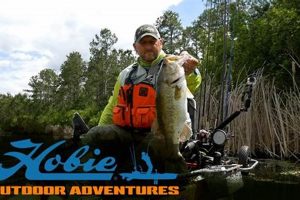
A PFD is the most crucial piece of safety gear for any kayak angler. It provides buoyancy and keeps the wearer afloat in the event of capsizing or accidental immersion. PFDs are available in various styles and sizes; selecting a properly fitted and comfortable model is essential for optimal effectiveness and wearability. Inflatable PFDs offer greater mobility and comfort, while inherently buoyant PFDs provide immediate flotation. Regardless of the type chosen, wearing a PFD is non-negotiable for safe kayak fishing.
- Whistle
A whistle attached to the PFD or worn around the neck provides a crucial signaling device in emergencies. A loud whistle can attract attention over long distances, significantly increasing the chances of rescue in situations such as capsizing or becoming lost. Compact and lightweight, a whistle is an essential piece of safety gear that occupies minimal space and requires minimal effort to use effectively.
- Safety Knife
A readily accessible safety knife is essential for cutting fishing lines, ropes, or other entanglements that could pose a danger in the water. In a capsize situation, a knife can be crucial for freeing oneself from entangled fishing lines or gear. A knife with a serrated edge and a blunt tip is recommended for safety and versatility. Securely attaching the knife to the PFD or clothing ensures it remains readily available in an emergency.
- Communication Devices
Carrying a waterproof cell phone or a VHF radio allows communication in emergencies. Informing someone of planned fishing locations and expected return times is a crucial safety precaution. A communication device enables contact with emergency services or companions in case of unexpected events. Storing devices in waterproof cases or bags ensures functionality even in wet conditions.
Integrating these safety elements seamlessly with other clothing choices maximizes both safety and comfort during kayak fishing excursions. Choosing a PFD that fits comfortably over other layers of clothing and ensuring accessibility to essential tools like a knife and whistle enhances preparedness without compromising mobility. By prioritizing safety gear as an integral part of appropriate attire, anglers demonstrate a commitment to responsible and safe kayak fishing practices. This proactive approach minimizes risks and allows for a more enjoyable and confident experience on the water.
Frequently Asked Questions
This section addresses common inquiries regarding appropriate attire for kayak fishing, providing concise and informative responses to facilitate informed decision-making.
Question 1: Is specialized kayak fishing clothing necessary, or can regular outdoor apparel suffice?
While regular outdoor clothing might suffice in certain situations, specialized kayak fishing apparel offers significant advantages regarding safety, comfort, and performance. Features like quick-drying fabrics, UPF protection, and enhanced mobility contribute to a more enjoyable and productive fishing experience.
Question 2: What are the essential clothing items for cold-weather kayak fishing?
Cold-weather kayak fishing necessitates layering for insulation and protection. A moisture-wicking base layer, insulating mid-layers (fleece or down), and a waterproof/windproof outer shell are crucial. Neoprene or dry suits offer enhanced protection in extreme cold or potential immersion situations. Don’t forget insulated headwear and gloves.
Question 3: How does one choose the right PFD for kayak fishing?
PFD selection involves considering factors like comfort, mobility, and intended use. Inherently buoyant PFDs provide immediate flotation, while inflatable PFDs offer greater freedom of movement. Proper fit is crucial; the PFD should allow for comfortable paddling and casting without restriction.
Question 4: What are the benefits of wearing quick-drying clothing for kayak fishing?
Quick-drying fabrics, typically synthetic materials like polyester or nylon, enhance comfort by wicking moisture away from the skin. This helps regulate body temperature, preventing overheating in warm weather and minimizing the chilling effect of evaporation in cooler conditions, reducing the risk of hypothermia. They also dry rapidly after incidental water exposure.
Question 5: Are wading boots suitable for kayak fishing?
While wading boots offer excellent traction and protection in wading situations, they might not be the optimal choice for kayak fishing. Their bulk and weight can impede movement within the confined space of a kayak. Dedicated kayak fishing shoes prioritize drainage, quick-drying capabilities, and flexibility, offering better comfort and performance.
Question 6: How can anglers protect themselves from the sun while kayak fishing?
Sun protection is essential during prolonged exposure on the water. Wide-brimmed hats, long-sleeved shirts with UPF protection, sunglasses with polarized lenses, and sunscreen are critical for minimizing the risk of sunburn and long-term skin damage.
Careful consideration of these frequently asked questions allows anglers to make informed decisions regarding apparel choices, maximizing safety, comfort, and overall fishing success.
The following section will offer a concluding summary of key considerations for selecting the best clothing for kayak fishing.
Optimal Attire for Kayak Angling
Appropriate apparel selection significantly impacts safety, comfort, and performance in kayak fishing. Key considerations include protection from environmental elements (sun, wind, water), mobility for paddling and casting, and adaptability through layering strategies. Prioritizing quick-drying, breathable fabrics enhances comfort and minimizes risks associated with prolonged exposure to moisture. Specialized footwear provides secure footing and protection, while essential safety gear, such as PFDs, whistles, and knives, safeguards against unforeseen circumstances. Understanding the interplay of these factors enables informed decisions regarding attire, contributing to a safer and more productive fishing experience.
Strategic apparel choices empower anglers to focus on the enjoyment and challenge of kayak fishing, undistracted by discomfort or safety concerns. This proactive approach fosters a deeper appreciation for the sport and promotes responsible engagement with the aquatic environment. Continued exploration of advancements in fabric technologies and safety equipment promises further enhancements in angler comfort and protection, contributing to the ongoing evolution of kayak fishing attire.