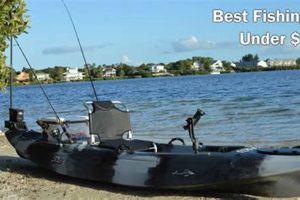
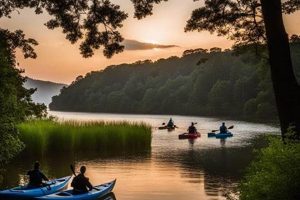
Prime locations for angling from a kayak are typically selected based on a confluence of factors. These include the presence of target fish species, calm and accessible waters, and the availability of supporting infrastructure like launch sites and nearby amenities. A sheltered cove teeming with bass, a mangrove-lined estuary harboring snook, or a placid lake known for its trout could all exemplify such an ideal spot. The specific characteristics vary depending on the angler’s preferences and the type of fishing pursued.
Choosing an optimal location significantly enhances the kayak fishing experience. It increases the likelihood of successful catches, improves safety by providing manageable water conditions, and contributes to a more enjoyable outing overall. Historically, anglers have sought out productive fishing grounds, and the evolution of kayak fishing has simply added a new dimension to this pursuit, allowing access to previously unreachable or less pressured areas. This specialized approach to fishing provides a unique blend of sport, recreation, and connection with nature.
This article will further explore the elements that define a superior kayak fishing destination. Topics covered will include specific geographic locations renowned for their kayak fishing opportunities, factors to consider when selecting a location, and responsible practices for preserving these valuable resources.
Tips for Selecting Prime Kayak Fishing Locations
Strategic location selection is paramount for a successful and enjoyable kayak fishing experience. The following tips offer guidance for identifying optimal fishing spots.
Tip 1: Research Target Species’ Habitats: Understanding the preferred habitat of the target fish species is crucial. Different species thrive in varying environments, such as rocky coastlines, weedy flats, or deep open water.
Tip 2: Prioritize Water Accessibility and Safety: Calm, sheltered waters are generally preferred for kayak fishing. Strong currents, heavy boat traffic, and exposed open ocean conditions should be avoided, particularly by less experienced anglers.
Tip 3: Evaluate Launch Sites and Amenities: Convenient access points with suitable launch sites are essential. Consider the availability of parking, restrooms, and other amenities that enhance the overall experience.
Tip 4: Consult Local Regulations and Resources: Familiarize oneself with local fishing regulations, licensing requirements, and any specific area closures. Local bait shops and fishing guides can provide valuable insights.
Tip 5: Leverage Technology and Mapping Tools: Utilize online mapping tools, nautical charts, and fish-finding apps to identify promising fishing areas, potential hazards, and water depths.
Tip 6: Consider Weather and Tidal Conditions: Pay close attention to weather forecasts and tide charts. Wind, rain, and fluctuating tides can significantly impact kayak fishing conditions and safety.
Tip 7: Pack Essential Safety Gear: A life vest, whistle, first-aid kit, and communication device are essential safety items for any kayak fishing trip.
By considering these factors, anglers can significantly increase their chances of a productive and enjoyable kayak fishing experience. Appropriate planning contributes to both safety and success on the water.
These tips provide a foundation for making informed decisions about kayak fishing locations. The next section will discuss specific examples of renowned destinations and their unique characteristics.
1. Target Species

The desired target species significantly influences the selection of a kayak fishing destination. Different species inhabit specific environments and exhibit unique behaviors, requiring anglers to choose locations conducive to their target’s preferences and habits. This targeted approach maximizes the chances of a successful and rewarding fishing experience.
- Habitat Preferences
Fish species exhibit specific habitat preferences, such as rocky coastlines for snapper, grassy flats for bonefish, or deep offshore waters for tuna. Understanding these preferences is crucial for selecting appropriate kayak fishing destinations. Targeting redfish in a mountain lake, for example, would be unproductive due to the species’ saltwater habitat requirement. Conversely, seeking trout in a tropical mangrove system would also prove futile. Matching the destination to the target species’ habitat is paramount.
- Seasonal Availability and Migration Patterns
Many fish species exhibit seasonal availability and migration patterns. Certain locations may offer excellent fishing opportunities for specific species during particular times of the year. For instance, striped bass migrate along coastlines, creating seasonal fishing opportunities in different regions. Understanding these patterns allows anglers to plan trips strategically and select destinations based on peak activity for their target species. Consulting local fishing reports and tide charts can aid in determining optimal timing.
- Fishing Techniques and Equipment
The target species often dictates the appropriate fishing techniques and equipment. Fly fishing for trout in a clear stream requires different gear and techniques compared to trolling for marlin offshore. Kayak anglers need to consider the target species when selecting a destination to ensure compatibility with their preferred fishing style and available equipment. A kayak optimized for river fishing may not be suitable for offshore pursuits, and vice versa. Adapting the fishing approach to the target species and the chosen environment is key.
- Local Regulations and Conservation Efforts
Regulations regarding specific target species, such as size limits, catch limits, and seasonal closures, vary by location. Anglers must adhere to these regulations to ensure sustainable fishing practices and preserve fish populations. Choosing destinations with healthy fish stocks and active conservation efforts contributes to the long-term enjoyment of the sport. Researching local regulations before selecting a destination is crucial for responsible angling.
By aligning the chosen destination with the target species’ characteristics and behaviors, anglers enhance their chances of success and contribute to a more informed and rewarding kayak fishing experience. This targeted approach also promotes responsible fishing practices and helps preserve valuable aquatic ecosystems.
2. Water Accessibility

Water accessibility plays a critical role in defining a best kayak fishing destination. Ease of entry and exit points, navigable waterways, and the presence of suitable launch sites significantly influence the overall experience. Destinations with limited access, requiring arduous portages or challenging navigation, may deter anglers, especially those with less experience or seeking a more relaxed outing. Conversely, readily accessible locations with well-maintained launch areas and navigable waters contribute to a more enjoyable and productive fishing trip. For example, a gently sloping beach with ample parking and a designated kayak launch provides easier access compared to a rocky, uneven shoreline with limited parking. This accessibility factor not only contributes to convenience but also impacts safety, particularly for anglers launching and landing solo. Choosing destinations with clear launch areas free from obstacles and hazards is paramount.
Further enhancing water accessibility is the presence of navigable waterways suitable for kayak travel. Calm, protected bays, estuaries, and slow-moving rivers offer ideal conditions for maneuvering and fishing from a kayak. Areas with strong currents, heavy boat traffic, or exposed open water present challenges and potential safety risks. Navigational aids, such as marked channels and readily available maps, also contribute to improved water accessibility and safer navigation. Consider a tidal creek system; during high tide, kayaks can access shallow areas teeming with fish, while low tide may restrict navigation and expose hazards. Understanding tidal influences and local water conditions is crucial for maximizing accessibility and safety.
In summary, water accessibility is a crucial component of best kayak fishing destinations. Convenient launch sites, navigable waterways, and an understanding of local conditions, including tides and currents, contribute significantly to a positive and safe experience. Prioritizing accessibility allows anglers to focus on the enjoyment of fishing and maximizes their time on the water. Failing to consider this factor can lead to logistical challenges, safety concerns, and a diminished overall fishing experience.
3. Safety Considerations

Safety considerations are paramount when evaluating kayak fishing destinations. A “best” destination inherently implies a safe environment conducive to enjoyable and productive angling. Overlooking safety aspects can transform a promising fishing trip into a hazardous situation. For example, a remote, secluded cove might offer excellent fishing opportunities but pose significant risks if lacking cell phone reception and exposed to unpredictable weather changes. Conversely, a well-maintained public fishing area with readily available emergency services and predictable conditions enhances safety, contributing to a more positive overall experience.
Several factors contribute to kayak fishing safety and should be assessed when selecting a destination. These include water conditions, weather forecasts, navigational hazards, and accessibility of emergency services. Calm, predictable waters with minimal boat traffic are generally safer than areas with strong currents, frequent storms, or congested waterways. Checking weather forecasts before embarking on a fishing trip is crucial. Sudden changes in wind speed or direction can create challenging conditions for kayakers, especially in open water. Likewise, awareness of navigational hazards such as submerged rocks, reefs, or debris is vital. Prioritizing destinations with accessible emergency services, such as nearby boat ramps, ranger stations, or coastal communities, enhances safety and provides peace of mind.
In summary, safety considerations are intrinsically linked to the designation of “best” kayak fishing destinations. A truly optimal location prioritizes angler safety alongside productive fishing opportunities. Careful evaluation of water conditions, weather patterns, navigational hazards, and emergency service accessibility is crucial in selecting a destination that maximizes both enjoyment and safety. Neglecting these factors can undermine the overall experience and potentially lead to dangerous situations. A well-informed approach to safety planning ensures a more positive and secure kayak fishing experience.
4. Local Regulations
Local regulations are integral to the definition of “best kayak fishing destinations.” A truly exceptional fishing location not only offers abundant fishing opportunities but also prioritizes sustainable resource management and responsible angling practices. Regulations, while sometimes perceived as restrictive, play a crucial role in preserving healthy fish populations, protecting sensitive ecosystems, and ensuring the long-term viability of the sport. Ignoring local regulations undermines the very qualities that define a desirable fishing destination.
- Licensing Requirements
Licensing requirements are fundamental to regulated fishing. Obtaining the necessary licenses demonstrates respect for local laws and contributes to conservation efforts funded by license fees. These funds often support habitat restoration, fish stocking programs, and enforcement of regulations, all crucial for maintaining healthy fisheries. Fishing without a license not only jeopardizes conservation efforts but also risks fines and potential legal repercussions, detracting from the overall fishing experience. For example, fishing for salmon in certain rivers may require a specific species license in addition to a general fishing license. Understanding and complying with these specific requirements is essential.
- Catch Limits and Size Restrictions
Catch limits and size restrictions are implemented to prevent overfishing and protect vulnerable fish populations. Adhering to these limits ensures the sustainability of the fishery and allows future generations to enjoy the sport. Exceeding catch limits or keeping undersized fish disrupts the natural balance of the ecosystem and can lead to depleted fish stocks. For instance, regulations might stipulate a daily limit of five trout per angler with a minimum size limit of 12 inches. Respecting these limits, even when fishing is exceptionally good, demonstrates responsible angling and contributes to the long-term health of the fishery.
- Seasonal Closures and Restricted Areas
Seasonal closures and restricted areas protect spawning fish, vulnerable habitats, and sensitive ecosystems. These regulations, often implemented during specific times of the year or in designated locations, allow fish to reproduce undisturbed and safeguard critical habitats from overuse. Ignoring these closures disrupts natural processes and can have long-term negative impacts on fish populations and the environment. For example, access to certain estuaries might be restricted during seagrass spawning season to protect this vital habitat. Respecting these closures, even if it means temporarily foregoing fishing in a particular area, demonstrates a commitment to conservation.
- Gear Restrictions and Permitted Methods
Gear restrictions and permitted fishing methods aim to minimize environmental impact and promote fair angling practices. Regulations may prohibit certain types of fishing gear, such as gill nets or certain types of hooks, to reduce bycatch and protect non-target species. Similarly, restrictions on fishing methods, like prohibiting the use of live bait in certain areas, can help prevent the introduction of invasive species or protect vulnerable prey populations. For instance, using barbless hooks is often encouraged or mandated to minimize injury to released fish. Adopting these practices demonstrates a commitment to ethical and sustainable fishing.
Respecting and adhering to local regulations are essential components of responsible kayak fishing and contribute directly to the long-term preservation of “best kayak fishing destinations.” By understanding and complying with these regulations, anglers actively participate in conserving valuable resources and ensuring the sustainability of the sport for future generations. Choosing destinations with well-defined and enforced regulations demonstrates a commitment to responsible angling and enhances the overall experience, knowing that the chosen location prioritizes both fishing opportunities and environmental stewardship. This commitment ultimately defines a truly “best” kayak fishing destination.
5. Supporting Infrastructure
Supporting infrastructure significantly influences the quality and accessibility of kayak fishing destinations. Well-developed infrastructure enhances the overall experience, contributing to convenience, safety, and enjoyment. Conversely, inadequate infrastructure can limit access, create logistical challenges, and potentially compromise safety, thus detracting from the desirability of a fishing location. The presence of robust supporting infrastructure is a key differentiator between average fishing spots and truly “best” destinations.
Several key components of supporting infrastructure contribute to a positive kayak fishing experience. Convenient launch sites, ample parking, well-maintained restrooms, and nearby amenities such as bait shops, tackle stores, and restaurants enhance the overall convenience and enjoyment. Designated kayak launch areas, including ramps, docks, or suitable shoreline access points, facilitate easy entry and exit from the water, minimizing the risk of damage to kayaks and ensuring angler safety. Adequate parking close to launch sites reduces the burden of transporting gear and allows anglers to focus on their fishing experience. Clean and accessible restroom facilities enhance comfort and contribute to a more positive overall outing. The availability of nearby amenities, such as bait shops for replenishing supplies or restaurants for post-fishing meals, further enhances the convenience and appeal of a destination. For example, a location with a dedicated kayak launch, ample parking, nearby restrooms, and a local bait shop offering rentals and guided tours presents a more attractive and user-friendly experience compared to a remote location with limited parking and no supporting services.
In conclusion, the presence of well-developed supporting infrastructure is a critical factor in defining “best kayak fishing destinations.” Convenient launch sites, adequate parking, accessible amenities, and the availability of support services contribute significantly to a positive and enjoyable experience. These factors not only enhance convenience and comfort but also contribute to safety and accessibility, making the sport more enjoyable for anglers of all skill levels. Investing in and maintaining robust supporting infrastructure elevates fishing locations from simply adequate to truly exceptional destinations, fostering growth and sustainability within the sport. Destinations lacking such infrastructure may offer excellent fishing opportunities but ultimately fall short of the “best” designation due to the logistical challenges and reduced overall quality of the experience.
6. Environmental Impact
Environmental impact is inextricably linked to the concept of “best kayak fishing destinations.” A truly exceptional fishing location not only provides outstanding angling opportunities but also demonstrates a commitment to minimizing environmental impact and promoting sustainable practices. The designation “best” encompasses not only the quality of fishing but also the responsibility of preserving the natural environment for future generations. Ignoring environmental impact undermines the long-term viability of these destinations and diminishes their overall value.
The relationship between kayak fishing and environmental impact involves a complex interplay of factors. Kayak fishing, by its nature, offers a relatively low-impact approach to angling compared to motorized boats. However, even this seemingly benign activity can have detrimental effects if not practiced responsibly. Improper disposal of fishing line, for example, can entangle wildlife and pollute waterways. Disturbing nesting birds or other sensitive fauna through careless approach can disrupt breeding cycles and impact local populations. Furthermore, improper anchoring techniques can damage sensitive habitats such as seagrass beds or coral reefs, which serve as critical nurseries for many fish species. Conversely, responsible kayak anglers who practice “Leave No Trace” principles, adhere to designated access points, and respect wildlife contribute to the preservation of these valuable ecosystems. For instance, using biodegradable fishing line and carrying reusable water bottles minimizes pollution and demonstrates a commitment to environmental stewardship. Supporting local conservation initiatives and participating in cleanup efforts further strengthens the positive connection between kayak fishing and environmental protection.
Minimizing environmental impact is not merely an ethical imperative but a practical necessity for ensuring the long-term sustainability of “best kayak fishing destinations.” Protecting water quality, preserving healthy fish populations, and respecting delicate ecosystems safeguards the very resources that make these locations desirable. By prioritizing environmental stewardship, kayak anglers contribute to the long-term health and viability of these destinations, ensuring their continued enjoyment for future generations. The integration of environmental consciousness into the evaluation of fishing destinations elevates the definition of “best” beyond mere angling success to encompass a holistic appreciation for the natural world and a commitment to its preservation.
7. Natural Beauty
Natural beauty plays a significant role in defining “best kayak fishing destinations.” While abundant fish populations and accessible waters are essential, the aesthetic appeal of the surrounding environment elevates the overall experience. The immersive nature of kayak fishing allows for close interaction with the natural world, and the scenic quality of the destination significantly enhances enjoyment and creates lasting memories. A pristine coastline, a tranquil river, or a secluded mountain lake offer more than just fishing opportunities; they provide an enriching connection with nature.
- Scenic Landscapes
Visually appealing landscapes contribute significantly to the overall experience. Pristine shorelines, dramatic cliffs, lush forests, and crystal-clear waters enhance the enjoyment of a fishing trip. Paddling through a mangrove-lined estuary teeming with wildlife or casting a line against the backdrop of snow-capped mountains elevates the experience beyond simply catching fish. The scenic value adds another dimension to the trip, creating lasting memories and fostering a deeper appreciation for the natural world. A secluded cove framed by towering redwoods, for example, offers a more enriching experience than a barren, industrialized shoreline.
- Wildlife Viewing Opportunities
Kayak fishing often provides opportunities for observing wildlife in their natural habitat. From soaring eagles and playful dolphins to wading herons and basking turtles, encountering wildlife adds another layer of enjoyment to the experience. The quiet, non-intrusive nature of kayak fishing allows for close observation without disturbing animals. Paddling through a tranquil marsh and observing a family of otters at play enhances the overall experience and fosters a deeper connection with the ecosystem. Destinations rich in biodiversity offer a more compelling experience than locations devoid of wildlife.
- Tranquility and Escape
Kayak fishing offers an escape from the pressures of daily life and an opportunity to connect with nature’s tranquility. The quiet solitude of paddling through calm waters, surrounded by natural beauty, provides a sense of peace and rejuvenation. Escaping the noise and distractions of urban environments and immersing oneself in the quiet stillness of a secluded lake or river enhances the overall experience and fosters a sense of well-being. Destinations that offer tranquility and solitude provide a more restorative experience than crowded, noisy locations.
- Photographic Opportunities
The inherent beauty of many kayak fishing destinations presents excellent photographic opportunities. Capturing stunning sunsets over tranquil waters, dramatic landscapes, or close-up encounters with wildlife allows anglers to preserve memories and share their experiences. The unique perspective from a kayak provides compelling angles and opportunities for capturing images that showcase the natural beauty of the location. Destinations with visually striking features and abundant wildlife offer more compelling photographic opportunities than bland, featureless environments. The ability to document and share the beauty of these locations further enhances their appeal and promotes conservation.
The aesthetic appeal of a kayak fishing destination enhances the overall experience and contributes significantly to the designation of “best.” The combination of scenic landscapes, wildlife viewing opportunities, tranquility, and photographic potential elevates these locations beyond simply productive fishing grounds. They become immersive experiences that foster a deeper appreciation for the natural world and create lasting memories. Destinations that prioritize conservation and preserve their natural beauty ultimately offer the most rewarding and sustainable kayak fishing experiences.
Frequently Asked Questions
This section addresses common inquiries regarding the selection and evaluation of prime kayak fishing destinations.
Question 1: How does one identify a suitable kayak fishing destination?
Optimal locations depend on several factors, including target species, angler experience, desired level of challenge, and accessibility preferences. Researching potential locations, considering local regulations, and evaluating water conditions are crucial steps in the selection process.
Question 2: What safety precautions should be taken when kayak fishing?
Wearing a personal flotation device, carrying essential safety equipment (whistle, first-aid kit, communication device), checking weather forecasts, and informing someone of the planned fishing location and estimated return time are essential safety measures.
Question 3: What equipment is essential for kayak fishing?
Essential equipment includes a fishing kayak, paddle, personal flotation device, appropriate fishing rods and reels, tackle suited to the target species, and basic safety gear. Additional equipment, such as a fish finder, anchor, and rod holders, can enhance the experience.
Question 4: Are there specific regulations regarding kayak fishing?
Regulations vary by location and may include licensing requirements, catch limits, size restrictions, seasonal closures, and permitted fishing methods. Consulting local authorities or visiting the relevant fisheries management websites provides specific regulatory information.
Question 5: What environmental considerations should kayak anglers keep in mind?
Minimizing environmental impact is crucial. Responsible anglers practice “Leave No Trace” principles, properly dispose of fishing line and other waste, avoid disturbing wildlife and sensitive habitats, and adhere to designated access points.
Question 6: How can one find information about specific kayak fishing destinations?
Online resources, local bait and tackle shops, fishing guides, and tourism bureaus offer valuable information about specific destinations, including access points, prevailing conditions, and target species. Consulting local fishing reports and online forums can provide additional insights.
Careful consideration of these frequently asked questions equips anglers with the knowledge necessary to make informed decisions, prioritize safety, and contribute to sustainable fishing practices.
The following section will delve into specific examples of renowned kayak fishing destinations, highlighting their unique characteristics and attractions.
Conclusion
Optimal kayak fishing destinations represent a confluence of factors, each contributing to a rewarding and sustainable angling experience. Careful consideration of target species, water accessibility, safety precautions, local regulations, supporting infrastructure, environmental impact, and natural beauty is essential in identifying and evaluating prime locations. These elements are interconnected and should be assessed holistically. A location abundant in fish but lacking adequate safety measures or disregarding environmental considerations falls short of the “best” designation. Similarly, a pristine environment with limited accessibility or lacking supporting infrastructure may not fulfill the needs of all anglers. The true measure of a “best” destination lies in the balanced integration of these crucial factors.
Ultimately, the pursuit of best kayak fishing destinations encourages a deeper understanding and appreciation of the natural world. Responsible angling practices, respect for local ecosystems, and a commitment to conservation ensure the long-term viability of these valuable resources. The quest for exceptional fishing experiences should be guided by a commitment to preserving these environments for future generations. Through informed decision-making and a mindful approach, anglers can contribute to the sustainability of these destinations and continue to enjoy the unique rewards of kayak fishing.