Locating optimal locations for kayak angling in Arkansas involves considering factors like water access, fish species diversity, and the presence of natural structures that attract fish. For example, a slow-moving river with overhanging trees and submerged logs could be ideal for targeting bass, while a larger lake might be better suited for pursuing crappie or catfish. Researching specific locations and their characteristics is crucial for a successful fishing trip.
Arkansas, with its abundant waterways, offers a unique opportunity for anglers seeking a closer connection with nature. Kayak fishing allows for quiet exploration of otherwise inaccessible areas, maximizing fishing potential. Historically, small boats and canoes have been used for fishing, but the modern kayak, with its specialized design and features, elevates the experience. This method minimizes environmental impact compared to motorized boats and contributes to a more tranquil and immersive angling experience.
This article will explore prime Arkansas locations suited for kayak fishing, considering factors such as fish species, accessibility, and necessary equipment. It will also provide guidance on regulations, safety precautions, and resources for planning a successful kayak fishing excursion in The Natural State.
Tips for Kayak Fishing in Arkansas
Successful kayak angling in Arkansas requires preparation and adherence to best practices. These tips offer guidance for a safe and productive experience.
Tip 1: Research Location and Species: Thorough research is crucial. Identify target species and select locations known for their presence. Consider water conditions, access points, and potential hazards.
Tip 2: Prioritize Safety: Always wear a personal flotation device (PFD). Check weather forecasts before departure and be prepared for changing conditions. Inform someone of your fishing plans, including location and expected return time.
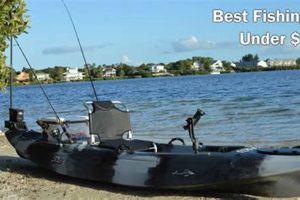
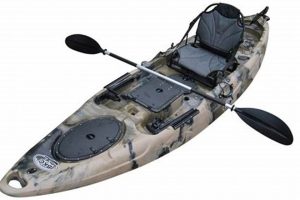
Tip 3: Choose Appropriate Gear: Select a kayak designed for stability and fishing. Essential equipment includes paddles, rod holders, and tackle storage. Consider a fish finder and anchor for enhanced angling.
Tip 4: Pack Efficiently: Space is limited in a kayak. Pack essential gear, including water, snacks, sunscreen, and a first-aid kit. Organize items for easy access.
Tip 5: Practice Kayak Control: Familiarize oneself with kayak maneuvering before venturing onto open water. Practice paddling, turning, and maintaining balance. Consider taking a kayaking safety course.
Tip 6: Respect Wildlife and the Environment: Practice catch-and-release whenever possible. Adhere to all fishing regulations and licensing requirements. Pack out all trash and minimize disturbance to natural habitats.
Tip 7: Learn Basic Knots and Rigging: Proficiency in essential fishing knots and rigging techniques is vital for success. Consult online resources or seek guidance from experienced anglers.
By following these guidelines, anglers can maximize their chances of a productive and enjoyable kayak fishing experience in Arkansas while prioritizing safety and environmental responsibility.
This information provides a foundation for a successful kayak fishing trip. The following section will offer further details on specific locations and resources for planning an Arkansas angling adventure.
1. Location Research

Location research is paramount for achieving optimal kayak fishing outcomes in Arkansas. The state’s diverse waterways offer a range of angling opportunities, from the clear, cold tailwaters of the Bull Shoals Dam, ideal for trout, to the cypress-lined bayous of the Mississippi River Delta, home to bass and catfish. Understanding the characteristics of specific locations, including water flow, depth, vegetation, and prevalent fish species, directly influences the success of a fishing expedition. For instance, targeting smallmouth bass in the Buffalo National River requires different location considerations than pursuing crappie in Lake Ouachita. Effective location research involves analyzing maps, consulting fishing reports, and leveraging local knowledge to identify productive areas.
Selecting a location aligned with target species and desired fishing style is crucial. A slow-moving river with abundant cover might be ideal for ambush fishing, while a larger lake requires understanding depth contours and structures to locate fish. Accessing online resources, such as the Arkansas Game and Fish Commission website, provides valuable information on fish stocking, water conditions, and public access points. Furthermore, consulting with local bait shops and fishing guides can offer insights into current fishing patterns and productive locations. For example, understanding seasonal variations in water temperature and clarity influences location choices for specific species, like striped bass in Beaver Lake.
Thorough location research minimizes wasted time and maximizes fishing potential. By understanding the nuances of different waterways and the factors influencing fish behavior, anglers can strategically select locations likely to yield positive results. This preparation contributes significantly to a more rewarding and efficient kayak fishing experience in Arkansas. Challenges may include navigating access restrictions or adapting to changing water conditions, underscoring the importance of flexibility and continuous information gathering. Ultimately, effective location research forms the foundation for a successful and enjoyable angling adventure in The Natural State.
2. Target Species

Target species selection is integral to successful kayak fishing in Arkansas. Different species inhabit specific environments and exhibit varying behaviors, influencing location choice, tackle, and angling techniques. Understanding the target species’ preferences and habits is crucial for maximizing fishing success.
- Species-Specific Habitats
Different fish species thrive in specific habitats. Trout prefer the cool, clear waters of mountain streams and tailwaters, while bass favor warmer, shallower environments with ample cover like submerged vegetation or fallen trees. Catfish often inhabit deeper, slower-moving sections of rivers and lakes. Selecting locations known to hold the target species is paramount. For instance, targeting trout in the Little Red River necessitates focusing on areas with adequate oxygenation and consistent cool temperatures, while pursuing largemouth bass in Lake Conway requires exploring shallow coves and weed beds.
- Behavioral Patterns and Feeding Habits
Understanding the behavioral patterns and feeding habits of target species informs effective angling strategies. Bass are ambush predators, often lurking near structures and striking at passing prey. Trout frequently feed on insects drifting in the current. Catfish are bottom feeders, scavenging for food along the riverbed or lake bottom. Tailoring lure selection and presentation to mimic the target species’ preferred food source significantly increases the likelihood of a successful catch. For example, using topwater lures to mimic fleeing baitfish can be effective for bass, while presenting small nymphs or dry flies can entice trout.
- Seasonal Influences
Seasonal changes impact fish behavior and location. Spawning periods, water temperature fluctuations, and changes in forage availability influence where fish congregate and how they feed. Adapting fishing strategies to account for seasonal variations is essential for consistent success. For instance, during the spring spawning season, bass may be found in shallower areas near nesting sites, while during colder months, they tend to move deeper, seeking thermal refuge. Understanding these seasonal patterns enables anglers to target specific areas and employ techniques appropriate for the time of year.
- Regulations and Conservation
Adhering to Arkansas Game and Fish Commission regulations for specific species, including size and creel limits, is crucial for responsible angling. Practicing catch-and-release for certain species or during specific seasons helps maintain healthy fish populations and preserve the resource for future generations. Understanding and respecting these regulations ensures the sustainability of kayak fishing in Arkansas. For instance, adhering to trout regulations in designated catch-and-release areas contributes to the preservation of these valuable fisheries.
By carefully considering target species characteristics, including habitat preferences, feeding habits, seasonal influences, and relevant regulations, kayak anglers can significantly enhance their chances of success. This knowledge enables strategic decision-making regarding location selection, tackle choices, and angling techniques, culminating in a more rewarding and productive fishing experience in Arkansas’s diverse waterways.
3. Kayak Selection

Kayak selection significantly influences the overall experience of fishing in Arkansas. Choosing the right kayak ensures stability, maneuverability, and access to desired fishing locations, contributing directly to a productive and enjoyable outing. The appropriate kayak complements the angler’s skill level, target species, and specific waterway characteristics.
- Hull Design
Hull design dictates stability and maneuverability. Sit-on-top kayaks offer excellent stability and ease of re-entry after a water landing, making them suitable for beginners and fishing in calmer waters. Sit-inside kayaks provide better protection from the elements and enhanced tracking, advantageous for paddling longer distances or in rougher conditions. Specific hull designs, such as pontoon hulls, offer exceptional stability for stand-up fishing, while V-shaped hulls excel in tracking and speed, suitable for covering larger bodies of water like Bull Shoals Lake.
- Length and Width
Kayak length and width impact performance characteristics. Longer kayaks track better and offer higher speeds, while shorter kayaks are more maneuverable in tight spaces, such as navigating narrow creeks or fishing around heavy cover. Wider kayaks offer greater stability, ideal for beginners or anglers frequently casting while standing. Narrower kayaks provide increased speed and efficiency for covering longer distances. Choosing the appropriate length and width depends on the intended fishing environment and the angler’s experience level. A shorter, wider kayak might be preferable for maneuvering in the shallow, vegetated backwaters of the Arkansas River, while a longer, narrower kayak would be better suited for traversing larger reservoirs like Lake Ouachita.
- Features and Accessories
Kayak features and accessories enhance fishing functionality. Rod holders, paddle clips, anchor systems, and storage compartments are essential for organization and efficient angling. Specialized features, such as built-in fish finders or live wells, further enhance the fishing experience. Consideration of these features during kayak selection contributes to a more comfortable and productive outing. For instance, incorporating rod holders and a fish finder improves angling efficiency, while ample storage space accommodates tackle and essential gear.
- Weight Capacity and Portability
Weight capacity and portability are critical factors. The kayak must safely accommodate the angler’s weight, along with fishing gear and any potential catch. Portability influences transportation and launch accessibility. Lighter kayaks are easier to transport and launch, particularly in areas with limited access. Consideration of these factors ensures convenient and safe handling. For example, a lightweight kayak with sufficient weight capacity is beneficial for anglers frequently accessing remote fishing spots along the Buffalo National River.
Careful consideration of these kayak selection factors contributes significantly to a positive fishing experience in Arkansas. Matching the kayak’s characteristics to the intended fishing environment, target species, and the angler’s skill level ensures optimal performance, stability, and enjoyment. A well-chosen kayak enhances access to prime fishing locations and maximizes the potential for a successful and rewarding outing on Arkansas’s diverse waterways.
4. Essential Gear
Essential gear directly impacts the success and safety of kayak fishing excursions in Arkansas. Appropriate equipment enables anglers to effectively target species, navigate diverse waterways, and respond to changing conditions. Careful selection and proper utilization of essential gear contribute significantly to a productive and enjoyable fishing experience.
- Paddles and Personal Flotation Device (PFD)
A high-quality paddle, appropriately sized for the angler and kayak, ensures efficient propulsion and maneuverability. A comfortable and properly fitted PFD is paramount for safety and should be worn at all times while on the water. These fundamental items are non-negotiable for any kayak fishing trip. For example, a lightweight paddle with adjustable feathering angles enhances paddling efficiency, while a Type III PFD provides ample buoyancy and freedom of movement for casting.
- Rods, Reels, and Tackle
Rod and reel selection depends on target species and fishing techniques. A medium-action spinning rod and reel combination suits various species and techniques, while specialized setups, such as baitcasting outfits for bass or fly fishing gear for trout, cater to specific angling styles. Tackle selection, including lures, hooks, weights, and line, should align with target species preferences and prevailing water conditions. For example, targeting crappie in Lake Dardanelle might involve using light jigs and minnows, while pursuing striped bass in Beaver Lake might necessitate heavier tackle and larger lures.
- Safety and Navigation Equipment
Essential safety equipment includes a whistle, signaling device, first-aid kit, and bilge pump or sponge. A GPS device or chartplotter aids navigation, especially in larger bodies of water or unfamiliar areas. Carrying a dry bag protects essential items like phones and wallets from water damage. These items enhance safety and preparedness for unforeseen circumstances. For instance, a GPS device is invaluable for navigating the intricate waterways of the Arkansas River Delta, while a first-aid kit addresses minor injuries that may occur during the trip.
- Fishing-Specific Accessories
Fishing-specific accessories enhance angling efficiency and enjoyment. Rod holders secure rods while paddling or handling fish. An anchor system maintains position in desired fishing locations. A fish finder aids in locating fish and identifying underwater structures. Other useful accessories include tackle boxes, landing nets, and stringers. These items streamline the fishing process and contribute to a more successful outing. For example, utilizing a fish finder to locate submerged brush piles in Lake Nimrod increases the chances of targeting crappie, while a landing net aids in securing larger fish like striped bass.
Proper selection and utilization of essential gear enhance safety, efficiency, and overall enjoyment while kayak fishing in Arkansas. Adapting gear choices to specific target species, waterway characteristics, and anticipated conditions ensures anglers are well-prepared for a successful and rewarding experience on the water. The combination of appropriate gear and informed decision-making contributes significantly to maximizing fishing potential and minimizing potential challenges in Arkansas’s diverse aquatic environments.
5. Safety Precautions

Safety precautions are integral to “best kayak fishing Arkansas,” ensuring angler well-being and fostering responsible enjoyment of the state’s waterways. Prioritizing safety maximizes the potential for a positive experience while mitigating inherent risks associated with on-water activities. Neglecting safety protocols can jeopardize not only the angler’s well-being but also the overall fishing experience.
- Personal Flotation Devices (PFDs)
PFDs are paramount for kayak fishing safety. A properly fitted and consistently worn PFD provides essential buoyancy in the event of capsizing or accidental immersion. Selecting a PFD designed for paddling and fishing allows for comfortable movement and casting. State regulations mandate PFD availability in kayaks, with continuous wear strongly recommended, especially in challenging conditions like swift currents or cold water. Neglecting PFD use can have life-threatening consequences, even for experienced swimmers.
- Weather Awareness and Monitoring
Weather conditions significantly impact kayak fishing safety. Checking forecasts before embarking on a fishing trip and remaining vigilant for changing conditions throughout the outing is crucial. Sudden storms, strong winds, and lightning strikes pose significant risks. Having a plan for seeking shelter or returning to shore in adverse weather is essential. Ignoring weather warnings can lead to dangerous situations, potentially stranding anglers in hazardous conditions.
- Communication and Float Plans
Informing someone about fishing plans, including intended location, estimated return time, and emergency contact information, is a crucial safety measure. This allows for prompt assistance in case of unexpected delays or emergencies. Carrying a communication device, such as a waterproof VHF radio or a charged mobile phone in a waterproof case, enables contact in case of distress. Failure to communicate plans can hinder rescue efforts in emergencies.
- Navigation and Hazard Awareness
Understanding navigational markers, water hazards, and potential obstacles like submerged logs or rocks is essential for safe kayak fishing. Carrying a map or chart of the fishing area and familiarizing oneself with potential hazards minimizes risks. Awareness of river currents, tides, and potential changes in water levels enhances safety. Ignoring potential hazards can lead to collisions, capsizing, or entanglement, jeopardizing angler safety.
Implementing these safety precautions enhances the likelihood of “best kayak fishing Arkansas” outcomes. Prioritizing safety allows anglers to focus on enjoying the fishing experience while mitigating potential risks. Careful planning and adherence to safety protocols contribute significantly to a positive and memorable outing on Arkansas’s waterways. Ultimately, prioritizing safety is not merely a precaution; it’s an integral component of responsible and enjoyable kayak fishing.
6. Local Regulations
Adherence to local regulations is essential for achieving “best kayak fishing Arkansas” outcomes. Regulations established by the Arkansas Game and Fish Commission (AGFC) govern fishing seasons, creel limits, size restrictions, and permitted fishing methods. These regulations ensure the sustainability of fish populations and protect the integrity of aquatic ecosystems. Disregarding these regulations not only jeopardizes the long-term health of Arkansas fisheries but also carries potential legal consequences, including fines and license revocation. For example, exceeding the daily creel limit for trout on the White River undermines conservation efforts and can result in penalties.
Understanding and complying with licensing requirements is crucial. Anglers must possess a valid Arkansas fishing license appropriate for their residency status and fishing activities. Specific regulations may apply to certain water bodies or target species. For example, fishing in designated trout waters requires a trout permit in addition to a regular fishing license. Consulting the AGFC website or contacting local license vendors provides access to up-to-date regulations and ensures compliance. Failure to possess the correct license can lead to legal repercussions and disrupt the fishing experience.
Respecting local regulations demonstrates responsible angling practices and contributes to the preservation of Arkansas’s valuable aquatic resources. By understanding and adhering to these regulations, anglers actively participate in conserving fish populations and maintaining healthy ecosystems. This commitment ensures the longevity of “best kayak fishing Arkansas” opportunities for current and future generations. Challenges may include staying informed about changing regulations or interpreting complex rules, emphasizing the importance of proactively seeking information and clarification from official sources like the AGFC.
7. Respectful Angling

Respectful angling practices are integral to achieving “best kayak fishing Arkansas” outcomes. It transcends simply catching fish; it encompasses responsible stewardship of natural resources, ensuring the sustainability of healthy ecosystems and preserving the enjoyment of fishing for future generations. Respectful angling contributes to maintaining the quality of Arkansas’s waterways and the longevity of its diverse fish populations.
- Minimizing Environmental Impact
Minimizing environmental impact is crucial for preserving the integrity of Arkansas’s waterways. This involves properly disposing of fishing line and other waste, avoiding disturbing vegetation and wildlife habitats, and refraining from polluting water bodies with chemicals or debris. Kayak fishing, with its minimal disturbance compared to motorized boats, offers an inherently less impactful approach. For example, retrieving discarded fishing line prevents entanglement of wildlife and preserves the aesthetic quality of fishing locations. Such practices ensure the continued health and beauty of Arkansas’s aquatic ecosystems.
- Catch-and-Release Practices
Catch-and-release fishing contributes significantly to sustaining fish populations. Handling fish gently, minimizing air exposure, and using appropriate hooks and tackle minimizes stress and injury, increasing post-release survival rates. Practicing catch-and-release for certain species or during specific seasons, as regulated by the AGFC, helps maintain healthy populations. For instance, releasing a trophy-sized bass ensures its continued contribution to the breeding population and provides future angling opportunities. This practice supports the long-term viability of Arkansas fisheries.
- Respecting Other Anglers and Wildlife
Respecting other anglers and wildlife enhances the overall fishing experience. Maintaining appropriate distance from other anglers, avoiding excessive noise, and refraining from interfering with their fishing activities fosters a positive and shared environment. Respecting wildlife involves observing animals from a distance, avoiding disturbing nesting areas, and refraining from harassing or harming wildlife. For example, paddling quietly near a heron rookery allows observation without disrupting the birds’ natural behavior. These practices promote harmonious coexistence and preserve the natural balance of the ecosystem.
- Promoting Ethical Angling Practices
Promoting ethical angling practices involves adhering to all regulations, reporting violations, and educating others about responsible fishing. This includes promoting fair chase principles, avoiding the use of illegal fishing methods, and encouraging responsible catch-and-release practices. Sharing knowledge and encouraging ethical behavior within the angling community fosters a culture of respect for natural resources and ensures the sustainability of fishing opportunities. For instance, reporting illegal fishing activity helps protect vulnerable fish populations and upholds the integrity of the sport.
Respectful angling practices are inextricably linked to “best kayak fishing Arkansas.” By embracing these principles, anglers contribute to the long-term health and sustainability of Arkansas’s fisheries, ensuring continued access to high-quality fishing experiences for generations to come. These practices not only preserve the natural beauty and ecological balance of Arkansas’s waterways but also enhance the overall enjoyment and ethical integrity of the sport. Ultimately, respectful angling represents a commitment to responsible stewardship and ensures the future of “best kayak fishing Arkansas.”
Frequently Asked Questions
This section addresses common inquiries regarding optimal kayak fishing in Arkansas, providing concise and informative responses to facilitate informed decision-making and enhance angling experiences.
Question 1: What are the best locations for kayak fishing in Arkansas?
Numerous exceptional locations exist throughout the state, each offering unique characteristics and angling opportunities. The Buffalo National River, White River, and Little Red River are renowned for trout fishing. Lake Ouachita, Lake Hamilton, and Bull Shoals Lake provide excellent opportunities for bass, crappie, and other warm-water species. The Arkansas River and its numerous tributaries offer diverse fishing experiences. Selecting a location depends on target species and desired fishing style.
Question 2: What type of kayak is best suited for fishing in Arkansas?
Kayak selection depends on individual preferences, target species, and the specific water body. Sit-on-top kayaks offer stability and ease of use, suitable for beginners and calmer waters. Sit-inside kayaks provide better protection from the elements and enhanced tracking capabilities, advantageous for longer distances or rougher conditions. Pedal-driven kayaks offer hands-free fishing and increased range. Careful consideration of hull design, length, width, and features ensures optimal performance.
Question 3: What essential gear is required for kayak fishing in Arkansas?
Essential gear includes a properly fitted personal flotation device (PFD), a high-quality paddle, appropriate rods and reels, tackle suited for target species, and safety equipment such as a whistle and first-aid kit. Additional accessories, like a fish finder, anchor, and rod holders, enhance angling efficiency. Adapting gear choices to specific locations and target species optimizes fishing success.
Question 4: Are there specific regulations for kayak fishing in Arkansas?
Standard fishing regulations established by the Arkansas Game and Fish Commission (AGFC) apply to kayak fishing, including licensing requirements, seasons, creel limits, and size restrictions for specific species. Consulting the AGFC website or contacting local license vendors provides access to current regulations and ensures compliance. Adherence to regulations preserves fish populations and protects Arkansas waterways.
Question 5: What safety precautions should be taken while kayak fishing in Arkansas?
Prioritizing safety is paramount. Always wear a PFD, check weather forecasts before departure, inform someone of fishing plans, and be aware of potential hazards such as changing water conditions, submerged obstacles, and boat traffic. Carrying a communication device and basic safety equipment enhances preparedness for unforeseen circumstances.
Question 6: What are some recommended resources for planning a kayak fishing trip in Arkansas?
The Arkansas Game and Fish Commission website provides valuable information on fishing regulations, licensing, fish stocking reports, and access points. Local bait shops and fishing guides offer valuable insights into current fishing conditions and productive locations. Online forums and kayak fishing communities provide opportunities for sharing information and experiences. Utilizing these resources enhances planning and contributes to a successful fishing trip.
Understanding these frequently asked questions empowers anglers to make informed decisions, enhance safety, and maximize the enjoyment of kayak fishing in Arkansas. Thorough preparation and responsible angling practices contribute to a positive experience while preserving the state’s valuable aquatic resources.
For further information regarding specific locations, species-specific techniques, and advanced kayak fishing strategies, continue to the next section.
Best Kayak Fishing Arkansas
Optimal kayak angling in Arkansas necessitates careful consideration of various factors. Location research, informed by target species preferences and seasonal influences, forms the foundation for a successful outing. Appropriate kayak selection, coupled with essential gear and adherence to safety precautions, ensures both productivity and angler well-being. Respect for local regulations and a commitment to ethical angling practices contribute to the long-term sustainability of Arkansas’s valuable fisheries.
Arkansas, with its diverse waterways and abundant fish populations, offers exceptional kayak fishing opportunities. Strategic planning, informed decision-making, and a commitment to responsible angling practices ensure rewarding experiences while preserving these resources for future generations. Exploration of Arkansas’s aquatic ecosystems by kayak provides not only angling enjoyment but also a deeper connection with the natural world.