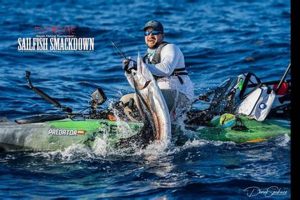
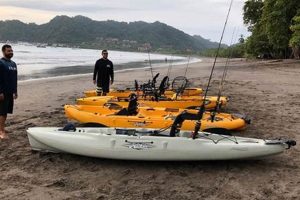
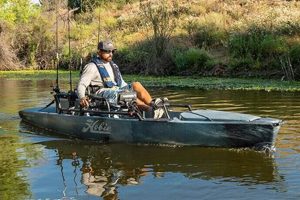
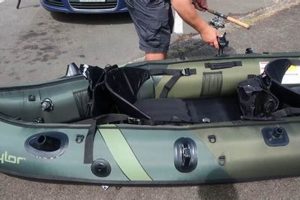
The atmosphere associated with kayak fishing encompasses a unique blend of tranquility, adventure, and connection with nature. Imagine gliding silently across a still lake at dawn, casting a line into the mist-shrouded water, surrounded by the sounds of awakening wildlife. This experience encapsulates the essence often sought by those drawn to this activity.
This pursuit offers a distinct appeal compared to traditional boat fishing or shore fishing. Its quiet approach minimizes disturbance to aquatic life, potentially enhancing fishing success. The low-profile perspective from a kayak provides a closer connection to the water, intensifying the experience of interacting with the environment. Historically, kayaks have been utilized for fishing by various cultures for centuries, demonstrating a long-standing practicality and integration with nature. The modern iteration, specifically designed for angling, combines this heritage with technological advancements for comfort and functionality.
Further exploration will delve into key aspects such as selecting appropriate kayak models, essential gear, and effective fishing techniques, as well as responsible practices for minimizing environmental impact and maximizing personal enjoyment.
Tips for Enhancing the Kayak Fishing Experience
Careful planning and mindful practices contribute significantly to a successful and enjoyable outing. The following recommendations offer guidance for maximizing one’s time on the water.
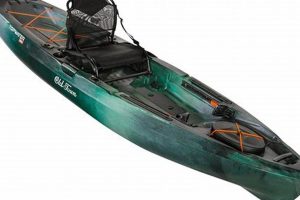
Tip 1: Stability is Paramount: Kayak selection should prioritize stability, especially for beginners. Wider, flatter hulls offer greater stability than narrower, performance-oriented designs. Consider testing various models before making a purchase.
Tip 2: Gear Organization is Key: Efficient organization is crucial in the limited space of a kayak. Utilize tackle boxes, dry bags, and specialized kayak storage compartments to keep gear accessible and protected from the elements.
Tip 3: Safety First: Always wear a personal flotation device (PFD) and carry essential safety equipment, including a whistle, signaling device, and first-aid kit. Inform someone of the planned fishing location and estimated return time.
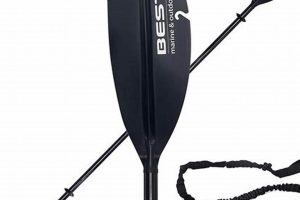
Tip 4: Paddle Choice Matters: Select a paddle appropriate for one’s height and paddling style. Lightweight, adjustable paddles offer versatility and reduce fatigue. Consider a spare paddle in case of breakage.
Tip 5: Respect Wildlife and the Environment: Practice catch-and-release whenever possible and handle fish with care. Adhere to local fishing regulations and avoid disturbing natural habitats.
Tip 6: Dress Appropriately: Dress in layers to adapt to changing weather conditions. Consider wearing quick-drying clothing and sun protection. Avoid cotton garments that retain moisture.
Tip 7: Check the Forecast: Always check weather conditions before heading out. Avoid venturing onto the water in strong winds, thunderstorms, or other hazardous conditions.
By adhering to these guidelines, anglers can ensure a safe, productive, and immersive experience, fostering a deeper appreciation for the natural world.
These tips lay a foundation for a positive experience. The subsequent conclusion will offer final thoughts and encourage readers to embark on their own kayak fishing adventures.
1. Tranquility

Tranquility forms a cornerstone of the kayak fishing experience. The gentle motion of paddling, the quiet glide across the water, and the immersive nature of the surroundings contribute to a sense of peace and escape. This tranquility allows for a deeper connection with the natural world, fostering a meditative state where the angler can focus on the subtle rhythms of the environment. The absence of the noise and commotion often associated with motorized boats enhances this experience. Consider the scenario of paddling across a mist-covered lake at dawn, the only sounds the gentle dipping of the paddle and the calls of birds. This immersion fosters a sense of calm and connection that defines the appeal for many kayak anglers.
This tranquility, however, is not merely a byproduct of the activity; it plays a crucial role in the success of the fishing itself. A quiet approach minimizes disturbance to aquatic life, increasing the likelihood of a successful catch. Furthermore, the calm state of mind fostered by the tranquil environment allows for greater focus and patience, essential qualities for any angler. The ability to observe subtle changes in the water or detect faint movements becomes easier when the mind is free from distractions. This heightened awareness translates to a more engaging and rewarding experience.
In essence, tranquility represents more than just a pleasant aspect of kayak fishing; it is integral to the overall experience. It contributes to both the mental and physical aspects of the activity, enhancing the connection with nature and improving the chances of fishing success. Challenges such as unexpected weather or challenging fishing conditions can disrupt this tranquility, highlighting the importance of preparation and adaptability. Ultimately, understanding the role of tranquility in kayak fishing allows anglers to appreciate the experience more fully and pursue it with greater intention.
2. Connection with Nature

The “fishing kayak vibe” is intrinsically linked to a profound connection with nature. Kayak fishing offers a unique opportunity to immerse oneself in the natural world, fostering a deeper appreciation for its intricacies and rhythms. This connection transcends the simple act of fishing and becomes a central element of the overall experience.
- Sensory Awareness
Kayak fishing heightens sensory awareness. The quiet movement through the water allows for closer observation of wildlife, from the flash of a kingfisher diving for prey to the subtle rise of a trout. The sounds of nature, unfiltered by the noise of motors, become more pronounced the rustling of leaves, the chirping of crickets, the lapping of water against the hull. This heightened awareness fosters a deeper appreciation for the nuances of the environment.
- Environmental Understanding
Close proximity to the water provides insights into the delicate balance of aquatic ecosystems. Observing the interplay between aquatic plants, insects, and fish offers a firsthand understanding of the food web. Changes in water clarity, temperature, and current become more apparent, fostering an appreciation for the dynamic nature of these environments. This understanding can lead to a greater sense of responsibility towards conservation and sustainable practices.
- Physical Engagement
Kayak fishing is a physical activity that demands interaction with the natural world. Paddling against a current, navigating through shallows, and adapting to changing weather conditions create a physical connection with the environment. This engagement fosters resilience and a sense of accomplishment, enhancing the overall experience.
- Introspection and Mindfulness
The quiet solitude of kayak fishing can promote introspection and mindfulness. The rhythmic motion of paddling and the focus required for fishing can create a meditative state, allowing for a mental escape from daily routines. This immersion in nature can promote mental clarity and a sense of peace, contributing to a more profound connection with oneself and the surrounding environment.
These interconnected facets of connection with nature contribute significantly to the unique allure of the “fishing kayak vibe.” This deep engagement with the natural world fosters respect, appreciation, and a sense of responsibility towards its preservation. It transforms a simple fishing trip into a richly rewarding experience that nourishes both body and mind.
3. Stealthy Approach

A key component of the fishing kayak experience lies in its inherent stealth. This quiet approach distinguishes kayak fishing from other angling methods and contributes significantly to its unique appeal. The ability to move almost silently across the water offers distinct advantages and enhances the connection between angler and environment.
- Reduced Disturbance to Fish
Kayaks, unlike motorized boats, produce minimal noise and vibration. This allows anglers to approach fish without alarming them, increasing the likelihood of a successful catch. The quiet entry into a fishing spot minimizes disruption to the underwater environment, keeping fish less wary and more receptive to bait or lures. This is particularly advantageous in shallow waters or areas with clear visibility where fish are easily spooked.
- Access to Shallow and Restricted Areas
The kayak’s compact size and shallow draft grant access to areas often inaccessible to larger vessels. Creeks, shallow flats, and areas with dense vegetation become viable fishing grounds. This expanded access provides opportunities to target specific species that prefer these environments and offers a greater sense of exploration and discovery.
- Enhanced Wildlife Observation
The quiet approach allows for unobtrusive observation of wildlife. Birds, turtles, and other aquatic creatures are less likely to be disturbed by a kayak, offering unique opportunities for wildlife viewing. This close interaction with nature deepens the overall experience and fosters a greater appreciation for the ecosystem.
- Heightened Sense of Immersion
The stealthy nature of kayak fishing contributes to a heightened sense of immersion in the environment. The quiet movement across the water, coupled with the close proximity to the water’s surface, creates a feeling of being part of the natural world rather than an observer. This heightened sense of connection enhances the overall experience and fosters a deeper appreciation for the outdoors.
The stealthy approach afforded by kayak fishing is more than just a practical advantage; it’s integral to the overall experience. It fosters a deeper connection with nature, increases fishing success, and enhances the sense of adventure. This unique aspect contributes significantly to the distinct “fishing kayak vibe,” setting it apart from other forms of angling and solidifying its appeal to those seeking a closer connection with the aquatic world.
4. Personal Challenge

The “fishing kayak vibe” often incorporates a significant element of personal challenge. This challenge arises not only from the physical demands of the activity but also from the self-reliance and adaptability it requires. Anglers are confronted with various tests of skill, knowledge, and resilience, adding a layer of complexity and reward to the experience.
- Physical Demands
Kayak fishing presents physical challenges beyond those of traditional boat fishing. Paddling against currents or wind, navigating through challenging waters, and maintaining balance while casting and reeling require strength, stamina, and coordination. Successfully landing a fish from a kayak adds another layer of complexity, demanding careful maneuvering and balance. These physical demands contribute a sense of accomplishment and satisfaction.
- Self-Sufficiency
Kayak anglers often venture out alone or in small groups, necessitating self-sufficiency. They must be prepared for unexpected situations, such as changing weather conditions, equipment malfunctions, or navigation challenges. This reliance on one’s own skills and resourcefulness fosters a sense of independence and confidence. Carrying essential safety gear, possessing basic repair knowledge, and understanding navigational principles become paramount.
- Adaptability to Conditions
Weather conditions, water currents, and fish behavior can change rapidly, requiring kayak anglers to adapt quickly. Adjusting fishing techniques, altering paddling strategies, and making informed decisions about safety become crucial. Successfully navigating these unpredictable elements adds a dynamic and engaging dimension to the experience, demanding flexibility and resourcefulness.
- Skill Development
Kayak fishing encourages continuous skill development. Improving paddling technique, mastering different casting methods, understanding fish behavior, and refining navigation skills are ongoing processes. This pursuit of mastery provides a sense of progress and achievement, adding depth and longevity to the activity. Learning to read the water, interpret weather patterns, and select appropriate gear further enhances the experience and contributes to a sense of competence.
These interconnected challenges contribute significantly to the “fishing kayak vibe.” They offer opportunities for personal growth, self-discovery, and a deeper connection with the natural world. The sense of accomplishment derived from overcoming these challenges enhances the overall experience and fosters a sense of resilience and self-reliance, enriching the appeal of kayak fishing beyond the simple pursuit of catching fish.
5. Simple Pleasures
The “fishing kayak vibe” is often defined by its embrace of simple pleasures. This focus on elemental experiences distinguishes it from other forms of angling and contributes significantly to its appeal. Stripped of the complexities and technological dependencies of modern life, kayak fishing offers a return to basic joys, fostering a deeper connection with nature and a renewed sense of self.
- Self-Reliance and Minimalism
Kayak fishing encourages self-reliance and a minimalist approach. Anglers carry only essential gear, reducing the clutter and distractions often associated with more complex fishing setups. This pared-down approach emphasizes the core elements of the experience: the paddle, the kayak, the fishing rod, and the surrounding environment. The focus shifts from acquiring material possessions to mastering essential skills and achieving a harmonious connection with nature. This minimalist ethos contributes to a sense of freedom and simplicity.
- Direct Engagement with Nature
Kayak fishing facilitates direct, unmediated engagement with the natural world. The angler feels the water’s resistance against the paddle, observes the subtle shifts in wind and current, and experiences the thrill of a fish pulling on the line. This direct interaction fosters a deeper appreciation for the power and beauty of the natural world, enhancing the overall experience and fostering a sense of presence and connection.
- Disconnection from Technology
Kayak fishing offers an opportunity to disconnect from the constant demands of technology. Free from the distractions of phones, screens, and other digital devices, anglers can fully immerse themselves in the present moment. This disconnection allows for greater focus on the surrounding environment, fostering mindfulness and a deeper appreciation for the simple act of fishing. The quiet solitude provides space for reflection and introspection, enhancing the overall sense of peace and tranquility.
- Appreciation for the Catch
In kayak fishing, the focus often shifts from the quantity of the catch to the quality of the experience. The challenges inherent in landing a fish from a kayak amplify the sense of accomplishment, regardless of size. The act of catching and releasing a fish becomes a moment of connection with nature, fostering respect for the creature and its environment. This appreciation for the process, rather than solely the outcome, aligns with the emphasis on simple pleasures.
These interconnected simple pleasures contribute significantly to the distinct “fishing kayak vibe.” They foster a sense of presence, connection, and appreciation for the natural world. By embracing these fundamental elements, kayak anglers find a deeper meaning and satisfaction in the experience, transforming a simple fishing trip into a journey of self-discovery and a celebration of the outdoors.
Frequently Asked Questions
This section addresses common inquiries regarding the experience of fishing from a kayak, offering practical insights for prospective enthusiasts.
Question 1: What type of kayak is best suited for fishing?
Kayaks designed specifically for fishing offer features like rod holders, tackle storage, and increased stability. Sit-on-top kayaks are generally preferred for their self-bailing capabilities and ease of entry and exit. The choice depends on individual needs and fishing style, considering factors such as water conditions, target species, and storage capacity requirements. Wider, shorter kayaks prioritize stability, while longer, narrower kayaks excel in speed and tracking.
Question 2: Is kayak fishing physically demanding?
The physical demands vary depending on factors such as water conditions, kayak type, and fishing duration. Paddling, casting, and reeling can engage various muscle groups. Regular paddling improves fitness and stamina over time. Selecting a kayak with appropriate features, such as adjustable seating and footrests, enhances comfort and reduces strain. Beginners should start with shorter trips and gradually increase duration as fitness improves.
Question 3: What essential safety precautions should be taken?
Wearing a personal flotation device (PFD) is paramount. Checking weather forecasts before embarking is crucial. Informing someone of the planned fishing location and estimated return time is recommended. Carrying essential safety gear, including a whistle, signaling device, first-aid kit, and bilge pump (for sit-inside kayaks), is advisable. Understanding basic paddling and self-rescue techniques enhances safety awareness.
Question 4: What basic fishing gear is recommended for kayak angling?
Essential gear includes a fishing rod and reel suitable for target species, appropriate fishing line and tackle, pliers, a knife, and a landing net. Specialized kayak fishing accessories, such as rod holders and anchor trolleys, enhance convenience and efficiency. Selecting gear that is durable, corrosion-resistant, and easily stored within the kayak’s limited space is advisable. Researching target species and preferred fishing techniques informs appropriate gear selection.
Question 5: What are the advantages of kayak fishing compared to other methods?
Kayak fishing offers a stealthy approach, minimizing disturbance to fish and allowing access to shallow or restricted areas. It provides a closer connection to the water and surrounding environment. The physical activity of paddling combines exercise with the pursuit of angling. Kayaks are generally less expensive and easier to transport and store than larger boats, offering greater accessibility and affordability.
Question 6: What environmental considerations are relevant to kayak fishing?
Practicing catch-and-release fishing helps conserve fish populations. Proper disposal of fishing line and other waste minimizes environmental impact. Avoiding disturbing sensitive habitats, such as nesting areas or spawning grounds, protects local ecosystems. Adhering to local fishing regulations and respecting wildlife contributes to responsible and sustainable angling practices.
Understanding these fundamental aspects of kayak fishing facilitates a safe, enjoyable, and environmentally responsible experience.
The next section will offer practical tips and techniques for enhancing on-the-water performance and maximizing fishing success.
Conclusion
The essence of the fishing kayak experience, often encapsulated by the term “fishing kayak vibe,” transcends the mere act of angling. It represents a convergence of factors, including tranquility, connection with nature, a stealthy approach, inherent challenges, and the appreciation of simple pleasures. Each element contributes to a unique atmosphere that draws individuals seeking a more immersive and rewarding outdoor pursuit. From the quiet glide across the water to the strategic placement of a lure, kayak fishing offers a distinctive blend of physical exertion, mental focus, and communion with the natural world.
This exploration has highlighted the multifaceted nature of this increasingly popular activity, emphasizing the importance of responsible practices, mindful engagement with the environment, and the pursuit of continuous improvement. The future of kayak fishing hinges on the continued respect for natural resources and the fostering of a community dedicated to preserving the unique tranquility and connection with nature that defines this pursuit. Ultimately, the “fishing kayak vibe” represents an opportunity to reconnect with fundamental values, fostering a deeper appreciation for the outdoors and the restorative power of simple, yet profound, experiences.