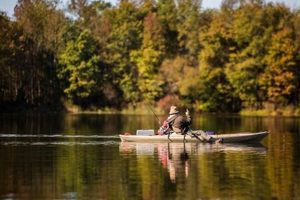
This adventurous pursuit blends the thrill of angling with the challenge of navigating kayaks in demanding environments. Imagine casting for powerful game fish from a small, human-powered vessel in open ocean waters, swift rivers, or remote, isolated lakes. This exemplifies the core concept: angling from a kayak under challenging conditions, often targeting large or elusive species.
The allure stems from the intimate connection with nature it provides, offering anglers a unique perspective and a heightened sense of accomplishment. It fosters self-reliance and demands skillful boat handling in unpredictable conditions, pushing physical and mental boundaries. Historically, kayaks have been used for fishing for millennia by indigenous cultures. The modern iteration, however, incorporates specialized equipment and techniques, reflecting advancements in kayak design, fishing gear, and navigation technology.
This article will delve into the essential aspects of this activity, covering topics such as appropriate kayak selection, specialized equipment, crucial safety considerations, effective fishing techniques, and preserving the natural environment while enjoying this demanding but rewarding sport.
Essential Tips for Demanding Kayak Angling
Preparation and awareness are paramount for success and safety in challenging kayak fishing environments. The following tips offer crucial guidance for anglers venturing into these demanding conditions.
Tip 1: Rigging for Stability: Kayak stability is crucial, especially in rough waters or when battling strong fish. Consider using outriggers or stabilizers to enhance stability, particularly for anglers new to this style of fishing.
Tip 2: Essential Safety Gear: A personal flotation device (PFD) is non-negotiable. A VHF radio, signaling devices (whistle, mirror, flares), and a first-aid kit are also critical for safety in remote locations. Inform someone of the planned fishing location and estimated return time.
Tip 3: Mastering Self-Rescue Techniques: Practice re-entering a kayak in calm water before venturing into challenging environments. Knowing how to right a capsized kayak and re-board quickly is a fundamental safety skill.
Tip 4: Navigating with Precision: A GPS and chartplotter are essential for accurate navigation, especially in open water or unfamiliar areas. Understanding tidal flows, currents, and weather patterns is also vital.
Tip 5: Specialized Tackle and Techniques: Heavy-duty rods, reels, and lines are often necessary for targeting large fish species. Anglers should familiarize themselves with appropriate fishing techniques for the targeted species and the specific environment.
Tip 6: Respecting the Environment: Practice catch-and-release whenever possible, handling fish with care to minimize stress. Properly dispose of all fishing line and other waste to preserve the natural environment.
Tip 7: Weather Awareness is Key: Continuously monitor weather forecasts before and during fishing trips. Be prepared to adjust plans or return to shore if conditions deteriorate. Wind, waves, and changing tides can significantly impact safety.
Adhering to these guidelines will significantly enhance safety and increase the likelihood of a successful and rewarding experience, allowing anglers to confidently tackle the challenges of this demanding pursuit.
By implementing these strategies, anglers can focus on the thrill of the chase while mitigating potential risks. The following section will offer a concluding perspective on the rewards and responsibilities associated with this exhilarating sport.
1. Remote Locations
The pursuit of trophy fish or unique angling experiences often leads kayak anglers to remote locations far from readily accessible shores. These isolated areas, characterized by limited access and minimal human impact, offer the potential for encounters with larger, less pressured fish populations. However, the remoteness also presents significant logistical and safety challenges. Reaching such destinations may necessitate extended paddling journeys, potentially through challenging waters, requiring careful planning, navigation skills, and self-sufficiency. For example, accessing secluded alpine lakes or navigating remote stretches of coastline requires precise navigational skills, often relying on GPS and charts, and demands the ability to handle unexpected weather changes or equipment malfunctions without immediate assistance.
The very nature of these remote locations contributes significantly to the “extreme” classification of this fishing style. The lack of immediate access to emergency services necessitates a higher level of preparedness and self-reliance. Anglers must carry essential safety equipment, including communication devices, first-aid supplies, and appropriate signaling tools. Furthermore, a thorough understanding of local weather patterns, tides, and potential hazards is essential for mitigating risks. For instance, fishing in remote river systems requires knowledge of potential rapids, strainers, or fluctuating water levels, all of which can pose serious threats if not properly anticipated and managed.
Successfully navigating these remote locations, therefore, demands a combination of advanced planning, specialized equipment, and a comprehensive understanding of the inherent risks. The allure of untouched fishing grounds and the potential for exceptional catches draws anglers to these remote areas, but careful preparation and a respect for the challenges are paramount for a safe and rewarding experience. The ability to thrive in these isolated environments distinguishes this style of fishing as truly “extreme,” pushing the boundaries of traditional angling and requiring a higher level of skill and self-sufficiency.
2. Challenging Conditions
The extreme designation in kayak fishing is often directly linked to the challenging environmental conditions anglers willingly face. These conditions, far from being deterrents, become integral to the experience, demanding advanced skills and specialized equipment. Successfully navigating these challenges distinguishes this pursuit from recreational angling and underscores the heightened sense of accomplishment it provides.
- Open Ocean Waters:
Venturing far offshore in a kayak presents unique challenges. Swells, currents, and changing weather patterns demand constant vigilance and advanced boat handling skills. Navigating through unpredictable waves and maintaining stability while battling powerful pelagic fish like tuna or marlin exemplifies the demanding nature of open ocean kayak fishing. The vastness of the ocean also amplifies the importance of safety precautions and self-rescue capabilities.
- Turbulent Rivers and Rapids:
Kayak fishing in fast-flowing rivers and rapids requires precise maneuvering and a deep understanding of river dynamics. Maneuvering through turbulent water, avoiding obstacles like rocks and strainers, and maintaining control while fighting strong river fish like salmon or trout demands specialized paddling techniques and robust equipment. The potential for capsizing and the need for swift self-rescue underscore the inherent risks.
- Extreme Weather Conditions:
Anglers pursuing this activity often intentionally seek out challenging weather conditions, such as strong winds, heavy rain, or extreme temperatures, to target specific species or experience a heightened sense of adventure. Fishing in these conditions requires specialized clothing and gear, as well as the ability to adapt quickly to changing circumstances. The physical and mental resilience needed to endure these conditions contributes to the extreme label.
- Remote and Isolated Locations:
Reaching prime fishing spots often involves navigating through difficult terrain or paddling long distances to isolated lakes, rivers, or coastal areas. These locations offer the potential for exceptional catches but also present logistical challenges and heightened safety concerns. Self-sufficiency, navigational skills, and preparedness for unexpected situations are crucial for success and survival in these remote environments.
These challenging conditions, while demanding, are central to the allure of extreme kayak fishing. They provide a unique and rewarding experience for skilled anglers seeking adventure and a deeper connection with nature. The ability to overcome these challenges, combined with the thrill of landing a trophy fish in demanding environments, solidifies the extreme classification and elevates this pursuit beyond conventional angling.
3. Specialized Equipment

Extreme kayak fishing necessitates specialized equipment designed to address the unique challenges posed by demanding environments and the pursuit of often large and powerful fish. This equipment goes beyond standard recreational fishing gear, emphasizing durability, functionality, and adaptability to enhance both safety and angling success in extreme conditions.
- Kayaks Designed for Stability and Performance:
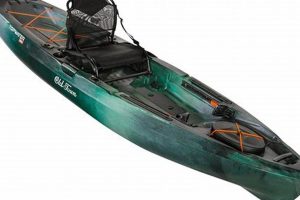
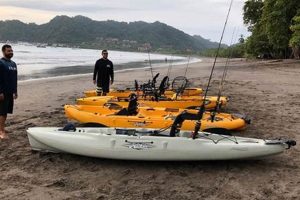
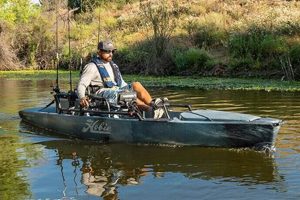
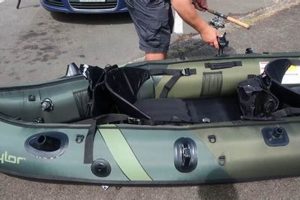
Specialized fishing kayaks often feature wider beams and flatter hulls for enhanced stability in rough waters. Sit-on-top designs are prevalent due to their self-bailing capabilities and ease of re-entry after a capsize. High-end models incorporate features like rudder systems for improved maneuverability and pedal-powered propulsion systems for hands-free fishing. These kayaks might also include integrated rod holders, tackle storage compartments, and anchor trolleys. A stable and maneuverable kayak is fundamental for navigating challenging waters and effectively battling strong fish.
- Heavy-Duty Rods, Reels, and Lines:
Targeting large, powerful fish requires robust tackle capable of withstanding extreme stress. Heavy-duty rods constructed from durable materials like graphite or fiberglass provide the strength and backbone needed to handle powerful runs and aggressive fights. High-capacity reels with strong drag systems are essential for controlling and landing these fish. Braided fishing lines, known for their high strength and low stretch, are often preferred for their sensitivity and ability to transmit subtle bites and powerful hooksets in challenging conditions.
- Safety and Navigation Equipment:
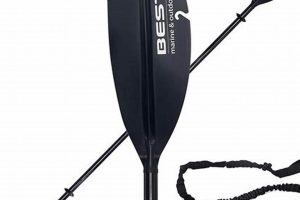
Safety is paramount in extreme kayak fishing. Essential equipment includes a personal flotation device (PFD), a VHF radio for communication, signaling devices (whistle, mirror, flares), and a well-stocked first-aid kit. A GPS unit and chartplotter are crucial for accurate navigation, especially in open water or unfamiliar areas. Other safety considerations include carrying a bilge pump, paddle leash, and a dry bag for essential items. These tools are crucial for mitigating risks and ensuring angler safety in remote and challenging environments.
- Specialized Fishing Accessories:
Extreme kayak anglers often utilize specialized accessories to enhance their fishing effectiveness. These might include anchor trolleys for controlled drift fishing, fish finders for locating fish in deep water, and specialized rod holders designed for specific fishing techniques. Drift chutes help control kayak movement in strong currents, while specialized lighting systems aid in navigating and fishing during low-light conditions. These accessories enhance efficiency and adaptability in challenging fishing scenarios.
The specialized equipment employed in extreme kayak fishing reflects the demanding nature of the sport. Each piece of equipment plays a crucial role in ensuring safety, enhancing fishing effectiveness, and enabling anglers to navigate and thrive in challenging environments. This specialized gear differentiates extreme kayak fishing from recreational angling, highlighting the importance of preparedness and the pursuit of adventure in this demanding sport. Choosing the appropriate equipment is a critical step for any angler looking to push the boundaries of traditional fishing.
4. Advanced Paddling Skills

Advanced paddling skills are fundamental to extreme kayak fishing, differentiating it from recreational angling. These skills enable navigation in challenging conditions, precise boat control for optimal fishing, and enhanced safety in remote environments. Mastery of these techniques is essential for successfully tackling the demanding scenarios inherent in this pursuit.
- Precise Boat Control:
Maintaining precise boat position is crucial for effective fishing, especially in moving water or windy conditions. Skills like bracing, eddy turns, and side-slipping allow anglers to hold position in currents, approach fishing spots stealthily, and maintain stability while fighting fish. For example, using eddy turns and current differentials to hold a kayak in a precise location behind a submerged rock allows targeted presentation of bait to likely holding areas. This level of control is often necessary for successfully targeting specific species in challenging environments.
- Efficient Propulsion and Maneuvering:
Efficient paddling techniques maximize energy conservation during long journeys and enable quick adjustments in dynamic environments. Forward paddling efficiency, combined with draw strokes, stern rudders, and other maneuvering strokes, allows anglers to navigate complex waterways, avoid obstacles, and cover greater distances effectively. Paddling efficiently against strong headwinds or maneuvering through tight channels filled with submerged debris exemplifies the practical application of these skills.
- Self-Rescue Techniques:
The ability to self-rescue is paramount in extreme kayak fishing, particularly in remote locations or challenging conditions. Mastering techniques like the Eskimo roll or re-entry and roll allows anglers to recover quickly and safely from capsizes, minimizing the risk of hypothermia or other dangers. Practicing these skills in controlled environments before venturing into challenging waters is essential for building confidence and proficiency.
- Reading Water and Understanding Currents:
Interpreting water movement is crucial for safe and effective navigation in rivers, tidal zones, and open water. Recognizing eddies, currents, and potential hazards like strainers or undercuts allows anglers to plan routes, conserve energy, and avoid dangerous situations. Understanding how wind and tides affect currents is essential for predicting water movement and making informed decisions about navigation and fishing strategy, especially in dynamic coastal environments.
These advanced paddling skills are integral to the definition of extreme kayak fishing. They provide the foundation for navigating challenging waters, accessing remote fishing grounds, and safely and effectively engaging with the demanding environments that define this adventurous pursuit. Mastery of these techniques distinguishes experienced extreme kayak anglers, enabling them to confidently explore and thrive in conditions beyond the capabilities of recreational paddlers. These skills, combined with specialized equipment and a deep understanding of the environment, are what truly define the “extreme” nature of this sport.
5. Targeting Large Species
The pursuit of large, powerful fish species is a defining characteristic of extreme kayak fishing, significantly influencing equipment choices, angling techniques, and the overall experience. This pursuit elevates the challenge and excitement, demanding specialized gear and advanced skills to successfully hook, fight, and land these impressive specimens. The inherent risks associated with battling large fish from a small, relatively unstable platform contribute to the “extreme” classification, demanding a heightened awareness of safety and a calculated approach to each encounter.
- Increased Physical Demands:
Battling large fish like marlin, tuna, or giant trevally from a kayak presents a significant physical challenge. These powerful creatures test an angler’s strength, endurance, and technique. The fight can be prolonged, requiring sustained effort and skillful manipulation of the kayak to maintain control and avoid capsizing. Successfully landing a large fish from a kayak is a testament to the angler’s physical prowess and angling expertise.
- Specialized Tackle and Techniques:
Targeting large species necessitates specialized heavy-duty tackle designed to withstand extreme stress. High-strength rods, reels with robust drag systems, and heavy-duty fishing lines are essential for handling these powerful fish. Specialized fishing techniques, such as using heavy drag settings, employing specific fighting maneuvers, and understanding fish behavior, are crucial for successfully hooking and landing large specimens without damaging equipment or compromising angler safety.
- Enhanced Risk Management:
The inherent risks associated with targeting large species from a kayak require heightened awareness and careful planning. The potential for capsizing, equipment failure, or injury increases significantly when battling powerful fish. Anglers must meticulously assess environmental conditions, utilize appropriate safety gear, and employ calculated fishing strategies to mitigate these risks. A clear understanding of self-rescue techniques is crucial in case of capsize or other unforeseen events.
- Heightened Thrill and Accomplishment:
Successfully landing a large fish from a kayak offers an unparalleled sense of accomplishment. The combination of physical exertion, strategic angling, and the inherent challenges of the environment amplifies the thrill of the catch. This heightened sense of achievement is a significant driving force behind the pursuit of large species in extreme kayak fishing, pushing anglers to test their limits and seek out ever-greater challenges.
The pursuit of large species is integral to the allure and definition of extreme kayak fishing. It elevates the sport beyond recreational angling, demanding not only specialized equipment and advanced skills but also a heightened awareness of risk management and a deep respect for the power and resilience of these impressive creatures. The physical demands, the strategic challenges, and the ultimate reward of landing a trophy fish combine to create an unforgettable experience that defines the extreme nature of this pursuit.
6. Self-Sufficiency
Self-sufficiency is paramount in extreme kayak fishing, where anglers often venture into remote locations far from immediate assistance. This reliance on one’s own skills and resources is a defining characteristic of the sport, distinguishing it from more conventional angling practices and underscoring the importance of preparedness and adaptability. The ability to handle unforeseen circumstances independently is crucial for both success and safety in these demanding environments.
- Equipment Maintenance and Repair:
In remote locations, the ability to perform basic equipment repairs can be crucial. Carrying essential tools and possessing the knowledge to fix a broken paddle, repair a damaged kayak, or address a malfunctioning reel can prevent a minor mishap from becoming a major emergency. A snapped paddle far from shore, for instance, could have serious consequences without the ability to effect a temporary repair.
- Navigation and Route Planning:
Accurate navigation is essential in extreme kayak fishing, particularly when exploring unfamiliar waters or navigating in challenging conditions. Proficiency in using GPS, charts, and compass, combined with the ability to interpret weather patterns and tides, allows anglers to plan safe and effective routes and respond to changing conditions independently. Losing one’s bearings in dense fog or encountering unexpected strong currents necessitates confident and independent navigation skills.
- First Aid and Emergency Preparedness:
The ability to administer basic first aid is vital in remote environments where medical assistance may be hours or even days away. Carrying a comprehensive first-aid kit and possessing the knowledge to treat common injuries, such as cuts, sprains, or exposure-related ailments, can be critical for maintaining safety and well-being. A fish hook injury or a minor laceration sustained far from help requires immediate and effective self-treatment.
- Resourcefulness and Problem-Solving:
Extreme kayak fishing often presents unexpected challenges, demanding resourcefulness and adaptability. The ability to improvise solutions, adapt to changing conditions, and maintain a calm demeanor under pressure is essential for overcoming obstacles and ensuring a safe and successful outcome. Encountering unexpected severe weather or navigating through uncharted waters requires quick thinking and the ability to improvise solutions with limited resources.
These facets of self-sufficiency are interconnected and essential for anyone undertaking extreme kayak fishing expeditions. The ability to handle equipment malfunctions, navigate effectively, administer basic first aid, and solve problems independently distinguishes extreme kayak anglers, enabling them to confidently explore remote locations and thrive in challenging conditions. This self-reliance enhances not only the angling experience but also contributes significantly to safety in these demanding environments, reinforcing the crucial link between self-sufficiency and the “extreme” nature of this pursuit.
7. Heightened Risk Management

Heightened risk management is inseparable from extreme kayak fishing. The inherent dangers of navigating remote waterways, challenging weather conditions, and battling powerful fish necessitate a proactive and comprehensive approach to safety. Unlike recreational angling closer to shore, extreme kayak fishing requires meticulous planning and constant vigilance to mitigate potential hazards and ensure angler well-being. This heightened awareness distinguishes the sport, demanding a more serious approach to safety protocols and a deeper understanding of the potential consequences of miscalculation or inadequate preparation.
The remoteness often associated with extreme kayak fishing amplifies the importance of risk management. In isolated locations, access to emergency services is limited or non-existent, placing greater responsibility on the angler for self-rescue and survival. A capsize in cold water miles from shore, for example, presents a life-threatening situation demanding immediate and effective self-rescue. Similarly, encountering unexpected severe weather far from shelter necessitates preemptive action and reliance on pre-packed survival gear. Such scenarios underscore the importance of thorough planning, comprehensive safety equipment, and practiced emergency procedures. Carrying a VHF radio, signaling devices, a first-aid kit, and extra layers of clothing becomes not merely recommended, but essential for survival. Understanding weather patterns, tidal flows, and potential navigational hazards is crucial for preemptive risk mitigation. The potential consequences of inadequate preparation in these remote environments are far more severe, transforming risk management from a precautionary measure to a critical element of survival.
Effective risk management in extreme kayak fishing demands continuous assessment and adaptation. Environmental conditions can change rapidly, requiring anglers to constantly evaluate factors like wind speed, wave height, current strength, and approaching weather systems. The decision to continue fishing, adjust location, or return to shore depends on this ongoing assessment and the angler’s ability to recognize potential hazards before they escalate. This dynamic risk assessment, coupled with a conservative approach prioritizing safety over the pursuit of fish, distinguishes experienced extreme kayak anglers. Ultimately, heightened risk management is not merely a set of procedures but a mindset that prioritizes safety and preparedness, enabling anglers to confidently navigate the inherent challenges of extreme kayak fishing while minimizing potential dangers. This proactive approach, combined with thorough planning and a realistic understanding of the environment, is crucial for transforming potential hazards into manageable risks, ensuring a safe and rewarding experience in this demanding pursuit.
Frequently Asked Questions
This FAQ section addresses common inquiries regarding the demanding sport of extreme kayak fishing, providing concise and informative responses to clarify potential misconceptions and highlight key safety considerations.
Question 1: What differentiates extreme kayak fishing from recreational kayak angling?
Extreme kayak fishing distinguishes itself through the pursuit of fish in challenging environments, often remote and demanding advanced paddling skills and specialized equipment. It involves heightened risk management due to the inherent dangers of navigating unpredictable waters and targeting large, powerful fish species far from immediate assistance. This contrasts with recreational angling, which typically occurs in calmer, more accessible locations with less emphasis on specialized gear and advanced techniques.
Question 2: What are the essential safety precautions for extreme kayak fishing?
Essential safety precautions include wearing a personal flotation device (PFD), carrying a VHF radio, signaling devices (whistle, mirror, flares), and a well-stocked first-aid kit. Informing someone of the planned fishing location and estimated return time is crucial, as is continuously monitoring weather forecasts and understanding local water conditions. Practicing self-rescue techniques in calm water before venturing into challenging environments is also essential.
Question 3: What specialized equipment is recommended for this demanding angling style?
Specialized equipment includes a kayak designed for stability and performance in rough conditions, heavy-duty rods and reels capable of handling large fish, and high-strength fishing lines. Essential safety gear includes a PFD, VHF radio, signaling devices, and a first-aid kit. Navigation tools like a GPS and chartplotter, along with specialized fishing accessories like anchor trolleys and drift chutes, further enhance safety and effectiveness.
Question 4: How can one develop the necessary paddling skills for extreme kayak fishing?
Developing advanced paddling skills requires practice and instruction. Taking kayaking courses focusing on maneuvering, self-rescue techniques, and navigating in challenging conditions is highly recommended. Regular practice in various water conditions, progressively increasing the difficulty level, helps build confidence and proficiency. Joining local paddling clubs or seeking guidance from experienced kayak anglers can provide valuable mentorship and practical experience.
Question 5: What are the primary risks associated with extreme kayak fishing, and how can they be mitigated?
Primary risks include capsizing in rough waters, encountering unexpected severe weather, equipment failure, and injuries from handling large fish or navigating challenging terrain. Mitigation strategies involve meticulous planning, continuous risk assessment, carrying appropriate safety gear, and practicing self-rescue techniques. A thorough understanding of local water conditions, weather patterns, and potential hazards is crucial for minimizing risks.
Question 6: What conservation considerations are relevant to extreme kayak fishing?
Practicing catch-and-release whenever possible helps preserve fish populations. Handling fish with care minimizes stress and increases their chances of survival after release. Proper disposal of all fishing line and other waste is essential for protecting the aquatic environment. Respecting local regulations and minimizing disturbance to wildlife habitats are crucial components of responsible angling.
Careful consideration of these frequently asked questions, coupled with thorough preparation and a respect for the inherent challenges, contributes significantly to a safer and more rewarding experience in the demanding sport of extreme kayak fishing.
This concludes the FAQ section. The following section will offer a deeper exploration into advanced techniques for extreme kayak fishing.
Extreme Kayak Fishing
Extreme kayak fishing represents a demanding yet rewarding pursuit, pushing the boundaries of traditional angling. This exploration has highlighted the multifaceted nature of the sport, emphasizing the critical interplay of specialized equipment, advanced paddling skills, heightened risk management, and a deep respect for the environment. Successfully navigating challenging conditions, targeting large species in remote locations, and embracing the principles of self-sufficiency define this adventurous pursuit, setting it apart from recreational angling. The discussion encompassed essential safety precautions, specialized gear recommendations, and the importance of continuous risk assessment in dynamic environments. The significance of conservation practices and responsible angling within this demanding framework was also underscored, emphasizing the need for environmental stewardship.
The future of extreme kayak fishing hinges on the continued prioritization of safety, responsible angling practices, and a commitment to preserving the pristine environments that define this pursuit. As the sport evolves, advancements in kayak design, fishing technology, and safety equipment will likely enhance both the accessibility and the challenges of extreme kayak fishing. However, the core principles of self-reliance, skillful navigation, and a deep respect for the natural world will remain essential for ensuring the long-term sustainability and continued allure of this demanding but rewarding sport. The pursuit encourages exploration, challenges personal limits, and fosters a profound connection with the natural world, offering a unique and exhilarating experience for those willing to embrace its inherent demands and rewards.