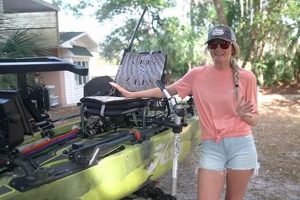
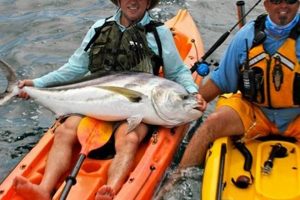
The sport of angling from a small, human-powered watercraft offers unique opportunities in the coastal waters of Virginia Beach. This method allows access to shallow-water habitats often inaccessible to larger vessels, providing anglers with diverse fishing experiences. For example, exploring the Back Bay National Wildlife Refuge or the Lynnhaven Inlet offers productive fishing grounds for various species.
This activity contributes to the local economy through tourism and supports conservation efforts by promoting responsible use of natural resources. The calm waters and diverse ecosystems of the area have historically attracted anglers, and the evolution of specialized equipment has enhanced the experience, allowing for greater accessibility and a more intimate connection with the environment. This method of fishing provides a sustainable and enjoyable way to appreciate the region’s natural beauty.
The following sections will delve into specific aspects, including popular target species, recommended equipment, ideal launch locations, and responsible fishing practices for this unique pursuit in the Virginia Beach area.
Tips for Kayak Fishing in Virginia Beach
Careful planning and preparation contribute significantly to a successful and enjoyable fishing experience from a kayak in Virginia Beach. The following tips offer guidance for anglers of all skill levels.
Tip 1: Check Weather and Tide Charts: Wind, tides, and currents significantly impact kayak handling. Consulting forecasts before departure is crucial for safety and efficient navigation.
Tip 2: Choose Appropriate Gear: Selecting a kayak designed for stability and fishing functionality is essential. Rod holders, storage compartments, and comfortable seating enhance the experience. Consider using a fish finder and GPS unit for improved navigation.
Tip 3: Prioritize Safety: Wearing a personal flotation device is paramount. Carrying a whistle, signaling devices, and a first-aid kit ensures preparedness for emergencies. Informing someone of intended fishing locations and estimated return times is highly recommended.
Tip 4: Respect Wildlife and the Environment: Adhering to catch and release guidelines, minimizing disturbance to wildlife habitats, and properly disposing of waste preserves the natural beauty of the area.
Tip 5: Understand Local Regulations: Familiarization with Virginia fishing regulations, including licensing requirements and size limits for specific species, ensures legal compliance.
Tip 6: Employ Effective Fishing Techniques: Utilizing appropriate tackle and lures for target species enhances fishing success. Researching popular local fishing spots and techniques increases the chances of a productive outing.
Tip 7: Pack Essential Supplies: Bringing ample water, sunscreen, and insect repellent enhances comfort and protects against the elements. A dry bag safeguards electronic devices and other valuables from water damage.
Adhering to these guidelines promotes a safe, rewarding, and environmentally responsible experience. Preparation and awareness enhance enjoyment and contribute to the preservation of the coastal ecosystem.
By following these tips, anglers can maximize their chances of a successful and memorable outing on the waters of Virginia Beach.
1. Launch Locations

Launch location selection significantly influences kayak fishing success in Virginia Beach. Factors such as target species, prevailing conditions, and angler experience determine optimal launch points. Accessing shallow-water habitats like those found in Back Bay National Wildlife Refuge requires launching from designated areas within the refuge or from nearby public boat ramps. Targeting nearshore species off the oceanfront requires launching from beaches with appropriate access and considering surf conditions. Choosing a location aligned with fishing goals and skill level maximizes efficiency and safety.
For example, launching from First Landing State Park provides access to sheltered waters ideal for beginners, while experienced anglers seeking larger game fish might opt for Rudee Inlet, offering access to deeper offshore waters. Understanding the nuances of each location, including parking availability, fees, and potential hazards, contributes to a seamless and productive fishing experience. Researching tides and currents specific to each launch point is crucial for successful navigation and efficient fishing.
Strategic launch location selection optimizes access to desired fishing grounds and enhances overall angling success. Considering factors like water depth, proximity to target species, and prevailing environmental conditions ensures efficient use of fishing time and contributes to a safe and rewarding experience. Careful planning and informed decision-making regarding launch points are integral components of successful kayak fishing in Virginia Beach.
2. Target Species
The diverse ecosystems of Virginia Beach offer kayak anglers a wide array of target species. Understanding the habits and preferred habitats of these fish is crucial for successful angling. Choosing appropriate tackle and techniques based on the target species enhances fishing efficiency and increases the likelihood of a successful catch. The following list highlights some popular targets and their characteristics.
- Flounder
These flatfish inhabit sandy or muddy bottoms, often camouflaging themselves against the seabed. Anglers typically target flounder using light tackle and live bait or lures that mimic small fish or crustaceans. Drifting across shallow flats or along channel edges is a common tactic. Their subtle movements and excellent camouflage make them a challenging yet rewarding target.
- Speckled Trout
Speckled trout, prized for their fighting ability and delicate flavor, inhabit grassy flats, oyster beds, and tidal creeks. Light to medium tackle with lures resembling small baitfish or shrimp proves effective. Targeting areas with structure or current breaks increases the likelihood of encountering these elusive predators. Their aggressive strikes and spirited runs make them a favorite among anglers.
- Striped Bass
These powerful fish migrate through Virginia Beach waters, offering exciting opportunities for kayak anglers. Targeting striped bass requires heavier tackle and lures that mimic larger baitfish. Trolling or casting near structures like bridges or inlets proves effective. Their size and strength provide a thrilling challenge for anglers.
- Red Drum
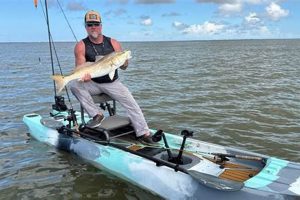
Red drum, also known as redfish, inhabit shallow grassy flats, oyster bars, and inlets. Anglers target them using medium to heavy tackle with lures or bait that imitate crabs, shrimp, or small fish. Their powerful runs and acrobatic displays make them a popular game fish. Understanding their feeding patterns and preferred habitats is key to success.
Matching fishing techniques and tackle to the specific target species significantly enhances angling success in Virginia Beach. Understanding the habitat preferences and feeding behaviors of these fish allows anglers to strategically select locations and employ effective fishing strategies. The diverse range of species available provides ample opportunities for a rewarding kayak fishing experience, from the subtle pursuit of flounder to the exhilarating battle with a striped bass.
3. Essential Gear

Appropriate gear selection significantly impacts safety and success while kayak fishing in Virginia Beach. Specialized equipment caters to the unique demands of this activity, enhancing both angler comfort and fishing effectiveness. The following essential gear contributes to a productive and enjoyable experience.
- Paddle/PFD
A properly sized paddle and a well-fitting personal flotation device (PFD) are paramount for safety and efficient kayak maneuvering. Paddle length should correspond to angler height and kayak width. A comfortable and properly secured PFD ensures buoyancy and visibility in the event of an emergency. These fundamental items prioritize angler safety on the water.
- Rods and Reels
Selecting appropriate rods and reels depends on target species and fishing techniques. Light to medium-weight spinning or baitcasting combos suffice for species like flounder and speckled trout. Heavier tackle is necessary for larger game fish like striped bass or red drum. Rod holders securely mount rods to the kayak, freeing hands for paddling and other tasks. Matching rod and reel combinations to target species optimizes fishing effectiveness.
- Tackle and Lures
A selection of lures and terminal tackle appropriate for local species is essential. Jigs, soft plastics, and topwater lures prove effective for various inshore species. Live bait, such as shrimp or minnows, can also enhance fishing success. Storing tackle in a waterproof container maintains organization and protects it from the elements. Having a diverse range of tackle options allows anglers to adapt to changing fishing conditions and target specific species effectively.
- Safety and Navigation Equipment
Essential safety equipment includes a whistle, signaling device, first-aid kit, and a waterproof communication device. A fish finder and GPS unit enhance navigation and aid in locating productive fishing spots. Carrying a dry bag protects electronic devices and other valuables from water damage. Prioritizing safety equipment ensures preparedness for unforeseen circumstances and enhances overall angler well-being.
Careful consideration of essential gear ensures preparedness, enhances safety, and maximizes fishing success in the Virginia Beach environment. Prioritizing appropriate equipment contributes to a more enjoyable and productive kayak fishing experience, allowing anglers to focus on the sport while remaining safe and well-equipped on the water. The specific gear requirements may vary depending on target species, fishing location, and individual preferences, highlighting the importance of informed gear selection.
4. Safety Precautions

Safe practices are paramount for kayak fishing in Virginia Beach, ensuring angler well-being and fostering responsible enjoyment of the natural environment. The inherent risks associated with on-water activities necessitate careful planning and adherence to established safety guidelines. Understanding and implementing these precautions contribute significantly to a positive and incident-free experience.
- Personal Flotation Devices (PFDs)
Wearing a U.S. Coast Guard-approved PFD is non-negotiable. PFDs provide essential buoyancy in the event of capsizing or unexpected immersion, significantly increasing the chances of survival. Selecting a comfortable, well-fitting PFD and ensuring proper fastening is crucial for optimal effectiveness. Even experienced swimmers benefit from the added safety and peace of mind provided by consistent PFD usage.
- Weather Awareness
Checking marine weather forecasts before embarking on a kayak fishing trip is essential. Sudden changes in wind speed, wave height, or precipitation can create hazardous conditions for small watercraft. Postponing trips during adverse weather demonstrates prudent judgment and prioritizes angler safety. Monitoring weather conditions throughout the outing allows for timely adjustments to plans and ensures preparedness for changing circumstances.
- Navigation and Communication
Carrying a waterproof chart, compass, or GPS device aids navigation, particularly in unfamiliar waters or areas with limited visibility. A charged mobile phone in a waterproof case allows communication in case of emergencies. Informing someone onshore of intended fishing locations and estimated return times provides an additional layer of safety and ensures timely assistance if needed. Familiarity with local navigation markers and regulations further enhances safe navigation.
- Emergency Preparedness
Carrying a basic first-aid kit, signaling devices (such as a whistle or flares), and a bilge pump or bailing device prepares anglers for potential emergencies. Knowledge of basic first-aid procedures and self-rescue techniques enhances preparedness and promotes self-sufficiency in the event of an incident. Regularly inspecting and maintaining safety equipment ensures proper functionality when needed.
Prioritizing these safety precautions ensures responsible engagement with the Virginia Beach waters and contributes significantly to a positive and secure kayak fishing experience. Consistent adherence to safety guidelines minimizes risks, promotes angler well-being, and fosters a culture of responsible enjoyment of the coastal environment. Careful planning and preparation, combined with a proactive approach to safety, enhance the overall kayak fishing experience and allow anglers to focus on the sport with peace of mind.
5. Local Regulations
Adherence to local regulations is essential for responsible kayak fishing in Virginia Beach. These regulations, established by the Virginia Marine Resources Commission (VMRC), aim to preserve fish populations, protect sensitive habitats, and ensure safe navigation. Specific regulations govern licensing requirements, catch limits, size restrictions for certain species, and permitted fishing gear. Ignoring these regulations can result in fines, confiscation of equipment, and suspension of fishing privileges. For instance, exceeding the catch limit for flounder or failing to possess a valid Virginia saltwater fishing license carries significant penalties. Understanding and complying with these rules ensures the sustainability of the fishery and preserves the ecological balance of the coastal environment.
Regulations also address specific areas designated for conservation or restricted access, such as Back Bay National Wildlife Refuge. These areas often have unique rules regarding permitted activities, including fishing limitations designed to protect sensitive ecosystems and wildlife. For example, motorized vessels may be prohibited in certain zones within the refuge to minimize disturbance to nesting birds. Anglers must be aware of and respect these specific regulations to avoid unintentional violations and contribute to the preservation of these valuable natural resources. Consulting the VMRC website or contacting local authorities provides access to up-to-date information on specific regulations applicable to different areas within Virginia Beach.
Compliance with local regulations reflects responsible angling practices and demonstrates respect for the environment. Familiarization with and adherence to these rules ensures the long-term health of fish populations and protects the delicate balance of the Virginia Beach coastal ecosystem. Responsible anglers contribute to the sustainability of the fishery and preserve the natural resources for future generations. By understanding and respecting local regulations, kayak anglers play a vital role in maintaining the integrity of this valuable coastal environment.
6. Kayak Selection
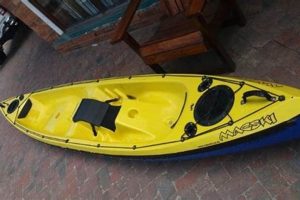
Appropriate kayak selection significantly influences the overall experience of kayak fishing in Virginia Beach. Choosing a kayak suited to the local conditions and angler needs enhances safety, improves fishing efficiency, and maximizes enjoyment on the water. Factors such as stability, storage capacity, and maneuverability play crucial roles in determining the optimal kayak for individual preferences and target fishing locations. Careful consideration of these factors ensures a compatible vessel for navigating the diverse waterways of Virginia Beach.
- Stability
Kayak stability is paramount, especially when fishing in open water or areas with boat traffic. Wider kayaks generally offer greater stability, reducing the likelihood of capsizing, particularly when casting, reeling, or landing fish. Stability becomes increasingly important in challenging conditions such as wind or choppy water. A stable platform allows anglers to focus on fishing without constantly worrying about balance, enhancing both safety and enjoyment.
- Storage Capacity
Ample storage space is crucial for accommodating fishing gear, tackle boxes, safety equipment, and personal items. Kayaks designed specifically for fishing often feature built-in rod holders, dry storage compartments, and bungee cord rigging for securing gear. Adequate storage capacity ensures easy access to essential equipment and keeps belongings organized and protected from the elements. Efficient organization contributes to a more streamlined and productive fishing experience.
- Maneuverability
Kayak maneuverability impacts navigation and accessibility to shallow-water fishing spots. Shorter kayaks generally turn more easily, enabling navigation through narrow creeks and inlets. Longer kayaks track better in open water, providing greater speed and efficiency over longer distances. The choice between maneuverability and tracking depends on the specific fishing locations and target species. Selecting a kayak with appropriate maneuverability characteristics maximizes access to desired fishing areas.
- Propulsion System
Kayak propulsion systems influence speed, range, and effort required for navigating Virginia Beach waters. Paddle kayaks offer excellent exercise and allow for quiet, stealthy approach to fishing areas, while pedal-powered kayaks and motorized kayaks cover greater distances with less physical exertion. The choice of propulsion system depends on individual preferences, physical capabilities, and the distances typically covered during fishing trips. Considering the type of water and fishing environment is also crucial; paddle kayaks are often preferred in shallow, protected areas, whereas pedal or motor drives can be advantageous in larger bodies of water or when covering longer distances.
Selecting an appropriate kayak significantly impacts fishing success and overall enjoyment on the waters of Virginia Beach. Balancing stability, storage capacity, maneuverability, and propulsion system ensures a compatible vessel that meets individual angler needs and facilitates access to diverse fishing locations. Choosing a kayak well-suited to the local environment allows anglers to focus on the sport and enjoy a safe, comfortable, and productive fishing experience.
Frequently Asked Questions about Kayak Fishing in Virginia Beach
This section addresses common inquiries regarding kayak fishing in Virginia Beach, providing concise and informative responses to facilitate informed decision-making and enhance angler preparedness.
Question 1: What are the most productive areas for kayak fishing in Virginia Beach?
Productive areas include Back Bay National Wildlife Refuge, Lynnhaven Inlet, Rudee Inlet, and the nearshore waters along the oceanfront. Specific location choice depends on target species and angler experience.
Question 2: Are there specific license requirements for kayak fishing in Virginia Beach?
A valid Virginia saltwater fishing license is required for anglers aged 16 and older. Specific regulations regarding license exemptions and requirements for certain species should be confirmed with the Virginia Marine Resources Commission (VMRC).
Question 3: What safety precautions should one take when kayak fishing in Virginia Beach?
Essential safety precautions include wearing a personal flotation device (PFD), checking weather forecasts before departure, carrying communication devices, informing someone of fishing plans, and carrying a first-aid kit.
Question 4: What type of kayak is best suited for fishing in Virginia Beach waters?
Kayak choice depends on individual needs and fishing locations. Stable sit-on-top kayaks with ample storage space are generally preferred. Specific features like rod holders and anchor trolleys enhance fishing functionality.
Question 5: What are common target species for kayak anglers in Virginia Beach?
Common target species include flounder, speckled trout, striped bass, red drum, and various other inshore species. Target species influence tackle and location choices.
Question 6: Are there guided kayak fishing tours available in Virginia Beach?
Numerous local outfitters offer guided kayak fishing tours, providing expert instruction, equipment rentals, and access to productive fishing areas. Guided tours benefit anglers unfamiliar with the local waters or those seeking a more structured experience.
Understanding these commonly addressed topics provides a foundation for planning a successful and enjoyable kayak fishing excursion in Virginia Beach. Thorough preparation and adherence to safety regulations contribute to a positive experience on the water.
Further exploration of specific topics related to kayak fishing in Virginia Beach follows in subsequent sections.
Conclusion
This exploration of angling from a kayak in the Virginia Beach area has highlighted key aspects contributing to a successful and fulfilling experience. Factors such as strategic launch site selection, understanding target species behavior, appropriate gear utilization, adherence to safety protocols, and compliance with local regulations contribute significantly to angler success and overall enjoyment. Careful consideration of kayak selection, balancing stability and maneuverability with storage capacity, further enhances the on-water experience. Understanding the interplay of these elements allows for efficient preparation and promotes responsible engagement with the coastal environment.
The unique opportunities offered by this pursuit extend beyond mere sport. It fosters a deeper appreciation for the natural beauty and ecological diversity of the Virginia Beach coastal region. Continued exploration of these waters, coupled with responsible fishing practices, ensures the preservation of this valuable resource for future generations of anglers. Engaging with the local angling community and supporting conservation efforts further strengthens the bond between anglers and the environment they cherish.