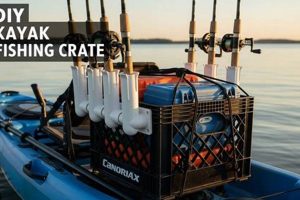
A stable, elevated surface designed for anglers in kayaks provides a dedicated space for casting, reeling, and landing fish. This structure can be integrated into the kayak’s design or added as an aftermarket accessory, often featuring specialized mounts for fishing rods, electronics, and other gear. Imagine a dedicated workstation tailored for angling, seamlessly incorporated into a small watercraft.
Such structures offer significant advantages for anglers. Improved stability and a higher vantage point enhance casting accuracy and visibility. Dedicated space for gear and accessories optimizes organization and efficiency, allowing anglers to focus on the task at hand. Historically, kayak fishing involved adapting general-purpose kayaks with limited space and stability. The development of specialized elevated surfaces marked a significant advancement, transforming the sport and enabling greater success and enjoyment.
This foundation allows for exploration of various aspects of angling from small watercraft. Topics such as stability enhancements, material construction, popular designs, and the impact on fishing techniques warrant further investigation.
Tips for Enhanced Stability and Fishing Success
Optimizing the use of an angler-specific elevated surface on a kayak involves careful consideration of several factors. These tips aim to improve stability, enhance fishing effectiveness, and ensure a safe and enjoyable experience.
Tip 1: Weight Distribution: Evenly distribute weight across the elevated surface, avoiding excessive leaning or sudden movements. Centering body weight over the kayak’s centerline contributes significantly to balance and stability. Consider the placement of gear and equipment to maintain equilibrium.
Tip 2: Secure Gear: Utilize straps, clips, and designated storage areas to secure all fishing gear. Loose equipment can shift unexpectedly, compromising balance or creating entanglement hazards. A well-organized workspace minimizes distractions and maximizes efficiency.
Tip 3: Practice Casting: Before venturing into open water, practice casting techniques on land or in calm, shallow areas. Familiarization with casting motions and weight distribution on the elevated surface improves accuracy and prevents accidental imbalances.
Tip 4: Choose Appropriate Conditions: Select calm water conditions, especially when initially gaining experience. Strong winds, currents, and choppy water can present challenges, particularly for those new to using specialized kayak structures. Gradually progress to more demanding conditions as proficiency increases.
Tip 5: Regular Inspection: Regularly inspect the structural integrity of the platform, paying attention to any signs of wear, loose components, or damage. Ensure all fasteners are secure and address any maintenance needs promptly. Regular maintenance promotes safety and prolongs the lifespan of the equipment.
Tip 6: Understand Weight Capacity: Adhere to the manufacturer’s specified weight capacity for the kayak and the platform. Exceeding the recommended limit compromises stability and increases the risk of capsizing. Consider the combined weight of the angler, gear, and any potential catch.
Tip 7: Appropriate Attire: Wear appropriate attire, including a personal flotation device (PFD) and clothing suited to the weather conditions. Safety should always be a primary concern. Non-slip footwear enhances stability on the elevated surface.
By adhering to these guidelines, anglers can maximize the benefits of these specialized kayak features, promoting a safe, stable, and productive fishing experience. Proper preparation and mindful practices contribute significantly to success on the water.
These practical tips provide a framework for optimizing fishing experiences. Further exploration into specific techniques, equipment choices, and safety procedures will further enhance angling proficiency from these specialized watercraft.
1. Stability

Stability forms the cornerstone of effective kayak fishing. A stable platform allows anglers to focus on fishing, rather than constantly battling to maintain balance. This is particularly crucial when standing to cast, fight fish, or navigate challenging water conditions. The following facets explore the key components contributing to platform stability.
- Center of Gravity
A low center of gravity enhances stability. Platforms positioned closer to the waterline contribute to a more stable feel. Consider a traditional canoe versus a kayak; the lower profile of the kayak inherently offers greater stability. Similarly, a lower platform on a kayak minimizes the tendency to tip. This is crucial when standing or making dynamic movements during the fishing process.
- Platform Width and Length
A wider and longer platform generally provides a more stable base. Increased surface area distributes the angler’s weight over a larger area, reducing the impact of shifting weight or external forces. Imagine balancing on a beam versus a wide plank. The greater surface area of the plank provides inherently more stability. This principle applies directly to platform design for enhanced fishing stability.
- Kayak Hull Design
The kayak’s hull design significantly influences overall stability. Wider, flatter hulls provide primary stability, resisting initial tipping. Longer, narrower hulls offer secondary stability, recovering more readily from larger leans. The interaction between hull design and platform characteristics must be considered for optimal performance. A stable platform on an unstable hull provides limited overall benefit. Conversely, a well-designed platform can enhance the inherent stability characteristics of the kayak hull.
- Weight Distribution
Proper weight distribution on the platform itself plays a crucial role. Evenly distributing weight across the platform, avoiding excessive leaning or sudden movements, is essential for maintaining balance. Imagine carrying a heavy backpack; distributing the weight evenly across both shoulders improves stability. This same principle applies to gear placement and body position on the fishing platform. Careful attention to weight distribution enhances stability and overall control.
These elements work in concert to determine the overall stability of a kayak fishing platform. Understanding their interplay allows anglers to make informed decisions regarding platform selection and usage, maximizing both comfort and effectiveness on the water. A stable platform translates to improved casting accuracy, safer fish handling, and greater confidence in challenging conditions, ultimately enhancing the overall fishing experience.
2. Material Construction

Material selection significantly influences the performance, durability, and overall utility of a kayak fishing platform. The chosen material dictates factors such as weight capacity, resistance to environmental factors, and maintenance requirements. Understanding the properties of various materials allows for informed decisions aligned with individual angling needs and preferences. The following facets delve into the characteristics of common materials employed in platform construction.
- High-Density Polyethylene (HDPE)
HDPE offers a robust combination of durability, affordability, and UV resistance. Commonly used in kayak hulls, HDPE translates well to platform construction, providing a rigid and stable surface capable of withstanding impacts and exposure to the elements. Think of the resilience of plastic milk jugs; HDPE exhibits similar toughness, making it well-suited for demanding on-the-water applications. Its lightweight nature further contributes to overall kayak performance.
- Aluminum
Aluminum provides high strength and rigidity, making it suitable for platforms requiring substantial weight-bearing capacity. Its resistance to corrosion makes it ideal for saltwater environments. Similar to its use in aircraft construction, aluminum offers a strong yet lightweight solution for kayak platforms. However, aluminum conducts heat more readily than other materials, potentially becoming uncomfortably hot or cold in extreme temperatures. This factor warrants consideration based on typical fishing conditions.
- Composites (Fiberglass, Carbon Fiber)
Composite materials, such as fiberglass or carbon fiber, offer superior strength-to-weight ratios. While generally more expensive, these materials allow for the creation of lightweight, high-performance platforms. Similar to their use in high-performance bicycles or racing cars, composites offer exceptional strength and rigidity in a lightweight package. This translates to enhanced kayak maneuverability and responsiveness. However, composites can be more susceptible to damage from impacts compared to HDPE.
- Wood (Marine-Grade Plywood, Cedar)
Wood, particularly marine-grade plywood or naturally rot-resistant species like cedar, offers a classic aesthetic and can be readily customized. While requiring regular maintenance and sealing to prevent water damage, wood provides a stable and comfortable surface. Think of traditional wooden boatbuilding; similar principles apply to platform construction. Wood offers a natural, aesthetically pleasing option, but requires diligent upkeep to ensure longevity in a marine environment.
Material selection impacts not only the platform’s structural integrity and lifespan but also influences the overall fishing experience. Balancing factors such as cost, durability, weight, and maintenance requirements allows anglers to select the most appropriate material for their specific needs and fishing style. Careful consideration of material properties ensures a platform that complements the kayak and enhances overall angling performance.
3. Customization Options
Tailoring a kayak fishing platform to individual needs and preferences significantly enhances its functionality and overall effectiveness. Customization options allow anglers to optimize their workspace, integrating specialized equipment and accessories to create a personalized fishing machine. This adaptability transforms a standard platform into a purpose-built angling tool, maximizing efficiency and enjoyment on the water.
- Rod Holders
Integrated rod holders provide secure storage for fishing rods, freeing up hands for other tasks like paddling, landing fish, or operating electronics. Various rod holder designs accommodate different fishing styles and rod types. Consider fly fishing versus trolling; each requires specific rod placement and accessibility. Customizable rod holder placement optimizes workflow and minimizes entanglement risks.
- Electronics Mounts
Mounting electronics, such as fish finders, GPS units, or sonar transducers, directly onto the platform provides crucial real-time information and navigational assistance. Secure and accessible placement enhances situational awareness and improves fishing success. Imagine a pilot’s instrument panel; readily available data informs decision-making. Similarly, strategically positioned electronics on a fishing platform provide anglers with the information needed for effective fishing.
- Gear Tracks and Attachment Points
Gear tracks and other attachment points offer versatile mounting options for various accessories, including cameras, lights, tool holders, and tackle boxes. This modularity allows anglers to configure their platforms to suit specific fishing scenarios. Think of a carpenter’s tool belt; readily accessible tools enhance efficiency. Similarly, gear tracks and attachment points provide a flexible system for organizing and accessing essential fishing equipment.
- Storage Solutions
Integrated storage compartments, such as tackle boxes or dry bags, maximize space utilization and keep essential gear organized and protected. Efficient storage promotes a clutter-free platform, enhancing both safety and fishing effectiveness. Consider a chef’s organized kitchen; readily accessible ingredients streamline the cooking process. Similarly, well-designed storage solutions on a fishing platform keep essential gear within easy reach, maximizing efficiency and minimizing distractions.
These customization options illustrate the potential for transforming a standard kayak fishing platform into a personalized and highly effective angling workstation. The ability to tailor the platform to individual needs and preferences optimizes functionality, enhances comfort, and ultimately elevates the overall fishing experience. By integrating specialized equipment and accessories, anglers can create a platform that seamlessly integrates with their fishing style and maximizes their success on the water.
4. Space Management
Effective space management is paramount for a successful kayak fishing experience. Limited space requires strategic organization and prioritization of essential gear. Efficient utilization of the available area maximizes functionality and minimizes clutter, contributing to both safety and angling success. A well-organized platform allows anglers to focus on fishing rather than searching for misplaced equipment.
- Prioritization of Essential Gear
Deciding which items are crucial for a specific fishing trip dictates what goes on the platform. Frequently used items, such as pliers, lures, and line cutters, should be readily accessible, while less frequently used gear can be stored elsewhere. Consider a surgeon’s instrument tray; only essential tools are immediately at hand. Similarly, a kayak fishing platform benefits from careful selection and prioritization of essential equipment.
- Strategic Placement of Equipment
Designated areas for specific items minimize searching and maximize efficiency. Rod holders, tackle boxes, and tool mounts keep gear organized and secure. Think of a well-organized workshop; tools have designated locations for easy retrieval. Applying this principle to a kayak fishing platform creates a streamlined and efficient workspace.
- Minimizing Clutter
Excess gear hinders movement, creates entanglement hazards, and increases the risk of losing items overboard. Keeping the platform clear of unnecessary items improves safety and allows for unimpeded fishing activities. Imagine a cluttered desk; finding specific documents becomes difficult. Similarly, a cluttered fishing platform impedes efficiency and creates unnecessary distractions.
- Utilizing Vertical Space
Vertical storage solutions, such as elevated rod holders or stacked tackle boxes, maximize limited horizontal space. This allows anglers to carry more essential gear without sacrificing platform maneuverability. Consider a multi-story building; vertical expansion maximizes space utilization within a limited footprint. Similarly, utilizing vertical space on a kayak fishing platform optimizes gear storage and enhances overall functionality.
These space management principles contribute significantly to an efficient and enjoyable kayak fishing experience. A well-organized platform promotes safety, maximizes fishing effectiveness, and minimizes distractions, allowing anglers to fully immerse themselves in the pursuit of their target species. By prioritizing, organizing, and optimizing the use of limited space, anglers can transform their kayak into a highly effective and personalized fishing machine.
5. Integration with Kayak

Seamless integration between the kayak and its fishing platform is crucial for optimal performance and safety. A poorly integrated platform compromises stability, maneuverability, and overall fishing effectiveness. Understanding the key facets of this integration allows anglers to select and utilize platforms that enhance, rather than detract from, the kayak’s capabilities. A well-integrated platform becomes an extension of the kayak, creating a cohesive and efficient fishing system.
- Structural Integrity
The platform must be securely attached to the kayak, capable of withstanding the stresses of casting, reeling, and landing fish. A weak connection point can lead to platform failure, compromising safety and potentially damaging the kayak. Consider a bridge’s structural supports; they are integral to its overall stability. Similarly, a secure platform attachment is crucial for maintaining the integrity of the kayak-angler system. Robust mounting hardware and proper installation are essential for ensuring a safe and reliable connection.
- Impact on Stability
Platform design and placement influence the kayak’s center of gravity and overall stability. A poorly designed platform can make the kayak more prone to tipping, particularly when standing or making sudden movements. Imagine adding a sail to a small boat; proper placement and balance are crucial for preventing capsizing. Similarly, a fishing platform must complement the kayak’s stability characteristics. Careful consideration of platform dimensions, weight distribution, and mounting location ensures a balanced and stable fishing platform.
- Maneuverability
The platform should not impede paddling or maneuvering the kayak. Excessive bulk or poorly positioned components can interfere with paddle strokes or create drag, hindering efficient movement through the water. Think of a cyclist wearing loose clothing; it can become entangled in the bike’s mechanisms. Similarly, a bulky or poorly integrated platform can hinder kayak control. Streamlined designs and strategic placement of platform components minimize interference with paddling and maneuvering.
- Accessibility and Ergonomics
Platform layout and component placement should prioritize ergonomic efficiency and easy access to essential gear. Intuitive organization and comfortable positioning of rod holders, tackle storage, and other accessories enhance fishing effectiveness and minimize fatigue. Consider a well-designed cockpit in an airplane; controls are placed for optimal pilot reach and functionality. Similarly, a well-integrated platform provides convenient access to essential fishing gear, promoting efficient workflow and reducing angler fatigue.
These facets highlight the critical connection between the kayak and its fishing platform. Successful integration enhances stability, maneuverability, and overall fishing performance. By considering these elements, anglers can select and utilize platforms that seamlessly integrate with their kayaks, creating a balanced, efficient, and enjoyable fishing system. A well-integrated platform becomes an extension of the kayak, enhancing rather than hindering its capabilities on the water.
Frequently Asked Questions
Addressing common inquiries regarding specialized elevated fishing surfaces for kayaks provides clarity and facilitates informed decision-making for anglers.
Question 1: How does an angler-specific elevated surface impact kayak stability?
Elevated surfaces can raise the center of gravity, potentially impacting stability. However, careful design and proper weight distribution mitigate this effect. Wider platforms and stable kayak hulls contribute significantly to overall balance.
Question 2: What materials are typically used in the construction of these specialized surfaces?
Common materials include high-density polyethylene (HDPE), aluminum, and composites like fiberglass or carbon fiber. Each material offers distinct advantages regarding weight, durability, and cost. Material selection depends on individual needs and preferences.
Question 3: Can these elevated surfaces be added to existing kayaks?
Many aftermarket platforms are designed for compatibility with various kayak models. Professional installation is recommended for optimal safety and performance. Consulting with kayak and platform manufacturers ensures proper fit and compatibility.
Question 4: What weight capacity should anglers consider when selecting a platform?
Weight capacity depends on both the platform and the kayak’s specifications. Exceeding recommended limits compromises stability and safety. Anglers should consider the combined weight of their body, gear, and potential catch when selecting a platform.
Question 5: What maintenance is required for angler-specific kayak surfaces?
Regular inspection and cleaning are recommended. Specific maintenance requirements depend on the platform’s material. HDPE typically requires minimal maintenance, while wood or aluminum may require periodic sealing or corrosion protection. Following manufacturer guidelines ensures longevity and optimal performance.
Question 6: Do these specialized surfaces hinder kayak paddling performance?
Properly designed and integrated platforms should not significantly impede paddling. Streamlined designs minimize drag and interference with paddle strokes. Platform dimensions and placement should be carefully considered to ensure optimal kayak performance.
Understanding these key aspects facilitates informed decisions regarding specialized kayak fishing surfaces. Careful consideration of stability, material construction, and integration with the kayak enhances both safety and fishing effectiveness.
Further exploration of specific platform features, angler testimonials, and expert recommendations will provide a comprehensive understanding of this specialized equipment.
Kayak Fishing Platform
Specialized kayak fishing platforms represent a significant advancement in the sport, offering anglers enhanced stability, improved gear organization, and increased overall fishing effectiveness. Careful consideration of factors such as material construction, platform design, and integration with the kayak itself is crucial for maximizing performance and safety. Understanding the interplay between these elements allows anglers to tailor their equipment to specific needs and fishing styles, creating a personalized and highly effective on-the-water workstation. From enhanced stability for stand-up fishing to optimized gear storage and accessibility, purpose-built platforms elevate the kayak fishing experience.
As kayak fishing continues to evolve, ongoing innovation in platform design and technology promises further enhancements to angler performance and enjoyment. Careful evaluation of individual needs, coupled with a thorough understanding of platform characteristics, empowers anglers to make informed decisions, equipping themselves with the tools necessary for a successful and rewarding experience on the water. The evolution of kayak fishing platforms underscores the ongoing pursuit of enhanced angling experiences, promising continued advancements in design and functionality for future generations of kayak anglers.