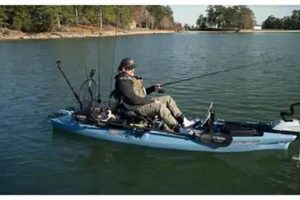
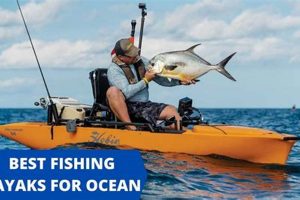
The practice of elevating oneself to an upright position within a kayak specifically designed for angling offers enhanced visibility and casting range. Imagine a broader perspective of the water, allowing for easier spotting of fish and improved accuracy when presenting lures or bait. This elevated vantage point significantly alters the angling experience compared to a seated position.
Improved sight lines and casting distance translate to greater fishing success. This technique provides a tactical advantage, particularly in shallow water or when targeting specific structures. Historically, anglers were confined to a seated position, limiting their field of view and casting range. The development of stable kayak designs specifically engineered for standing has revolutionized the sport, providing anglers with more dynamic and effective fishing opportunities.
This article will further explore the nuances of this approach, examining specialized kayak features that facilitate stability and control, recommended safety practices, and techniques for maintaining balance and maximizing fishing effectiveness. The following sections delve into specific aspects of equipment, techniques, and safety considerations.
Tips for Elevated Kayak Angling
Successfully transitioning to an upright fishing position in a kayak requires careful consideration of several key factors. These tips offer guidance for maximizing stability, safety, and angling effectiveness.
Tip 1: Select a Purpose-Built Kayak: Kayaks designed specifically for standing offer enhanced stability features such as wider hulls and flatter decks. Choosing the correct watercraft is fundamental to success.
Tip 2: Utilize a Stabilizing System: Outriggers or stabilizer pontoons significantly enhance stability, particularly in challenging conditions. Their deployment adds an extra layer of security.
Tip 3: Practice in Calm Water: Initial attempts at standing should be undertaken in shallow, calm water. This allows for development of balance and confidence before venturing into more demanding environments.
Tip 4: Maintain a Low Center of Gravity: Bending the knees and keeping a wide stance distributes weight evenly and lowers the center of gravity, promoting balance and control.
Tip 5: Wear a Personal Flotation Device: A properly fitted personal flotation device is essential for safety and should always be worn, regardless of experience level or water conditions.
Tip 6: Use an Anchor or Stake-Out Pole: Securing the kayak in a desired location eliminates drift and allows for focused fishing, increasing stability and efficiency.
Tip 7: Start Slowly and Gradually Increase Standing Time: Avoid abrupt movements and gradually increase the duration of standing to acclimate to the elevated position.
Implementing these strategies allows anglers to safely and effectively leverage the advantages of elevated kayak angling, maximizing both stability and fishing success. These foundational principles contribute significantly to a positive and productive on-the-water experience.
By considering these aspects and prioritizing safety, anglers can confidently explore the benefits of this innovative approach to fishing. The following section provides a concluding overview and reinforces key takeaways for successful elevated kayak angling.
1. Stability

Stability forms the cornerstone of successful elevated angling from a kayak. Without a stable platform, the angler compromises safety and effectiveness. This section explores the multifaceted nature of stability as it relates to this specialized fishing technique.
- Kayak Design:
Hull design significantly influences stability. Wider hulls and flatter decks generally provide a more stable platform for standing. Specialized features like outriggers and pontoons further enhance stability, particularly in challenging conditions. A kayak designed for standing often incorporates a wider beam and a flatter bottom than a traditional kayak.
- Center of Gravity:
Maintaining a low center of gravity is crucial for balance and stability. Bending the knees and keeping a wide stance lowers the angler’s center of gravity, reducing the likelihood of capsizing. Distributing weight evenly within the kayak also contributes to overall stability. For example, storing gear low and centrally within the kayak improves balance.
- Environmental Conditions:
Water conditions significantly impact stability. Calm, flat water provides a more predictable and stable environment compared to choppy or windy conditions. Current and wind can destabilize a kayak, requiring increased vigilance and adjustments in body position. Anglers should avoid standing in rough or unpredictable water.
- Angler Experience and Technique:
Experience plays a vital role in maintaining stability. Practicing in calm, shallow water allows anglers to develop the necessary balance and coordination. Smooth, deliberate movements contribute to stability, while abrupt shifts in weight can lead to instability. Proper casting technique minimizes unnecessary movement, further enhancing stability.
These interconnected factors contribute to overall stability while fishing from a standing position in a kayak. Understanding and addressing each element enhances safety and effectiveness on the water, allowing anglers to confidently enjoy the benefits of elevated sight lines and casting range. Neglecting any of these aspects compromises stability and potentially jeopardizes safety. A holistic approach to stability ensures a more positive and productive angling experience.
2. Balance

Balance is fundamental to successfully fishing from a standing position in a kayak. Maintaining equilibrium while elevated on a relatively narrow platform requires careful consideration of several interconnected factors. This section explores these key elements and their influence on stability and safety.
- Core Strength and Stability:
A strong core provides a stable foundation for maintaining balance. Engaging core muscles helps control body movements and react effectively to shifts in weight distribution caused by casting, reeling, or changing water conditions. Regular exercise focusing on core strength contributes significantly to improved balance and stability on the water. For example, exercises like planks and Russian twists can enhance core stability for kayak angling.
- Stance and Posture:
Adopting a wide stance with slightly bent knees lowers the center of gravity and enhances stability. Keeping the body centered over the kayak, avoiding leaning too far in any direction, is crucial for maintaining balance. Proper posture and weight distribution minimize the risk of capsizing. For instance, evenly distributing weight across both feet, rather than favoring one side, promotes balance.
- Environmental Awareness:
Awareness of environmental factors, such as wind, current, and waves, is essential for maintaining balance. Anticipating and reacting to these forces allows for adjustments in body position and weight distribution to maintain equilibrium. Observing water conditions and anticipating their effects on the kayak contributes significantly to balance control. For example, anticipating the rocking motion caused by a passing boat allows for proactive adjustments to maintain balance.
- Kayak Features and Accessories:
Kayak features like a wide, stable hull and a flat standing platform contribute significantly to balance. Utilizing accessories such as outriggers or stabilizer pontoons can further enhance stability, particularly in challenging conditions. These features provide additional support and reduce the likelihood of capsizing. For example, a kayak with a wide, flat deck offers a more stable platform for standing compared to a traditional, rounded hull.
These interconnected elements contribute significantly to maintaining balance while fishing from a standing position in a kayak. Mastering these aspects enhances safety and effectiveness on the water, enabling anglers to confidently leverage the advantages of elevated angling. Neglecting any of these elements compromises balance and potentially jeopardizes safety, underscoring the importance of a holistic approach to stability on the water.
3. Kayak Selection
Appropriate kayak selection is paramount for safe and effective elevated angling. Choosing a kayak that prioritizes stability and accommodates standing positions is crucial. The following facets highlight key considerations when selecting a kayak specifically for this fishing technique.
- Hull Design:
Hull design significantly influences stability. Wider, flatter hulls offer greater stability for standing compared to narrower, V-shaped hulls designed for speed. Pontoon hulls provide exceptional stability but may sacrifice maneuverability. A wider beam and a flatter bottom enhance stability for standing, while a narrower, more streamlined hull prioritizes speed and maneuverability. For elevated angling, stability trumps speed, making wider, flatter hulls the preferred choice. For example, a kayak with a beam of 36 inches will be noticeably more stable for standing than a kayak with a beam of 30 inches.
- Standing Platform:
A dedicated standing platform, often featuring a flat, non-slip surface, provides a secure and comfortable area for standing. This platform should offer sufficient space for comfortable foot placement and weight distribution. Some kayaks feature integrated platforms, while others offer aftermarket additions. The size and design of the standing platform directly impact balance and stability while elevated. A spacious, flat platform with a textured surface enhances grip and stability. For instance, a platform that extends the full width of the kayak provides greater stability compared to a smaller, centrally located platform.
- Weight Capacity:
Weight capacity dictates the maximum combined weight of the angler, gear, and any accessories the kayak can safely support. Exceeding the weight capacity compromises stability and increases the risk of capsizing. Selecting a kayak with ample weight capacity is essential, particularly when carrying substantial fishing gear. This ensures sufficient freeboard and maintains optimal performance, even under load. For example, an angler weighing 200 pounds carrying 50 pounds of gear requires a kayak with a minimum weight capacity of 250 pounds.
- Features for Stability:
Features specifically designed to enhance stability, such as outriggers, stabilizer pontoons, or integrated ballast systems, can significantly improve the kayak’s resistance to tipping. These features are particularly beneficial in challenging conditions, such as windy days or choppy water. While adding weight and potentially affecting maneuverability, these features provide a substantial increase in stability for standing. For instance, deploying outriggers adds significant lateral stability, making standing and casting more secure.
Careful consideration of these facets ensures selection of a kayak optimized for elevated angling. Prioritizing stability and features conducive to standing enhances safety and improves fishing effectiveness. Choosing a kayak specifically designed or well-suited for standing casting significantly impacts overall angling success and enjoyment. The correct kayak selection empowers anglers to confidently leverage the advantages of elevated fishing, contributing to a more positive and productive experience on the water.
4. Safety Gear

Elevated angling from a kayak presents inherent risks mitigated through appropriate safety gear. Prioritizing safety ensures a positive and productive fishing experience. This section explores essential safety equipment for anglers engaging in this specialized fishing technique.
- Personal Flotation Device (PFD):
A properly fitted PFD is paramount for safety. It provides buoyancy in the event of capsizing, a crucial safeguard, especially in deeper water or challenging conditions. A Type III PFD, designed for flotation and mobility, is generally suitable for kayak fishing. Inflatable PFDs offer increased comfort but require regular maintenance and inspection. For example, an angler unexpectedly capsizing in cold water benefits significantly from the immediate flotation provided by a PFD, potentially preventing hypothermia and increasing chances of rescue.
- Whistle and Signaling Devices:
A whistle attached to the PFD provides a readily accessible means of signaling for assistance in emergencies. Visual signaling devices, such as flares or a mirror, further enhance visibility for potential rescuers. Carrying a waterproof, handheld VHF radio allows direct communication with other boaters and emergency services. For example, a whistle’s high-pitched sound carries further than a voice, effectively alerting others to a distress situation in open water.
- Appropriate Attire:
Clothing suitable for the prevailing weather conditions contributes to safety and comfort. Wearing quick-drying, non-restrictive clothing enhances mobility and reduces the risk of entanglement. Layering clothing allows adjustments for changing temperatures. Brightly colored clothing enhances visibility for other boaters, reducing the risk of collisions. For instance, wearing non-cotton layers allows for moisture wicking and thermal regulation, crucial for comfort and safety in varying weather conditions. Wearing a hat with a wide brim shields the face from the sun, preventing sunburn and improving visibility.
- Safety Leash and Tethers:
Securing essential equipment, such as paddles and fishing rods, with leashes or tethers prevents loss in the event of capsizing. A knife readily accessible on the PFD facilitates cutting lines or ropes in emergencies. A first-aid kit stored in a waterproof container addresses minor injuries. For example, attaching the paddle to the kayak with a leash ensures it remains within reach even if dropped in the water.
Utilizing appropriate safety gear significantly mitigates risks associated with elevated kayak angling. Prioritizing safety, through proper equipment selection and usage, empowers anglers to confidently enjoy this specialized technique while minimizing potential hazards. These precautions contribute significantly to a positive and safe angling experience. Neglecting these essential safety measures increases risks and potentially compromises overall well-being on the water. A proactive approach to safety enhances enjoyment and allows anglers to focus on the sport, knowing they are prepared for potential challenges.
5. Technique

Effective technique is crucial for safe and successful fishing kayak standing. It encompasses a range of practices that contribute to stability, balance, and efficient angling. Proper technique minimizes the risk of capsizing, optimizes casting and retrieval, and enhances overall fishing performance. The interplay between technique and elevated kayak angling is multifaceted, affecting both safety and effectiveness.
A key element of successful technique involves maintaining a low center of gravity by bending the knees and adopting a wide stance. This posture enhances stability by distributing weight evenly across the kayak. Smooth, deliberate movements are essential, as abrupt shifts in weight can compromise balance. When casting, a controlled motion minimizes rotational forces, further contributing to stability. For example, an angler practicing a controlled, sidearm cast minimizes the risk of losing balance compared to an overhead cast that generates greater rotational force. Similarly, when reeling in a fish, maintaining a steady, balanced posture prevents undue stress on the kayak and reduces the chance of capsizing. Practicing these techniques in calm, shallow water allows anglers to develop muscle memory and refine their approach before venturing into more challenging conditions. The transition from sitting to standing requires a smooth, controlled movement, utilizing core strength and maintaining a stable base. Reaching for objects or making sudden movements should be avoided, as these actions can destabilize the kayak.
Mastering the technique of fishing kayak standing offers significant advantages. Improved stability and balance enhance safety, allowing anglers to confidently focus on fishing. Efficient casting and retrieval techniques maximize fishing effectiveness. By understanding and implementing proper techniques, anglers unlock the full potential of elevated kayak angling, enhancing both safety and enjoyment on the water. The integration of proper technique facilitates a more seamless and productive fishing experience. Challenges such as wind, waves, and the movement of fish can be addressed more effectively through refined technique and experience, further solidifying the link between skill and successful elevated kayak angling.
Frequently Asked Questions
This section addresses common inquiries regarding elevated angling from a kayak, providing concise and informative responses to clarify potential uncertainties.
Question 1: What type of kayak is best suited for standing?
Kayaks designed specifically for standing, often featuring wider hulls, flatter decks, and dedicated standing platforms, offer optimal stability. Consideration of hull design, weight capacity, and additional stability features is crucial for safe and effective elevated angling.
Question 2: How does one maintain balance while standing in a kayak?
Maintaining a low center of gravity through a wide stance and slightly bent knees enhances stability. Engaging core muscles and making smooth, deliberate movements further contribute to balance control. Environmental awareness, such as anticipating wind and waves, is also essential.
Question 3: What safety precautions are recommended for elevated kayak angling?
Wearing a properly fitted personal flotation device (PFD) is paramount. Carrying a whistle, signaling devices, and a first-aid kit is also recommended. Informing someone of the fishing location and expected return time enhances safety.
Question 4: Is prior kayaking experience necessary for standing while fishing?
While prior kayaking experience is beneficial, it is not strictly necessary. Beginners should practice standing in calm, shallow water before venturing into more challenging conditions. Gradual progression and consistent practice build confidence and competence.
Question 5: What are the advantages of fishing from a standing position in a kayak?
Elevated angling provides enhanced visibility, enabling anglers to spot fish more easily. It also increases casting range and accuracy, improving fishing effectiveness, particularly in shallow water or when targeting specific structures.
Question 6: What are common mistakes to avoid when standing in a fishing kayak?
Avoid abrupt movements or leaning excessively, as these actions can compromise stability. Making sudden changes in weight distribution, such as quickly reaching for objects, should also be avoided. Neglecting to wear a PFD is a critical safety oversight.
Addressing these frequently asked questions provides a comprehensive overview of essential considerations for safe and successful elevated kayak angling. A thorough understanding of these aspects equips anglers with the knowledge to make informed decisions and maximize their fishing experience.
For further information and detailed guidance on specific aspects of fishing kayak standing, consult expert resources and reputable instructional materials.
Fishing Kayak Standing
Fishing kayak standing represents a significant evolution in angling, offering distinct advantages for the discerning angler. This article explored the multifaceted nature of this technique, examining crucial elements such as kayak selection, stability considerations, balance techniques, essential safety gear, and effective methodology. Proper kayak selection, prioritizing stability and incorporating features conducive to standing, is paramount. Maintaining balance requires a low center of gravity, controlled movements, and environmental awareness. Adherence to safety protocols, including consistent PFD usage and appropriate attire, is non-negotiable. Refined technique, incorporating smooth transitions and controlled casting motions, maximizes effectiveness and minimizes risk. The synthesis of these elements contributes significantly to a safe and productive elevated angling experience.
The continued development of specialized kayak designs and advancements in stability-enhancing technologies promise further refinement of this dynamic angling approach. As anglers increasingly embrace the benefits of elevated perspectives and expanded casting ranges, fishing kayak standing is poised to become an increasingly prevalent and impactful technique within the sport. Diligent practice, coupled with a steadfast commitment to safety, empowers anglers to fully realize the potential of this evolving angling discipline.