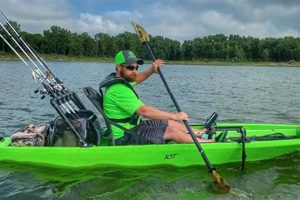
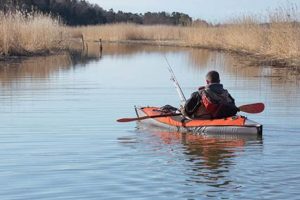
A collective of individuals in the Palmetto State share a passion for angling from human-powered vessels. These groups offer opportunities for camaraderie, skill development, and exploration of diverse waterways. Members often participate in organized trips, tournaments, and conservation efforts.
Such organizations provide valuable resources for both novice and experienced anglers. They facilitate access to local knowledge about fishing spots, techniques, and relevant regulations. Membership can foster a sense of community and contribute to the preservation of natural resources through advocacy and responsible fishing practices. The historical context often involves a gradual evolution from informal gatherings to structured clubs with established bylaws and objectives.
This article will further explore related topics such as finding local groups, the benefits of joining, equipment recommendations, popular fishing destinations within the state, and responsible kayaking practices for anglers.
Tips for Kayak Fishing in South Carolina
Preparation and knowledge contribute significantly to a successful and enjoyable fishing experience from a kayak. The following tips offer valuable insights for anglers.
Tip 1: Research Regulations. Understanding current licensing requirements, catch limits, and permitted fishing areas is crucial before embarking on any fishing trip. Consulting the South Carolina Department of Natural Resources website provides comprehensive information.
Tip 2: Prioritize Safety. Wearing a personal flotation device (PFD) is paramount. Carrying a whistle, communication device, and first-aid kit also enhances safety. Checking weather forecasts and water conditions before departure is essential.
Tip 3: Plan Your Route. Mapping out the intended fishing area, including potential launch and landing sites, helps ensure efficient navigation and maximizes fishing time. Identifying areas with submerged hazards or strong currents improves safety.
Tip 4: Choose Appropriate Gear. Selecting a kayak designed for fishing, equipped with rod holders and storage compartments, optimizes comfort and functionality. Using appropriate fishing tackle for targeted species increases the chances of success.
Tip 5: Practice Kayak Control. Developing proficiency in maneuvering the kayak, especially in wind or current, enhances safety and fishing effectiveness. Learning basic paddling strokes and self-rescue techniques is recommended.
Tip 6: Respect the Environment. Practicing catch-and-release whenever possible helps conserve fish populations. Properly disposing of fishing line and other waste minimizes environmental impact. Adhering to designated launch and landing areas protects fragile ecosystems.
Tip 7: Learn Local Techniques. Researching effective fishing methods and preferred bait or lures for local species improves angling success. Consulting local fishing reports or guides can provide valuable insights.
By adhering to these guidelines, anglers can enhance their safety, maximize their fishing success, and contribute to the preservation of South Carolina’s waterways.
This information provides a solid foundation for planning a kayak fishing excursion. The subsequent sections will offer more specific advice on selecting equipment, choosing fishing locations, and refining techniques.
1. Community

The concept of community is central to the function and appeal of kayak fishing clubs in South Carolina. These organizations foster a sense of belonging among individuals who share a passion for angling from human-powered vessels. This shared interest forms the foundation for a supportive network that extends beyond the water.
- Shared Knowledge and Skill Development
Members readily exchange information about fishing techniques, equipment recommendations, and local waterway conditions. This exchange of knowledge, often occurring during organized trips or informal gatherings, accelerates skill development for anglers of all experience levels. Experienced members mentor newcomers, fostering a culture of continuous learning.
- Social Connections and Camaraderie
Beyond the practical aspects of fishing, clubs provide opportunities for social interaction and the formation of lasting friendships. Shared experiences on the water, whether during fishing trips or conservation projects, create bonds within the community. Regular social events and gatherings further strengthen these connections.
- Conservation and Environmental Stewardship
Many clubs actively engage in conservation efforts, promoting responsible fishing practices and advocating for the protection of local waterways. Members participate in cleanup initiatives, habitat restoration projects, and educational programs, demonstrating a shared commitment to environmental stewardship.
- Collective Advocacy and Resource Sharing
Clubs often serve as a collective voice for kayak anglers within the broader community. They advocate for access to public waterways, responsible fishing regulations, and the protection of natural resources. Members also share resources, such as equipment recommendations and group discounts, maximizing the benefits of membership.
These interconnected facets of community contribute significantly to the overall value proposition of kayak fishing clubs in South Carolina. They transform individual anglers into a cohesive group, working together to enhance their fishing experiences while promoting responsible environmental practices and advocating for shared interests. This sense of community not only strengthens the individual clubs but also contributes to the wider kayaking and angling community within the state.
Shared knowledge forms a cornerstone of kayak fishing clubs in South Carolina. These collectives thrive on the exchange of information regarding optimal fishing locations, effective techniques, and relevant environmental conditions. This communal learning process benefits members of all skill levels, from novices seeking guidance to seasoned anglers refining their approaches. Access to this collective wisdom often proves invaluable in navigating the diverse waterways and targeting the varied fish species found throughout the state. For example, a newcomer might learn about productive fishing spots for redfish in Charleston Harbor through conversations with experienced club members, while a seasoned angler could gain insights into using specific lures for speckled trout in the ACE Basin.
The practical significance of shared knowledge extends beyond individual fishing success. Members frequently discuss equipment modifications, safety procedures, and conservation practices. This exchange strengthens the collective expertise and promotes responsible angling within the group. Furthermore, shared knowledge fosters a sense of community. The act of exchanging tips and experiences creates bonds between members, solidifying the club’s identity as a supportive network. This dynamic contributes to the overall health and longevity of the club, ensuring its continued value to members.
Cultivating a robust system for sharing knowledge presents certain challenges. Maintaining accurate and up-to-date information requires consistent effort. Establishing platforms for efficient information dissemination, whether through online forums, regular meetings, or organized workshops, is crucial. Overcoming these challenges, however, yields significant rewards. A strong emphasis on shared knowledge strengthens the club’s core functions, fosters a thriving community, and ultimately enhances the fishing experiences of all its members. This collaborative learning environment distinguishes kayak fishing clubs as valuable resources for anglers across South Carolina.
3. Organized Trips

Organized trips represent a significant component of South Carolina kayak fishing clubs. These excursions provide members with opportunities to explore diverse waterways, refine angling techniques, and foster camaraderie within the group. The structure and frequency of these trips vary among clubs, reflecting the specific interests and preferences of their members. Understanding the key facets of organized trips provides insight into their value within the broader context of the kayak fishing club experience.
- Destination Selection and Logistics
Trip planning often involves careful consideration of target species, seasonal fishing patterns, and accessibility of launch sites. Organizers may choose destinations based on member preferences, exploring locations like the Santee Cooper lakes for striped bass or the coastal marshes for redfish. Logistics encompass coordinating transportation, arranging launch permits (if required), and ensuring adequate safety measures.
- Skill Development and Knowledge Sharing
Organized trips create environments conducive to learning and skill enhancement. Experienced anglers often share their expertise with newer members, offering guidance on techniques such as drift fishing in tidal creeks or trolling for pelagic species. These excursions provide practical opportunities to apply theoretical knowledge and refine angling skills in real-world settings.
- Community Building and Social Interaction
Beyond the pursuit of fishing, organized trips foster a sense of community within the club. Shared experiences on the water create opportunities for social interaction and strengthen bonds between members. These trips often incorporate shared meals or post-fishing gatherings, further enhancing camaraderie and fostering a supportive network.
- Conservation and Environmental Awareness
Many organized trips incorporate elements of conservation and environmental stewardship. Clubs may partner with local organizations to participate in cleanup initiatives or habitat restoration projects. Such activities promote responsible angling practices and raise awareness among members about the importance of protecting local waterways.
The various facets of organized trips contribute significantly to the overall value proposition of kayak fishing clubs in South Carolina. These excursions provide more than simply opportunities to catch fish; they serve as platforms for skill development, community building, and environmental stewardship. By facilitating shared experiences on the water, organized trips strengthen the bonds between members and reinforce the club’s role as a vital resource for kayak anglers throughout the state.
4. Conservation Efforts

Conservation efforts represent a significant aspect of many kayak fishing clubs in South Carolina. These organizations recognize the importance of protecting the natural resources they enjoy and often incorporate stewardship initiatives into their activities. This connection between recreational fishing and environmental responsibility stems from the understanding that healthy waterways are essential for sustaining fish populations and ensuring the long-term viability of the sport. Cause and effect relationships are readily apparent; degraded water quality and habitat loss directly impact fish populations, diminishing angling opportunities. Conversely, active participation in conservation initiatives can contribute to improved water quality, habitat restoration, and ultimately, enhanced fishing experiences. For instance, a club might organize a shoreline cleanup event to remove debris from a popular fishing area, directly improving the health of that ecosystem.
The importance of conservation efforts as a component of South Carolina kayak fishing clubs is multifaceted. Firstly, it aligns with the ethical responsibility of anglers to protect the resources they utilize. Secondly, it contributes to the long-term sustainability of the sport. By actively working to improve and maintain healthy waterways, clubs ensure the future of kayak fishing for generations to come. Real-life examples include clubs partnering with state agencies like the South Carolina Department of Natural Resources to participate in habitat restoration projects, such as oyster reef construction or marsh grass planting. Another example involves clubs advocating for responsible fishing regulations and promoting catch-and-release practices among their members. These actions demonstrate the practical significance of incorporating conservation into the clubs mission and activities.
In summary, the connection between conservation efforts and South Carolina kayak fishing clubs is a crucial one. It reflects a commitment to environmental stewardship, ensuring the long-term health of waterways and the sustainability of the sport. While challenges such as coordinating volunteer efforts and securing funding for projects may arise, the benefits of active conservation significantly outweigh the difficulties. By integrating conservation into their core values and activities, kayak fishing clubs in South Carolina demonstrate leadership in responsible angling and contribute to the preservation of the state’s valuable natural resources. This dedication to conservation strengthens the connection between anglers and the environment, reinforcing the importance of protecting the ecosystems that support their passion.
5. Skill Development

Skill development represents a core benefit of membership within South Carolina kayak fishing clubs. These organizations provide structured and informal opportunities for anglers to enhance their abilities across various aspects of the sport. This progression, from novice to experienced angler, often hinges on access to resources and shared knowledge within the club environment. A cause-and-effect relationship exists between participation in club activities and skill enhancement. Regular interaction with experienced members, combined with opportunities for practical application, fosters accelerated learning and skill refinement. For instance, a novice angler might learn advanced casting techniques from a seasoned club member during an organized fishing trip, directly improving their ability to target specific fish species. Conversely, an experienced angler might gain insights into navigating challenging tidal currents through group discussions and shared experiences, thereby enhancing their safety and fishing effectiveness.
The importance of skill development as a component of South Carolina kayak fishing clubs extends beyond individual improvement. It contributes to a culture of continuous learning within the organization, fostering a dynamic exchange of information and expertise. This collective growth strengthens the club as a whole. Real-life examples illustrate this concept. Clubs often organize workshops focused on specific skills, such as kayak maneuvering in strong winds or using specialized fishing equipment. These structured learning environments accelerate skill acquisition among members, leading to improved fishing success and overall enjoyment of the sport. Further examples include mentorship programs within clubs, pairing experienced anglers with newcomers to provide personalized guidance and support. Such initiatives foster a supportive learning environment and contribute to the development of a skilled and knowledgeable membership base.
In summary, skill development is integral to the value proposition of South Carolina kayak fishing clubs. It provides a pathway for anglers to progress, enhance their enjoyment of the sport, and contribute to a culture of shared learning within the organization. While challenges such as coordinating training opportunities and ensuring access to qualified instructors may arise, the benefits of fostering skill development significantly outweigh the difficulties. By prioritizing skill enhancement, these clubs cultivate a community of competent and responsible anglers, contributing to the overall health and sustainability of kayak fishing in South Carolina. This emphasis on continuous learning ensures that members are well-equipped to navigate the challenges and enjoy the rewards of this unique and engaging sport.
6. Tournament Participation

Tournament participation often represents a dynamic element within South Carolina kayak fishing clubs. These competitive events offer members opportunities to test their skills, engage with the broader angling community, and contribute to the overall vitality of the club. A cause-and-effect relationship exists between tournament participation and angler development. The competitive environment encourages anglers to refine techniques, experiment with new strategies, and enhance their understanding of fish behavior and local waterway conditions. For instance, an angler preparing for a redfish tournament might dedicate time to mastering specific casting techniques required to target these fish in shallow-water environments. Conversely, participating in a bass tournament on a large reservoir could motivate an angler to improve their understanding of electronic fish-finding equipment and navigation skills. This pursuit of competitive excellence often translates into improved angling proficiency beyond the tournament setting.
The importance of tournament participation as a component of South Carolina kayak fishing clubs extends beyond individual skill development. Tournaments can generate revenue for clubs, supporting conservation initiatives, equipment purchases, or educational programs. They also raise the club’s profile within the broader angling community, attracting new members and fostering partnerships with local businesses. Real-life examples illustrate these benefits. A club might organize a charity fishing tournament, donating proceeds to a local environmental organization, thereby combining competitive angling with community service. Alternatively, a club’s consistent success in regional tournaments can enhance its reputation, attracting sponsorships and increasing membership interest. Such outcomes underscore the practical significance of tournament participation within the club framework.
In summary, tournament participation contributes significantly to the dynamism and growth of South Carolina kayak fishing clubs. It provides a platform for skill development, community engagement, and resource generation. While challenges such as organizing events, securing sponsorships, and ensuring fair competition may arise, the benefits of incorporating tournament participation outweigh the difficulties. By fostering a competitive spirit and providing opportunities for members to test their skills, kayak fishing clubs cultivate a vibrant and engaged community of anglers. This pursuit of excellence, combined with the camaraderie and shared learning fostered through tournament participation, strengthens the club’s overall mission and contributes to the continued growth of kayak fishing in South Carolina.
Frequently Asked Questions
This section addresses common inquiries regarding kayak fishing clubs in South Carolina. The information provided aims to clarify key aspects of club membership, activities, and benefits.
Question 1: What are the typical membership fees for kayak fishing clubs in South Carolina?
Membership fees vary among clubs, often depending on the range of services and activities offered. Potential members should contact individual clubs directly to inquire about specific fee structures.
Question 2: What are the skill level requirements for joining a kayak fishing club?
Most clubs welcome anglers of all skill levels, from beginners to experienced professionals. These organizations often offer opportunities for skill development and mentorship programs to support anglers at various stages of their fishing journey.
Question 3: Do I need to own a kayak to join a kayak fishing club?
While owning a kayak is beneficial, many clubs offer rental options or opportunities to borrow kayaks from other members. It is recommended to inquire about kayak availability when contacting specific clubs.
Question 4: How often do kayak fishing clubs typically organize group trips or events?
The frequency of organized trips and events varies among clubs. Some clubs may host monthly outings, while others organize multiple events per week. Checking with individual clubs provides the most accurate information regarding their activity schedules.
Question 5: What type of fishing gear is recommended for kayak fishing in South Carolina?
Recommended gear depends on the targeted fish species and the specific fishing location. Consulting with experienced club members or local tackle shops often proves valuable in selecting appropriate rods, reels, lines, lures, and other essential equipment.
Question 6: What are the primary benefits of joining a kayak fishing club in South Carolina?
Key benefits include access to a community of like-minded anglers, opportunities for skill development, organized trips to diverse fishing locations, participation in conservation efforts, and access to shared knowledge and resources.
Understanding these key aspects of kayak fishing clubs provides a foundation for informed decision-making regarding club membership. Direct contact with individual clubs is encouraged to obtain specific details relevant to individual interests and preferences.
The following section offers further resources and contact information for kayak fishing clubs across South Carolina.
South Carolina Kayak Fishing Clubs
This exploration of angler organizations within South Carolina highlights the multifaceted nature of these groups. Key themes include community building through shared experiences, skill development facilitated by collective knowledge, and the vital role of conservation efforts in ensuring the sustainability of the sport. Organized trips and tournament participation offer avenues for practical application and friendly competition, further enriching the angling experience. These collectives serve as valuable resources, connecting individuals with a shared passion for exploring the diverse waterways and abundant fish species the state offers from the unique perspective of a kayak.
The future of kayak fishing in South Carolina appears promising, with growing interest and participation. Continued emphasis on responsible angling practices, environmental stewardship, and community engagement will ensure the long-term health and enjoyment of this increasingly popular pursuit. Potential members are encouraged to explore the diverse array of clubs available throughout the state and discover the enriching experiences offered by these angler-focused organizations.