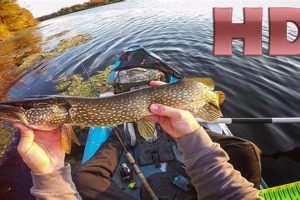
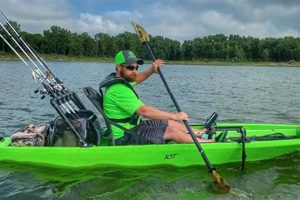
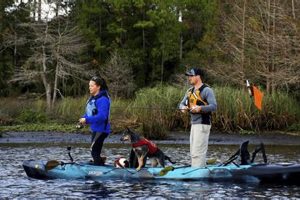
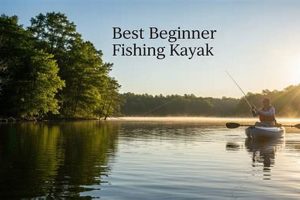
The practice of angling from a small, human-powered watercraft in the coastal waters surrounding Hilton Head Island, South Carolina, offers a unique blend of recreation and sport. This method allows for access to shallow-water areas often inaccessible to larger vessels, providing opportunities to target a variety of fish species.
The relatively calm waters and diverse estuarine environments around Hilton Head create ideal conditions for this activity. It offers a close-to-nature experience, promoting physical activity and a deeper appreciation for the local ecosystem. Historically, small boats have been utilized for fishing in the region, reflecting both practical necessity and a connection to the maritime heritage of the Lowcountry. The modern iteration, employing specialized kayaks designed for stability and equipment storage, enhances these traditional practices.
The following sections will explore specific aspects of this popular pursuit, including recommended locations, target species, necessary equipment, and relevant regulations. Further discussion will cover responsible angling practices and the importance of conservation efforts to maintain the health and vitality of this valuable coastal resource.
Tips for Kayak Angling Around Hilton Head Island
Careful planning and preparation contribute significantly to a successful and enjoyable fishing experience from a kayak in the waters surrounding Hilton Head Island. The following tips offer valuable guidance for anglers of all skill levels.
Tip 1: Check the tides and weather forecast. Tidal currents and wind conditions can significantly impact kayak navigation and fishing success. Consult reliable marine forecasts before embarking on any outing.
Tip 2: Choose appropriate safety gear. A personal flotation device (PFD) is essential. A whistle, signaling mirror, and VHF radio enhance safety in case of emergencies.
Tip 3: Utilize a kayak designed for fishing. These specialized kayaks offer increased stability, storage for gear, and features like rod holders and anchor trolleys.
Tip 4: Plan a float plan and inform someone of your intended route and return time. This ensures someone is aware of your whereabouts in case of unforeseen circumstances.
Tip 5: Respect local regulations and obtain necessary licenses. Familiarize oneself with South Carolina fishing regulations, including size and catch limits, and ensure all required licenses are obtained prior to fishing.
Tip 6: Practice proper catch-and-release techniques. Minimizing handling time and utilizing appropriate tools, such as dehookers, promotes fish survival and conservation.
Tip 7: Pack essential equipment. Bring tackle appropriate for target species, including rods, reels, lines, lures, and bait. Essential tools like pliers, scissors, and a knife should also be included.
Tip 8: Be mindful of other boaters and wildlife. Maintain a safe distance from other vessels and avoid disturbing wildlife habitats.
Adherence to these guidelines will contribute to a safe, productive, and environmentally responsible fishing experience. Careful planning and execution maximize the enjoyment derived from this rewarding activity.
By following these tips, anglers can focus on the enjoyment of the sport while contributing to the preservation of Hilton Head Island’s unique coastal ecosystem.
1. Target Species

The diverse estuarine environment surrounding Hilton Head Island supports a rich variety of fish species, making it a prime location for anglers. Selecting appropriate target species enhances the likelihood of a successful and rewarding kayak fishing experience. Understanding the habitat preferences and feeding habits of these species is crucial for effective angling.
- Redfish (Sciaenops ocellatus)
Redfish are a popular target due to their fighting spirit and prevalence in the shallow-water flats and creeks accessible by kayak. They can be targeted with a variety of artificial lures and natural baits, making them suitable for anglers of varying skill levels. Their copper-red coloration and distinctive black spot near the tail make them easily identifiable.
- Speckled Trout (Cynoscion nebulosus)
Speckled trout, also known as spotted seatrout, inhabit similar shallow-water environments as redfish. They are ambush predators, often found near grass beds and oyster bars. Light tackle and lures that mimic small baitfish are effective for targeting speckled trout. Their distinctive spotted pattern and elongated body make them a readily identifiable species.
- Flounder (Paralichthys species)
Flounder are flatfish that lie camouflaged on the seabed, ambushing prey. They are often found in sandy or muddy bottoms. Anglers typically target flounder using live bait or jigs fished slowly along the bottom. Their unique body shape and ability to change color to match their surroundings make them a fascinating target.
- Other Species
While redfish, speckled trout, and flounder are among the most sought-after species, other fish, such as black drum, sheepshead, and various species of jack, can also be caught from a kayak in the waters around Hilton Head Island. Exploring different areas and techniques can lead to encounters with these diverse species.
Targeting these species from a kayak provides anglers with a unique opportunity to engage with the local ecosystem. Understanding the habits and preferred habitats of these fish enhances the angling experience and contributes to responsible fishing practices.
2. Launch Locations
Accessing the diverse fishing grounds around Hilton Head Island requires careful consideration of launch locations. The chosen launch point significantly influences the areas reachable by kayak and the overall fishing experience. Factors such as parking availability, water access, tidal currents, and proximity to target fishing areas should inform the selection process.
- Public Boat Ramps
Public boat ramps offer convenient access for launching kayaks, often providing ample parking and well-maintained facilities. However, sharing these locations with motorized vessels necessitates caution and awareness of boat traffic. Examples include the public boat ramps at Shelter Cove Marina and Broad Creek Marina.
- Designated Kayak Launch Areas
Some areas are specifically designated for kayak and paddle craft launching, offering a quieter and less congested environment. These locations often provide easier entry and exit points compared to traditional boat ramps. Jarvis Creek Park offers a designated kayak launch area.
- Beach Launches
Launching directly from the beach provides access to nearshore fishing grounds. However, navigating surf and tidal currents requires experience and careful assessment of conditions. Beach launches are suitable for experienced kayakers comfortable with handling their vessels in dynamic environments. Fish Haul Creek Landing offers access to Broad Creek.
- Private Docks and Marinas
Some private docks and marinas may offer kayak launch access, either for a fee or as part of membership privileges. These locations can provide convenient access to specific fishing areas and often include amenities such as restrooms and parking. Check whether such accesses are open to the public, for example, Skull Creek Marina.
Strategic selection of a launch location contributes significantly to a successful kayak fishing outing. Matching the launch site to the target fishing area, considering tidal influences, and prioritizing safety considerations ensure an efficient and enjoyable experience on the waters surrounding Hilton Head Island.
3. Tidal Considerations
Tidal fluctuations significantly influence kayak fishing around Hilton Head Island. Understanding tidal currents, water levels, and their effects on fish behavior is crucial for a successful and safe angling experience. These considerations impact access to fishing grounds, navigation, and the effectiveness of various fishing techniques.
- Current Strength and Direction
Tidal currents dictate water movement, impacting kayak positioning and the presentation of lures or bait. Strong currents can make paddling challenging, particularly in narrow creeks or inlets. Knowledge of current direction is essential for drifting effectively and presenting lures naturally. For instance, fishing near structure during an outgoing tide can concentrate fish as they move with the flow.
- Water Depth and Access
Tidal variations alter water depths, exposing or submerging shallow flats, oyster beds, and other fish-holding structures. Understanding these changes allows anglers to access otherwise unreachable areas during specific tidal stages. For example, shallow flats accessible during high tide might become too shallow to navigate during low tide.
- Fish Behavior
Tidal cycles affect fish feeding patterns. Certain species, like redfish, often concentrate in areas with moving water during tidal changes, actively seeking prey carried by the current. Adjusting fishing techniques based on tidal stages, such as using heavier lures in stronger currents, enhances angling effectiveness.
- Safety Implications
Strong tidal currents, particularly combined with wind, can create hazardous conditions for kayakers. Planning fishing trips around slack tide (the period between high and low tides when current flow is minimal) or paddling with the current rather than against it enhances safety. Awareness of local tide charts and weather forecasts is paramount for safe navigation.
Integrating tidal knowledge into fishing strategies is fundamental to successful kayak angling around Hilton Head Island. By considering tidal influences on navigation, fish behavior, and safety, anglers can maximize their chances of a productive and enjoyable experience on the water.
4. Essential Gear

Specialized equipment plays a critical role in successful and safe kayak fishing around Hilton Head Island. The chosen gear directly impacts an angler’s ability to target specific species, navigate local waters, and manage potential challenges. Careful selection, based on individual needs and targeted species, ensures a more productive and enjoyable experience.
Essential gear falls into several categories. Rods and reels suited for inshore saltwater fishing are crucial. Tackle selection, including lures, hooks, lines, and weights, should reflect the target species and fishing techniques employed. Safety equipment, such as a personal flotation device (PFD), a whistle, and a signaling mirror, are non-negotiable components. Navigation tools, including a chart, compass, and GPS device, facilitate efficient movement and prevent disorientation. Additional accessories, like rod holders, anchor trolleys, and dry bags for storage, enhance convenience and organization on the water.
For example, targeting redfish in the shallow flats might necessitate a medium-action spinning rod paired with a 2500-size reel spooled with braided line. Live bait or artificial lures mimicking shrimp or small crabs would complement this setup. Alternatively, pursuing flounder near the bottom requires a slower presentation with a jig and soft plastic lure or live bait rigged on a Carolina rig. These specific gear choices reflect the unique demands of each fishing scenario. Proper gear selection not only improves fishing success but also contributes significantly to safety and overall enjoyment on the water. Preparation and appropriate equipment allow anglers to fully appreciate the diverse fishing opportunities Hilton Head Island offers.
5. Safety Precautions

Safety precautions are paramount for kayak fishing around Hilton Head Island. The coastal environment presents inherent risks, including changing weather conditions, strong tidal currents, and vessel traffic. Neglecting safety protocols can lead to serious consequences, ranging from minor injuries to life-threatening situations. A comprehensive understanding of these risks and the implementation of appropriate safety measures are essential for a responsible and enjoyable fishing experience.
For example, sudden shifts in wind direction or intensity can create challenging paddling conditions, potentially capsizing a kayak. Strong tidal currents, especially in narrow inlets or near bridges, can swiftly sweep an unprepared kayaker into hazardous areas. Collisions with motorized vessels pose a significant threat, particularly in high-traffic areas. Wearing a personal flotation device (PFD) drastically reduces the risk of drowning in the event of a capsize. Carrying a VHF radio enables communication in emergencies, while a signaling mirror can attract attention if assistance is needed. Checking weather forecasts and tide charts before embarking on a fishing trip allows anglers to anticipate potentially hazardous conditions and plan accordingly. Informing someone of the intended fishing location and estimated return time provides an additional layer of safety, ensuring that assistance can be summoned if necessary.
Prioritizing safety in kayak fishing minimizes risks and contributes to a positive experience. Adequate preparation, including checking weather conditions, wearing appropriate safety gear, and understanding local navigational hazards, empowers anglers to enjoy the sport responsibly. A proactive approach to safety ensures that the focus remains on the enjoyment of fishing while mitigating potential dangers inherent in the coastal environment.
6. Local Regulations
Adherence to local regulations is essential for responsible and sustainable kayak fishing around Hilton Head Island. These regulations, established by the South Carolina Department of Natural Resources (SCDNR), aim to conserve fish populations, protect sensitive habitats, and ensure safe navigation. Ignoring these rules can lead to fines, legal repercussions, and negative impacts on the local ecosystem. Understanding and complying with these regulations is not merely a legal obligation but also a demonstration of respect for the environment and fellow anglers.
- Fishing Licenses and Permits
A valid South Carolina fishing license is mandatory for anyone engaging in recreational fishing, including kayak angling. Specific permits might be required for certain species or fishing in designated areas. Licenses can be obtained online through the SCDNR website or from authorized vendors. Failure to possess a valid license can result in penalties. For example, fishing for redfish without a saltwater recreational fishing license is a violation of state law.
- Size and Catch Limits
Regulations dictate minimum sizes and daily catch limits for various fish species. These restrictions help maintain healthy fish populations by allowing juveniles to mature and reproduce. Anglers must accurately measure their catch and release any undersized or over-the-limit fish immediately. For instance, exceeding the daily catch limit for speckled trout can lead to fines and contribute to the depletion of local fish stocks.
- Gear Restrictions
Certain gear types or fishing methods might be restricted or prohibited in specific areas. For example, the use of gill nets or certain types of traps may be illegal. Anglers must familiarize themselves with these restrictions to avoid unintentional violations. Using prohibited gear can disrupt local ecosystems and unfairly target vulnerable fish populations.
- Protected Areas and Closures
Certain areas may be designated as sanctuaries, critical habitats, or seasonal closures to protect sensitive ecosystems or spawning fish. Fishing in these areas is prohibited or restricted during specific periods. Respecting these closures is crucial for the long-term health of the local marine environment. Ignoring closures can disturb critical habitats and negatively impact vulnerable species.
Complying with these regulations ensures the sustainability of Hilton Head Island’s valuable fishery resources and contributes to the overall enjoyment of the sport for present and future generations. By understanding and respecting these rules, kayak anglers actively participate in the conservation efforts that protect this unique coastal environment. Responsible angling practices benefit both the ecosystem and the angling community.
7. Kayak Selection
Appropriate kayak selection significantly impacts the overall experience of kayak fishing around Hilton Head Island. The chosen vessel influences maneuverability, stability, access to fishing grounds, and overall comfort. Careful consideration of various kayak types and their respective characteristics is crucial for maximizing fishing success and ensuring a safe and enjoyable outing. The diverse environments encountered around Hilton Head, ranging from calm creeks to open ocean waters, necessitate a kayak suited to the specific conditions and fishing style.
Sit-on-top kayaks offer inherent stability and self-bailing capabilities, making them suitable for beginners and fishing in calmer waters. Their open design allows for easy entry and exit, facilitating quick adjustments and maneuverability in shallow areas. Sit-inside kayaks, while requiring more experience to handle, provide better protection from the elements and enhanced tracking in open water. Pedal-powered kayaks offer hands-free propulsion, allowing anglers to focus on fishing while maintaining position and covering larger distances. Inflatable kayaks provide portability and storage convenience, making them a viable option for those with limited storage space. Choosing between these options depends on individual preferences, experience level, and the intended fishing locations. For example, a stable sit-on-top kayak is ideal for navigating the shallow creeks and flats around Hilton Head, while a longer, more stable sit-inside or pedal kayak might be preferable for venturing into broader estuaries or nearshore ocean waters.
Matching kayak selection to the specific fishing environment and individual needs optimizes performance and safety. Stability, maneuverability, and storage capacity influence fishing effectiveness and overall enjoyment. Considering factors like intended fishing locations, experience level, and transportation logistics empowers anglers to make informed decisions and enhance their kayak fishing experience on Hilton Head Island. Prioritizing these factors ensures that the chosen kayak complements the angler’s skillset and intended fishing style, contributing to a safe, productive, and enjoyable experience.
Frequently Asked Questions
This section addresses common inquiries regarding kayak fishing around Hilton Head Island, South Carolina. Clear and concise answers provide prospective anglers with the information necessary to plan a safe and successful fishing excursion.
Question 1: What are the most common fish species targeted by kayak anglers around Hilton Head Island?
Redfish, speckled trout, and flounder are among the most frequently targeted species due to their prevalence in the shallow-water environments accessible by kayak. Other species, such as black drum, sheepshead, and various types of jack, are also caught regularly.
Question 2: Are there specific regulations regarding kayak fishing in this area?
A valid South Carolina fishing license is required. Specific regulations govern size and catch limits for various species. Adherence to these regulations is crucial for conservation and ensures legal compliance.
Question 3: What are the recommended safety precautions for kayak fishing around Hilton Head Island?
Wearing a personal flotation device (PFD) is essential. Checking weather forecasts and tide charts before departure is crucial. Informing someone of the intended fishing location and estimated return time is a recommended practice. Carrying a VHF radio and signaling devices enhances safety in emergencies. Awareness of local boating traffic and navigation hazards is also important.
Question 4: Where are suitable kayak launch points around Hilton Head Island?
Public boat ramps, designated kayak launch areas, and certain beach access points offer suitable launch locations. Selection depends on the targeted fishing area and tidal conditions. Researching launch sites in advance helps avoid potential difficulties.
Question 5: What type of kayak is recommended for fishing around Hilton Head Island?
Sit-on-top kayaks are popular due to their stability and self-bailing capabilities. Sit-inside and pedal-powered kayaks are also used, depending on angler preference and fishing style. Consideration of factors like intended fishing location and experience level informs appropriate selection.
Question 6: What essential gear is needed for kayak fishing in this area?
Essential gear includes rods, reels, and tackle appropriate for the target species. Safety equipment, such as a PFD, whistle, and signaling mirror, is crucial. Navigation tools, like charts, compasses, and GPS devices, aid in efficient travel. Additional accessories, like rod holders and anchor trolleys, enhance the fishing experience. Appropriate attire and sun protection are also recommended.
Careful consideration of these frequently asked questions enhances preparedness and promotes a safe and rewarding kayak fishing experience around Hilton Head Island. Thorough planning and adherence to safety guidelines contribute significantly to successful angling.
The next section will offer detailed information about guided kayak fishing tours available in the Hilton Head area. These tours provide an excellent opportunity for newcomers to experience the sport under the supervision of experienced local guides.
Kayak Fishing Hilton Head SC
Exploration of kayak fishing around Hilton Head Island reveals a unique blend of recreational angling and intimate engagement with the coastal ecosystem. Careful consideration of launch locations, tidal influences, target species, appropriate gear, and safety precautions contributes significantly to a rewarding experience. Adherence to local regulations ensures the sustainability of this valuable resource. Optimal kayak selection, informed by individual needs and fishing style, enhances both safety and enjoyment on the water.
The integration of these diverse factors promotes responsible angling practices while maximizing the potential for successful fishing excursions. Hilton Head Island offers exceptional opportunities for those seeking an immersive and rewarding kayak fishing experience. Continued respect for the environment and adherence to established guidelines will ensure the preservation of this unique coastal treasure for generations to come. Anglers are encouraged to actively participate in conservation efforts and promote responsible angling practices within the community.