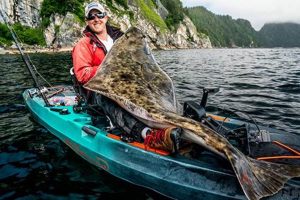
Anglers often face a choice between stability and maneuverability when selecting a fishing platform. A comparison of fishing from a pontoon boat versus a kayak highlights this core difference. Pontoon boats provide a stable, spacious platform ideal for groups or anglers requiring mobility assistance. Kayaks, conversely, offer unparalleled access to shallow, secluded waters and a closer-to-nature experience. This decision influences factors like the target species, fishing techniques employed, and the overall angling experience.
Choosing the right watercraft significantly impacts fishing success and enjoyment. Historically, smaller, human-powered vessels like canoes and kayaks were the primary means of fishing. The advent of motorized boats, including pontoons, broadened accessibility and opened new possibilities. The appropriate vessel selection hinges upon individual needs and preferences, including budget, fishing style, and the specific characteristics of the targeted waterway. The modern angler benefits from this diversity of options, each designed to maximize specific advantages in various fishing scenarios.
The following sections delve deeper into the advantages and disadvantages of each watercraft type, considering factors such as cost, capacity, fishability, and maintenance requirements. This analysis will equip anglers with the information necessary to make an informed decision based on their individual circumstances and desired fishing experience.
Tips for Choosing Between a Pontoon Boat and a Kayak for Fishing
Selecting between a pontoon boat and a kayak requires careful consideration of individual fishing styles, target species, and waterway characteristics. The following tips offer guidance for making an informed decision.
Tip 1: Consider the fishing environment. Kayaks excel in shallow water, rivers, and areas with limited access. Pontoon boats are better suited for larger bodies of water like lakes and reservoirs.
Tip 2: Evaluate mobility needs. Pontoon boats offer greater stability and accessibility for individuals with mobility limitations or those who prefer a more comfortable fishing platform.
Tip 3: Factor in transportation and storage. Kayaks are easier to transport and store, often requiring only a roof rack or small trailer. Pontoon boats require larger trailers and more significant storage space.
Tip 4: Analyze the fishing style. Kayaks offer a stealthier approach for techniques like fly fishing or sight casting. Pontoon boats provide ample space for trolling, still fishing, or drift fishing.
Tip 5: Account for budget constraints. Kayaks are generally less expensive to purchase and maintain than pontoon boats.
Tip 6: Think about group size. Pontoon boats accommodate larger groups comfortably, while kayaks are typically designed for solo or tandem fishing.
Tip 7: Consider desired amenities. Pontoon boats offer amenities like livewells, rod holders, and comfortable seating, while kayaks provide a more minimalist experience.
Careful consideration of these factors ensures the chosen vessel aligns with angling preferences and maximizes fishing success. The appropriate watercraft enhances the overall experience, whether one seeks a quiet, solitary connection with nature or a social, comfortable fishing outing.
By understanding the distinct advantages of each vessel, anglers can confidently select the optimal platform for their specific needs and enjoy a more productive and fulfilling time on the water.
1. Stability
Stability plays a crucial role in the “pontoon boat vs kayak fishing” debate. Pontoon boats, owing to their wide, flat deck design and multiple pontoons, offer exceptional stability. This makes them ideal platforms for anglers who prioritize a secure and steady fishing experience, particularly in rougher waters or for those with mobility concerns. This inherent stability also allows for easier movement onboard, facilitating activities like casting, retrieving, and landing fish without the risk of capsizing. Conversely, kayaks, due to their narrower profile and lower center of gravity, are inherently less stable. While this design enhances maneuverability, it requires greater balance and coordination, especially in challenging conditions. For example, standing to cast in a kayak requires significantly more skill and balance compared to the same action on a pontoon boat. This difference in stability significantly impacts fishing techniques, target species, and the overall angling experience.
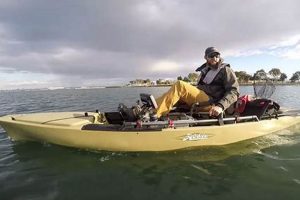
The impact of stability extends beyond simple comfort and safety. A stable platform like a pontoon boat allows for the use of specialized equipment, such as fighting chairs or downriggers, which may be impractical or unsafe to employ on a kayak. Furthermore, increased stability enhances the ability to effectively manage fishing lines and tackle, reducing tangles and improving presentation, particularly crucial for techniques like trolling or still fishing. In contrast, the inherent instability of a kayak, while demanding greater skill, can be advantageous in specific scenarios. The lower profile and closer proximity to the water offer a stealthier approach, beneficial for sight fishing or navigating tight, shallow waters teeming with vegetation where larger vessels cannot venture. Choosing between these distinct levels of stability depends on the angler’s individual needs, skill level, and targeted fishing style.
In summary, the stability factor distinguishes the “pontoon boat vs kayak fishing” choice significantly. Pontoon boats prioritize a secure, stable platform ideal for diverse fishing styles and anglers of varying skill levels, particularly in open or choppy waters. Kayaks, while requiring more balance and experience, provide a unique, close-to-water experience, excelling in maneuverability and stealth within shallow or confined environments. Understanding these stability differences is essential for anglers to select the watercraft that best aligns with their individual preferences, target species, and the specific challenges presented by their chosen fishing locations.
2. Maneuverability

Maneuverability represents a critical point of differentiation in the “pontoon boat vs kayak fishing” comparison. The ability to navigate specific water types and access desired fishing locations significantly influences angling success. Understanding the maneuverability characteristics of each vessel type is essential for selecting the appropriate craft for a given fishing environment.
- Navigating Tight Spaces
Kayaks, due to their smaller size and streamlined design, excel in navigating narrow creeks, shallow backwaters, and areas choked with vegetation. This allows anglers to access prime fishing spots often unreachable by larger vessels like pontoon boats. Pontoon boats, while offering stability, are restricted by their size and draft, limiting their access to confined waterways.
- Responding to Current and Wind
Kayaks offer greater responsiveness to changing water and wind conditions. Their lighter weight and efficient hull design enable quick adjustments in direction and speed, crucial for techniques like drift fishing or navigating strong currents. Pontoon boats, with their larger surface area, are more susceptible to wind drift and require more powerful motors for effective maneuvering against strong currents.
- Precision Boat Control
Kayaks offer precise control, allowing anglers to position themselves accurately for specific casts or presentations. This precise maneuverability is particularly advantageous in sight fishing or when targeting structure in tight quarters. Pontoon boats, while offering ample space, sacrifice some degree of pinpoint control due to their size and turning radius.
- Ease of Propulsion
Kayaks, propelled by human power, offer a silent and environmentally friendly approach, minimizing disturbance to fish and the surrounding environment. This silent approach can be particularly advantageous in shallow water or when targeting wary species. Pontoon boats, relying primarily on motorized propulsion, generate noise and potential water disturbance, which can impact fish behavior in certain situations.
The distinct maneuverability characteristics of kayaks and pontoon boats directly influence the types of waters accessible and the fishing techniques employable. Kayaks prioritize access and precise control in confined environments, while pontoon boats offer stability and capacity in open waters. Anglers must weigh these factors carefully, considering their target species, preferred fishing styles, and the specific characteristics of their chosen fishing grounds to select the most appropriate vessel.
3. Accessibility

Accessibility considerations significantly influence the choice between a pontoon boat and a kayak for fishing. Reaching desired fishing locations, launching and retrieving the vessel, and navigating specific water types all contribute to the overall angling experience. Evaluating accessibility needs based on physical limitations, waterway characteristics, and transportation logistics helps anglers determine the most suitable watercraft.
- Launch Sites and Transportation
Kayaks offer greater flexibility in launch locations due to their portability. Transporting a kayak often requires only a roof rack or small trailer, enabling access to remote or undeveloped launch sites. Pontoon boats, due to their size and weight, require larger trailers and tow vehicles, limiting access to locations with developed boat ramps and adequate parking. This difference significantly impacts the range of fishing locations accessible with each vessel type.
- Physical Limitations and Ease of Boarding
Pontoon boats provide a more accessible platform for individuals with mobility limitations. The stable, flat deck and higher freeboard facilitate easier boarding and movement onboard compared to the lower, less stable profile of a kayak. This consideration is crucial for anglers with physical challenges or those seeking a more comfortable and secure fishing experience.
- Navigating Shallow Water and Obstacles
Kayaks excel in navigating shallow water and maneuvering around obstacles like submerged logs or rocks. Their shallow draft and responsive handling allow access to prime fishing areas often inaccessible to larger, deeper-draft vessels like pontoon boats. This advantage expands fishing opportunities in rivers, creeks, and shallow lakes.
- Adapting to Varying Water Levels and Conditions
Kayaks adapt more readily to fluctuating water levels and changing conditions, enabling access to areas impacted by tides, seasonal variations, or temporary flooding. Pontoon boats, due to their deeper draft and reliance on motors, may face limitations in areas with shallow or rapidly changing water levels. Understanding these limitations is crucial for selecting the appropriate vessel for specific fishing environments.
Accessibility considerations significantly influence the overall fishing experience. Kayaks offer greater flexibility and access to remote or challenging locations, while pontoon boats provide a more stable and accessible platform for individuals with mobility limitations. Careful evaluation of these accessibility factors alongside personal needs and fishing preferences ensures the chosen vessel aligns with the angler’s desired fishing experience.
4. Cost

Cost represents a significant factor influencing the decision between a pontoon boat and a kayak for fishing. Budgetary constraints often dictate the feasibility of each option, impacting not only the initial purchase price but also ongoing maintenance, storage, and operational expenses. Understanding the financial implications associated with each vessel type is crucial for making an informed and sustainable choice.
- Initial Purchase Price
Kayaks typically represent a significantly lower initial investment compared to pontoon boats. Entry-level kayaks can be purchased for a few hundred dollars, while even basic pontoon boats often require an outlay of several thousand dollars. This substantial price difference reflects the complexity and manufacturing costs associated with each vessel type. The initial purchase price sets the foundation for the overall financial commitment associated with each option.
- Maintenance and Repairs
Ongoing maintenance and repair costs also differ significantly. Kayaks require minimal upkeep, typically involving cleaning, occasional inspections, and minor repairs. Pontoon boats, with their more complex systems, including motors, electrical components, and upholstery, demand more frequent and potentially costly maintenance, including engine servicing, hull cleaning, and potential repairs to mechanical or electrical systems. These ongoing maintenance expenses contribute significantly to the long-term cost of ownership.
- Storage and Transportation
Storing and transporting each vessel type incurs varying expenses. Kayaks, due to their smaller size and lighter weight, can often be stored at home, minimizing or eliminating storage fees. Transporting a kayak typically requires only a roof rack or small trailer. Pontoon boats, requiring larger trailers and designated storage spaces, often necessitate ongoing storage fees and higher transportation costs due to increased fuel consumption and potential permit requirements. These logistical considerations contribute to the overall cost analysis.
- Operational Expenses
Operational costs, including fuel, registration fees, and insurance, further differentiate the two options. Kayaks, being human-powered, incur no fuel expenses. Pontoon boats, relying on gasoline or electric motors, generate ongoing fuel costs, which fluctuate with market prices. Furthermore, registration fees and insurance premiums for motorized vessels like pontoon boats typically exceed those associated with non-motorized kayaks. These operational expenses contribute to the long-term financial commitment associated with each vessel type.
The cost comparison between pontoon boats and kayaks reveals a significant disparity in both initial investment and ongoing expenses. Kayaks present a more budget-friendly option, particularly suitable for anglers with limited financial resources. Pontoon boats, while demanding a greater financial commitment, offer enhanced features, capacity, and stability, catering to anglers prioritizing comfort, space, and specific fishing styles. Careful consideration of these cost factors, alongside individual budgetary constraints and fishing preferences, ensures a balanced and sustainable approach to selecting the appropriate fishing platform.
5. Capacity
Capacity considerations significantly impact the choice between a pontoon boat and a kayak for fishing. The number of anglers accommodated, the gear carried, and the overall space available influence fishing styles, comfort levels, and the overall experience. Understanding capacity limitations and advantages associated with each vessel type is crucial for making informed decisions aligned with specific fishing needs.
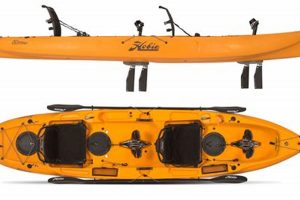
Pontoon boats offer significantly greater capacity compared to kayaks. Their spacious decks accommodate multiple anglers comfortably, often allowing for groups of six or more. This ample space also facilitates carrying larger quantities of gear, including coolers, tackle boxes, and specialized fishing equipment. This increased capacity makes pontoon boats ideal for family outings, group fishing trips, or anglers requiring ample space for specialized equipment. Kayaks, conversely, typically accommodate one or two anglers, limiting group size and gear capacity. While smaller fishing kayaks might prioritize maneuverability over storage, even larger tandem kayaks restrict the amount of gear carried compared to a pontoon boat. This limited capacity necessitates careful gear selection and restricts the feasibility of certain fishing techniques requiring substantial equipment.
The impact of capacity extends beyond simple numbers. A spacious pontoon boat provides room for movement, enhancing comfort and reducing feelings of confinement during longer fishing trips. This added space also facilitates specific fishing techniques, such as trolling with multiple lines or deploying larger fishing spreads. The limited space on a kayak, while promoting a closer-to-nature experience, restricts movement and requires more strategic gear placement and organization. Anglers choosing a kayak prioritize maneuverability and a minimalist approach, accepting limitations in capacity for enhanced access and a more intimate fishing experience. Understanding these capacity trade-offs enables anglers to select the vessel that best aligns with their fishing style, group size, and desired level of comfort and convenience.
Frequently Asked Questions
This FAQ section addresses common inquiries regarding the choice between pontoon boats and kayaks for fishing, offering clear and concise answers to facilitate informed decision-making.
Question 1: Which option is better for beginners?
While both options cater to beginners, kayaks generally offer a gentler learning curve due to their simplicity and lower cost of entry. Mastering basic paddling techniques and maneuvering a kayak requires less technical knowledge compared to operating a motorized pontoon boat. However, beginners concerned about stability might initially find pontoon boats more reassuring.
Question 2: Which is better for fishing in different water types?
Kayaks excel in shallow water, rivers, creeks, and areas with limited access, while pontoon boats are better suited for larger, open bodies of water such as lakes and reservoirs. Water type significantly influences vessel suitability.
Question 3: What are the primary cost differences?
Kayaks are generally much less expensive to purchase, maintain, store, and operate than pontoon boats. Pontoon boats involve higher upfront costs, ongoing maintenance expenses, and potential storage and fuel costs.
Question 4: How does storage differ between the two options?
Kayaks offer easier storage solutions, often fitting in garages or requiring minimal storage space. Pontoon boats, due to their size, require larger dedicated storage areas, potentially incurring additional costs.
Question 5: Which is better for solo fishing versus group fishing?
Kayaks are generally designed for solo or tandem fishing, while pontoon boats accommodate larger groups comfortably. The desired fishing experience, whether solitary or social, influences vessel choice.
Question 6: Which option offers better fishing-specific features?
Pontoon boats often come equipped with fishing-specific features like livewells, rod holders, fish finders, and comfortable seating. Kayaks can be outfitted with similar accessories, but often with more minimalist or portable options.
Careful consideration of these frequently asked questions, alongside individual fishing preferences and needs, clarifies the decision-making process and empowers anglers to select the optimal vessel for a successful and enjoyable fishing experience.
The following section offers a direct comparison table summarizing the key features and differences between pontoon boats and kayaks for fishing.
Pontoon Boat vs Kayak Fishing
The “pontoon boat vs kayak fishing” comparison reveals distinct advantages and disadvantages associated with each watercraft. Factors such as stability, maneuverability, accessibility, cost, and capacity significantly influence vessel suitability for specific fishing styles and environments. Pontoon boats prioritize stability, capacity, and comfort, catering to anglers seeking a social, spacious, and feature-rich fishing experience, particularly in open waters. Kayaks, conversely, emphasize maneuverability, affordability, and a close-to-nature experience, ideal for anglers prioritizing access to shallow or confined waters and a more minimalist approach.
Ultimately, the optimal choice depends on individual angler preferences, target species, budgetary constraints, and the unique characteristics of the chosen fishing locations. Careful consideration of these factors empowers anglers to select the most appropriate vessel, maximizing fishing success and fostering a deeper appreciation for the diverse possibilities offered by the angling experience.