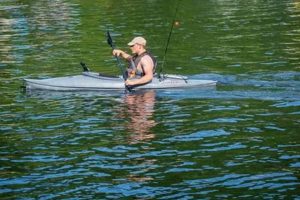
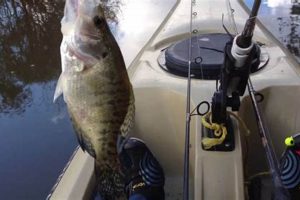
This pursuit involves angling in flowing freshwater bodies from a small, human-powered boat. It offers a unique blend of challenges and rewards, requiring specialized equipment and techniques tailored to navigating currents and accessing hard-to-reach areas. An angler might employ this method to target trout in a mountain creek, for example.
This method provides numerous advantages for anglers. The quiet, low-profile nature of these vessels allows for stealthy approaches to wary fish, increasing the likelihood of success. Furthermore, they grant access to stretches of water inaccessible by larger boats or from the shore, expanding fishing opportunities. Historically, small boats have played a crucial role in fishing cultures worldwide, and the modern adaptation with specialized kayaks builds upon this tradition, providing enhanced portability and maneuverability.
This overview serves as an introduction to the multifaceted aspects of this specialized angling method. The following sections will delve deeper into essential equipment, effective techniques, and responsible practices for maximizing enjoyment and minimizing environmental impact.
Tips for Stream Fishing from a Kayak
Successful stream fishing from a kayak requires careful planning and execution. The following tips offer guidance for a productive and enjoyable experience.
Tip 1: Select Appropriate Equipment. A kayak designed for stability and maneuverability in moving water is crucial. Choose a paddle length suitable for body size and kayak width. Essential gear includes a personal flotation device, appropriate fishing rods and reels, and tackle suited to the target species.
Tip 2: Research the Waterway. Understanding the stream’s flow characteristics, access points, and potential hazards is vital. Consult maps, online resources, or local angling communities for information on water levels, fish species, and regulations.
Tip 3: Master Basic Kayak Control. Practice maneuvering the kayak in calm water before venturing into currents. Learn to effectively paddle upstream, downstream, and across the flow. Develop skills for maintaining position and stability in various water conditions.
Tip 4: Employ Effective Casting Techniques. Adapt casting motions to the confines of the kayak and the presence of overhanging branches or other obstacles. Practice accurate, short casts, as they are often more productive in streams.
Tip 5: Fish Upstream. Presenting lures or bait naturally with the current increases the likelihood of attracting fish. Start at the downstream end of a chosen stretch and work upstream methodically.
Tip 6: Observe and Adapt. Pay attention to the environment and adjust techniques accordingly. Note the presence of insects, baitfish, and other indicators of fish activity. Experiment with different lures, retrieves, and depths to discover what works best.
Tip 7: Prioritize Safety. Check weather forecasts before embarking and be prepared for changing conditions. Carry essential safety equipment, including a whistle, first-aid kit, and communication device. Inform someone of the planned fishing location and expected return time.
By adhering to these guidelines, anglers can enhance their success and safety while experiencing the unique rewards of this specialized fishing method.
This comprehensive approach to planning and execution will ultimately lead to a more rewarding and sustainable angling experience. The concluding section will summarize key takeaways and provide additional resources for further exploration.
1. Stable Kayak Selection

Stable kayak selection forms a cornerstone of successful stream fishing. A stable platform is paramount for maintaining balance and maneuverability in dynamic current, enabling effective casting, fish fighting, and landing. Instability compromises angling precision and can lead to capsizing, posing safety risks and disrupting the fishing experience. Consider a scenario where an angler hooks a strong fish in fast-flowing water; a stable kayak provides the necessary leverage and control to manage the fight, whereas an unstable one risks overturning. Similarly, casting accuracy diminishes when balance is precarious. Choosing a kayak with adequate stability significantly enhances angler safety and overall fishing success.
Several factors contribute to kayak stability. Hull design plays a crucial role; wider, flatter hulls generally offer greater initial stability, while longer, narrower hulls provide better secondary stability (resistance to tipping once leaning). Weight capacity also influences stability; exceeding the manufacturer’s recommendations compromises performance and safety. Understanding these design elements informs selection based on individual needs and the intended fishing environment. For smaller streams with slower currents, a shorter, wider kayak may suffice, while larger rivers with faster flows necessitate longer, more stable designs. Selecting the appropriate hull design and adhering to weight limits optimizes stability for a safer and more productive fishing experience. For instance, fishing in turbulent waters requires a kayak with higher stability compared to calm ponds or lakes.
In conclusion, selecting a stable kayak platform profoundly influences stream fishing outcomes. Prioritizing stability enhances angler safety, improves casting accuracy, and facilitates effective fish fighting. Careful consideration of hull design, weight capacity, and the intended fishing environment ensures appropriate kayak selection. This foundational element of stream fishing directly impacts success and safety, enabling anglers to fully engage with the challenges and rewards of this specialized pursuit.
2. Essential Equipment

Appropriate equipment is crucial for a safe and successful kayak stream fishing experience. Specialized gear enhances angler efficiency, comfort, and safety in dynamic river environments. The following facets highlight essential equipment categories and their implications for this specialized angling method.
- Paddle Selection
A properly sized and designed paddle is essential for efficient kayak control. Paddle length should correspond to angler height and kayak width. Lightweight, durable materials such as fiberglass or carbon fiber reduce fatigue during extended paddling sessions. Asymmetrical blade designs enhance stroke efficiency, especially in moving water. An appropriately sized paddle enables precise maneuvering through currents and around obstacles, maximizing angler control and minimizing physical exertion. A paddle too short or long will hinder efficient propulsion and boat control. For instance, a shorter paddle may be suitable for whitewater kayaking, but a longer paddle is generally preferred for covering distance and navigating currents in stream fishing.
- Personal Flotation Device (PFD)
A properly fitted PFD is paramount for angler safety. Inherently unstable conditions, including moving water and potential obstacles, necessitate a well-maintained and appropriately rated PFD. Beyond legal requirements, PFDs provide essential buoyancy in case of capsizing, increasing survival chances in cold water or challenging currents. Modern PFDs offer designs specifically for paddling, incorporating features like high-back flotation and large armholes for unrestricted casting motion. Choosing a fishing-specific PFD with pockets and attachment points for tools and accessories further enhances utility. A PFD should be viewed not merely as a safety precaution, but as an integral piece of fishing equipment.
- Rods and Reels
Rod and reel selection depends on target species and fishing techniques. Shorter rods (5-7 feet) offer maneuverability advantages in confined spaces, while longer rods (7-9 feet) facilitate longer casts and better line control. Spinning reels are versatile choices for a variety of lures and techniques, while baitcasting reels offer greater precision and control for specific applications. The fishing line should match the target species and fishing conditions; lighter lines are suitable for smaller fish and clearer water, while heavier lines are necessary for larger fish or areas with heavy cover. For example, targeting trout in a clear mountain stream may require a lighter rod and reel setup compared to pursuing bass in a murky river.
- Tackle and Accessories
A well-organized tackle selection is essential for adapting to changing fishing conditions. Lures, flies, hooks, weights, and other terminal tackle should be selected based on target species and prevailing water conditions. Waterproof tackle boxes or bags protect gear from moisture and facilitate efficient organization. Additional accessories like fishing pliers, line cutters, and a landing net streamline fish handling and release. A small first-aid kit and a signaling device (whistle) enhance safety.
Careful selection and proper use of these essential equipment categories contribute significantly to angler safety, comfort, and fishing success in kayak stream fishing. Each element plays a crucial role in navigating dynamic river environments, presenting lures effectively, and managing fish efficiently. By prioritizing appropriate equipment, anglers enhance their overall experience and increase the likelihood of a productive and enjoyable outing. For example, an angler properly equipped with a stable kayak, appropriate paddle, PFD, and specialized tackle is better prepared to navigate challenging currents, present lures effectively, and land fish safely compared to an angler with inadequate or ill-suited gear. The right equipment empowers anglers to confidently engage with the unique challenges and rewards of kayak stream fishing.
3. Stream Dynamics Knowledge

Stream dynamics knowledge is fundamental to successful and safe kayak stream fishing. Understanding how water flows in a riverine environment directly impacts angling strategy, kayak positioning, and overall safety. Current speed, water depth, and the presence of obstacles like rocks, logs, and riffles all influence fish behavior and habitat selection. Anglers knowledgeable about these dynamics can predict where fish are likely to hold and present lures or bait effectively. For example, trout often seek refuge in the slower currents behind rocks or in deeper pools, while other species may prefer faster-flowing riffles where oxygen levels are higher. Ignoring these factors can lead to inefficient fishing and missed opportunities. Furthermore, understanding how currents interact with the kayak is crucial for maintaining control and avoiding hazardous situations. Strong currents can quickly push a kayak off course or into obstacles, especially in narrow channels or during high water conditions. Knowledge of eddy currents, backflows, and hydraulics allows anglers to maneuver safely and efficiently.
Practical applications of stream dynamics knowledge are numerous. Reading the water surface reveals clues about underlying structure and current patterns. Turbulence, smooth patches, and changes in water color can indicate depth variations, submerged obstacles, or converging currents. This information informs kayak placement and drift strategies. Anglers can use current seams, where fast and slow water meet, to their advantage by positioning the kayak in slower water and casting into the faster flow. This allows lures or bait to drift naturally through prime feeding zones. Similarly, understanding how eddies form behind obstacles allows anglers to position themselves for strategic casting into relatively calm water adjacent to faster currents. Moreover, recognizing potential hazards like strainers (partially submerged objects that allow water to pass through but trap larger objects) and undercuts (eroded banks) is critical for safe navigation.
In summary, stream dynamics knowledge is an indispensable element of successful kayak stream fishing. It empowers anglers to make informed decisions regarding kayak positioning, lure presentation, and hazard avoidance. This understanding enhances both fishing success and overall safety in dynamic river environments. Failure to consider these factors can lead to unproductive fishing trips and potentially dangerous situations. By combining theoretical knowledge with practical observation, anglers can unlock the full potential of kayak stream fishing, maximizing both enjoyment and effectiveness while minimizing risks.
4. Precise Casting Techniques

Precise casting techniques are essential for successful kayak stream fishing. The confined space within a kayak, combined with the dynamic nature of moving water and the presence of overhanging vegetation or other obstacles, necessitates accurate and adaptable casting strategies. Effective lure or bait presentation is crucial for enticing fish in streams, and precise casting plays a pivotal role in achieving this. Mastering these techniques maximizes fishing opportunities and enhances overall angling success.
- Underhand Casting
This technique is invaluable in tight quarters or under low-hanging branches. The casting motion involves a pendulum-like swing beneath the rod tip, propelling the lure or bait forward with a low trajectory. It allows for accurate placement of the offering in close proximity to the kayak, ideal for targeting fish holding near the bank or under cover. Mastering the underhand cast prevents snags and maximizes fishing opportunities in confined stream environments. For example, an angler positioned close to a brush pile can employ this technique to accurately deliver a lure beneath overhanging branches, accessing otherwise inaccessible fish-holding zones.
- Sidearm Casting
This technique provides a balance between distance and accuracy when space is limited. The casting motion is performed horizontally, parallel to the water surface, allowing for precise placement of the lure or bait without requiring a high backcast. It proves particularly effective when fishing from a seated position or in areas with restricted overhead clearance. Sidearm casting offers a practical solution for navigating tight stream corridors and targeting fish holding near the kayak. For instance, an angler navigating a narrow stream channel can utilize the sidearm cast to effectively present a lure beneath overhanging trees or alongside steep banks.
- Roll Casting
This specialized technique becomes crucial when backcasting space is severely restricted. It involves sweeping the line backward along the water surface, loading the rod, and then propelling the line forward with a smooth upward motion. Roll casting allows for presentation of flies or lures without requiring a traditional backcast, making it ideal for fishing beneath overhanging vegetation or in tight quarters. It is a particularly valuable skill for fly anglers in stream environments. For example, an angler positioned beneath a low bridge or dense canopy can employ roll casting to deliver a fly accurately to the target area without interference from overhead obstructions.
- Accuracy and Presentation
Beyond specific casting techniques, overall accuracy and presentation significantly impact success. Precise placement of lures or bait near target areas, such as submerged logs, undercut banks, or current seams, increases the likelihood of attracting fish. Furthermore, natural presentation of the offering is crucial for enticing strikes. Factors like drift speed, lure action, and line control influence presentation and should be adjusted according to the prevailing conditions. For example, a lure drifting unnaturally fast or at an unnatural angle may spook wary fish, while a well-presented lure that mimics the movement of natural prey is more likely to elicit a strike.
Mastering these precise casting techniques is essential for effective kayak stream fishing. They empower anglers to navigate the challenges of confined spaces, dynamic currents, and complex stream environments. The ability to accurately and effectively present lures or bait significantly increases the likelihood of enticing fish, ultimately maximizing angling success. By refining these skills, anglers enhance their overall stream fishing experience and unlock the full potential of this specialized pursuit.
5. Stealthy Approach Methods

Stealthy approach methods are crucial for success in kayak stream fishing. Fish in streams are often easily spooked, particularly in clear, shallow water. A noisy or highly visible approach can quickly scatter fish, diminishing angling opportunities. Kayaks, by their nature, offer a degree of stealth, being smaller and quieter than motorized boats. However, maximizing this inherent advantage requires conscious effort and specific techniques. The connection between stealth and success is directly related to fish behavior; a cautious approach increases the likelihood of remaining undetected, allowing anglers to present lures or bait effectively before fish become aware of their presence. For example, drifting quietly into a promising pool and making a delicate presentation is more likely to result in a strike than paddling directly into the pool and creating excessive disturbance. Conversely, a careless approach can ruin fishing prospects in an entire stretch of stream, as startled fish may communicate alarm signals to others downstream.
Several techniques contribute to a stealthy approach. Minimizing paddle splashes and kayak movements is paramount. Slow, deliberate paddling strokes create less disturbance than rapid, forceful ones. Avoiding scraping the paddle against the kayak hull or dragging it in the water also reduces noise. Furthermore, choosing appropriate clothing and gear colors can enhance concealment. Neutral tones that blend with the surrounding environment, such as greens, browns, and grays, are less conspicuous than bright colors. Minimizing gear clatter and securing loose items within the kayak further reduces the risk of spooking fish. Approaching from downstream, whenever possible, takes advantage of the current and reduces the likelihood of fish detecting the angler’s presence. In addition, using the stream bank or other natural features for cover helps conceal the kayak’s profile. For instance, approaching a target area from behind a large rock or overhanging vegetation can provide effective concealment.
In conclusion, stealthy approach methods are integral to successful kayak stream fishing. They directly influence fish behavior and angling outcomes. By understanding the importance of a quiet, unobtrusive approach and employing appropriate techniques, anglers significantly enhance their chances of success. This connection between stealth and fishing effectiveness highlights the importance of careful planning and execution in this specialized angling pursuit. Challenges remain, including unpredictable water conditions and varying fish behavior, but a consistent focus on stealth maximizes opportunities and contributes to a more rewarding angling experience.
6. Respectful Fishing Practices
Respectful fishing practices are integral to the sustainability of kayak stream fishing. These practices encompass a range of actions aimed at minimizing environmental impact and preserving fish populations for future generations. The intimate nature of kayak stream fishing, often occurring in fragile ecosystems, necessitates a heightened awareness of responsible angling. Cause and effect relationships are evident; improper handling of fish can lead to stress, injury, and mortality, impacting population dynamics. Similarly, careless disposal of fishing line or other debris pollutes waterways and poses entanglement risks to wildlife. Respectful practices, conversely, contribute to healthy ecosystems and sustained fishing opportunities. For example, employing proper catch-and-release techniques, minimizing disturbance to riparian vegetation, and adhering to leave-no-trace principles directly benefit the environment and contribute to the long-term viability of the fishery. These practices are not merely ethical considerations but essential components of responsible kayak stream fishing.
The practical significance of this understanding is readily apparent. Catch-and-release fishing, when executed properly, allows anglers to enjoy the sport while minimizing impact on fish populations. This involves using barbless hooks to facilitate easy removal, handling fish gently with wet hands, and minimizing air exposure. Furthermore, respecting riparian zones, the vegetated areas along stream banks, is crucial for maintaining water quality and providing essential habitat for fish and other aquatic organisms. Avoiding trampling vegetation or disturbing stream beds preserves these sensitive ecosystems. Proper disposal of all fishing-related debris, including line, hooks, and packaging, prevents pollution and protects wildlife. These actions, though seemingly small, collectively contribute to the long-term health and sustainability of stream environments. For instance, discarded fishing line can entangle birds, turtles, and other animals, causing injury or death. Conversely, responsible line disposal prevents such occurrences and preserves the ecological integrity of the waterway.
In summary, respectful fishing practices are inextricably linked to the sustainability of kayak stream fishing. They represent a crucial element of responsible angling, ensuring the preservation of fragile stream ecosystems and the long-term viability of fish populations. Understanding the cause-and-effect relationships between angler actions and environmental outcomes underscores the practical significance of these practices. Challenges remain, including educating anglers about best practices and addressing issues like habitat degradation and invasive species. However, a commitment to respectful fishing practices strengthens the connection between anglers and the environments they cherish, ensuring the future of this rewarding pursuit.
Frequently Asked Questions
This section addresses common inquiries regarding kayak stream fishing, providing concise and informative responses.
Question 1: What type of kayak is best suited for stream fishing?
Kayaks designed specifically for fishing, often featuring wider, more stable hulls and specialized features like rod holders and anchor trolleys, are generally recommended. Shorter kayaks offer enhanced maneuverability in tight streams, while longer kayaks provide greater tracking and speed in larger rivers. Inflatable kayaks offer portability advantages but may be less durable than hard-shell models. Selection depends on individual needs and the specific characteristics of the intended fishing environment.
Question 2: What safety precautions are essential for kayak stream fishing?
Wearing a properly fitted personal flotation device (PFD) is paramount. Checking weather forecasts before embarking and being aware of potential hazards like strainers and changing water levels is crucial. Informing someone of the planned fishing location and estimated return time enhances safety. Carrying a first-aid kit, whistle, and communication device are also recommended precautions.
Question 3: What fishing gear is recommended for stream fishing from a kayak?
Shorter fishing rods (5-7 feet) generally offer better maneuverability in a kayak. Spinning reels are versatile choices, while baitcasting reels offer greater precision for specific techniques. Line selection depends on the target species and fishing conditions. Essential tackle includes hooks, weights, lures, and flies appropriate for the target species. A landing net facilitates safe fish handling.
Question 4: How does one navigate currents effectively in a kayak?
Understanding stream dynamics is essential for efficient kayak navigation. Learning to paddle upstream, downstream, and across currents effectively is crucial. Ferrying, eddy turns, and other maneuvering techniques enhance control in moving water. Practicing in calm water before venturing into currents is recommended. Awareness of potential hazards like strainers and sweepers is vital.
Question 5: What are the legal requirements for kayak fishing in streams?
Regulations vary by location. Obtaining appropriate fishing licenses and permits is mandatory. Adhering to size and creel limits for specific species is essential. Familiarization with local regulations regarding access points, permitted fishing methods, and protected species is the angler’s responsibility.
Question 6: What ethical considerations are relevant to kayak stream fishing?
Practicing catch-and-release fishing, using barbless hooks, and handling fish minimally reduces stress on fish populations. Respecting riparian zones by avoiding trampling vegetation and disturbing stream beds preserves sensitive ecosystems. Proper disposal of all fishing-related debris minimizes environmental impact. Adhering to leave-no-trace principles ensures the preservation of natural resources for future generations.
This FAQ section offers guidance on key aspects of kayak stream fishing. Further research and consultation with local angling communities can provide additional insights specific to particular locations and target species.
The next section will explore advanced techniques for kayak stream fishing, building upon the foundational knowledge presented thus far.
Kayak Stream Fishing
This exploration of kayak stream fishing has highlighted key elements essential for a successful and sustainable experience. From equipment selection and casting techniques to stream dynamics knowledge and respectful fishing practices, each facet contributes significantly to angler effectiveness and environmental responsibility. A stable kayak platform, appropriate paddle, and specialized fishing gear enhance control and efficiency in dynamic river environments. Understanding current patterns, fish behavior, and habitat preferences informs strategic angling decisions. Precise casting techniques maximize opportunities in confined spaces, while stealthy approach methods minimize disturbance and increase the likelihood of success. Prioritizing respectful fishing practices, including proper catch-and-release techniques and adherence to leave-no-trace principles, ensures the long-term health and viability of stream ecosystems.
Kayak stream fishing offers a unique and rewarding way to connect with nature and pursue angling challenges in dynamic freshwater environments. Continued learning, adaptation to specific stream conditions, and a commitment to responsible practices will further enhance both the enjoyment and sustainability of this specialized pursuit. The future of this activity relies on angler stewardship and a collective effort to preserve these valuable aquatic resources for generations to come. Careful consideration of the elements presented herein empowers anglers to approach kayak stream fishing with informed awareness, maximizing both personal fulfillment and environmental responsibility.