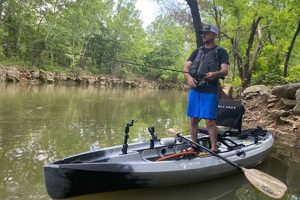
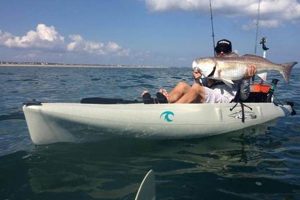
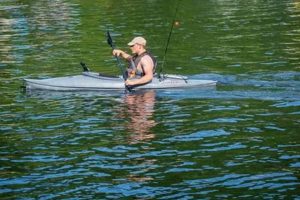
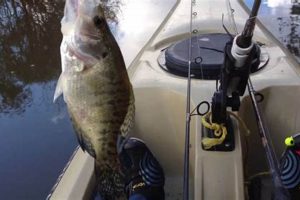
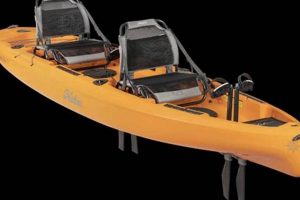
The temporary use of a kayak specifically designed for angling provides an accessible entry point to this popular watersport. Outfitted with features like rod holders, storage compartments, and often specialized seating, these watercraft offer a stable and efficient means of navigating lakes, rivers, and coastal waters in pursuit of fish. Imagine gliding across a tranquil lake at dawn, casting a line in the serene quiet, surrounded by nature. This experience is readily available through temporary use agreements with outfitters.
Offering affordability and convenience, short-term access to specialized kayaks opens up angling opportunities for a wider audience. It eliminates the need for substantial upfront investment and long-term storage solutions. Historically, angling from small, human-powered vessels has been a common practice, evolving from traditional canoes and small boats. The increasing specialization of kayaks for angling reflects the growing popularity of this pursuit and a demand for enhanced performance and comfort on the water. This approach fosters environmental stewardship by encouraging low-impact recreation and promoting appreciation for natural waterways.
The following sections will explore various aspects of acquiring temporary use of angling kayaks, including locating reputable providers, understanding pricing structures, evaluating suitable kayak designs, and ensuring safety on the water.
Tips for Selecting a Fishing Kayak Rental
Careful consideration of several factors contributes to a successful and enjoyable angling experience from a rented kayak.
Tip 1: Research Rental Providers: Evaluate providers based on reputation, customer reviews, and the condition of their equipment. A well-maintained kayak significantly impacts safety and performance.
Tip 2: Consider Kayak Features: Different kayak designs cater to various fishing styles and water conditions. Sit-on-top kayaks offer stability and ease of entry, while sit-inside kayaks provide better protection from the elements. Evaluate features such as rod holders, storage compartments, and rudder systems to ensure compatibility with individual needs.
Tip 3: Match Kayak to Water Conditions: Longer kayaks track better in open water, while shorter, wider kayaks provide greater stability in calmer environments. Consider anticipated water conditions, including wind, currents, and potential waves.
Tip 4: Inquire About Safety Equipment: Ensure the rental includes essential safety gear such as a personal flotation device (PFD), a whistle, and a paddle leash. Familiarize oneself with the operation of safety equipment prior to launch.
Tip 5: Understand Rental Terms: Clarify rental duration, permitted fishing locations, and any restrictions on modifications or equipment additions. Review cancellation policies and insurance coverage.
Tip 6: Check Weather Forecasts: Prior to departure, check marine weather forecasts for wind speed, wave height, and precipitation. Avoid venturing out in hazardous conditions.
Tip 7: Plan Fishing Strategy: Research potential fishing locations and target species. Consider prevailing tides, currents, and optimal fishing times. Prepare tackle and equipment accordingly.
Tip 8: Pack Essential Gear: Bring essential items like sunscreen, a hat, polarized sunglasses, and appropriate clothing for varying weather conditions. A dry bag can protect valuables from water damage.
By adhering to these recommendations, individuals can maximize their chances of a safe, productive, and enjoyable fishing experience from a rented kayak.
This guidance facilitates informed decision-making, enhancing both safety and angling success. The concluding section offers a concise overview of key considerations for optimizing rented kayak usage.
1. Rental Locations
The geographic distribution of rental locations significantly influences accessibility to fishing kayaks. Proximity to desirable fishing grounds, transportation infrastructure, and local tourism dynamics all play a role in shaping the availability and demand for rentals. Coastal regions with established angling communities often feature a higher density of rental providers, catering to both residents and visitors. Conversely, inland areas with fewer natural waterways or less developed tourism infrastructure might present limited rental options. For instance, a popular coastal destination like Florida offers numerous rental locations along its extensive coastline, while a landlocked state like Nebraska might have fewer options concentrated around major lakes and rivers. This distribution pattern directly impacts the convenience and feasibility of securing a fishing kayak rental.
The specific characteristics of a rental location further determine the suitability of a fishing kayak experience. Factors such as water access points, parking availability, and the presence of supporting amenities like boat ramps or fishing piers can significantly enhance convenience and user satisfaction. Locations offering guided tours or fishing instruction can cater to novice anglers, expanding accessibility to the sport. For example, a rental location situated within a state park with dedicated kayak launch areas and ample parking offers a more streamlined and user-friendly experience compared to a location requiring street parking and a challenging portage to the water’s edge. Understanding these logistical aspects enables informed decision-making when selecting a rental location.
In conclusion, the strategic placement of rental locations is a crucial component of facilitating access to fishing kayaks. Analyzing geographic distribution patterns, considering local infrastructure, and evaluating site-specific amenities allows individuals to identify optimal rental options. This understanding contributes to a more informed decision-making process, ultimately enhancing the overall fishing kayak experience. The varying concentration of rental locations underscores the importance of pre-trip planning and research to ensure alignment with individual needs and logistical constraints.
2. Kayak Selection

Appropriate kayak selection is paramount for a successful fishing kayak rental experience. The chosen vessel directly impacts stability, maneuverability, and overall angling efficacy. Careful consideration of kayak characteristics in relation to individual needs and anticipated fishing conditions ensures optimal performance and enjoyment on the water. Matching the kayak to the intended fishing environment and personal preferences maximizes comfort, efficiency, and safety.
- Hull Design
Hull design significantly influences kayak performance. Wider, flatter hulls offer enhanced stability, ideal for calmer waters and stand-up fishing. Longer, narrower hulls provide greater speed and tracking capability, suited for open water and covering longer distances. A “pontoon-style” hull maximizes stability, while a “V-shaped” hull prioritizes speed and maneuverability. Selecting the appropriate hull design for the intended fishing environment is crucial for maximizing stability and efficiency.
- Length and Width
Kayak dimensions directly affect stability and maneuverability. Shorter kayaks are easier to turn in tight spaces but may be less stable than longer kayaks. Wider kayaks provide more stability but sacrifice maneuverability. A 10-foot kayak offers maneuverability in tight quarters, while a 14-foot kayak delivers superior tracking in open water. Understanding the interplay between length and width is essential for selecting a kayak suited to specific fishing needs.
- Features and Accessories
Specialized features enhance the fishing kayak experience. Rod holders, storage compartments, anchor trolleys, and rudder systems contribute to angling efficiency and convenience. Adjustable seating positions maximize comfort during long fishing trips. A kayak equipped with built-in rod holders and storage compartments streamlines tackle organization and access. Evaluating available features and accessories ensures alignment with individual fishing preferences.
- Weight Capacity
Weight capacity dictates the safe carrying limit of a kayak. Exceeding this limit compromises stability and increases the risk of capsizing. Consider the combined weight of the angler, fishing gear, and any potential catch when selecting a kayak. A kayak with a higher weight capacity provides increased stability and accommodates heavier anglers or additional gear. Understanding weight capacity limitations is critical for ensuring safe operation.
Careful consideration of these factors ensures the selected fishing kayak aligns with individual needs and the intended fishing environment. Optimizing kayak selection contributes significantly to a safe, comfortable, and productive angling experience. By understanding the relationships between kayak characteristics, fishing styles, and water conditions, anglers can make informed decisions when renting a fishing kayak, ultimately maximizing their time on the water. A well-chosen kayak enhances angling success and overall enjoyment.
3. Safety Gear
Safety gear is an integral component of responsible fishing kayak rentals. The inherent risks associated with on-water activities necessitate appropriate safety precautions. Rental providers bear a responsibility to furnish essential safety equipment, and renters bear an equal responsibility to utilize it correctly. A direct correlation exists between proper safety gear usage and mitigating potential hazards on the water. For example, a properly fitted personal flotation device (PFD) can prevent drowning in the event of capsizing, while a whistle can aid in signaling for assistance in an emergency. Neglecting safety gear elevates the risk of accidents and injuries, potentially leading to severe consequences. A comprehensive understanding of safety gear usage is therefore crucial for all parties involved in fishing kayak rentals.
Several key pieces of safety gear contribute to a secure fishing kayak experience. PFDs, designed to keep individuals afloat in the event of water entry, are fundamental. Whistles provide a means of auditory signaling for assistance, crucial in situations beyond verbal communication range. Paddle leashes prevent paddle loss in rough conditions or during capsizing. Dry bags or waterproof containers protect essential items like phones and wallets from water damage. First-aid kits provide basic medical supplies for minor injuries. Navigation lights enhance visibility in low-light conditions. For example, operating a kayak after sunset without proper navigation lights increases the risk of collision with other vessels. Careful consideration of these safety elements contributes significantly to accident prevention and overall safety on the water. Reputable rental providers typically include these items as part of the rental package, reinforcing their commitment to user safety.
Prioritizing safety gear usage contributes significantly to mitigating risks inherent in fishing kayak rentals. Understanding the function and proper usage of each piece of equipment is essential. Regular inspection of safety gear for wear and tear ensures optimal effectiveness. Open communication between rental providers and renters regarding safety procedures fosters a culture of responsibility on the water. Ultimately, a comprehensive approach to safety, encompassing both equipment provision and user awareness, is paramount for minimizing potential hazards and ensuring enjoyable fishing kayak experiences. This proactive approach to safety promotes responsible watersport participation and fosters a safer environment for all.
4. Rental Duration
Rental duration is a critical aspect of fishing kayak rentals, directly influencing planning, budgeting, and the overall angling experience. The selected timeframe dictates the scope of fishing opportunities and impacts logistical considerations. A clear understanding of rental duration options and their implications is essential for maximizing time on the water and ensuring a successful outing. Balancing available time with desired fishing objectives requires careful consideration of rental duration choices.
- Hourly Rentals
Hourly rentals cater to shorter fishing trips or trial runs for novice anglers. This option provides flexibility for individuals seeking brief on-water experiences or testing different kayak models. An hourly rental might suit someone looking to fish a nearby pond for a few hours after work or trying out kayak fishing before committing to a longer rental. However, hourly rentals might prove less cost-effective for extended fishing excursions.
- Half-Day Rentals
Half-day rentals offer a balance between flexibility and extended fishing time. This option accommodates anglers seeking a substantial fishing experience without committing to a full day. A half-day rental allows for exploring a larger section of a lake or river or targeting specific feeding windows during morning or afternoon hours. This duration often proves ideal for anglers with limited time constraints or those exploring new fishing grounds.
- Full-Day Rentals
Full-day rentals provide ample time for comprehensive fishing excursions. This option suits anglers seeking immersive experiences, allowing for exploration of distant locations or targeting various species throughout the day. A full-day rental allows for maximizing fishing time and adapting to changing conditions or fish behavior. This duration is ideal for dedicated anglers seeking to fully immerse themselves in the fishing experience.
- Multi-Day Rentals
Multi-day rentals cater to extended fishing trips or expeditions. This option suits anglers embarking on camping trips or exploring remote waterways. A multi-day rental provides flexibility for longer excursions and accommodates overnight stays near prime fishing locations. This extended duration allows for in-depth exploration of a region’s fishing opportunities and maximizes chances of angling success. However, multi-day rentals require careful planning and consideration of logistical factors like transportation and storage.
Careful consideration of rental duration options allows anglers to optimize their fishing kayak experience. Matching the rental period to individual needs and fishing objectives ensures efficient use of time and resources. Understanding the implications of each duration choice enables informed decision-making and contributes to a more fulfilling and productive angling experience. This strategic approach to rental duration maximizes the potential for a successful and enjoyable outing on the water.
5. Pricing Structure

Pricing structures for fishing kayak rentals significantly influence accessibility and consumer decision-making. Rental costs represent a critical factor for individuals considering this recreational activity. Varied pricing models cater to diverse needs and budgets, impacting participation rates and overall market dynamics. Understanding the components and rationale behind pricing structures is essential for both consumers and rental providers. A transparent and well-defined pricing structure fosters trust and facilitates informed choices. For example, a clearly articulated pricing model outlining hourly, half-day, and full-day rates allows potential renters to compare options and select the most suitable duration for their budget and fishing objectives. Conversely, ambiguous or inconsistent pricing can deter potential customers and create confusion in the marketplace.
Several factors contribute to the complexity of fishing kayak rental pricing. Rental duration is a primary determinant, with longer rental periods typically commanding higher overall costs. Kayak type and features also influence pricing; specialized fishing kayaks equipped with advanced features like rod holders, fish finders, and comfortable seating may incur premium charges compared to basic models. Location plays a significant role, with rentals situated in prime fishing destinations or areas with high demand often commanding higher prices due to increased desirability and operational costs. Seasonal variations also influence pricing, with peak seasons often experiencing higher rates due to increased tourist activity. For example, a kayak rental in a popular coastal destination during the summer months might be priced higher than the same rental during the off-season. Furthermore, additional services such as guided tours, equipment delivery, or fishing instruction can contribute to overall rental costs. Understanding these contributing factors empowers consumers to evaluate pricing structures effectively and make informed decisions based on their individual needs and budget constraints.
Effective pricing structures balance profitability for rental providers with accessibility for consumers. Transparent pricing models clearly outline all associated costs, avoiding hidden fees or unexpected charges. Competitive pricing strategies consider market dynamics and competitor offerings to attract customers while maintaining sustainable business operations. Flexible pricing options, such as discounted rates for multi-day rentals or off-season bookings, can incentivize customer loyalty and broaden market reach. Ultimately, a well-designed pricing structure contributes to the overall success and sustainability of fishing kayak rental businesses while ensuring access to this recreational activity for a wider audience. This balance benefits both consumers and providers, fostering a thriving and accessible market for fishing kayak rentals.
6. Local Regulations

Adherence to local regulations is paramount when engaging in fishing kayak rentals. Regulations vary significantly by jurisdiction and directly impact permissible activities, equipment requirements, and conservation efforts. Non-compliance can result in penalties, jeopardizing angling privileges and potentially harming local ecosystems. Understanding and respecting these regulations ensures a legal, ethical, and sustainable approach to kayak fishing. This proactive approach contributes to the preservation of natural resources and fosters positive relationships between anglers, local communities, and regulatory bodies.
- Fishing Licenses and Permits
Fishing licenses and permits are fundamental prerequisites for legal angling. Specific license requirements vary based on factors such as residency, age, and targeted species. Acquiring the necessary licenses prior to embarking on a fishing kayak trip is essential. For instance, some regions require separate licenses for freshwater and saltwater fishing, while others may offer combined licenses. Failure to possess valid licenses can result in fines and potential confiscation of catch. Rental providers often offer guidance on local licensing requirements, facilitating compliance and promoting responsible angling practices.
- Catch Limits and Size Restrictions
Catch limits and size restrictions aim to maintain healthy fish populations and prevent overfishing. Regulations dictate the number and size of specific fish species that anglers can legally retain. Adhering to these limits ensures the sustainability of local fisheries and preserves angling opportunities for future generations. For example, regulations might stipulate a daily catch limit of five trout per angler, with a minimum size requirement of 12 inches. Exceeding these limits can result in penalties and negatively impact the long-term health of fish populations. Responsible anglers utilize measuring tools and adhere strictly to catch limits, contributing to conservation efforts.
- Designated Fishing Areas
Designated fishing areas regulate angling activities within specific zones. Certain areas might be designated as sanctuaries, protected habitats, or restricted zones to preserve sensitive ecosystems or ensure public safety. Respecting these designations is crucial for minimizing environmental impact and avoiding conflicts with other recreational users. For example, some areas might prohibit fishing within a certain distance of a dam or restrict kayak access to specific sections of a river. Understanding and adhering to designated fishing areas ensures responsible and sustainable angling practices. Rental providers often provide maps or information outlining permissible fishing zones, facilitating compliance and promoting responsible kayak usage.
- Equipment Regulations
Equipment regulations pertain to permissible fishing gear and kayak modifications. Restrictions on specific fishing methods, such as the use of live bait or certain types of hooks, might be in place to protect vulnerable species or prevent entanglement hazards. Regulations regarding kayak modifications, such as the installation of specific lighting or signaling devices, aim to enhance safety on the water. For example, some areas might prohibit the use of treble hooks or mandate the use of circle hooks to minimize injury to released fish. Similarly, regulations might require kayaks operated at night to display navigation lights. Understanding and adhering to equipment regulations ensures compliance with local ordinances and promotes safe and responsible angling practices. Rental providers often furnish kayaks equipped according to local regulations, simplifying compliance for renters.
Understanding and complying with local regulations is integral to responsible fishing kayak rentals. These regulations play a crucial role in preserving aquatic ecosystems, ensuring fair and sustainable angling practices, and promoting safety on the water. By researching and adhering to these rules, anglers contribute to the long-term health of fisheries and foster positive relationships with local communities and regulatory authorities. This proactive approach to compliance ensures a more sustainable and enjoyable fishing kayak experience for all.
Frequently Asked Questions about Fishing Kayak Rentals
This section addresses common inquiries regarding fishing kayak rentals, providing concise and informative responses to facilitate informed decision-making and enhance the overall rental experience. Clarification of these frequently raised points aims to alleviate potential concerns and promote a smooth and enjoyable rental process.
Question 1: What are typical rental rates for fishing kayaks?
Rental rates vary based on factors such as location, kayak type, rental duration, and included equipment. Hourly rates typically range from $15 to $30, half-day rates from $40 to $75, and full-day rates from $70 to $150. Premium kayaks or specialized fishing models might command higher prices. Researching local providers and comparing pricing structures is recommended.
Question 2: What type of fishing kayak is best suited for beginners?
Wider, sit-on-top kayaks offer enhanced stability, making them ideal for beginners. These kayaks provide a greater margin of error and are easier to re-enter in the event of a capsize. Shorter kayaks offer better maneuverability in confined spaces, while longer kayaks track better in open water. Considering anticipated water conditions and fishing locations aids in selecting an appropriate kayak.
Question 3: What safety equipment is typically included with a fishing kayak rental?
Reputable rental providers typically include essential safety gear, such as a personal flotation device (PFD), a whistle, and a paddle leash. Inquiring about the inclusion and condition of safety equipment prior to rental is crucial for ensuring a safe and responsible experience on the water. Some providers might also offer additional safety items like bilge pumps, flares, or first-aid kits.
Question 4: What are the typical rental duration options?
Rental durations commonly range from hourly to multi-day periods. Hourly rentals cater to shorter fishing trips, while half-day and full-day rentals accommodate longer excursions. Multi-day rentals are ideal for extended fishing expeditions or camping trips. Selecting the appropriate rental duration depends on individual fishing objectives and logistical considerations.
Question 5: Do I need a fishing license to fish from a rented kayak?
Fishing license requirements vary by jurisdiction and depend on factors such as age, residency, and targeted species. Researching local fishing regulations and obtaining the necessary licenses prior to rental is essential to ensure legal compliance. Rental providers can often provide information on local licensing requirements or direct individuals to relevant resources.
Question 6: What factors should be considered when choosing a fishing kayak rental location?
Factors such as proximity to desired fishing grounds, water access points, parking availability, and the presence of supporting amenities like boat ramps or fishing piers should be considered when selecting a rental location. Evaluating local fishing regulations, rental provider reputation, and customer reviews also contributes to informed decision-making.
Careful consideration of these frequently asked questions equips individuals with the knowledge necessary to navigate the fishing kayak rental process effectively. Understanding rental procedures, safety protocols, and local regulations contributes to a safe, enjoyable, and productive fishing experience.
The subsequent section delves into specific tips for optimizing the fishing kayak rental experience, offering practical advice for maximizing angling success and overall enjoyment on the water.
Fishing Kayak Rental
Careful evaluation of fishing kayak rentals, encompassing factors such as provider reputation, kayak selection, safety protocols, rental duration, pricing structures, and local regulations, is essential for a successful angling experience. Understanding the interplay of these elements empowers informed decision-making, optimizing both safety and enjoyment on the water. Prioritizing appropriate kayak selection, aligned with individual skill levels and fishing objectives, contributes significantly to angling efficacy. Adherence to safety guidelines and regulatory compliance ensures responsible and sustainable watersport participation. Thoughtful consideration of rental duration and associated costs allows for effective budgeting and maximizes time spent pursuing targeted species.
The increasing popularity of fishing kayak rentals reflects a growing appreciation for accessible and versatile angling opportunities. This trend underscores the importance of responsible resource management and sustainable practices to preserve aquatic ecosystems for future generations. Continued emphasis on safety education and regulatory compliance will contribute to the long-term viability and enjoyment of this evolving recreational pursuit. Ultimately, informed participation in fishing kayak rentals fosters a deeper connection with nature and promotes responsible stewardship of aquatic environments.