Kayaks designed specifically for angling and available on the market during the 2016 model year represent a distinct category within recreational watercraft. These vessels typically featured specialized design elements like rod holders, storage compartments for tackle, and potentially even built-in fish finders or livewells. A hypothetical example would be a sit-on-top model constructed of rotomolded polyethylene, equipped with adjustable footrests and paddle parks.
The 2016 timeframe offers a snapshot of kayak fishing technology and trends. This period saw continued growth in the sport’s popularity, driving innovation in kayak design and features. Examining models from this era can provide valuable insights into the evolution of fishing kayak features and their impact on the angling experience. This period likely showcased advancements in hull designs for stability and tracking, as well as integration of increasingly sophisticated fishing-specific accessories.
Further exploration could delve into specific manufacturers, models, and popular features of fishing kayaks prevalent in 2016. Analyzing reviews and user experiences from that period can provide a deeper understanding of the advantages and disadvantages of various designs. Additionally, comparing 2016 models to contemporary kayaks can highlight key advancements and shifts in the market.
Tips for Selecting and Using Kayaks from 2016
Careful consideration of several factors is crucial when selecting and utilizing kayaks manufactured in 2016. These tips offer guidance for leveraging the benefits and addressing the potential limitations of these kayaks.
Tip 1: Evaluate Hull Design: Different hull designs offer varying degrees of stability and maneuverability. A wider, flatter hull offers superior stability, ideal for calmer waters and stand-up fishing. A longer, narrower hull provides better tracking and speed, suited for covering larger distances or paddling in currents.
Tip 2: Inspect for Wear and Tear: Given their age, kayaks from 2016 require thorough inspection. Focus on areas prone to stress, such as the hull, seams, and any areas with hardware attachments. Look for cracks, deep scratches, or signs of UV damage.
Tip 3: Consider Storage Capacity: Adequate storage is essential for fishing gear. Evaluate the size and placement of hatches and storage compartments to ensure they can accommodate tackle boxes, rods, and other equipment.
Tip 4: Check Compatibility with Modern Accessories: Verify that the kayak’s design allows for the integration of contemporary fish finders, rod holders, and other accessories. Ensure compatibility with current mounting systems and transducer scupper holes.
Tip 5: Assess Seating Comfort and Adjustability: Prolonged periods on the water necessitate a comfortable and supportive seat. Check for adjustability features to accommodate individual preferences and ensure proper paddling posture. Consider aftermarket seating upgrades if needed.
Tip 6: Research Manufacturer Reputation and Model Reviews: Examining the manufacturer’s reputation for quality and durability, along with user reviews specific to the 2016 model, can offer valuable insights into potential issues or strengths.
Tip 7: Prioritize Safety Equipment: Regardless of the kayak’s age, proper safety gear remains paramount. Always wear a personal flotation device (PFD) and carry essential safety equipment, including a whistle, signaling device, and bilge pump.
By addressing these factors, anglers can make informed decisions regarding kayaks from 2016, ensuring safe and productive fishing experiences.
These practical considerations serve as a starting point for a more in-depth exploration of fishing kayaks manufactured in 2016.
1. Design Innovations

Design innovations in 2016 fishing kayaks represent a pivotal stage in the evolution of angling-specific watercraft. These advancements aimed to enhance on-the-water performance, improve angler comfort, and integrate specialized features directly into kayak designs. Examining these innovations offers valuable insights into the trajectory of kayak fishing development.
- Hull Design Advancements
Hull designs in 2016 saw refinements in stability and tracking. Wider, flatter hulls provided enhanced stability for stand-up fishing, while longer, narrower hulls improved speed and efficiency in open water. Tunnel hulls, designed to improve stability in shallow water, also gained traction. These design choices directly influenced kayak performance in various fishing environments.
- Integration of Fishing-Specific Features
2016 models increasingly integrated features tailored to anglers’ needs. Recessed rod holders, strategically placed storage compartments for tackle boxes, and integrated mounting systems for fish finders became more common. These additions streamlined the fishing experience and improved on-the-water functionality.
- Improved Seating and Ergonomics
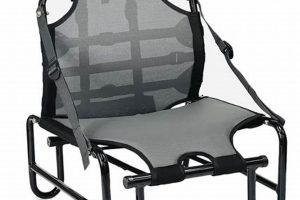
Angler comfort received increased attention in 2016 kayak designs. Adjustable seating systems, improved back support, and higher seating positions enhanced ergonomics and reduced fatigue during long fishing trips. These advancements recognized the importance of comfort for extended periods on the water.
- Advances in Pedal-Powered Kayaks
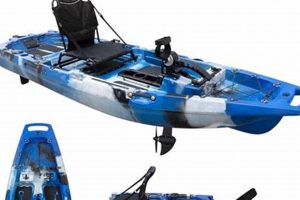
Pedal-powered kayaks continued to gain popularity in 2016, offering hands-free propulsion and increased fishing efficiency. Improvements in pedal drive systems and integration with rudder steering enhanced maneuverability and allowed anglers to cover more water.
These design innovations reflect the growing sophistication of fishing kayaks in 2016. By analyzing these developments, one can gain a clearer understanding of how manufacturers responded to the evolving needs of anglers and how these changes shaped the future of kayak fishing design.
2. Material Technology
Material technology played a crucial role in the performance and durability of 2016 fishing kayaks. The selection of materials directly impacted factors such as weight, strength, resistance to UV degradation, and overall kayak lifespan. Understanding the materials employed in 2016 models provides valuable context for assessing their condition and suitability for continued use.
Rotomolded polyethylene remained a dominant material for fishing kayak construction in 2016. Its durability, impact resistance, and relatively low cost made it a popular choice. Higher-end models might have incorporated more specialized plastics or composites, offering potential weight savings or increased rigidity. For example, some manufacturers used thermoformed ABS plastic for its lighter weight and enhanced aesthetics, while others employed fiberglass or carbon fiber composites for increased stiffness and performance. Understanding the specific material composition of a 2016 kayak informs expectations regarding its durability and maintenance requirements.
The practical significance of material technology in 2016 fishing kayaks is evident in their long-term performance. Kayaks constructed from high-quality, UV-resistant polyethylene could exhibit excellent longevity, while those made with less robust materials might show signs of degradation, such as fading, cracking, or reduced structural integrity. Assessing the material condition is crucial when evaluating a used 2016 model. Recognizing the connection between material technology and kayak longevity enables informed decisions regarding purchase and maintenance. This understanding also highlights the importance of proper storage and care to preserve the integrity of the kayak’s materials over time.
3. Specialized Features

Specialized features distinguish fishing kayaks from recreational models, enhancing their utility and angler efficiency. Examining these features in the context of 2016 models reveals how manufacturers catered to the evolving needs of kayak anglers and provides insights into the prevailing design trends of that era. These features directly impact on-the-water performance, angler comfort, and overall fishing success.
- Rod Holders
Rod holders, essential for hands-free fishing and lure management, saw significant development in 2016 kayaks. Flush-mounted rod holders offered a streamlined profile, minimizing line snags. Adjustable rod holders catered to different fishing techniques and rod lengths. The number and placement of rod holders directly influenced an angler’s ability to manage multiple lines and quickly switch between techniques. High-end models might feature specialized holders for trolling or fly fishing.
- Storage Solutions
Storage solutions in 2016 models focused on accommodating essential fishing gear. Larger hatches provided access to spacious compartments for tackle boxes and other bulky items. Smaller, strategically placed compartments offered quick access to frequently used items like pliers or lures. Tank wells, often located behind the seat, secured larger items such as crates or coolers. These storage features directly impacted an angler’s ability to organize gear and maintain a clutter-free fishing platform.
- Mounting Systems and Accessory Integration
2016 fishing kayaks increasingly incorporated mounting systems for accessories like fish finders, GPS units, and cameras. Tracks, rails, and strategically placed inserts offered versatile mounting options. The compatibility of these mounting systems with popular accessory brands influenced an angler’s ability to customize their setup and integrate essential electronics. This integration enhanced the fishing experience by providing real-time information and improving navigation.
- Rudder Systems and Enhanced Maneuverability
Rudder systems, controlled by foot pedals, offered improved maneuverability and tracking, particularly in windy conditions or currents. 2016 models often featured integrated rudder systems, streamlining control and reducing interference with paddling strokes. The presence and design of a rudder system influenced a kayak’s performance in various water conditions and contributed to overall fishing efficiency.
These specialized features collectively define the functionality of 2016 fishing kayaks. By analyzing these features, one can gain a deeper understanding of the capabilities of these models and how they catered to the diverse needs of anglers. This understanding provides valuable context when comparing 2016 models to contemporary kayaks and highlights the ongoing evolution of fishing-specific design.
4. Manufacturer Landscape

The manufacturer landscape of 2016 provides crucial context for understanding the range and features available in fishing kayaks during that period. Established brands like Hobie, Wilderness Systems, and Ocean Kayak continued to hold significant market share, leveraging their experience and reputation for quality. Simultaneously, smaller manufacturers and emerging brands contributed to a diverse market, often focusing on niche designs or innovative features to differentiate their offerings. This competitive landscape drove innovation and provided consumers with a wider array of choices based on budget, fishing style, and desired features.
Competition among manufacturers influenced the development and adoption of specific features. For example, Hobie’s MirageDrive pedal system, a prominent feature in their fishing kayaks, likely spurred other manufacturers to develop alternative pedal-drive technologies or focus on refining paddle kayak designs to remain competitive. Similarly, the integration of fish finders and GPS systems became increasingly prevalent as manufacturers sought to provide anglers with more technologically advanced fishing platforms. Analyzing the manufacturer landscape illuminates the interplay between competition, innovation, and consumer demand in shaping the 2016 fishing kayak market.
Understanding the 2016 manufacturer landscape provides valuable insights for anyone researching or considering purchasing a kayak from this era. Recognizing the key players, their respective strengths and weaknesses, and the prevailing design trends informs more strategic purchasing decisions. This knowledge empowers consumers to evaluate kayaks based on their individual needs and preferences, considering factors such as brand reputation, specialized features, and overall value. It also aids in the assessment of the long-term availability of parts and accessories, a critical consideration for maintaining and upgrading older kayak models.
5. User Experiences

User experiences with 2016 fishing kayaks offer invaluable insights into the practical application and long-term performance of these models. These experiences, documented through online reviews, forum discussions, and personal accounts, provide a crucial perspective often absent from manufacturer specifications. Analyzing user feedback reveals strengths and weaknesses specific to certain models, contributing to a more comprehensive understanding of their suitability for various fishing styles and conditions. For example, user reviews might highlight the exceptional stability of a specific 2016 sit-on-top model, making it ideal for stand-up fishing, while simultaneously revealing its limited tracking ability in open water or challenging wind conditions. Conversely, reviews of a longer, touring-style fishing kayak from the same year might praise its speed and efficiency over long distances but point out its lower stability compared to wider, shorter models.
The practical significance of user experiences becomes particularly apparent when considering the long-term durability and performance of 2016 kayaks. Reviews from anglers who have owned and used these kayaks for several years can reveal potential issues related to material degradation, hardware corrosion, or design flaws that may not be immediately apparent in newer models. For instance, recurring complaints about leaky hatches or cracking in specific areas of the hull can alert prospective buyers to potential weaknesses and inform maintenance strategies. This information empowers informed decision-making regarding purchasing used 2016 models and guides preventative maintenance practices to mitigate potential problems. User experiences bridge the gap between theoretical design and real-world application, providing a crucial layer of information for prospective buyers and current owners alike.
In conclusion, user experiences represent a vital component in understanding the performance and long-term viability of 2016 fishing kayaks. Analyzing these experiences provides a nuanced perspective beyond manufacturer specifications, revealing both the strengths and limitations of various models. This user-generated knowledge base empowers informed decision-making, facilitates proactive maintenance, and ultimately contributes to a more comprehensive understanding of the 2016 fishing kayak landscape. Accessing and interpreting this wealth of user feedback remains essential for anyone considering the purchase or continued use of kayaks from this era. It offers crucial insights into the real-world performance and long-term implications of specific design choices and material selections, ensuring a more informed and ultimately more satisfying kayak fishing experience.
Frequently Asked Questions about 2016 Fishing Kayaks
This section addresses common inquiries regarding fishing kayaks from the 2016 model year, providing concise and informative responses.
Question 1: How do 2016 models compare to contemporary fishing kayaks?
2016 models represent a specific technological snapshot. Contemporary kayaks often incorporate advancements in materials, hull designs, and features like integrated electronics and pedal-drive systems. Direct comparison reveals the evolution of kayak fishing design and technology.
Question 2: Are replacement parts readily available for 2016 kayaks?
Parts availability can vary depending on the manufacturer and specific model. Common components like seats and hatches might be readily available, while specialized parts for older drive systems or unique features could be more challenging to source. Pre-purchase research is recommended.
Question 3: What are common signs of wear and tear to look for in a used 2016 kayak?
Key areas include the hull (scratches, cracks, UV damage), seams (separation or leakage), hardware (corrosion or damage), and seating (wear and tear, functionality of adjustable components). Thorough inspection is crucial before purchasing a used kayak.
Question 4: Can modern fish finders and accessories be installed on 2016 kayaks?
Compatibility varies depending on the kayak’s design and mounting systems. Check for existing mounting points, transducer scupper holes, and available space for transducer installation. Adaptation might be possible with aftermarket mounting solutions.
Question 5: What safety considerations are paramount when using a 2016 fishing kayak?
Regardless of the kayak’s age, fundamental safety practices remain crucial. Always wear a personal flotation device (PFD), carry essential safety equipment (whistle, signaling device, bilge pump), check weather conditions before embarking, and inform someone of your paddling plans.
Question 6: What are typical price ranges for used 2016 fishing kayaks?
Pricing depends on the manufacturer, model, condition, and included accessories. Researching comparable models and considering factors like wear and tear, included features, and overall condition allows for a more informed assessment of fair market value.
Careful consideration of these frequently asked questions facilitates informed decision-making regarding the purchase and usage of 2016 fishing kayaks. Addressing these common concerns ensures a safer and more rewarding on-the-water experience.
Further exploration of specific 2016 models and manufacturers is encouraged for those seeking detailed information tailored to their individual needs and preferences.
2016 Fishing Kayaks
Examination of 2016 fishing kayaks reveals a pivotal period in the evolution of angling-specific watercraft. This analysis encompassed design innovations, material technologies, specialized features, the competitive manufacturer landscape, and documented user experiences. Key findings underscore advancements in hull designs for improved stability and tracking, integration of fishing-specific features like rod holders and specialized storage, and the increasing prevalence of pedal-drive systems. Material selection focused on durability and weight optimization, with rotomolded polyethylene remaining a dominant choice. The market landscape reflected diverse offerings from established brands and emerging competitors, driving innovation and catering to a widening range of angler preferences and budgets. User feedback provides invaluable real-world insights into the long-term performance and potential limitations of specific models.
Understanding the attributes of 2016 fishing kayaks offers valuable context for evaluating current market offerings and appreciating the ongoing trajectory of kayak design. This retrospective serves as a foundation for informed decision-making regarding kayak selection, maintenance, and utilization. Continued exploration of specific models and manufacturers is encouraged to gain a deeper understanding of the nuances within this specific segment of the fishing kayak market. The insights gained from examining these kayaks underscore the enduring appeal and continuous evolution of human-powered fishing from a kayak-based platform.