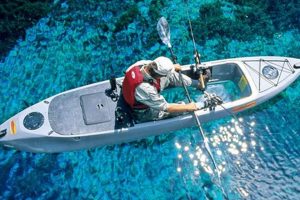
A small, specialized vessel designed for angling in calmer waters is characterized by its compact size and stability. This type of watercraft is often chosen for its maneuverability and ease of use in environments like rivers and lakes, particularly those with narrower channels or abundant vegetation. It prioritizes stability and a shallow draft, enabling access to areas larger boats cannot reach.
The inherent stability and shallow draft of these vessels provide distinct advantages for anglers. They offer a quiet and efficient means of navigating shallows and approaching fish without disturbance, enhancing the fishing experience. This design also allows for precise casting and retrieval in tight spaces. Historically, smaller, maneuverable boats have been essential tools for fishing, evolving from simple dugout canoes to the modern, purpose-built designs seen today. This evolution reflects a continuous refinement toward improved stability, control, and angler comfort.
This discussion will further examine specific features, popular models, and recommended techniques associated with this style of angling vessel. Topics covered will include material selection, propulsion options, and essential accessories to enhance fishing success.
Tips for Small Vessel Angling
Optimal use of compact fishing vessels requires careful consideration of various factors. The following tips offer guidance for enhancing safety and maximizing angling success.
Tip 1: Stability and Balance: Prioritize stability by distributing weight evenly. Low center of gravity enhances balance, crucial for casting and retrieving. Avoid sudden movements that could compromise stability.
Tip 2: Paddle or Pedal Propulsion: Choose a propulsion system suited to the fishing environment. Paddles offer maneuverability in tight spaces, while pedal drives provide hands-free fishing and efficient movement across open water. Consider water conditions and fishing style when selecting.
Tip 3: Essential Gear and Accessories: Equip the vessel with essential safety gear, including a personal flotation device and a signaling device. Rod holders, tackle storage, and an anchor system are recommended for efficient angling.
Tip 4: Navigating Shallow Waters: Exercise caution in shallow areas. A shallow draft allows access to prime fishing spots but requires awareness of underwater obstacles. Drifting with the current can be an effective approach.
Tip 5: Quiet Approach and Stealth: Minimize noise and movement to avoid disturbing fish. Slow, controlled paddling or pedaling is crucial for a stealthy approach.
Tip 6: Choosing the Right Location: Research and select fishing locations suited to the vessel’s capabilities. Protected coves, slow-moving rivers, and smaller lakes often provide ideal conditions.
Tip 7: Weather Awareness: Check weather forecasts before embarking. Small vessels are more susceptible to wind and waves. Avoid venturing out in unfavorable conditions.
Adhering to these guidelines enhances safety and promotes a more productive and enjoyable angling experience from a small, specialized vessel.
By implementing these strategies, anglers can maximize their potential on the water and fully appreciate the advantages offered by these unique craft. The following section will conclude with a summary of key findings and offer additional resources for further exploration.
1. Compact Size

Compact size is a defining characteristic of kayaks designed for fishing in environments like the Crow Wing River area, impacting both transportability and maneuverability. Smaller dimensions facilitate easier transport on vehicle roof racks or even in truck beds, eliminating the need for trailers and simplifying access to remote fishing locations. This portability is essential for anglers seeking less accessible waters.
Furthermore, the compact size of these specialized kayaks enhances maneuverability within confined waterways. Narrow river channels, areas dense with vegetation, and shallows necessitate a boat capable of nimble movement. A smaller craft can navigate tight turns and confined spaces more effectively than larger vessels, allowing anglers to reach prime fishing spots often inaccessible to traditional boats. This agile navigation is particularly advantageous in environments like the Crow Wing River, known for its varied terrain and secluded fishing areas.
In summary, the compact design of these kayaks offers significant practical advantages for anglers. The ease of transport expands access to diverse fishing locations, while enhanced maneuverability allows navigation within challenging environments. The compact size directly contributes to the versatility and effectiveness of these vessels, making them well-suited to the demands of fishing in areas like the Crow Wing River system.
2. River Maneuverability
River maneuverability is a critical factor in kayak fishing, particularly within the Crow Wing River system’s diverse and sometimes challenging waters. A kayak’s ability to navigate efficiently through various river conditions directly impacts angling success and overall experience. This involves navigating currents, avoiding obstacles, and positioning effectively for casting and retrieval in dynamic river environments. Understanding the key facets of river maneuverability is crucial for selecting and utilizing a fishing kayak effectively in such settings.
- Hull Design and Length
Hull design significantly influences a kayak’s maneuverability. Shorter kayaks generally offer greater agility in tight turns and quick maneuvering around obstacles like fallen trees or rocks common in rivers like the Crow Wing. Longer kayaks, while offering more speed and tracking in open water, can be less responsive in confined river settings. A shorter hull is often preferred for navigating complex river systems.
- Water Displacement and Draft
Kayak draft, the depth of the hull below the waterline, affects maneuverability in shallow water. A shallow draft allows navigation in shallower areas, expanding access to prime fishing locations often inaccessible to larger, deeper-draft boats. The Crow Wing River features varying depths, and a shallow draft kayak offers advantages in navigating its shallows and backwaters effectively.
- Rocker Profile
The rocker profile, or the curvature of the hull from bow to stern, influences turning performance. A higher rocker profile (more curve) typically results in a more maneuverable kayak, allowing for tighter turns and greater responsiveness. This is beneficial in rivers with bends, narrow passages, or swift currents like those found in sections of the Crow Wing. Conversely, a lower rocker profile provides better tracking and speed in open water but sacrifices some maneuverability.
- Paddle Type and Technique
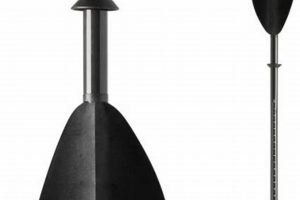
Paddle selection and technique also contribute significantly to river maneuverability. A shorter, wider paddle blade offers more power for quick turns and adjustments in current. Proper paddling techniques, including sweep strokes and draws, are essential for precise maneuvering in flowing water. Mastering these techniques allows for efficient navigation within the dynamic currents and obstacles present in river environments like the Crow Wing.
These interconnected elements significantly impact a fishing kayak’s performance in river environments. Selecting a kayak optimized for river maneuverability, like those often chosen for the Crow Wing River, requires careful consideration of hull design, water displacement, rocker profile, and intended paddling technique. Understanding these factors empowers anglers to choose a vessel best suited to the demands of the specific river system and enhances the overall fishing experience.
3. Lake Stability

Lake stability is a paramount consideration for fishing kayaks, especially within the context of the Crow Wing chain of lakes. Stability directly influences angler safety, comfort, and fishing effectiveness. A stable platform is essential for casting, retrieving, and landing fish, particularly in open water where wind and waves can create challenging conditions. The Crow Wing lakes, known for their size and susceptibility to wind, necessitate kayaks designed with stability as a primary feature. This stability allows anglers to focus on fishing rather than constantly managing balance, enhancing the overall experience.
Several factors contribute to kayak stability. Hull design plays a crucial role; wider hulls generally provide greater initial stability, resisting tipping. A flatter hull bottom also enhances stability, particularly on calm water. However, these designs can compromise maneuverability. Specialized hull designs, such as pontoon-style or multi-hull configurations, maximize stability, making them suitable for lakes like those in the Crow Wing chain. Weight distribution within the kayak also significantly influences stability. Keeping a low center of gravity by distributing weight evenly enhances balance. Understanding these factors helps anglers select kayaks appropriate for the conditions and their individual needs. For example, an angler targeting larger fish in the open waters of the Crow Wing River lakes would prioritize a stable platform over maneuverability offered by a narrower hull designed for river navigation.
The practical significance of lake stability in kayak fishing is undeniable. Increased stability translates to a safer and more comfortable angling experience, allowing anglers to focus on fishing rather than maintaining balance. This is particularly important in the Crow Wing lakes, where conditions can change rapidly. A stable platform enables more confident casting and hook setting, increasing the likelihood of landing fish successfully. It also allows anglers to use a wider range of fishing techniques, including stand-up fishing, which offers improved visibility and casting range. Ultimately, choosing a kayak with appropriate stability is essential for maximizing fishing success and enjoyment on lakes like those found within the Crow Wing system.
4. Shallow Draft Access

Shallow draft access is a defining advantage of kayaks designed for fishing in locations like the Crow Wing River and its connected lakes. A shallow draft, meaning the minimal depth of the hull below the waterline, allows navigation in extremely shallow water, opening access to prime fishing habitats often inaccessible to larger, deeper-draft boats. This capability is particularly valuable in the Crow Wing area, characterized by diverse aquatic environments including shallow bays, weedy margins, and upstream stretches of the river itself. These areas often harbor significant fish populations, making shallow draft access a crucial factor for angling success.
The practical implications of shallow draft access are substantial. In the Crow Wing River system, shallow backwaters and tributaries, often teeming with fish, become accessible. These areas provide refuge for smaller fish and attract larger predatory species seeking prey. Furthermore, navigating shallows allows anglers to approach fish discreetly, minimizing disturbance and increasing the likelihood of a successful catch. The ability to quietly glide through shallows without spooking fish offers a distinct tactical advantage, particularly in clear water conditions common in parts of the Crow Wing system. This precise maneuvering also allows for accurate casting in tight spaces, further enhancing fishing effectiveness. For example, targeting northern pike in the shallow, weedy bays of the lower Crow Wing River becomes significantly more effective with a shallow draft kayak.
In summary, shallow draft access significantly expands angling opportunities within the Crow Wing River system. It provides access to otherwise unreachable fishing grounds, allows for stealthy approach to fish, and facilitates precise casting in confined environments. This capability is a key advantage of fishing kayaks in this area, directly impacting angling success and enhancing the overall fishing experience. Choosing a kayak with a shallow draft is a strategic decision that maximizes the potential for productive fishing trips within the diverse waters of the Crow Wing region.
5. Fishing-Specific Design
Fishing-specific design differentiates standard kayaks from those optimized for angling, particularly in environments like the Crow Wing River and its associated lakes. These specialized features enhance angler efficiency, comfort, and overall success on the water. Understanding these design elements is crucial for selecting the appropriate vessel for the demands of fishing in this diverse ecosystem.
- Rod Holders
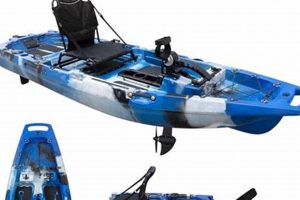
Integrated rod holders secure fishing rods, freeing hands for paddling, navigating, and other tasks. Flush-mounted rod holders minimize interference with paddling strokes and casting, while adjustable rod holders accommodate various fishing techniques. Their strategic placement within easy reach is crucial for efficient lure changes and fish landing. In the Crow Wing River system, where current and obstacles demand quick adjustments, readily accessible rods enhance responsiveness and angling success.
- Storage Compartments
Dedicated storage compartments accommodate tackle boxes, gear, and personal items, keeping the kayak organized and maximizing usable space. Dry storage protects sensitive electronics and other essentials from water damage, which is vital in the Crow Wing region, known for its varied water conditions. Accessible storage compartments streamline tackle changes and gear retrieval, minimizing disruptions during fishing. This organized approach is particularly important in the Crow Wing environment, where diverse fishing opportunities necessitate carrying a variety of tackle and equipment.
- Anchor Systems
Anchor systems maintain position in current or wind, crucial for targeted fishing in specific locations within the Crow Wing River or lakes. Recessed anchor trolleys manage anchor deployment and retrieval efficiently, minimizing line tangling and interference. A well-designed anchor system allows anglers to focus on fishing rather than constantly adjusting position, maximizing time spent on the targeted area. This is especially valuable in the Crow Wing’s diverse waters, allowing anglers to focus on specific depths, structures, or current breaks where fish congregate.
- Specialized Seating
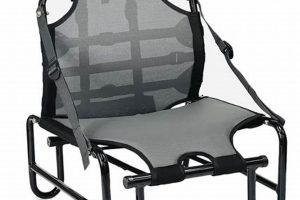
Ergonomic seating designs enhance comfort and support during long hours on the water. Adjustable seating positions accommodate different paddling styles and fishing techniques. Features like elevated seating improve visibility and casting range. Comfortable seating enhances endurance and focus, vital for extended fishing trips in the Crow Wing area. This comfort enables anglers to cover more water and remain attentive to fishing opportunities throughout the day.
These integrated features collectively enhance the angling experience on kayaks specifically designed for fishing environments like the Crow Wing River system. Rod holders, storage compartments, anchor systems, and specialized seating contribute to increased efficiency, comfort, and ultimately, greater fishing success. By understanding these features, anglers can choose a kayak optimized for the specific demands of the Crow Wing waters and maximize their time on the water.
6. Enhanced Angler Experience

The concept of an “enhanced angler experience” is central to the design and purpose of fishing kayaks intended for environments like the Crow Wing River and its connected lakes. This signifies a focus on maximizing fishing effectiveness, comfort, and overall enjoyment on the water. Specialized features and design considerations contribute to this enhanced experience, differentiating fishing kayaks from recreational paddling kayaks and optimizing them for the specific demands of angling in the Crow Wing ecosystem.
- Accessibility and Stealth
Fishing kayaks, due to their compact size and shallow draft, grant access to shallow, vegetated areas often inaccessible to larger boats. This allows anglers to reach prime fishing locations within the Crow Wing River system, including secluded backwaters, shallow tributaries, and the margins of larger lakes. The quiet operation of a kayak further enhances the angling experience by minimizing disturbance to fish, crucial for stealthy approaches in clear water conditions often encountered in the Crow Wing area. This combination of accessibility and stealth significantly expands fishing opportunities and increases the likelihood of successful catches.
- Stability and Control
Stability is paramount for a positive angling experience. Kayaks designed for fishing prioritize stability, providing a secure platform for casting, retrieving, and fighting fish, even in challenging conditions. In the Crow Wing lakes, which can be susceptible to wind and waves, a stable kayak is essential for angler safety and comfort. Furthermore, precise control over the kayak’s movement is crucial for accurate lure presentation and effective fish fighting. This control allows anglers to maintain optimal position relative to structure, current, or fish movement, maximizing fishing effectiveness within the dynamic Crow Wing environment.
- Hands-Free Fishing and Efficiency
Features like integrated rod holders and strategically placed storage compartments allow for hands-free fishing, a critical element of an enhanced angler experience. Anglers can manage rods, tackle, and other gear efficiently, minimizing distractions and maximizing time spent fishing. This is particularly valuable in the Crow Wing River system, where diverse fishing opportunities necessitate carrying various rods and tackle. Efficient gear management streamlines the process of changing lures, adjusting to varying conditions, and ultimately, landing fish.
- Connection with Nature and Immersion
Beyond the practical advantages, fishing kayaks offer a unique connection with nature. The low profile and quiet operation of a kayak create an immersive experience, allowing anglers to feel more connected to the surrounding environment. In the Crow Wing area, with its scenic beauty and diverse wildlife, this immersive experience enhances the overall enjoyment of fishing. Paddling through quiet stretches of the river or across a calm lake provides a unique perspective and a deeper appreciation for the natural world.
These facets collectively contribute to a significantly enhanced angler experience in the Crow Wing River and lake system. Kayaks designed for fishing provide a specialized platform that optimizes accessibility, stealth, stability, control, efficiency, and connection with nature. These elements combine to create a more rewarding and enjoyable fishing experience tailored to the specific demands and opportunities presented by the Crow Wing environment. By understanding these contributing factors, anglers can choose a kayak and develop techniques that maximize their enjoyment and success on the water.
Frequently Asked Questions
This section addresses common inquiries regarding specialized fishing kayaks suitable for environments like the Crow Wing River and its associated lakes. Clear and concise responses provide essential information for informed decision-making.
Question 1: What type of hull design is most suitable for navigating the Crow Wing River’s varied conditions?
A shorter hull with a moderate rocker profile offers optimal maneuverability in the Crow Wing River’s winding channels and shallow areas while providing sufficient stability in open water sections.
Question 2: How does kayak weight capacity impact fishing performance in the Crow Wing lakes?
Sufficient weight capacity is crucial for carrying fishing gear, personal items, and potential catches without compromising stability or performance. Anglers should consider the combined weight of all anticipated cargo when selecting a kayak for the Crow Wing lakes.
Question 3: What propulsion systems are recommended for fishing in the Crow Wing area?
Paddle propulsion offers versatility and maneuverability, while pedal drives provide hands-free fishing and efficient movement across open water. The optimal choice depends on individual fishing style and the specific areas targeted within the Crow Wing system.
Question 4: Are there specific safety considerations for kayak fishing in the Crow Wing River and lakes?
Wearing a personal flotation device is essential, as are awareness of weather conditions and river currents. Carrying a communication device and informing someone of fishing plans enhance safety precautions within the Crow Wing area.
Question 5: How does kayak storage capacity impact fishing trips on the Crow Wing?
Adequate storage facilitates organized tackle and gear management, crucial for efficient fishing. Dry storage protects sensitive items from water damage, which is particularly important in the Crow Wing’s variable conditions.
Question 6: What resources are available for learning more about fishing the Crow Wing River and lakes by kayak?
Local outfitters, fishing guides, and online forums provide valuable insights into specific techniques, regulations, and access points within the Crow Wing region.
Careful consideration of these factors contributes to a safe, efficient, and enjoyable kayak fishing experience within the Crow Wing River and lake system.
The subsequent section will provide a concluding overview of key points and recommended resources for further exploration.
Conclusion
Specialized vessels designed for angling in the Crow Wing River and lake system offer distinct advantages for navigating this unique environment. Compact size, maneuverability, stability, and shallow draft access facilitate exploration of diverse fishing locations, from narrow river channels to open lake waters. Fishing-specific design features, including rod holders, storage compartments, and anchor systems, enhance angler efficiency and comfort. These elements combine to create an enhanced angling experience characterized by improved access, stealthy approach, and precise control, ultimately increasing the potential for fishing success within the Crow Wing ecosystem.
Successful angling in the Crow Wing area requires careful consideration of vessel selection, appropriate techniques, and respect for the natural environment. Informed decision-making regarding kayak features, combined with responsible angling practices, ensures the preservation of this valuable resource for future generations. Continued exploration and understanding of this unique ecosystem will further enhance angling opportunities and promote sustainable interaction with the Crow Wing River and its connected lakes.