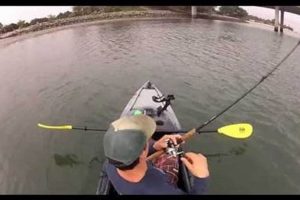
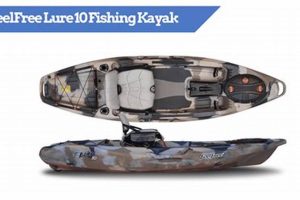
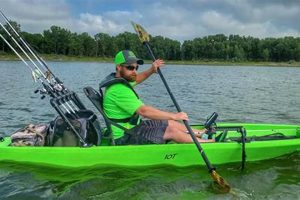
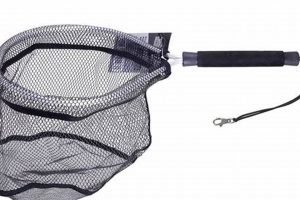
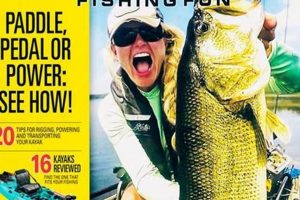
A high-performance, customized kayak configuration designed for optimal angling experiences represents a significant investment for serious fishing enthusiasts. This typically involves integrating various accessories and modifications to a base kayak model, creating a personalized watercraft tailored to specific fishing styles and target species. Examples include incorporating rod holders, fish finders, comfortable seating, and specialized storage solutions.
An optimized kayak fishing platform offers numerous advantages, including improved angler efficiency, comfort, and safety. Efficient organization of gear allows for quick access to essential equipment, maximizing fishing time. Enhanced stability and comfort contribute to longer, more enjoyable outings on the water. Historically, fishing kayaks were simpler, often adapted from general-purpose designs. However, as the sport has evolved, so too has the equipment, leading to the highly specialized setups available today.
The following sections will explore key aspects of creating a customized fishing kayak, covering topics such as kayak selection, essential accessories, customization options, and safety considerations.
Essential Tips for an Optimized Fishing Kayak Setup
Careful planning and execution are critical when configuring a fishing kayak for optimal performance. The following tips offer guidance for creating a personalized and efficient setup.
Tip 1: Kayak Selection: Begin by choosing a kayak suited to the intended fishing environment (rivers, lakes, oceans) and target species. Consider factors such as stability, maneuverability, and storage capacity.
Tip 2: Seating and Comfort: Prolonged periods on the water necessitate a comfortable and supportive seat. Adjustable seating systems allow for personalized positioning and enhanced comfort.
Tip 3: Rod Holders and Storage: Strategically placed rod holders keep rods secure and readily accessible while maximizing deck space. Ample storage compartments are crucial for tackle, safety gear, and personal items.
Tip 4: Fish Finder and Electronics: A fish finder provides valuable underwater insights, aiding in locating fish and understanding the underwater terrain. Proper mounting and wiring are essential for optimal performance.
Tip 5: Propulsion Systems: Paddle propulsion offers excellent maneuverability and control. Pedal-driven systems provide hands-free fishing and increased speed. Motorized kayaks cover larger distances efficiently.
Tip 6: Anchor and Drift Control: A reliable anchor system is essential for maintaining position in currents or wind. Drift chutes offer controlled drifting, particularly useful in river fishing.
Tip 7: Safety Equipment: Prioritize safety by including a personal flotation device (PFD), a whistle, signaling devices, and a first-aid kit.
Tip 8: Customization and Personalization: Tailor the setup with additional accessories based on specific fishing styles and preferences. This might include lighting systems, camera mounts, or specialized gear tracks.
Implementing these strategies ensures a personalized kayak fishing experience characterized by efficiency, comfort, and safety.
By focusing on these key areas, anglers can create a truly optimized platform for pursuing their passion on the water.
1. Kayak Choice

Kayak selection forms the foundation of an ultimate fishing kayak setup. The chosen vessel directly influences performance, comfort, and adaptability to specific fishing environments. A sit-on-top kayak offers superior stability and ease of re-entry in open water or surf, beneficial for saltwater anglers targeting larger species. Conversely, a sit-in kayak provides better protection from the elements and improved paddling efficiency, making it suitable for colder climates or longer expeditions on calmer waters like lakes and rivers. Choosing between these fundamental kayak types significantly impacts the overall setup and subsequent fishing experience.
Consider a kayak angler targeting bass in a shallow, weedy lake. A shorter, maneuverable kayak with a shallow draft allows navigation through tight spaces, while a longer, faster kayak may prove advantageous for covering vast distances on open water in pursuit of pelagic species. Similarly, the kayak’s hull design influences stability and tracking. A wider, flatter hull offers increased stability for stand-up fishing, whereas a narrower, V-shaped hull improves tracking and speed for traversing larger bodies of water. These design considerations directly impact the angler’s ability to effectively and comfortably fish in their chosen environment.
Understanding the intimate relationship between kayak choice and the ultimate fishing kayak setup enables informed decision-making. Matching the kayak’s characteristics to specific fishing styles and target species optimizes performance and enjoyment. Failure to carefully consider these factors can lead to a suboptimal setup, hindering fishing effectiveness and overall satisfaction. Thorough research and careful consideration of individual needs and target environments are essential for selecting the correct platform upon which to build the ultimate fishing kayak setup.
2. Propulsion Method

Propulsion method selection significantly impacts the effectiveness of an ultimate fishing kayak setup. The chosen method influences speed, maneuverability, and hands-free fishing capability, directly affecting angling success. Paddle propulsion, the traditional method, offers excellent maneuverability in tight spaces and shallow water, crucial for navigating complex shorelines or weed beds. However, paddling requires physical exertion, potentially limiting fishing time, especially in challenging conditions. Pedal-powered kayaks provide hands-free operation, allowing anglers to focus on fishing while maintaining precise control over their position. This advantage proves invaluable for techniques requiring precise boat control, such as trolling or maintaining position in a current. Motorized kayaks offer the greatest speed and range, enabling anglers to cover large distances quickly and access remote fishing spots. This capability expands fishing opportunities, particularly in larger bodies of water.
Consider a fly fisherman targeting trout in a fast-flowing river. Paddle propulsion allows for precise maneuvering in currents and around obstacles, facilitating accurate casts. Conversely, a kayak angler trolling for offshore species benefits from a motorized propulsion system, covering greater distances and maintaining consistent trolling speeds. Similarly, an angler targeting bass in a shallow lake might prefer a pedal-driven kayak, freeing their hands for casting and retrieving lures while maintaining precise boat control. Choosing the appropriate propulsion system fundamentally alters the fishing experience, impacting efficiency, reach, and ultimately, success. Each method offers unique advantages and disadvantages, necessitating careful consideration based on individual fishing styles and target environments.
Matching propulsion method to specific fishing needs optimizes the ultimate fishing kayak setup. Understanding the inherent trade-offs between maneuverability, speed, and hands-free operation allows anglers to make informed decisions. While paddle propulsion emphasizes maneuverability and control, pedal drive prioritizes hands-free fishing, and motorized propulsion maximizes speed and range. Recognizing these distinctions empowers anglers to tailor their setup, enhancing overall performance and enjoyment on the water.
3. Storage Solutions

Effective storage solutions are integral to an ultimate fishing kayak setup, directly impacting organization, efficiency, and overall fishing success. A well-organized kayak allows anglers to quickly access essential gear, maximizing fishing time and minimizing frustration. Conversely, inadequate storage leads to clutter, hindering movement and potentially compromising safety. Understanding the various storage options and their strategic implementation is crucial for creating a streamlined and productive fishing platform.
- Tackle Organization
Efficient tackle organization is paramount. Dedicated tackle boxes, trays, and bags designed for specific lures and terminal tackle maintain order and prevent tangling. For example, a dedicated compartment for soft plastics, separated by color and size, streamlines lure selection. Similarly, storing hooks, weights, and swivels in labeled containers prevents time-consuming searches. This organized approach maximizes fishing time and minimizes disruptions.
- Rod and Paddle Storage
Secure and accessible rod and paddle storage is essential. Flush-mounted rod holders keep rods readily available while minimizing interference with casting or paddling. Paddle clips or leashes secure paddles when not in use, preventing loss and maximizing deck space. These features maintain a clutter-free environment, enhancing safety and efficiency. For instance, readily accessible rods allow for quick changes in lure presentation, adapting to changing fish behavior.
- Dry Storage and Gear Protection
Protecting sensitive electronics, personal items, and extra clothing from water damage is crucial. Waterproof hatches and dry bags provide secure storage for essential gear. Storing electronics like phones and cameras in waterproof cases ensures functionality. Similarly, keeping extra clothing dry enhances comfort and safety in the event of unexpected immersion. This proactive approach preserves valuable equipment and enhances overall preparedness.
- Space Optimization and Customization
Maximizing available storage space through customization further enhances efficiency. Aftermarket storage solutions, such as under-seat storage bags or deck-mounted pouches, expand carrying capacity. Customizing storage compartments with dividers or organizers tailors the setup to individual needs and preferences. For example, an angler specializing in fly fishing might customize their storage to accommodate fly boxes and tools, while a bass angler might prioritize compartments for lures and tackle trays.
Integrating these storage solutions into a fishing kayak setup transforms it into a highly efficient and organized fishing platform. Strategic organization minimizes wasted time searching for gear, allowing anglers to focus on fishing. Effective storage contributes significantly to a positive and productive fishing experience, enhancing overall enjoyment and success on the water.
4. Electronics Integration

Electronics integration plays a crucial role in elevating a fishing kayak setup to the ultimate level. Modern electronics provide anglers with real-time data and enhanced capabilities, significantly impacting fishing success. Integrating these tools strategically enhances situational awareness, improves fish-finding efficiency, and ultimately contributes to a more informed and productive fishing experience. The relationship between electronics integration and an optimized fishing kayak setup is synergistic, with each component amplifying the other’s effectiveness.
Consider the impact of a fish finder. This device provides crucial underwater insights, revealing bottom structure, water depth, and fish location. Understanding these factors allows anglers to target specific areas, choose appropriate lures, and adjust fishing techniques accordingly. A GPS unit further enhances navigation, enabling precise boat control and marking productive fishing spots for future reference. Integrating these tools offers a significant advantage, transforming a standard fishing kayak into a technologically advanced and highly effective fishing platform. For example, a kayak angler targeting deep-water structures benefits significantly from a fish finder capable of identifying submerged features and pinpointing fish locations within the water column. Similarly, a GPS unit proves invaluable in navigating unfamiliar waters or returning to previously successful fishing spots. Integrating such electronics empowers anglers with critical information, directly impacting their ability to locate and catch fish.
Effective electronics integration requires careful consideration of mounting locations, power management, and user interface. Strategically positioning displays ensures easy visibility without obstructing casting or paddling. Proper wiring and battery management provide reliable power, maximizing operational time on the water. Choosing user-friendly electronics with intuitive interfaces minimizes distractions and allows anglers to focus on fishing. Addressing these practical considerations ensures seamless integration, enhancing the overall fishing experience. Failing to properly integrate electronics can lead to a cluttered and inefficient setup, diminishing their potential benefits. A well-integrated electronics suite streamlines information access, improves decision-making, and ultimately contributes to a more successful and enjoyable fishing experience.
5. Comfort and Ergonomics

Comfort and ergonomics form a critical link to the ultimate fishing kayak setup, directly impacting endurance, focus, and overall fishing effectiveness. Extended periods on the water demand a comfortable and supportive environment to minimize fatigue and maximize fishing time. Discomfort can distract from the task at hand, hindering performance and diminishing enjoyment. A well-designed ergonomic setup allows anglers to maintain focus and react efficiently, crucial for successful angling. Consider the impact of an uncomfortable seat. Back pain and stiffness can detract from the fishing experience, limiting mobility and reducing reaction time. Conversely, a supportive and adjustable seat allows for prolonged periods on the water without discomfort, enhancing focus and responsiveness.
Ergonomic considerations extend beyond seating to include paddle length, footrest positioning, and the layout of essential gear. A properly sized paddle reduces strain on joints and muscles, promoting efficient paddling and conserving energy. Adjustable footrests provide crucial leverage and support, enhancing stability and control. Strategically positioning frequently accessed gear, such as tackle boxes and rod holders, minimizes unnecessary movement and maximizes efficiency. For instance, an angler targeting fast-moving species like tuna benefits from a setup optimized for quick reactions, with readily accessible rods and a comfortable, supportive seating position that allows for rapid adjustments. Similarly, a fly fisherman wading in rivers requires a stable and comfortable platform to maintain balance and execute precise casts, highlighting the practical significance of ergonomic considerations in diverse fishing scenarios.
Optimizing comfort and ergonomics transforms a fishing kayak from basic transportation into a high-performance fishing platform. A comfortable and efficient setup allows anglers to focus on the task at hand, maximizing fishing time and enhancing overall success. Addressing these factors contributes significantly to a more enjoyable and productive fishing experience. Neglecting these considerations can lead to fatigue, discomfort, and reduced effectiveness, underscoring the essential role of comfort and ergonomics in the pursuit of the ultimate fishing kayak setup.
6. Safety Considerations

Safety considerations are paramount in the pursuit of the ultimate fishing kayak setup. A focus on safety transforms a well-equipped kayak into a responsible and reliable fishing platform. Overlooking safety protocols can compromise not only the fishing experience but also the angler’s well-being. Integrating comprehensive safety measures ensures preparedness for unforeseen circumstances, promoting confidence and peace of mind on the water. A safe and prepared angler is a more effective and confident angler.
- Personal Flotation Devices (PFDs)
A properly fitted PFD is non-negotiable. PFDs provide essential buoyancy in the event of capsizing or accidental immersion. Choosing a comfortable and well-designed PFD ensures unrestricted movement while providing crucial flotation. For example, an angler fishing in cold water benefits from a PFD with added insulation, while an angler fishing in warm, calm conditions might opt for a more minimalist design. The choice of PFD directly impacts safety and comfort.
- Communication and Signaling Devices
Reliable communication is crucial in emergencies. A waterproof VHF radio enables direct communication with the Coast Guard and other boaters. Carrying a whistle, flares, and a signaling mirror provides additional means of attracting attention if needed. For instance, an angler experiencing engine trouble far from shore relies on communication devices to summon assistance. Prioritizing communication enhances safety and preparedness.
- Navigation and Lighting
Navigational tools and lighting enhance safety, especially in low-light conditions or unfamiliar waters. A GPS unit, compass, and nautical charts aid in maintaining course and avoiding hazards. Navigation lights increase visibility to other boaters, reducing the risk of collisions. An angler navigating a complex waterway at night relies on these tools to ensure safe passage. Integrating navigation and lighting enhances situational awareness and mitigates potential risks.
- Weather Awareness and Trip Planning
Checking weather forecasts before embarking on a fishing trip is crucial. Sudden changes in weather conditions can create hazardous situations on the water. Planning trips according to weather forecasts mitigates risks associated with storms, high winds, and fog. An angler aware of an approaching storm can make informed decisions about seeking shelter or returning to shore. Prioritizing weather awareness demonstrates responsible planning and enhances safety.
Integrating these safety considerations elevates the ultimate fishing kayak setup from simply well-equipped to comprehensively prepared. Prioritizing safety enhances not only personal well-being but also the overall enjoyment of the fishing experience. A safe and prepared angler can focus on the task at hand, confident in their ability to handle unforeseen circumstances. This proactive approach to safety transforms the ultimate fishing kayak setup into a responsible and reliable platform for pursuing one’s passion on the water.
Frequently Asked Questions
Addressing common inquiries regarding optimized fishing kayak configurations provides clarity and facilitates informed decision-making for anglers seeking to enhance their on-the-water experiences.
Question 1: How does kayak length influence fishing performance?
Kayak length impacts maneuverability and tracking. Shorter kayaks excel in tight spaces, while longer kayaks offer superior tracking and speed in open water.
Question 2: What are the primary advantages of a pedal-driven kayak for fishing?
Pedal-driven kayaks offer hands-free propulsion, allowing anglers to focus on fishing while maintaining precise boat control and positioning.
Question 3: How can electronics be integrated effectively into a fishing kayak setup?
Effective integration involves strategic placement of displays for easy visibility, proper wiring and battery management, and choosing user-friendly interfaces.
Question 4: What are essential safety considerations for kayak fishing?
Essential safety measures include wearing a PFD, carrying communication and signaling devices, understanding navigation and lighting, and practicing weather awareness.
Question 5: How does storage optimization contribute to an efficient fishing kayak setup?
Organized storage solutions maximize space, provide quick access to essential gear, and minimize clutter, promoting efficiency and safety.
Question 6: What are the key factors to consider when choosing a fishing kayak?
Key considerations include the intended fishing environment (rivers, lakes, oceans), target species, stability requirements, desired speed and maneuverability, and storage capacity.
Careful consideration of these frequently asked questions empowers anglers to make informed decisions and optimize their fishing kayak setups for enhanced performance and enjoyment on the water.
Further exploration of specific setup components and advanced customization techniques will follow in subsequent sections.
Ultimate Fishing Kayak Setup
Achieving the ultimate fishing kayak setup requires a comprehensive understanding of individual needs, target species, and fishing environments. Careful consideration of kayak selection, propulsion methods, storage solutions, electronics integration, comfort, ergonomics, and safety considerations are crucial for creating a truly optimized fishing platform. A well-integrated approach maximizes efficiency, enhances comfort, and promotes safety on the water. Each component of the setup plays a vital role, contributing to a synergistic system that elevates the fishing experience.
The pursuit of the ultimate fishing kayak setup represents an ongoing evolution, driven by advancements in technology and a deeper understanding of angler needs. Continuous refinement and adaptation of setups will further enhance fishing effectiveness and enjoyment. Strategic investment in a well-designed setup unlocks unparalleled opportunities for anglers to connect with nature and pursue their passion on the water. The ultimate fishing kayak setup is not merely a collection of equipment; it’s an extension of the angler’s passion, enabling deeper immersion in the sport and fostering a greater appreciation for the aquatic environment.