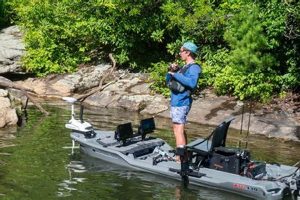
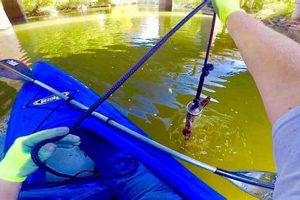
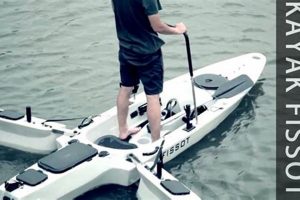
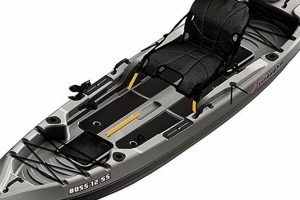
These specialized watercraft combine the utility of a kayak with various propulsion systems beyond traditional paddling. Common examples include foot-powered pedal drives employing propeller or fin systems, and small electric motors integrated into the hull. This allows anglers to cover greater distances, maintain position more easily in currents, and keep their hands free for fishing.
The advantages of hands-free fishing and enhanced maneuverability offer anglers significant benefits. They can focus on casting, retrieving, and landing fish without the constant need to paddle. This is particularly valuable in challenging environments like swift rivers or windy lakes. Furthermore, motorized versions offer an accessible entry point for individuals with physical limitations that might hinder traditional paddling. Historically, fishing kayaks relied solely on paddle power. The integration of propulsion systems represents a significant advancement, improving efficiency and opening up new possibilities for anglers.
This discussion will further examine the various types of propulsion systems, their relative merits, and factors to consider when selecting a suitable vessel. Specific topics will include drive mechanisms, battery life (for electric motors), maintenance requirements, and the impact of propulsion choice on fishing techniques.
Tips for Utilizing Propelled Fishing Kayaks
Effective use of a propelled fishing kayak maximizes angling opportunities. Careful consideration of the following recommendations will contribute to a safer and more productive experience.
Tip 1: Understand Propulsion System Mechanics: Familiarization with the specific propulsion system, whether pedal or motor driven, is crucial. Consult manufacturer manuals and practice operation in calm water before venturing into more challenging environments. This ensures smooth, controlled maneuvering and reduces the risk of unexpected issues on the water.
Tip 2: Battery Management (Electric Motors): For electric motors, proper battery maintenance is essential. Ensure batteries are fully charged before each outing and adhere to manufacturer guidelines for storage and charging cycles. Carrying a spare battery is a prudent precaution for longer trips.
Tip 3: Trim and Stability: Weight distribution significantly impacts performance and stability. Distribute gear evenly throughout the kayak, avoiding excessive weight at either end. Proper trim ensures efficient propulsion and minimizes the risk of capsizing.
Tip 4: Navigation and Safety: Plan routes carefully, accounting for weather conditions and potential hazards. Carry essential safety equipment, including a personal flotation device, signaling devices, and a communication method. Awareness of local regulations and navigational markers is paramount.
Tip 5: Fishing Technique Adaptation: Adjust fishing techniques to leverage the advantages of hands-free propulsion. Focus on casting accuracy and presentation, exploiting the ability to maintain position and quietly approach target areas.
Tip 6: Routine Maintenance: Regular maintenance prolongs the lifespan of the kayak and its propulsion system. Inspect and clean moving parts, lubricate as needed, and address any signs of wear or damage promptly. Refer to the manufacturer’s instructions for specific maintenance schedules.
By adhering to these guidelines, anglers can enhance their fishing experience, improve safety, and ensure the optimal performance of their propelled fishing kayak.
These insights offer a foundation for a more informed approach to selecting and utilizing a propelled fishing kayak. The subsequent conclusion will synthesize the key considerations discussed throughout this article.
1. Propulsion Systems

Propulsion systems represent a defining feature of the propelled fishing kayak, differentiating it from traditional paddle-powered designs. Understanding the various propulsion options is essential for selecting a kayak suited to specific fishing environments and angler preferences. The following facets explore the core propulsion technologies and their implications.
- Pedal Drives:
Pedal drives offer a hands-free propulsion method, allowing anglers to focus on fishing. These systems typically employ either propeller or fin designs. Propeller-based systems provide robust thrust, suitable for open water and combating currents. Fin-driven systems offer quieter operation and maneuverability in shallow environments, minimizing disturbance to fish. Both variations enhance angler efficiency and reduce fatigue compared to traditional paddling.
- Motor Drives:
Electric motors offer an alternative propulsion method, particularly advantageous for covering long distances or navigating strong currents. These systems typically integrate a battery-powered motor into the kayak’s hull. Key considerations include battery life, motor power, and overall weight. Motor drives offer convenience and accessibility for anglers with physical limitations or those seeking to minimize physical exertion.
- Hybrid Systems:
Some kayaks incorporate hybrid systems, combining pedal and motor drives. This offers flexibility, allowing anglers to switch between propulsion methods based on conditions or personal preference. For example, a hybrid system might utilize pedal power for quieter maneuvering in shallows and engage the motor for traversing open water or battling headwinds. This versatility enhances adaptability in diverse fishing environments.
- Considerations for Selection:
Selecting a propulsion system requires careful consideration of factors such as fishing environment, target species, physical capabilities, and budget. Open-water anglers might prioritize the power of a propeller-based pedal drive or a motor drive. Kayak anglers fishing in shallow, vegetated areas might favor a fin-driven pedal system for its quiet operation and maneuverability. Evaluating these factors ensures the chosen propulsion system aligns with individual angling needs and maximizes on-water performance.
The choice of propulsion system significantly influences the overall fishing experience. Careful consideration of the various technologies available ensures optimal performance and contributes to a more efficient and enjoyable angling experience. Understanding these systems empowers anglers to select a propelled fishing kayak that aligns perfectly with their individual needs and fishing style.
2. Fishing Enhancements

Fishing enhancements integrated into propelled kayaks significantly amplify their utility and effectiveness. These specialized features cater specifically to the needs of anglers, optimizing organization, efficiency, and overall fishing performance. Understanding these enhancements is crucial for maximizing the advantages offered by propelled kayaks.
- Rod Holders:
Rod holders secure fishing rods, freeing hands for other tasks like paddling, maneuvering, or landing fish. Various types exist, including flush-mounted, adjustable, and rotating holders. Multiple rod holders allow anglers to employ diverse fishing techniques simultaneously. Secure rod storage prevents rod damage and entanglement, contributing to a more organized and efficient fishing experience. For instance, trolling while simultaneously jigging becomes feasible with dedicated rod holders.
- Tackle Storage:
Dedicated tackle storage compartments keep essential gear organized and readily accessible. These compartments may include trays, drawers, or sealed containers to protect equipment from water damage. Efficient tackle management minimizes time spent searching for gear, allowing anglers to focus on fishing. Examples include specialized compartments for lures, hooks, weights, and other essential tackle items. This ensures rapid retrieval of necessary equipment, maximizing fishing time.
- Fish Finders and Electronics Mounts:
Integrating electronics like fish finders and GPS units enhances angling effectiveness. Dedicated mounts provide secure placement for these devices, optimizing visibility and operation. Real-time information on fish location, depth, and underwater structure improves fishing strategy and success rates. Modern kayaks often feature integrated wiring systems for powering electronics directly from the kayak’s battery, further enhancing convenience and functionality.
- Livewells and Bait Tanks:
Livewells and bait tanks maintain the health and viability of live bait or caught fish. These integrated systems circulate and aerate water, ensuring optimal conditions for keeping bait or catch fresh. This is particularly important for tournament anglers or those targeting species requiring live bait presentations. Properly sized and maintained livewells contribute to ethical fishing practices and increase angling success.
These fishing enhancements, seamlessly integrated into propelled kayak designs, transform the vessel into a highly specialized fishing platform. By optimizing organization, efficiency, and access to essential tools and information, these features significantly improve the overall angling experience and contribute to greater success on the water. The strategic incorporation of these elements underscores the propelled fishing kayak’s role as a dedicated angling platform, distinct from traditional recreational kayaks.
3. Stability and Maneuverability
Stability and maneuverability are critical performance characteristics of propelled fishing kayaks, directly influencing angler safety, fishing effectiveness, and overall on-water experience. These attributes are intertwined and impacted by design elements such as hull shape, kayak width, and propulsion system integration. Understanding these factors is crucial for informed kayak selection and safe operation in diverse water conditions.
- Hull Design:
Hull design significantly impacts both stability and maneuverability. Wider, flatter hulls generally offer greater initial stability, beneficial for casting and reeling, particularly for standing while fishing. However, this stability often comes at the expense of maneuverability. Narrower hulls with a pronounced keel enhance tracking and maneuverability, but may sacrifice some initial stability. Pontoon hulls offer exceptional stability but can be less responsive to steering input. Selecting a hull design involves balancing stability and maneuverability based on individual fishing style and anticipated water conditions. A kayak intended for calm lakes prioritizes stability, whereas a kayak for navigating rivers benefits from enhanced maneuverability.
- Kayak Width and Length:
Kayak width directly correlates with stability. Wider kayaks are inherently more stable, while narrower kayaks offer greater maneuverability and speed. Length also plays a role; longer kayaks generally track better in a straight line but can be less maneuverable in tight spaces. Shorter kayaks are more agile but may sacrifice some tracking ability. The optimal combination of width and length depends on the intended fishing environment and angler preferences. A shorter, wider kayak excels in confined areas like small ponds or creeks, while a longer, narrower kayak performs well in open water or rivers.
- Propulsion System Influence:
The propulsion system’s placement and design can influence stability and maneuverability. Pedal drives located below the waterline can lower the center of gravity, enhancing stability. However, the added weight and underwater components may slightly reduce maneuverability. Motor drives mounted at the stern can impact weight distribution and steering characteristics. Understanding the impact of the propulsion system on overall performance is essential for informed kayak selection. For example, a kayak with a centrally mounted pedal drive provides a balanced feel, while a stern-mounted motor may require adjustments to paddling or steering techniques.
- Impact of Water Conditions:
Stability and maneuverability are further influenced by prevailing water conditions. Wind, currents, and waves can significantly impact kayak control and stability. Understanding how a kayak performs in different conditions is crucial for safe and effective operation. A stable kayak designed for calm water may become challenging to manage in strong winds or choppy conditions. Conversely, a highly maneuverable kayak designed for rivers may feel less stable in open water. Assessing expected water conditions informs appropriate kayak selection and ensures angler safety.
The interplay of hull design, kayak dimensions, propulsion system integration, and water conditions determines a propelled fishing kayak’s overall stability and maneuverability. Careful consideration of these factors ensures angler safety, optimizes fishing effectiveness, and contributes to a positive on-water experience. Selecting a kayak with the right balance of stability and maneuverability for the intended fishing environment and individual angler preferences is paramount for maximizing performance and enjoyment on the water.
4. Types and Sizes

Propelled fishing kayaks exhibit diverse types and sizes, each designed to cater to specific angler needs and fishing environments. Understanding the nuances of these variations is crucial for selecting a kayak that optimizes performance, comfort, and fishing effectiveness. The following facets explore the key distinctions among propelled fishing kayak types and sizes.
- Sit-on-Top vs. Sit-Inside:
Sit-on-top kayaks offer enhanced stability and ease of entry and exit, making them suitable for warmer climates and calmer waters. Their open design facilitates easier fish landing and reduces the risk of entrapment in the event of a capsize. Sit-inside kayaks provide greater protection from the elements and offer a drier ride, advantageous in colder conditions or rougher waters. They also typically offer more storage space within the hull. The choice between sit-on-top and sit-inside configurations depends on personal preference, anticipated weather conditions, and fishing style.
- Hull Length and Width:
Kayak length and width significantly influence performance characteristics. Longer kayaks generally track better in a straight line and offer higher speeds, making them suitable for covering larger distances. Shorter kayaks are more maneuverable in tight spaces, ideal for navigating narrow creeks or shallow waters. Wider kayaks offer enhanced stability, particularly beneficial for standing while casting or fighting fish. Narrower kayaks offer greater speed and efficiency but may compromise stability. The optimal combination of length and width depends on the target fishing environment and individual angler preferences. A shorter, wider kayak excels in confined areas, whereas a longer, narrower kayak performs well in open water.
- Weight Capacity and Storage:
Weight capacity dictates the maximum load a kayak can safely carry, including angler weight, gear, and potential catch. Exceeding the weight capacity compromises stability and performance. Storage capacity varies significantly across kayak models, impacting the amount of gear that can be transported. Anglers carrying substantial equipment or targeting larger species require kayaks with higher weight capacities and ample storage. Conversely, anglers prioritizing lightweight portability may opt for smaller kayaks with less storage. Careful consideration of weight capacity and storage needs ensures safe operation and accommodates individual fishing requirements.
- Material and Construction:
Kayak construction materials influence durability, weight, and cost. Polyethylene kayaks are common due to their affordability and impact resistance. Composite materials like fiberglass or carbon fiber offer lighter weight and enhanced performance but typically come at a higher price point. Inflatable kayaks provide portability and convenient storage but may sacrifice durability and performance compared to rigid hulls. The choice of material depends on budget, transportation considerations, and desired performance characteristics. A durable polyethylene kayak suits recreational anglers, while a lightweight composite kayak benefits competitive anglers seeking performance advantages. Inflatable kayaks offer a versatile solution for anglers with limited storage space or transportation options.
Understanding the various types and sizes of propelled fishing kayaks, along with the inherent trade-offs between stability, maneuverability, storage, and portability, empowers anglers to select a vessel perfectly suited to their individual needs and fishing style. Careful consideration of these factors enhances on-water performance, angler comfort, and overall fishing success. The ideal propelled fishing kayak aligns seamlessly with the intended fishing environment, target species, and individual angler preferences, maximizing both enjoyment and effectiveness on the water.
5. Maintenance and Care

Diligent maintenance and care are essential for maximizing the lifespan and performance of a propelled fishing kayak. These specialized watercraft, with their integrated propulsion systems, require attention beyond that of traditional paddle kayaks. Neglecting routine maintenance can lead to decreased efficiency, mechanical failures, and potentially hazardous situations on the water. Regular upkeep ensures optimal performance, enhances safety, and preserves the kayak’s value over time. For example, neglecting to rinse saltwater residue after each use can lead to corrosion of metallic components, impacting the functionality of the propulsion system and potentially requiring costly repairs. Similarly, failure to lubricate moving parts can result in increased friction and wear, leading to premature component failure and reduced propulsion efficiency.
Specific maintenance requirements vary depending on the propulsion system. Pedal drives, employing chains, gears, and bearings, necessitate regular lubrication and inspection for wear. Accumulated sand, grit, or fishing line can impede smooth operation and cause damage. Electric motors require attention to battery health, including proper charging practices and periodic inspections of wiring and connections. Corrosion can compromise electrical systems, potentially leading to motor failure or battery damage. Regularly flushing the propulsion system with fresh water, particularly after use in saltwater environments, mitigates corrosion and prolongs component lifespan. Furthermore, proper storage practices, such as protecting the kayak from prolonged UV exposure and extreme temperatures, prevent material degradation and maintain structural integrity.
Consistent maintenance and care translate directly to enhanced performance, safety, and longevity. A well-maintained propulsion system operates efficiently, maximizing speed and range while minimizing effort. Routine inspections identify potential issues early, preventing costly repairs and ensuring safe operation on the water. Furthermore, proper care preserves the kayak’s resale value, offering a return on investment for owners. Ultimately, understanding and adhering to recommended maintenance procedures ensures the propelled fishing kayak remains a reliable and high-performing asset for years to come. This proactive approach to maintenance minimizes downtime, maximizes fishing opportunities, and contributes to a safer and more enjoyable on-water experience.
Frequently Asked Questions
Addressing common inquiries regarding propelled fishing kayaks provides clarity for prospective buyers and enhances understanding for current owners. The following questions and answers offer insights into key aspects of these specialized watercraft.
Question 1: What are the primary advantages of a propelled fishing kayak over a traditional paddle kayak?
Propelled kayaks offer hands-free fishing, enabling anglers to focus on casting, retrieving, and landing fish without the constant need to paddle. This enhances fishing efficiency, reduces fatigue, and allows for easier maneuvering in challenging conditions like currents or wind.
Question 2: What are the different types of propulsion systems available, and what are their respective benefits?
Common propulsion systems include pedal drives and electric motors. Pedal drives offer a quiet, environmentally friendly option well-suited for shallow water and stealthy approaches. Electric motors provide greater power and range, ideal for covering larger distances or combating strong currents. Hybrid systems combining both options offer maximum versatility.
Question 3: How stable are propelled fishing kayaks, and can they be used for standing fishing?
Stability varies depending on hull design and kayak width. Many propelled kayaks are designed specifically for standing fishing, featuring wider hulls and enhanced stability features. Careful consideration of hull design is crucial when selecting a kayak for stand-up fishing.
Question 4: What maintenance is required for a propelled fishing kayak?
Regular maintenance is crucial for optimal performance and longevity. Pedal drives require periodic lubrication and cleaning to remove debris. Electric motors necessitate proper battery care and inspection of wiring. Rinsing the kayak with fresh water after each use, especially in saltwater environments, minimizes corrosion.
Question 5: Are propelled fishing kayaks suitable for all types of water?
Propelled kayaks can be used in a variety of environments, including lakes, rivers, and coastal waters. However, specific kayak design and propulsion system suitability vary based on water conditions. Considerations include water depth, currents, and potential obstacles.
Question 6: What is the typical price range for a propelled fishing kayak?
Prices vary significantly depending on features, materials, and brand. Entry-level models may start around [Price Range Start], while high-end kayaks equipped with advanced features and electronics can exceed [Price Range End]. Researching various models and features helps determine a suitable kayak within a given budget.
These frequently asked questions address key considerations for individuals interested in propelled fishing kayaks. Understanding these aspects empowers informed decision-making, leading to a safer and more rewarding on-water experience. A thorough evaluation of individual needs and preferences, coupled with careful product research, ensures optimal kayak selection and maximizes enjoyment on the water.
This concludes the FAQ section. The following section will offer concluding thoughts on the advantages and considerations surrounding propelled fishing kayaks.
Conclusion
Propelled fishing kayaks represent a significant advancement in angling technology, offering enhanced efficiency and expanded fishing opportunities. This exploration has detailed the core components, benefits, and considerations surrounding these specialized watercraft. From propulsion systems and fishing enhancements to stability, maneuverability, and maintenance requirements, a comprehensive understanding of these facets is crucial for informed selection and effective utilization. The diverse range of available kayak types and sizes caters to a broad spectrum of angler needs and preferences, further highlighting the versatility and adaptability of these vessels.
The integration of propulsion systems transforms the fishing kayak into a highly effective platform, empowering anglers to explore new waters, access previously unreachable fishing grounds, and maximize time spent actively engaged in the sport. As technology continues to evolve, further advancements in propulsion systems, materials, and integrated features promise to further enhance the capabilities and performance of propelled fishing kayaks. Careful consideration of individual needs, coupled with a thorough understanding of the factors discussed herein, empowers anglers to select the ideal propelled fishing kayak and embark on a more productive and rewarding fishing experience.