This activity involves using a strong magnet attached to a rope, cast from a small, maneuverable watercraft, to retrieve ferrous objects submerged in bodies of water. A typical setup might include a neodymium magnet, several hundred feet of paracord, and a sturdy kayak chosen for its stability. This method can uncover a variety of items, ranging from discarded scrap metal to historical artifacts.
Retrieving lost or discarded metal objects contributes to environmental cleanup efforts by removing potential pollutants from waterways. The practice also offers a unique avenue for discovering historical relics, offering potential glimpses into the past. Furthermore, the low barrier to entry and the element of surprise associated with the potential finds make this pursuit a popular recreational activity.
Further exploration of this topic will cover essential equipment, suitable locations, safety precautions, legal considerations, and the environmental impact of this increasingly popular pastime.
Magnet Fishing Tips
Careful planning and execution are crucial for a safe and successful experience. The following tips provide valuable guidance for enthusiasts of all skill levels.
Tip 1: Select appropriate gear. A powerful neodymium magnet is essential, along with strong rope capable of withstanding substantial weight. Kayak choice should prioritize stability and ease of maneuverability.
Tip 2: Research potential locations. Areas with historical significance, such as old bridges or docks, often yield interesting finds. Permission may be required to access certain waterways.
Tip 3: Prioritize safety. Gloves should be worn to protect hands from sharp edges. Awareness of surroundings is crucial to avoid hazards and ensure responsible retrieval practices.
Tip 4: Employ proper retrieval techniques. Smooth, steady pulls are recommended to avoid damaging recovered items or stressing the equipment. A grappling hook can assist with particularly heavy or entangled finds.
Tip 5: Dispose of finds responsibly. Unwanted metal items should be disposed of properly at designated recycling facilities or scrap yards. Items of historical significance should be reported to relevant authorities.
Tip 6: Respect the environment. Disturb the surrounding ecosystem as little as possible. Avoid disturbing vegetation or wildlife. Retrieve and dispose of any dislodged debris.
Tip 7: Check local regulations. Magnet fishing may be subject to specific rules or restrictions depending on the location. Research and adhere to all applicable regulations.
Adherence to these guidelines ensures a productive and enjoyable experience while minimizing environmental impact and promoting responsible metal detection practices.
By following these tips, individuals can contribute to cleaner waterways, uncover historical artifacts, and enjoy the unique rewards of this increasingly popular activity.
1. Equipment Selection

Appropriate equipment is fundamental to successful and safe magnet fishing from a kayak. Careful consideration of each component ensures effective retrieval, personal safety, and responsible environmental practices. Suboptimal choices can compromise these aspects, highlighting the critical nature of informed equipment selection.
- Magnet Choice
The magnet’s strength directly impacts its ability to attract and hold submerged objects. Neodymium magnets, known for their high strength-to-weight ratio, are generally preferred. Different shapes and sizes offer varying retrieval capabilities; for instance, a double-sided magnet increases the chance of attracting ferrous objects. Choosing a magnet with insufficient pulling force limits retrieval potential, potentially leaving larger or more deeply embedded objects undiscovered.
- Rope Selection
Rope durability and length are crucial for successful retrieval. Strong, abrasion-resistant rope, such as paracord or nylon, can withstand the strain of heavy objects and potential snags. Adequate length allows exploration of deeper areas. Using a rope prone to breakage or too short can lead to lost magnets and potential retrieval failures.
- Kayak Selection
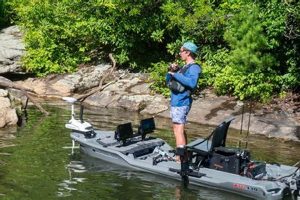
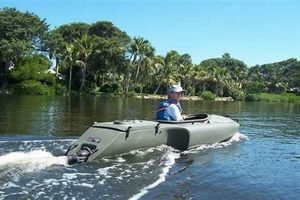
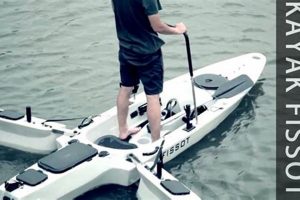
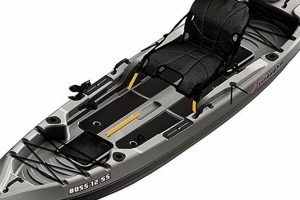
Kayak stability and maneuverability significantly influence fishing effectiveness and safety. A sit-on-top kayak offers greater stability and ease of entry/exit compared to a sit-inside model. Considerations such as weight capacity and storage space also play a role in selection. An unstable or poorly maneuverable kayak can impede retrieval efforts and compromise safety in varying water conditions.
- Additional Gear
Supplementary equipment enhances safety and efficiency. Gloves protect hands from sharp edges and potential contaminants. A grappling hook aids in retrieving entangled or heavy objects. A bucket or container provides a secure and organized way to transport finds. These seemingly minor additions contribute significantly to a safer and more productive experience.
The interplay of these equipment choices directly impacts the overall magnet fishing experience. A balanced approach, prioritizing both effectiveness and safety, is crucial for maximizing retrieval potential while minimizing risk and environmental impact. Careful selection ensures that the equipment not only meets the demands of the activity but also contributes to a responsible and rewarding experience.
2. Location Scouting

Location scouting plays a crucial role in successful magnet fishing from a kayak. Effective scouting maximizes the potential for finding interesting and valuable objects while minimizing wasted time and effort. Understanding the historical and environmental context of a potential site is key. Areas with past industrial activity, such as old factories or bridges, are often promising locations. Urban waterways with heavy foot traffic, like canals or riverbanks near city centers, can also yield discarded items. Similarly, locations where historical events occurred, such as old fords or ferry crossings, might harbor historical artifacts. Conversely, pristine natural environments with limited human activity are less likely to yield significant finds. For example, a river section flowing through a densely populated area with historical industrial activity holds higher potential compared to a remote mountain stream. This understanding allows for informed decision-making, increasing the likelihood of a productive and rewarding magnet fishing experience.
Successful location scouting involves more than simply identifying potentially productive areas. Access considerations, including legal restrictions and physical limitations, are essential factors. Private property boundaries, protected areas, and areas with active boating traffic may be off-limits. Physical access points suitable for launching a kayak are also necessary. Consulting local maps, online resources, and even historical records can provide valuable insights. For instance, a seemingly promising location may be inaccessible due to private land ownership or hazardous conditions. Furthermore, water depth and current conditions can influence retrieval success and safety. Shallow, slow-moving water generally offers safer and easier retrieval compared to deep, fast-flowing rivers. Therefore, careful consideration of these factors is crucial for effective location scouting.
Careful location scouting, informed by historical context, accessibility considerations, and environmental factors, significantly contributes to a successful and rewarding magnet fishing experience. This preparatory work not only maximizes the potential for finding valuable or historically significant objects but also ensures safe and responsible practices. By understanding the interplay of these elements, enthusiasts can effectively target their efforts and contribute to the preservation of history and the environment.
3. Safety Procedures

Safety procedures are paramount in magnet fishing from a kayak. The combination of water, heavy magnets, and potentially sharp or hazardous retrieved objects necessitates careful planning and execution. Overlooking safety measures can lead to injuries, equipment damage, or environmental harm. For instance, attempting to retrieve a heavy object without proper lifting techniques can strain muscles or cause the kayaker to capsize. Similarly, neglecting to wear gloves can result in cuts from sharp metal or exposure to contaminants. A comprehensive understanding of relevant safety procedures mitigates these risks and ensures a responsible and enjoyable experience.
Several key safety practices contribute to a secure magnet fishing environment. Wearing appropriate personal protective equipment (PPE), such as cut-resistant gloves and closed-toe shoes, safeguards against physical hazards. Maintaining awareness of surroundings, including water conditions, boat traffic, and potential obstacles, prevents accidents. Utilizing proper lifting techniques when retrieving heavy objects avoids muscle strain and maintains balance. Securely anchoring the magnet rope to the kayak prevents accidental loss of the magnet and associated risks. Furthermore, informing someone of the intended fishing location and estimated return time enhances safety in case of emergencies. These combined practices create a safety-conscious approach, minimizing potential risks.
A thorough understanding and consistent application of safety procedures are essential for responsible magnet fishing from a kayak. Such practices not only protect individuals from potential harm but also contribute to a positive and sustainable approach to this activity. By prioritizing safety, enthusiasts can focus on the enjoyment and exploration inherent in magnet fishing while minimizing risks to themselves and the environment. Careful planning, appropriate equipment, and consistent adherence to safety guidelines ensure a rewarding and secure experience.
4. Retrieval Techniques
Retrieval techniques in magnet fishing from a kayak directly influence the success and safety of the activity. Appropriate techniques maximize the chances of recovering submerged objects while minimizing the risk of equipment damage or personal injury. The interplay between the magnet’s strength, the rope’s length and durability, and the kayak’s stability dictates the effectiveness of the retrieval process. For example, a slow, steady pull is generally recommended for smaller objects, while a more controlled, gradual lift might be necessary for heavier finds. Attempting to forcefully yank a heavy, snagged object can result in rope breakage, magnet loss, or even capsizing the kayak. Therefore, understanding the appropriate retrieval techniques for various situations is crucial.
Several factors influence the choice of retrieval technique. Water depth, current strength, and the perceived weight and size of the submerged object all play a role. In shallow, calm waters, a direct vertical lift might suffice. However, in deeper or faster-flowing water, a more angled approach, combined with slow, steady pulls, minimizes strain on the equipment and maintains kayak stability. If an object is snagged, a gentle rocking motion or the use of a grappling hook can aid in its release. Furthermore, anticipating the potential weight and size of the object before attempting retrieval allows for better preparation and the adoption of appropriate techniques. For instance, a large, heavy object might require repositioning the kayak for a more stable lifting position.
Effective retrieval techniques are essential for responsible and successful magnet fishing from a kayak. These techniques contribute to the preservation of recovered objects, the safety of the individual, and the protection of the environment. By understanding the forces at play and adapting techniques to suit specific circumstances, practitioners minimize the risk of accidents and maximize the potential for rewarding discoveries. This careful approach ensures the sustainability and enjoyment of magnet fishing for years to come.
5. Environmental Awareness

Environmental awareness is integral to responsible magnet fishing from a kayak. This activity interacts directly with aquatic ecosystems, making careful consideration of potential impacts crucial. Removing submerged metal debris contributes positively to water quality, yet improper practices can negatively affect these environments. For example, disturbing sediment beds during retrieval can release trapped pollutants, impacting water clarity and aquatic life. Furthermore, discarding recovered items irresponsibly contributes to land-based pollution. Therefore, a mindful approach, balancing the benefits of debris removal with the potential for ecological disturbance, is essential.
Practical applications of environmental awareness in magnet fishing involve several key actions. Careful retrieval techniques, minimizing sediment disturbance, protect aquatic habitats. Proper disposal of recovered items, including recycling ferrous metals and responsibly managing other finds, prevents further pollution. Respecting wildlife and avoiding sensitive areas, such as nesting sites or protected zones, minimizes disturbance to local ecosystems. Moreover, participating in or organizing cleanup events demonstrates a commitment to environmental stewardship. These actions reflect a proactive approach, integrating environmental considerations into every aspect of magnet fishing.
Integrating environmental awareness into magnet fishing practices ensures the long-term sustainability of this activity. Balancing the potential for environmental benefit with the inherent risks associated with interacting with aquatic ecosystems is crucial. This requires ongoing education, responsible decision-making, and a commitment to minimizing negative impacts. By prioritizing environmental awareness, practitioners contribute to the preservation of these valuable resources while enjoying the unique rewards of magnet fishing.
Frequently Asked Questions
This section addresses common inquiries regarding magnet fishing from a kayak, providing concise and informative responses to clarify potential uncertainties and promote safe and responsible practices.
Question 1: What are the typical costs associated with starting magnet fishing from a kayak?
Initial investment costs vary depending on equipment choices. A basic setup, including a suitable magnet, rope, and essential accessories, can range from a modest to a moderate price point. Kayak costs vary significantly based on type and features. Opting for used equipment can reduce initial expenses.
Question 2: Is magnet fishing legal?
Legality varies by jurisdiction and specific location. Researching local ordinances and obtaining necessary permissions, where required, is crucial before undertaking any magnet fishing activities. Some areas may have restrictions regarding specific locations or types of retrievals.
Question 3: What are the most common finds in magnet fishing?
Common finds range from discarded metal debris, such as scrap metal and tools, to occasionally more valuable or historically significant objects. The specific location heavily influences the types of items likely to be discovered.
Question 4: What safety precautions are essential when magnet fishing from a kayak?
Essential safety precautions include wearing appropriate personal protective equipment, such as gloves and closed-toe shoes, maintaining awareness of surroundings, using proper lifting techniques, and informing someone of the planned fishing location and return time.
Question 5: What should one do with recovered items?
Recovered items should be handled responsibly. Recyclable metals should be disposed of at appropriate facilities. Potentially hazardous items, such as unexploded ordnance, should be reported to relevant authorities immediately. Items of historical significance may warrant further investigation or reporting to local museums or historical societies.
Question 6: What is the environmental impact of magnet fishing?
Magnet fishing can positively impact the environment by removing metal debris from waterways. However, improper practices can disturb sediments and negatively affect aquatic ecosystems. Responsible retrieval techniques and proper disposal of recovered items minimize environmental impact.
Careful consideration of these frequently asked questions promotes safe, responsible, and legally compliant magnet fishing practices, ensuring both a rewarding experience and the preservation of natural and historical resources.
The following section offers additional resources and further information for those interested in exploring magnet fishing from a kayak in greater detail.
Magnet Fishing from Kayak
This exploration of magnet fishing from a kayak has highlighted the multifaceted nature of this increasingly popular activity. From equipment selection and location scouting to retrieval techniques and environmental considerations, the examination has emphasized the importance of a balanced approach. Balancing the potential for historical discovery and environmental cleanup with the responsibilities of safe and sustainable practices is crucial for the continued enjoyment and positive impact of this pursuit.
Magnet fishing from a kayak offers a unique intersection of recreation, historical exploration, and environmental stewardship. The potential for uncovering forgotten artifacts and contributing to cleaner waterways presents a compelling opportunity for individuals to engage with their local environment in a meaningful way. However, the future of this activity relies on the collective commitment to responsible practices, ensuring the preservation of both historical legacies and ecological balance for generations to come.