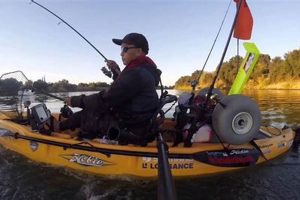
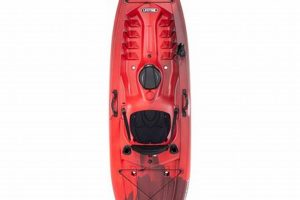
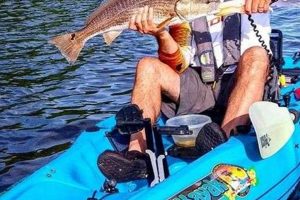
This activity involves angling from a kayak in waters known to be inhabited by sharks. It can encompass various fishing styles, from targeting smaller species in nearshore environments where sharks may be present, to specifically seeking larger shark species further offshore. An example would be pursuing tuna or marlin from a kayak in the open ocean, an environment frequented by pelagic sharks.
The allure stems from the heightened challenge and thrill associated with operating in close proximity to these apex predators. The experience offers a unique perspective on marine ecosystems and a deep connection with the natural world. Historically, smaller watercraft, though not specifically kayaks, have been utilized for fishing in various cultures. The modern practice combines this tradition with specialized kayak designs and contemporary angling techniques, emphasizing safety and responsible interaction with the marine environment.
This discussion will delve into the essential equipment, safety protocols, and ethical considerations associated with this demanding yet rewarding pursuit. Topics covered will include kayak selection and modification, appropriate fishing gear, strategies for minimizing risk, and best practices for catch-and-release techniques, promoting conservation and sustainable interaction with shark populations.
Tips for Kayak Fishing in Shark-Inhabited Waters
Safety and responsible angling practices are paramount when kayak fishing in areas where sharks may be encountered. The following guidelines are crucial for mitigating risks and ensuring a positive experience.
Tip 1: Choose a Stable Kayak: Opt for a wider, sit-on-top kayak designed for offshore conditions. Enhanced stability is essential in the event of unexpected encounters or challenging sea states. Longer kayaks often track better in open water.
Tip 2: Employ Proper Safety Equipment: Carry essential safety gear, including a personal locator beacon (PLB), VHF radio, signaling devices, and a well-stocked first-aid kit. A knife readily accessible on the angler’s person is also recommended.
Tip 3: Fish with a Partner: Whenever possible, fish with a companion. This enhances safety through mutual support and assistance in emergencies.
Tip 4: Understand Shark Behavior: Research the species common in the area and their typical behaviors. Avoid fishing near seal colonies or areas known for high shark activity, especially during feeding periods.
Tip 5: Securely Store Catch: Avoid keeping captured fish on or near the kayak. Use a dedicated cooler or floating storage device positioned away from the vessel to minimize attracting sharks.
Tip 6: Practice Appropriate Catch-and-Release: If targeting sharks, prioritize their well-being. Utilize circle hooks to reduce injury, minimize handling time, and revive the animal before release.
Tip 7: Monitor Weather and Sea Conditions: Check forecasts meticulously before venturing out and remain vigilant throughout the trip. Avoid fishing in adverse weather or rough seas, as these conditions can increase risks.
Tip 8: File a Float Plan: Inform someone on shore of the intended fishing location, estimated return time, and emergency contact information.
Adhering to these guidelines will significantly enhance angler safety and promote responsible interactions with the marine environment, ensuring a rewarding and sustainable experience.
These precautions are crucial for anglers venturing into waters where sharks are present. The following section will address commonly asked questions regarding this unique angling pursuit.
1. Ocean Kayak Selection

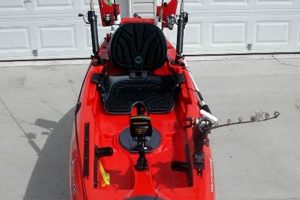
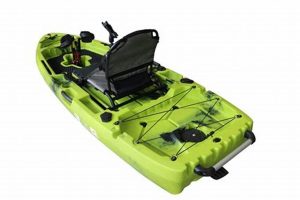
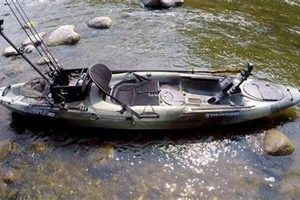
Ocean kayak selection is paramount for safe and successful fishing in waters frequented by sharks. Stability, maneuverability, and storage capacity are key considerations. A stable kayak is less likely to capsize due to unexpected encounters or challenging sea conditions, a crucial factor when dealing with the potential presence of large predators. Enhanced maneuverability allows for quick adjustments in position, crucial for avoiding close contact or following hooked fish. Adequate storage is essential for carrying safety equipment, fishing gear, and potential catch, minimizing clutter and maximizing operational efficiency. For example, a sit-on-top kayak with a wide beam and a high weight capacity offers superior stability compared to a narrower sit-inside model. Similarly, a kayak equipped with rudder steering provides enhanced maneuverability, particularly in challenging currents or windy conditions.
Specific features further enhance suitability for fishing in shark-inhabited waters. Rod holders, strategically positioned for easy access, facilitate efficient fishing techniques. A fish finder mount allows for the identification of potential fishing spots and monitoring underwater activity, potentially indicating the presence of sharks. A secure anchor system aids in maintaining position in desired fishing locations, preventing drift into hazardous areas. These specialized features, while beneficial in any kayak fishing scenario, become particularly important when operating in the presence of potentially dangerous marine life. A well-equipped kayak allows the angler to focus on fishing and safety, rather than managing equipment challenges. This becomes even more critical when the environment presents heightened risks, requiring quick reactions and efficient handling of potentially stressful situations.
Careful ocean kayak selection, therefore, directly influences safety and effectiveness when fishing in shark-inhabited waters. Choosing a kayak tailored to the specific challenges of this environment significantly contributes to a positive outcome. The selected vessel becomes more than just a mode of transportation; it becomes a platform supporting safe and responsible interaction with a dynamic and potentially challenging marine ecosystem. Understanding the connection between kayak choice and the overall fishing experience is essential for anglers venturing into these waters, enabling informed decisions that prioritize both personal safety and respectful interaction with the environment.
2. Specialized Fishing Gear

Specialized fishing gear plays a crucial role in successful and safe kayak fishing in areas frequented by sharks. The appropriate equipment enhances angling effectiveness while prioritizing safety considerations inherent in such environments. From robust tackle designed to handle powerful fish to specialized tools for safe catch-and-release, the correct gear significantly impacts the overall experience.
- Heavy-Duty Rods and Reels:
Strong, durable rods and reels capable of handling larger fish are essential. These should be matched to the target species and potential encounters with larger sharks. For instance, a heavy-action rod paired with a high-capacity reel spooled with braided line provides the necessary strength and leverage for managing powerful runs and minimizing fight times, crucial for reducing stress on both the angler and the fish. This robustness also reduces the risk of equipment failure during critical moments.
- Wire Leaders and Heavy-Gauge Hooks:
Employing wire leaders and heavy-gauge hooks mitigates the risk of line breakage due to abrasion or bite-offs. These components provide essential protection against sharp teeth and powerful jaws, increasing the chances of landing a fish successfully and safely. The choice of leader and hook size should be appropriate for the target species and potential encounters with larger sharks. For example, when targeting larger pelagic fish like tuna or marlin in areas where sharks are present, a heavy-gauge wire leader and strong, appropriately sized hooks are crucial.
- Specialized Dehooking Tools:
Long-handled dehooking tools and bolt cutters facilitate safe and efficient removal of hooks, minimizing handling time and reducing stress on the fish. These tools allow anglers to maintain a safe distance from potentially aggressive fish, enhancing safety for both the angler and the animal. For example, using long-handled pliers or specialized dehooking devices allows quick and efficient removal of hooks, particularly when dealing with larger fish or sharks. Bolt cutters provide a rapid means of severing the hook if necessary, minimizing handling time and promoting a quick release.
- Landing Net and Gaff:
A sturdy landing net or gaff can assist in controlling and securing larger fish, facilitating a quicker and more controlled release process. This reduces the risk of injury to both the angler and the fish. A rubberized net is preferable as it minimizes damage to the fish’s protective slime coat. If using a gaff, consider one designed for catch-and-release, which feature a blunt or rounded tip to minimize tissue damage. Proper use of these tools is crucial for maintaining the fish’s well-being and ensuring a successful release.
Selecting and employing specialized gear is essential for navigating the challenges of kayak fishing in shark-inhabited waters. The right equipment enhances angling effectiveness, minimizes the risk of equipment failure, and contributes to the safe handling and release of fish, including sharks. It contributes to a more responsible and successful fishing experience, allowing anglers to focus on the thrill of the pursuit while prioritizing safety and conservation.
3. Shark Awareness
Shark awareness is paramount for safe and responsible kayak fishing in shark-inhabited waters. Understanding shark behavior, habitat preferences, and potential warning signs significantly reduces the risk of negative interactions and fosters respectful coexistence. This knowledge empowers anglers to make informed decisions, enhancing both personal safety and the well-being of these apex predators.
- Species Identification and Behavior:
Knowledge of local shark species, their typical behavior patterns, and preferred habitats is crucial. Understanding whether a species is generally inquisitive, aggressive, or shy allows anglers to anticipate potential interactions and adjust their behavior accordingly. For instance, recognizing that certain species are more active during dawn and dusk informs fishing times and location choices. Distinguishing between the inquisitive approach of a smaller reef shark and the potentially more assertive behavior of a larger pelagic species allows for appropriate responses, enhancing safety.
- Environmental Factors:
Environmental factors influence shark presence and behavior. Areas with high concentrations of prey, such as seal colonies or baitfish schools, are likely to attract sharks. Similarly, tidal currents, water temperature, and time of day can affect shark activity levels. Avoiding these areas, particularly during peak feeding times, minimizes the likelihood of encounters. For example, fishing near a river mouth during an outgoing tide, when baitfish are being swept out to sea, increases the chance of attracting predatory sharks.
- Interpreting Warning Signs:
Recognizing potential warning signs of shark presence is essential. Sudden changes in fish behavior, such as agitated schooling or rapid dispersal, may indicate a nearby predator. Similarly, the presence of marine mammals exhibiting signs of distress or unusual bird activity can suggest shark activity. Observing these cues allows anglers to assess potential risks and take appropriate precautions, such as relocating to a different area or temporarily ceasing fishing activities.
- Minimizing Attractants:
Minimizing attractants reduces the likelihood of attracting unwanted attention. Disposing of fish remains responsibly, avoiding excessive chumming, and securing catches away from the kayak minimizes enticing smells and visual cues that might draw sharks to the area. Proper handling of bait and tackle also prevents unnecessary spills and leaks that could attract inquisitive or predatory species. For instance, using sealed containers for bait and cleaning up any spills promptly reduces the chances of attracting sharks.
Cultivating shark awareness equips kayak anglers with the knowledge and skills to navigate shark-inhabited waters safely and responsibly. By understanding shark behavior, recognizing environmental influences, interpreting warning signs, and minimizing attractants, anglers contribute to positive interactions and a sustainable coexistence with these vital marine predators. This knowledge enhances both the safety and enjoyment of the kayak fishing experience, fostering a deeper appreciation for the marine environment and its inhabitants.
4. Safety Protocols
Safety protocols are inextricably linked to kayak fishing in shark-inhabited waters. These procedures are not mere suggestions but essential practices that directly influence angler well-being and the potential for successful interaction with these apex predators. The inherent risks associated with this activity necessitate a comprehensive understanding and meticulous implementation of safety measures. A failure to adhere to established protocols can have severe consequences, ranging from minor incidents to life-threatening situations. For instance, neglecting to carry a personal locator beacon (PLB) could significantly hinder rescue efforts in the event of a capsize far offshore. Similarly, disregarding weather forecasts and venturing out in rough seas increases the risk of capsizing or encountering aggressive shark behavior, as agitated sharks are more likely to be encountered in turbulent conditions.
The importance of safety protocols as a component of kayak fishing with sharks cannot be overstated. They form the foundation upon which a safe and rewarding experience is built. Consider the scenario of an angler hooking a large fish that attracts the attention of a nearby shark. A pre-departure equipment check ensures the angler has a sharp knife readily accessible for cutting the line if the shark becomes too aggressive, preventing a potentially dangerous entanglement. Practicing self-rescue techniques prior to embarking on the trip provides the angler with the skills and confidence to re-enter the kayak swiftly and efficiently in the event of a capsize, crucial for minimizing time spent vulnerable in the water. Carrying a VHF radio allows communication with other boaters or emergency services, facilitating rapid assistance if required.
A comprehensive understanding of safety protocols equips anglers with the knowledge and skills to mitigate risks and respond effectively to unforeseen circumstances. This preparation transforms a potentially hazardous activity into a calculated pursuit where risks are acknowledged, assessed, and minimized. Adhering to safety protocols demonstrates respect for the marine environment and its inhabitants, promoting a sustainable and responsible approach to kayak fishing in shark-inhabited waters. This careful approach not only enhances angler safety but also contributes to positive interactions with sharks, fostering a greater appreciation for these remarkable creatures and their crucial role in the marine ecosystem.
5. Catch and Release Techniques
Catch-and-release techniques are integral to responsible kayak fishing in shark-inhabited waters. These practices minimize stress and potential injury to released sharks, promoting healthy populations and preserving the delicate balance of the marine ecosystem. This connection hinges on understanding the physiological vulnerabilities of sharks and the potential impact of angling practices on their survival. Sharks, despite their apex predator status, are susceptible to stress and injury from capture, particularly when fishing methods are not tailored to their physiology. For example, prolonged fight times can lead to lactic acid buildup and physiological exhaustion, increasing the risk of post-release mortality. Similarly, improper handling can damage sensitive organs like gills and eyes, further compromising survival. The implementation of appropriate catch-and-release techniques directly addresses these vulnerabilities.
Consider the scenario of a shark hooked from a kayak. Utilizing circle hooks, designed to lodge in the corner of the jaw, minimizes internal injuries compared to J-hooks, which can be swallowed and cause internal damage. Keeping the shark in the water during the dehooking process reduces stress and prevents undue exertion. Using specialized dehooking tools, such as long-handled pliers or hook removers, expedites the process, minimizing handling time. If the shark exhibits signs of distress, supplemental oxygenation can be administered using a specialized device or by gently moving the shark back and forth in the water to facilitate oxygen flow over the gills. These targeted interventions demonstrate the practical significance of understanding the connection between catch-and-release techniques and shark physiology. They transform a potentially harmful interaction into a minimally invasive encounter, maximizing the chances of a successful release and promoting long-term survival.
Effective catch-and-release practices in kayak fishing with sharks hinge on a combination of specialized equipment, refined handling techniques, and a deep understanding of shark physiology. These practices transcend mere angling guidelines; they represent a commitment to conservation and responsible interaction with a vulnerable apex predator. The challenges of operating from a kayak, such as limited space and equipment accessibility, underscore the importance of streamlined procedures and efficient handling. This meticulous approach to catch and release not only safeguards shark populations but also contributes to the long-term health and sustainability of the marine environment, ensuring the future of this unique angling pursuit.
6. Respectful Interaction
Respectful interaction forms the ethical core of kayak fishing in shark-inhabited waters. This principle transcends mere avoidance of harm and encompasses a proactive approach to minimizing disturbance and prioritizing the well-being of these apex predators. The connection hinges on recognizing sharks not merely as fishing targets but as vital components of a complex marine ecosystem. Their presence signifies a healthy ocean environment, and their continued well-being is essential for maintaining this balance. For instance, sharks play a crucial role in regulating prey populations, preventing overgrazing of vital seagrass beds and coral reefs. Respectful interaction acknowledges this ecological significance and strives to minimize disruption to their natural behaviors.
Consider the practical implications. Approaching a hooked shark cautiously, avoiding sudden movements or loud noises, minimizes stress and reduces the likelihood of defensive reactions. Refraining from deliberately provoking or harassing sharks, even if they are not the intended target species, demonstrates respect for their natural role in the environment. Educating fellow anglers about responsible fishing practices, such as proper catch-and-release techniques and the importance of minimizing attractants, amplifies the impact of respectful interaction. These seemingly small actions collectively contribute to a culture of conservation and responsible stewardship of the marine environment. For example, choosing to fish in areas away from known shark nursery grounds minimizes disturbance to vulnerable juveniles, contributing to the long-term health of the population.
Respectful interaction, therefore, defines the ethical framework within which kayak fishing with sharks should operate. It transcends a simple set of rules and embodies a deep appreciation for the marine environment and its inhabitants. This perspective transforms the act of fishing from a purely extractive pursuit into a form of respectful engagement with the natural world. Challenges inherent in this activity, such as the potential for close encounters and the inherent vulnerability of anglers in kayaks, underscore the importance of respectful interaction. By prioritizing the well-being of sharks, anglers contribute to the long-term health of the marine ecosystem and enhance the sustainability of their own pursuit, ensuring future generations can experience the thrill and privilege of interacting with these magnificent creatures.
7. Environmental Considerations
Environmental considerations are inextricably linked to the practice of kayak fishing in shark-inhabited waters. Responsible angling practices necessitate a comprehensive understanding of the interconnectedness between this activity and the surrounding ecosystem. Ignoring these considerations risks not only the health of the marine environment but also the long-term viability of the activity itself.
- Habitat Disturbance
Kayak fishing, while generally less impactful than motorized boating, can still contribute to habitat disturbance. Dragging anchors across sensitive seagrass beds or coral reefs can cause physical damage, impacting the organisms that rely on these habitats. Noise generated by kayaks, although minimal, can disrupt marine life communication and behavior, particularly in shallow or enclosed areas. Careful selection of fishing locations and anchoring practices minimizes these impacts. For instance, opting for sandy or bare bottom areas for anchoring avoids direct damage to sensitive habitats. Similarly, maintaining a respectful distance from areas where marine mammals are pupping or breeding minimizes disturbance during critical life stages.
- Pollution and Waste
Kayak anglers must adhere to strict no-trace principles, ensuring all waste, including fishing line, hooks, and packaging, is properly disposed of. Discarded fishing gear poses a significant entanglement risk to marine life, including sharks, sea turtles, and seabirds. Chemical pollutants, such as sunscreen and insect repellent, can leach into the water and negatively impact water quality. Using eco-friendly products and practicing responsible waste disposal minimizes these environmental impacts. For example, carrying a reusable water bottle reduces plastic waste, while opting for biodegradable sunscreen minimizes chemical pollution.
- Bycatch and Ecosystem Impact
While targeting specific species, kayak anglers may inadvertently catch non-target species, known as bycatch. This can have unintended consequences for the ecosystem, especially if bycatch includes vulnerable or endangered species. Implementing selective fishing techniques, using appropriate gear, and practicing proper catch-and-release protocols minimizes bycatch and reduces its impact on the broader ecosystem. For example, using circle hooks reduces the incidence of deep hooking, increasing the chances of survival for released fish. Similarly, employing fishing techniques that target specific depths or areas can minimize the likelihood of catching non-target species.
- Climate Change Impacts
Climate change presents significant challenges for marine ecosystems, including changing water temperatures, ocean acidification, and altered distribution of marine life. Kayak anglers, as direct observers of the marine environment, can play a crucial role in monitoring and documenting these changes. Participating in citizen science initiatives, such as reporting unusual sightings or changes in fish behavior, contributes valuable data to ongoing research efforts. This involvement empowers anglers to become active stewards of the marine environment, contributing to a broader understanding of climate change impacts and informing future conservation strategies.
Integrating environmental considerations into kayak fishing practices in shark-inhabited waters is essential for maintaining the health and sustainability of the ecosystem. Responsible anglers understand that their actions have direct consequences for the environment and strive to minimize their impact. By incorporating these considerations into decision-making processes, kayak anglers contribute to the preservation of the marine environment, ensuring future generations can continue to enjoy this unique and rewarding pursuit. The interconnectedness of these factors highlights the importance of a holistic approach to kayak fishing, where respect for the environment is paramount.
Frequently Asked Questions
This section addresses common queries regarding kayak fishing in proximity to sharks, providing factual information to clarify potential concerns and promote informed decision-making.
Question 1: How common are shark encounters while kayak fishing?
While sharks inhabit many of the same waters where kayak fishing occurs, encounters are relatively infrequent. Most sharks are not aggressive towards humans and tend to avoid kayaks. Adhering to safety guidelines and practicing responsible fishing techniques further minimizes interaction probabilities.
Question 2: What should one do if a shark approaches the kayak?
Remaining calm and avoiding sudden movements are crucial. Refrain from making aggressive gestures or attempting to touch the animal. If the shark exhibits persistent interest, gently paddling away while facing the animal is often the best course of action. Using a paddle or other object to create a barrier between the kayak and the shark can also deter closer approaches.
Question 3: Are specific kayak modifications necessary for fishing in shark-inhabited waters?
While not strictly required, certain modifications can enhance safety and maneuverability. Adding rod holders, anchor systems, and fish finders improves fishing efficiency, allowing anglers to manage situations more effectively. High-visibility colors and reflective tape can increase kayak visibility to boaters, further enhancing safety.
Question 4: Does fishing attract sharks?
Fishing activity can potentially attract sharks through the scent of bait, fish blood, and struggling fish. Minimizing attractants by promptly disposing of fish remains, avoiding excessive chumming, and securing catches away from the kayak reduces the likelihood of attracting unwanted attention.
Question 5: Is specialized fishing gear necessary for kayak fishing with sharks?
Employing appropriate tackle enhances safety and efficiency. Heavier rods, reels, and lines provide the strength necessary for handling larger fish that might attract sharks. Wire leaders protect against bite-offs, and specialized dehooking tools facilitate quicker and safer release, minimizing handling time and reducing stress on both the fish and the angler.
Question 6: How does responsible catch-and-release contribute to shark conservation?
Proper catch-and-release techniques minimize stress and injury to the animal, maximizing post-release survival rates. Using appropriate hooks, minimizing handling time, and reviving exhausted animals before release contribute to healthy shark populations and a balanced marine ecosystem.
Understanding these key aspects of kayak fishing near sharks empowers anglers to make informed decisions, enhancing safety and fostering responsible interaction with the marine environment.
This FAQ section has provided insights into common concerns. The following section delves into advanced techniques and specific strategies for successfully targeting various fish species from a kayak in areas where sharks may be present, while prioritizing ethical considerations and minimizing environmental impact.
Conclusion
This exploration has provided a comprehensive overview of kayak fishing in shark-inhabited waters, emphasizing the interconnectedness of safety, ethical practices, and environmental awareness. From equipment selection and specialized techniques to understanding shark behavior and implementing responsible catch-and-release protocols, the discussion has highlighted the multifaceted nature of this demanding yet rewarding pursuit. The importance of respecting sharks as vital components of the marine ecosystem has been underscored, emphasizing the need for respectful interaction and minimizing disturbance to their natural behaviors.
The future of kayak fishing in proximity to sharks relies on continued education, responsible angling practices, and a commitment to conservation. Anglers bear a significant responsibility in promoting sustainable interactions with these apex predators, ensuring the preservation of healthy shark populations and the delicate balance of the marine environment. Continued research and data collection regarding shark behavior and the impacts of human interaction are crucial for informing best practices and adaptive management strategies. Ultimately, the pursuit’s success depends on a collective commitment to responsible stewardship, ensuring that future generations can experience the awe-inspiring thrill of encountering these magnificent creatures in their natural habitat.