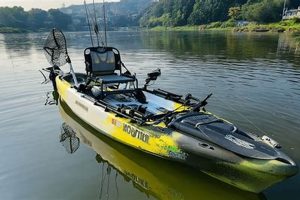
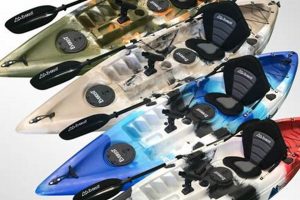
The digital marketplace offers a vast selection of specialized watercraft designed for angling, from compact, sit-on-top models to larger, pedal-driven versions equipped with advanced features. These vessels are frequently categorized by propulsion method (paddle, pedal, or motor), hull design (sit-on-top, sit-inside), and intended fishing environment (ocean, lake, river). For instance, a shorter, sit-on-top kayak might be ideal for navigating narrow creeks, while a longer, pedal-driven model would be better suited for open-water angling.
Acquiring such watercraft through e-commerce platforms provides distinct advantages, including wider selection, competitive pricing, and convenient delivery. Historically, purchasing these specialized boats required visiting physical stores with limited inventory. The internet has transformed the process, offering consumers more choices, detailed product information, and user reviews. This shift has empowered anglers to make informed decisions and find the perfect vessel tailored to their specific needs and budget.
The following sections will delve deeper into key aspects of selecting and purchasing these specialized watercraft through digital channels, covering topics such as hull design considerations, propulsion systems, essential accessories, and reputable online retailers.
Tips for Selecting and Purchasing Fishing Kayaks Online
Careful consideration of several factors ensures a satisfactory online purchase experience. The following tips offer guidance for navigating the selection process and making informed decisions.
Tip 1: Define Fishing Needs. Clarify the intended fishing environment (ocean, lake, river), target species, and typical fishing duration. These factors influence hull design, length, and storage capacity requirements.
Tip 2: Research Kayak Types. Explore different hull designs (sit-on-top, sit-inside) and propulsion systems (paddle, pedal, motor) to determine the best fit for individual needs and preferences.
Tip 3: Compare Prices and Features. Utilize online resources to compare prices, features, and specifications across various brands and models. Consider factors like weight capacity, storage space, and included accessories.
Tip 4: Read Reviews. Consult online reviews and forums to gain insights from other anglers regarding performance, stability, and durability of prospective kayak models.
Tip 5: Check Retailer Reputation. Verify the reputation and customer service policies of online retailers before making a purchase. Look for secure payment options and clear return policies.
Tip 6: Consider Shipping and Delivery. Factor in shipping costs and delivery times when comparing online retailers. Ensure the retailer offers appropriate packaging and insurance for safe transport.
Tip 7: Plan for Accessories. Research necessary accessories, such as paddles, life vests, rod holders, and fish finders. Consider purchasing these items online alongside the kayak to potentially benefit from bundled discounts.
By following these guidelines, consumers can confidently navigate the online marketplace and select a vessel ideally suited to their specific fishing requirements and budget. A well-chosen watercraft enhances the overall angling experience and provides years of enjoyment on the water.
This informed approach to selection and acquisition paves the way for successful and enjoyable fishing excursions. The concluding section offers final thoughts and reinforces the benefits of informed decision-making.
1. Types and Features
The diverse landscape of fishing kayaks available online presents a spectrum of types and features, each tailored to specific angling styles and environments. Understanding these distinctions is crucial for informed decision-making and ensuring a suitable vessel selection.
- Hull Design
Hull design significantly influences stability, maneuverability, and tracking. Sit-on-top kayaks, known for stability and self-bailing capabilities, are favored for warmer climates and calmer waters. Sit-inside kayaks, offering greater protection from the elements and enhanced paddling efficiency, are often preferred for colder conditions or longer expeditions. Choosing the appropriate hull design contributes significantly to on-the-water performance and angler comfort.
- Propulsion Systems
Propulsion systems range from traditional paddles to pedal drives and even motorized options. Paddle kayaks offer simplicity and affordability, while pedal-driven kayaks provide hands-free fishing and increased speed. Motorized kayaks offer the greatest range and power. Selecting the appropriate propulsion system depends on factors like fishing style, physical capabilities, and target fishing grounds.
- Length and Width
Length and width dimensions impact tracking, stability, and maneuverability. Longer kayaks track straighter and glide more efficiently, while shorter kayaks offer enhanced maneuverability in tight spaces. Wider kayaks provide greater stability, while narrower kayaks offer increased speed. Matching these dimensions to the intended fishing environment ensures optimal performance and safety.
- Storage and Accessories
Storage capacity and integrated accessories cater to specific angling needs. Dedicated rod holders, tackle storage compartments, and anchor trolleys enhance fishing efficiency and organization. Evaluating these features based on individual fishing styles and gear requirements ensures a well-equipped and functional vessel. For example, an angler targeting larger game fish might prioritize a kayak with ample rod storage and a robust anchor system.
A comprehensive understanding of these types and features empowers informed decisions when navigating the online marketplace. Considering these factors in conjunction with individual fishing preferences and target environments ensures the selection of a fishing kayak optimized for performance, comfort, and angling success. This detailed approach streamlines the selection process and sets the stage for enjoyable and productive fishing experiences.
2. Retailer Research

Thorough retailer research is paramount when purchasing fishing kayaks online. It safeguards consumers from potential pitfalls and ensures a positive buying experience. Due diligence in this area contributes significantly to acquiring a quality product from a reputable source, backed by reliable customer service.
- Reputation and Reviews
Examining retailer reputation involves checking online reviews and ratings on platforms like Trustpilot, Yelp, and the Better Business Bureau. These resources offer insights into other customers’ experiences, highlighting potential issues with order fulfillment, customer service, and product quality. For example, consistently negative reviews regarding shipping damage or unresponsive customer service should raise a red flag. A retailer’s reputation directly impacts the overall purchasing experience and post-sales support.
- Return Policies and Warranties
Understanding return policies and warranty coverage is crucial before committing to a purchase. Clear and comprehensive return policies provide recourse if the kayak arrives damaged or does not meet expectations. Warranty information ensures protection against manufacturing defects and provides peace of mind. A retailer offering a robust warranty and a hassle-free return policy demonstrates commitment to customer satisfaction.
- Security and Payment Options
Secure payment gateways and diverse payment options are essential for safe online transactions. Look for retailers utilizing secure sockets layer (SSL) encryption to protect sensitive financial information. Offering multiple payment methods, such as credit cards, PayPal, and financing options, caters to diverse customer preferences and enhances convenience.
- Shipping and Delivery Information
Transparent shipping and delivery information is vital for managing expectations and avoiding surprises. Retailers should clearly outline shipping costs, estimated delivery times, and tracking options. Understanding these logistics upfront prevents potential delays and ensures timely arrival of the kayak. For instance, a retailer providing real-time tracking updates fosters transparency and allows customers to monitor their shipment’s progress.
By prioritizing these facets of retailer research, consumers mitigate risks associated with online purchases. This careful evaluation contributes to a positive buying experience and increases the likelihood of acquiring a quality fishing kayak from a reputable and reliable source. This proactive approach ultimately enhances the overall enjoyment of the sport by ensuring a smooth and secure transaction process.
3. Price Comparison

Price comparison plays a crucial role in the online acquisition of fishing kayaks. The digital marketplace offers a vast selection of models, brands, and retailers, creating an environment where prices can fluctuate significantly. Leveraging online tools and resources empowers consumers to identify the most competitive prices for specific kayak models, ensuring optimal resource allocation. For example, an angler seeking a specific sit-on-top fishing kayak can compare prices across various online retailers, potentially uncovering significant price differences for the identical product. This informed approach prevents overspending and maximizes the value of the investment.
Several factors influence fishing kayak pricing, including brand reputation, construction materials, features, and retailer markups. Understanding these factors allows consumers to evaluate price discrepancies objectively. A higher price doesn’t always equate to superior quality. Conversely, a lower price doesn’t necessarily indicate inferior construction. Careful price comparison, combined with thorough product research, allows for informed decisions based on both cost and value. For instance, a lesser-known brand might offer a comparable kayak with similar features at a lower price point than a premium brand. Price comparison empowers consumers to identify such opportunities and make informed purchasing decisions.
Effective price comparison requires utilizing dedicated price comparison websites, checking individual retailer websites, and considering factors beyond the base price, such as shipping costs, taxes, and potential discounts. A comprehensive approach ensures accurate cost assessment and avoids unforeseen expenses. Ultimately, diligent price comparison empowers informed decision-making, allowing consumers to acquire desired fishing kayaks at the most competitive prices available in the online marketplace. This practice maximizes budget efficiency and contributes to a satisfying purchase experience.
4. Shipping Logistics

Shipping logistics represent a critical aspect of the online fishing kayak acquisition process. The size and weight of these specialized watercraft present unique challenges for transportation. Understanding these logistical considerations ensures a smooth and cost-effective delivery experience, avoiding potential delays and unforeseen expenses.
- Packaging and Handling
Kayak packaging and handling directly impact the risk of damage during transit. Reputable retailers utilize specialized packaging materials and techniques to protect kayaks from impacts and scratches. Proper handling during loading and unloading minimizes the potential for damage. For example, reinforced cardboard crates, foam padding, and protective shrink wrap safeguard kayaks throughout the shipping process. Thorough packaging and careful handling are essential for ensuring the kayak arrives in pristine condition.
- Carrier Selection and Transit Times
Choosing appropriate freight carriers and understanding estimated transit times are crucial for managing expectations and planning accordingly. Freight companies specializing in large item transport offer expertise in handling bulky items like kayaks. Transit times vary depending on the distance between the retailer and the delivery address. For instance, selecting a carrier with a proven track record of handling fragile cargo minimizes transit risks. Clear communication regarding estimated delivery windows allows consumers to anticipate arrival and plan accordingly.
- Shipping Costs and Insurance
Shipping costs represent a significant portion of the overall purchase price. These costs vary based on factors like distance, carrier rates, and kayak size and weight. Shipping insurance protects against potential damage or loss during transit. For example, comparing shipping costs across different retailers ensures competitive pricing. Opting for shipping insurance provides financial protection in case of unforeseen events during transport.
- Delivery and Inspection
Upon delivery, careful inspection of the kayak and packaging is essential for identifying any potential damage incurred during transit. Documenting any damage with photographs and notifying the retailer immediately initiates the claims process. For instance, thoroughly inspecting the kayak upon arrival for cracks, dents, or scratches protects the consumer’s investment. Promptly reporting any damage to the retailer ensures timely resolution and facilitates the replacement or repair process.
Careful consideration of these shipping logistics ensures a seamless and positive purchasing experience. Addressing these logistical factors upfront minimizes potential complications and contributes to a successful kayak acquisition. Understanding these elements allows consumers to make informed decisions, manage expectations, and ultimately enjoy their new fishing kayak without the hassle of shipping-related issues. This proactive approach paves the way for enjoyable and productive time on the water.
5. Reviews and Ratings

Online reviews and ratings constitute a crucial resource for informed purchasing decisions regarding fishing kayaks. These evaluations, contributed by fellow anglers, offer valuable insights into real-world performance, durability, and overall satisfaction with specific kayak models. Leveraging this collective knowledge empowers prospective buyers to make educated choices aligned with individual needs and preferences.
- Authenticity and Reliability
Assessing the authenticity and reliability of online reviews is paramount. Look for reviews that provide specific details about the kayak’s performance in various conditions, including stability, tracking, and maneuverability. Genuine reviews often mention both positive and negative aspects, contributing to a balanced perspective. For example, a review detailing the kayak’s stability in choppy water versus calm conditions offers valuable insights. Discerning authentic feedback from potentially biased or fabricated reviews strengthens the decision-making process.
- Focus on Relevant Criteria
Filtering reviews based on relevant criteria, such as target fishing species, preferred fishing environment, and angler experience level, enhances the value of the information. An angler targeting large game fish in offshore environments will benefit from reviews written by anglers with similar fishing styles. For example, a review discussing the kayak’s performance in surf launches holds greater relevance for ocean anglers. Focusing on reviews aligned with individual needs provides targeted insights.
- Quantitative Ratings and Qualitative Feedback
Combining quantitative ratings (star ratings, numerical scores) with qualitative feedback (written reviews, comments) provides a comprehensive perspective. Quantitative ratings offer a quick overview of overall satisfaction, while qualitative feedback delves into specific aspects of the kayak’s performance and features. For example, a high average star rating combined with positive comments about the kayak’s stability and comfort reinforces its suitability for specific needs. Integrating both types of feedback enhances the evaluation process.
- Retailer and Manufacturer Websites
Consulting reviews on both retailer and manufacturer websites provides a broader range of perspectives. Retailer websites often feature reviews from verified purchasers, while manufacturer websites may offer insights into product development and design considerations. Comparing reviews across different platforms offers a more holistic view of the kayak’s strengths and weaknesses. For example, a manufacturer’s website might highlight design features aimed at enhancing stability, while retailer reviews might confirm the effectiveness of these features in real-world conditions. Considering reviews from multiple sources strengthens the evaluation process.
By effectively utilizing online reviews and ratings, prospective kayak buyers gain valuable insights into the performance, features, and overall value of different models. This informed approach minimizes the risk of purchasing an unsuitable kayak and maximizes the likelihood of acquiring a vessel ideally suited to individual angling needs and preferences. The collective knowledge shared within online reviews empowers informed decision-making and contributes to a satisfying and productive fishing kayak ownership experience.
6. Accessories Availability

Ready access to essential accessories significantly impacts the functionality and enjoyment of a fishing kayak. The online marketplace offers a convenient platform for acquiring these supplemental items, often in conjunction with the kayak itself. Understanding the availability and compatibility of various accessories streamlines the outfitting process and ensures anglers are well-prepared for their on-the-water excursions. This facet of online kayak acquisition contributes directly to the overall fishing experience.
- Rod Holders and Mounts
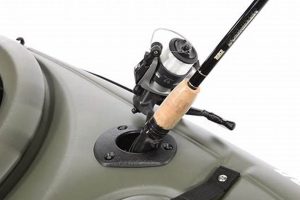
Specialized rod holders and mounts secure fishing rods, freeing hands for paddling, maneuvering, and landing fish. Various mounting options cater to different fishing styles and kayak configurations. For example, flush-mounted rod holders offer a streamlined profile, while adjustable rod holders provide versatility in positioning. Online retailers typically offer a wide selection of rod holders compatible with various kayak models, ensuring anglers can customize their setup based on individual preferences and target species.
- Paddles and Propulsion Accessories
Paddle selection influences paddling efficiency and comfort. Ergonomically designed paddles, adjustable-length paddles, and upgraded paddle leashes enhance performance and prevent paddle loss. For kayaks equipped with pedal drives or motors, online retailers offer replacement parts, maintenance kits, and upgrade options. Access to these accessories ensures optimal propulsion efficiency and prolongs the lifespan of the kayak’s drive system.
- Storage and Organization Solutions
Storage solutions, such as dry bags, tackle boxes, and gear tracks, maximize storage capacity and keep essential gear organized and accessible. Online retailers offer a wide array of storage accessories designed specifically for kayaks, ensuring compatibility and efficient use of limited space. For example, waterproof tackle boxes protect sensitive gear from the elements, while gear tracks provide modular mounting points for customizing storage configurations. These solutions enhance organization and optimize the use of available space within the kayak.
- Safety and Comfort Enhancements
Safety equipment, including personal flotation devices (PFDs), whistles, and bilge pumps, are essential for safe and enjoyable kayaking experiences. Comfort enhancements, such as padded seats, backrests, and anchor trolleys, improve ergonomics and reduce fatigue during long fishing trips. Online retailers often offer bundled safety kits and comfort packages tailored to specific kayak models. These readily available resources ensure anglers prioritize safety and enhance overall comfort on the water.
The availability of these accessories through online retailers streamlines the outfitting process, allowing anglers to conveniently acquire essential gear alongside their chosen kayak. This integrated approach simplifies the purchasing experience and ensures compatibility between the kayak and its accessories. Ultimately, access to a wide selection of readily available accessories enhances the functionality, safety, and overall enjoyment of the fishing kayak, contributing to a more productive and satisfying on-the-water experience. This convenient access to essential gear empowers anglers to fully equip their kayaks and maximize their time on the water.
Frequently Asked Questions (FAQ)
This section addresses common inquiries regarding the online purchase of fishing kayaks, providing clarity and guidance for prospective buyers. Understanding these frequently raised points empowers informed decision-making and contributes to a positive acquisition experience.
Question 1: How are fishing kayaks shipped?
Due to their size and weight, fishing kayaks typically ship via freight carriers specializing in large item transport. They are carefully packaged to minimize the risk of damage during transit.
Question 2: What is the average cost of shipping a fishing kayak?
Shipping costs vary based on factors such as distance, kayak size and weight, and carrier rates. It’s advisable to obtain shipping quotes from multiple retailers before making a purchase.
Question 3: How long does it take to receive a fishing kayak after ordering online?
Delivery times depend on the retailer’s location, shipping carrier, and the customer’s delivery address. Estimated delivery windows are typically provided during the checkout process.
Question 4: What should one look for when comparing online retailers?
Key factors to consider include retailer reputation, customer service policies, return policies, warranty information, secure payment options, and transparent shipping details.
Question 5: What are the benefits of purchasing a fishing kayak online versus in a physical store?
Online purchases offer a wider selection of models, access to competitive pricing, convenient delivery, and the ability to research and compare products from the comfort of one’s home.
Question 6: What accessories are essential for a fishing kayak?
Essential accessories include a paddle, personal flotation device (PFD), rod holders, storage solutions, and safety equipment such as a whistle and bilge pump. Additional accessories, like fish finders and anchor trolleys, enhance the fishing experience.
Addressing these frequently asked questions provides clarity and guidance for prospective online purchasers. Careful consideration of these points contributes to a smooth and informed acquisition process.
The subsequent section will delve into specific fishing kayak models and their respective features, offering detailed comparisons to further assist in the selection process.
Conclusion
Acquiring fishing kayaks through online platforms offers distinct advantages, including access to a broader selection, competitive pricing, and convenient delivery. Successful navigation of this digital marketplace requires careful consideration of several key factors. Thorough product research, encompassing hull design, propulsion systems, and features, ensures alignment between vessel characteristics and individual angling needs. Diligent retailer research, focusing on reputation, customer service, and logistical considerations, mitigates potential risks associated with online transactions. Effective price comparison empowers informed budgetary decisions, maximizing value and minimizing unnecessary expenditures. Understanding shipping logistics, including packaging, carrier selection, and delivery procedures, ensures a smooth and predictable arrival experience. Leveraging online reviews and ratings provides invaluable insights from experienced anglers, facilitating informed product evaluations. Finally, readily available accessories streamline the outfitting process, equipping anglers with essential gear for enhanced on-the-water performance.
The evolving landscape of online retail continues to transform the acquisition process for specialized sporting equipment. Informed decision-making, grounded in thorough research and a comprehensive understanding of the factors outlined herein, empowers anglers to select fishing kayaks ideally suited to their individual needs and preferences. This strategic approach maximizes the potential for successful and enjoyable fishing excursions, fostering a deeper connection with the sport and the natural environment.