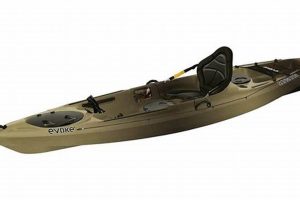
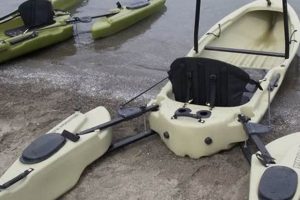
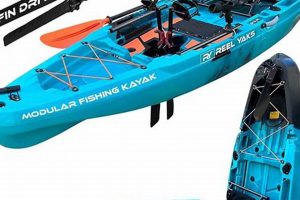
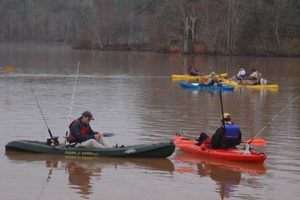
A durable, inflatable watercraft designed for angling in the lakes and rivers of Colorado offers stability and portability for anglers. These vessels are typically constructed from robust materials like PVC or reinforced nylon, and often feature specialized design elements such as rod holders, storage compartments, and comfortable seating. An angler can easily transport and inflate this type of watercraft, making access to remote fishing locations more manageable.
The combination of portability, stability, and specialized features makes this type of craft a valuable asset for anglers. The inflatable design allows for easy transport and storage, eliminating the need for a trailer or large vehicle. The inherent stability of these crafts, particularly when compared to smaller, non-inflatable options, provides a secure platform for casting and reeling. Additionally, features like integrated rod holders and ample storage space enhance the overall fishing experience. Historically, fishing from small, portable vessels has been a common practice. Modern materials and manufacturing techniques have significantly improved the durability, performance, and comfort of these vessels, making them a popular choice for anglers of all skill levels.
This exploration will delve further into specific aspects of choosing and utilizing this kind of vessel in Colorado, including recommended models, essential accessories, and popular fishing locations. The following sections will provide comprehensive guidance for anglers seeking to enhance their fishing experience in Colorado.
Tips for Inflatable Kayak Fishing in Colorado
Careful planning and preparation contribute significantly to a successful and enjoyable fishing experience from an inflatable kayak in Colorado. The following tips provide valuable insights for maximizing angling opportunities.
Tip 1: Check Regulations. Anglers should consult Colorado Parks and Wildlife regulations regarding fishing licenses, catch limits, and permitted fishing methods specific to the chosen waterway. Regulations vary across different locations and seasons.
Tip 2: Understand Water Conditions. Prior to embarking on a fishing trip, it is essential to assess water conditions, including flow rate, temperature, and clarity. This information influences species selection, lure choices, and overall safety.
Tip 3: Prioritize Safety Gear. A personal flotation device (PFD) is mandatory and crucial for safety. Other essential safety items include a whistle, a first-aid kit, and a communication device.
Tip 4: Choose Appropriate Attire. Dressing in layers allows anglers to adapt to changing weather conditions. Waterproof outerwear and quick-drying fabrics are recommended. Sturdy footwear with good traction is also important.
Tip 5: Pack Essential Fishing Equipment. Rods, reels, lines, lures, and tackle appropriate for the target species should be selected and organized. A net, pliers, and a fishing knife are also beneficial.
Tip 6: Plan for Transportation and Inflation. Ensure the kayak, pump, and associated accessories are readily accessible and easily transported to the launch site. Practice inflating and deflating the kayak prior to the trip.
Tip 7: Respect Wildlife and Leave No Trace. Minimize environmental impact by packing out all trash and avoiding disturbing wildlife. Observe proper catch-and-release techniques when necessary.
By adhering to these guidelines, anglers can enhance their safety, optimize their fishing experience, and contribute to the preservation of Colorado’s natural resources. These practices promote responsible and sustainable angling for present and future generations.
With these preparations complete, anglers can focus on the core elements of successful inflatable kayak fishing: selecting productive locations and employing effective angling techniques.
1. Portability

Portability is a critical factor when selecting a fishing kayak, particularly in Colorado, where diverse waterways often require transportation across varying terrain. The ease with which a kayak can be transported directly impacts accessibility to fishing locations and overall convenience. This section explores the key facets of portability concerning inflatable fishing kayaks designed for use in Colorado.
- Weight and Pack Size
Inflatable kayaks offer a significant advantage in terms of weight and pack size compared to rigid alternatives. When deflated and packed, these kayaks typically weigh and occupy considerably less space, facilitating transport in vehicles with limited cargo capacity or by other means such as hiking or biking to remote locations. This compact size also simplifies storage when not in use.
- Ease of Inflation and Deflation
Efficient inflation and deflation systems contribute significantly to portability. Modern inflatable kayaks often feature high-volume pumps and valves designed for rapid setup and takedown. This minimizes the time and effort required to transition between transport and on-water use, allowing anglers to focus on the fishing experience. The ease of this process also contributes to spontaneous fishing trips and adaptability to changing conditions.
- Carry Bag/Backpack System
The inclusion of a dedicated carry bag or backpack system further enhances portability. These systems are designed to distribute the weight of the packed kayak evenly, improving comfort and maneuverability during transport, especially over longer distances or uneven terrain common in Colorado’s diverse landscapes. A well-designed carry system can significantly reduce strain and facilitate access to less accessible fishing spots.
- Transportation to Remote Locations
The compact and lightweight nature of inflatable kayaks opens access to remote fishing locations often inaccessible with traditional, rigid kayaks. The ability to hike, bike, or even pack a deflated kayak into a smaller vehicle expands angling opportunities in Colorado, where many pristine lakes and rivers are situated away from developed access points. This expanded access allows anglers to explore less pressured waters and potentially enjoy a more secluded fishing experience.
The portability of inflatable fishing kayaks significantly expands angling possibilities in Colorado. By reducing the burden of transport and increasing access to a wider range of waterways, these kayaks contribute to a more versatile and ultimately more rewarding fishing experience. This enhanced access to remote and diverse locations directly benefits anglers seeking solitude and angling opportunities in Colorado’s varied aquatic environments.
2. Stability

Stability is a paramount consideration for anglers using inflatable kayaks, particularly in the diverse water conditions encountered across Colorado. A stable platform is essential for casting, reeling, landing fish, and maintaining balance in varying currents, wind, and wave action. Stability directly influences angler safety and comfort, impacting the overall effectiveness and enjoyment of the fishing experience. Various design elements contribute to the stability of a Coleman kayak, including its wide base, multiple air chambers, and often, integrated fins. These features work in concert to provide a stable platform even in challenging conditions. For example, the wider base of certain Coleman models provides enhanced initial stability, resisting tipping, while multiple air chambers increase buoyancy and maintain stability even if one chamber is compromised. The inclusion of fins enhances tracking and reduces lateral drift, improving stability in moving water like that found in many Colorado rivers.
The practical significance of stability in a fishing kayak becomes evident when considering real-world scenarios. Consider an angler casting a line in windy conditions on a Colorado reservoir. A stable kayak enables precise casting and minimizes the risk of capsizing due to the shifting weight distribution during the cast. Similarly, when battling a strong fish, a stable platform allows the angler to exert the necessary pressure without compromising balance. In river environments, stability is crucial for navigating currents and avoiding obstacles. A stable kayak instills confidence and allows the angler to focus on fishing, enhancing the overall experience. The degree of stability required often depends on the intended fishing environment. Calm lakes may permit kayaks with less inherent stability, while fast-flowing rivers or windy conditions necessitate a highly stable craft.
Understanding the factors that contribute to kayak stability allows anglers to select appropriate models for their specific needs and the anticipated water conditions. Prioritizing stability significantly enhances safety and fishing effectiveness. While stability is a key consideration, it often balances other factors like portability and maneuverability. The optimal balance depends on individual preferences and the specific fishing environments frequently encountered. By prioritizing stability, anglers can maximize their comfort, safety, and overall fishing success in Colorado’s diverse waterways.
3. Durability
Durability is a critical factor influencing the lifespan and overall value of a fishing kayak, especially when used in the diverse and sometimes challenging environments found throughout Colorado. A durable kayak withstands the rigors of transport, deployment, and exposure to various environmental factors, ensuring reliable performance over extended periods. This section examines the key aspects of durability related to inflatable fishing kayaks designed for Colorado’s waters.
- Material Construction
The materials used in the construction of an inflatable kayak directly impact its durability. Kayaks constructed from heavy-duty PVC or reinforced nylon fabrics offer increased resistance to punctures, abrasions, and UV degradation. The density and layering of these materials, along with reinforced seams, contribute to the kayak’s ability to withstand impacts with rocks, logs, and other potential hazards encountered in Colorado rivers and lakes. For instance, a thicker PVC material with multiple layers and reinforced stitching will provide greater protection against sharp objects compared to a thinner, single-layer construction.
- Resistance to Environmental Factors
Colorado’s climate presents unique challenges to kayak durability, including intense sunlight, temperature fluctuations, and potential exposure to snow and ice. UV resistance is crucial to prevent material degradation and maintain the kayak’s structural integrity over time. Similarly, resistance to extreme temperatures prevents cracking or weakening of the material. A kayak designed for durability in Colorado should exhibit resilience to these specific environmental stressors. For example, a kayak with high UV resistance will maintain its color and strength even after prolonged exposure to intense sunlight at high altitudes.
- Seam Strength and Construction
The seams of an inflatable kayak are critical points of vulnerability. Well-constructed seams, often reinforced with multiple stitching patterns or advanced bonding techniques, minimize the risk of leaks and tears. Durable seams ensure the kayak maintains its air pressure and structural integrity, even under stress. The method of seam construction directly correlates with the kayak’s overall lifespan and resistance to failure. Welded seams, for instance, often provide greater durability and airtightness compared to glued or stitched seams.
- Air Chamber Design
Multiple air chambers enhance both safety and durability. Should one chamber be punctured, the remaining chambers provide sufficient buoyancy to keep the kayak afloat, allowing the angler to return safely to shore. This compartmentalized design also limits the impact of a single puncture on the overall performance of the kayak, contributing to its overall reliability in challenging situations. This redundancy is particularly valuable in remote locations common in Colorado, where immediate assistance might not be readily available.
The durability of a fishing kayak directly influences its long-term performance and value. A durable kayak withstands the rigors of Colorado’s diverse environments, providing reliable service for extended periods. By carefully considering factors such as material construction, seam strength, and resistance to environmental stressors, anglers can select a kayak that offers both performance and longevity, maximizing the return on their investment and ensuring enjoyable fishing experiences for years to come. This durability also translates to enhanced safety and confidence on the water, allowing anglers to focus on the fishing experience rather than worrying about equipment failure.
4. Affordability
Affordability often plays a significant role in purchasing decisions, especially for recreational equipment like fishing kayaks. Coleman kayaks frequently occupy a niche in the market characterized by competitive pricing, making them an attractive option for budget-conscious anglers. This affordability, however, necessitates careful consideration of the trade-offs inherent in balancing cost with features, performance, and durability. A lower price point may reflect compromises in materials, construction, or included accessories. For example, a less expensive kayak might utilize a thinner PVC material, potentially impacting its long-term durability compared to a more expensive model constructed from reinforced nylon. Understanding these potential trade-offs allows consumers to make informed decisions aligned with their individual needs and budget constraints.
The practical significance of affordability becomes evident when considering the overall cost of kayak fishing. Beyond the initial purchase price, additional expenses include paddles, life vests, fishing gear, and transportation costs. Opting for a more affordable kayak can free up funds for these essential accessories or enable more frequent fishing trips. For instance, an angler operating within a tight budget might choose a Coleman kayak over a premium brand, allocating the cost savings towards high-quality fishing rods and reels. This strategic allocation of resources allows anglers to prioritize essential equipment without exceeding their overall budget. Moreover, the lower cost of entry associated with more affordable kayaks can introduce newcomers to the sport, fostering broader participation in outdoor recreational activities.
While affordability is an attractive attribute, it should be evaluated in conjunction with other essential factors such as stability, durability, and suitability for the intended fishing environment. Striking a balance between cost and performance is crucial for maximizing the value and enjoyment of the kayak fishing experience. Prioritizing affordability without compromising essential performance characteristics ensures a satisfying and sustainable approach to enjoying Colorado’s diverse fishing opportunities. For anglers prioritizing access and frequency of fishing trips, a Coleman kayak’s affordability can be a decisive factor. However, anglers prioritizing specialized features or extreme durability might find greater value in higher-priced alternatives. A balanced assessment of individual needs and priorities guides informed decision-making, optimizing the long-term satisfaction derived from kayak fishing in Colorado.
5. River Suitability
River suitability is a critical factor when evaluating a Coleman kayak for fishing in Colorado. Colorado rivers present diverse challenges, from gentle meandering streams to fast-flowing, rocky rapids. A kayak’s suitability for river use depends on its hull design, stability, maneuverability, and durability. Flat-bottomed hulls generally offer greater stability in calm waters but may be less maneuverable in currents. Kayaks with a more pointed or streamlined hull design track better in moving water but may sacrifice some stability. The material construction also influences river suitability. Reinforced materials and robust seam construction are essential for withstanding potential impacts with rocks or submerged debris.
The practical implications of river suitability become apparent when considering specific fishing scenarios. For example, navigating the Arkansas River’s challenging rapids necessitates a highly maneuverable and durable kayak. A stable platform is essential for maintaining balance in turbulent water, while robust construction ensures the kayak withstands potential impacts. Conversely, fishing in the calmer stretches of the Colorado River might prioritize stability and comfort over maneuverability. Anglers targeting trout in smaller streams often benefit from a compact and easily maneuverable kayak that can navigate tight turns and shallow sections. Matching the kayak’s characteristics to the specific river environment maximizes fishing effectiveness and enhances safety.
Careful consideration of river suitability is paramount for safe and successful kayak fishing in Colorado. Evaluating factors like hull design, stability, maneuverability, and durability allows anglers to select appropriate Coleman models for their intended river destinations. Understanding these factors not only enhances fishing success but also contributes to angler safety. Neglecting river suitability can lead to instability, decreased maneuverability, and potential damage to the kayak, jeopardizing both the fishing experience and the angler’s well-being. A well-matched kayak enhances the angler’s ability to access productive fishing locations, navigate diverse river conditions, and ultimately enjoy a more rewarding and safe experience on Colorado’s waterways.
6. Lake Compatibility
Lake compatibility is a crucial factor when considering a Coleman kayak for fishing in Colorado. Colorado’s diverse lakes range from small alpine ponds to large reservoirs, each presenting unique conditions and challenges. A kayak’s compatibility with these varied environments depends on factors such as stability, wind resistance, storage capacity, and ease of transport. Appropriate lake compatibility ensures efficient angling, enhances safety, and maximizes enjoyment on the water.
- Stability in Calm and Windy Conditions
Stability is paramount in lake environments, particularly those susceptible to wind. Coleman kayaks generally offer good stability due to their wider beam and inflatable design. This stability is crucial for casting, reeling, and landing fish, especially in windy conditions common on larger Colorado reservoirs. A stable platform allows anglers to maintain balance and focus on fishing techniques without constantly compensating for instability. For instance, on a windy day at Dillon Reservoir, a stable kayak enables anglers to comfortably fish without excessive rocking or the risk of capsizing.
- Wind Resistance and Tracking
Wind resistance impacts a kayak’s ability to maintain its intended course and avoid excessive drifting. Kayaks with higher profiles or less efficient hull designs may be more susceptible to wind drift, making precise maneuvering challenging. Consider a scenario on Grand Lake, where prevailing winds can create choppy conditions. A kayak with good wind resistance and tracking capabilities allows anglers to maintain control and efficiently cover desired fishing areas. Conversely, a kayak highly susceptible to wind drift requires constant correction, hindering fishing effectiveness.
- Storage Capacity for Gear and Catches
Adequate storage capacity is essential for carrying fishing gear, personal items, and potential catches. Coleman kayaks often provide ample storage space through integrated compartments, bungee cords, and accessory mounts. This storage capacity becomes particularly valuable during longer fishing trips on larger lakes like Pueblo Reservoir, where anglers may need to carry additional equipment, food, and water. Sufficient storage keeps essential items organized and readily accessible, enhancing efficiency and comfort on the water.
- Ease of Transport to and from Shorelines
Ease of transport influences accessibility to different lake locations. Coleman’s inflatable kayaks offer significant advantages in portability, as they can be deflated, packed, and easily transported to remote shorelines or across uneven terrain commonly encountered around mountain lakes. This portability expands access to less pressured fishing spots and allows anglers to explore diverse areas within a lake system. Consider an angler accessing a remote alpine lake like Blue Mesa Reservoir. The ability to easily transport an inflatable kayak allows for exploration of secluded coves and inlets inaccessible with larger, less portable vessels.
The compatibility of a Coleman kayak with Colorado’s diverse lake environments directly influences fishing success and overall enjoyment. Evaluating stability, wind resistance, storage capacity, and ease of transport enables informed decisions about model selection and ensures the chosen kayak aligns with the specific demands of the intended lake destinations. This careful consideration contributes to efficient angling, enhances safety, and maximizes the rewarding experiences offered by Colorado’s abundant lake fishing opportunities. By prioritizing lake compatibility, anglers can confidently navigate varied conditions, focus on fishing techniques, and fully appreciate the beauty and tranquility of Colorado’s lakes.
7. Storage Capacity

Storage capacity is a critical consideration for anglers using Coleman kayaks in Colorado, directly impacting their ability to carry essential gear, personal items, and potential catches. Adequate storage facilitates organized and efficient access to equipment, enhancing both comfort and fishing effectiveness. This exploration delves into the various facets of storage capacity relevant to Coleman kayaks employed in Colorado’s diverse fishing environments.
- Onboard Storage Compartments
Many Coleman kayak models feature integrated storage compartments, offering designated spaces for tackle boxes, dry bags, and other essential gear. These compartments often incorporate sealing mechanisms to protect contents from water damage, a crucial feature in Colorado’s variable weather conditions. For instance, an angler fishing on Eleven Mile Reservoir might utilize these compartments to store extra layers of clothing, protecting them from splashes or unexpected rain. Secure storage also minimizes clutter and maximizes usable space within the kayak’s cockpit.
- Deck Bungee Systems
Deck bungee systems provide readily accessible storage for frequently used items like paddles, fishing rods, and landing nets. These systems utilize elastic cords to secure items to the kayak’s deck, ensuring they remain within easy reach while preventing loss overboard. Consider an angler navigating the Gunnison River; quick access to a paddle secured by bungee cords is crucial for maneuvering through rapids or around obstacles. Secure storage also minimizes clutter and maximizes usable space within the kayaks cockpit. This feature allows anglers to react quickly and efficiently to changing river conditions.
- Tank Wells and Rear Storage Areas
Larger Coleman kayaks often incorporate tank wells or rear storage areas, providing ample space for coolers, dry bags, or even camping gear. These areas accommodate larger items or overflow gear, enhancing versatility for extended fishing trips or multi-day excursions. An angler embarking on a weekend fishing trip to Lake Granby might utilize the tank well to store a cooler with food and beverages, while the rear storage area could accommodate camping equipment. This expanded storage capacity transforms the kayak into a versatile platform for combined fishing and outdoor adventures.
- Accessory Mounting Options
Certain Coleman kayak models offer accessory mounting options, allowing anglers to customize their storage solutions by adding rod holders, fish finders, GPS units, or other specialized equipment. This adaptability enhances the kayak’s functionality and caters to individual angling preferences. An angler targeting walleye on Cherry Creek Reservoir might mount a fish finder to locate productive areas, while a fly fisherman on the South Platte River might add extra rod holders to accommodate various fly rod setups. This customization enhances the kayak’s effectiveness for specific fishing techniques and target species.
The storage capacity of a Coleman kayak significantly influences its practicality and effectiveness for fishing in Colorado’s diverse environments. By understanding the various storage features available and their potential applications, anglers can select a model that aligns with their specific needs and fishing style. Adequate storage contributes to a more organized, efficient, and ultimately more enjoyable fishing experience, allowing anglers to focus on the pursuit of their target species rather than managing equipment challenges. Whether navigating a rushing river or calmly casting on a placid lake, sufficient storage capacity enhances angler preparedness and contributes to a successful and rewarding fishing experience in Colorado.
Frequently Asked Questions
This FAQ section addresses common inquiries regarding the use of Coleman kayaks for fishing in Colorado, providing concise and informative responses to assist anglers in making informed decisions.
Question 1: Are Coleman kayaks suitable for Colorado’s high-altitude lakes?
Generally, yes. Coleman kayaks, particularly inflatable models, are often well-suited for high-altitude lakes due to their portability. Transporting heavier, traditional kayaks to these locations can be challenging. However, specific lake conditions, such as wind and water temperature, should always be considered when selecting any kayak.
Question 2: Can Coleman kayaks handle Colorado’s river currents?
Certain Coleman kayak models are designed for slower-moving rivers and streams. However, navigating challenging rapids or whitewater is generally not recommended. Always check the manufacturer’s recommendations regarding appropriate water conditions for specific models. River conditions in Colorado can vary significantly; careful assessment is crucial for safe kayaking.
Question 3: What safety precautions are essential when using a Coleman kayak in Colorado?
Wearing a personal flotation device (PFD) is paramount. Checking weather conditions before embarking on a fishing trip is also crucial. Carrying a communication device and informing someone of the planned route and return time enhances safety. Colorado’s weather can change rapidly, necessitating preparedness for unexpected conditions.
Question 4: How durable are Coleman kayaks in Colorado’s environment?
Coleman kayaks are typically constructed from durable materials designed to withstand normal wear and tear. However, sharp rocks, submerged debris, and extreme temperature fluctuations can pose risks. Proper care, storage, and adherence to manufacturer guidelines contribute to the kayak’s longevity. Regular inspection for damage is recommended.
Question 5: What essential accessories enhance the fishing experience in a Coleman kayak?
Essential accessories include a fishing rod holder, a paddle leash, a dry bag for personal items, and an anchor or stake-out pole. A fish finder and GPS device can also enhance the angling experience. Specific accessory choices often depend on the target species and fishing location. Careful selection improves efficiency and enjoyment.
Question 6: Where can one find additional information regarding fishing regulations and licensing requirements in Colorado?
The Colorado Parks and Wildlife website provides comprehensive information on fishing regulations, licensing requirements, and safety guidelines. Consulting this resource before embarking on a fishing trip is highly recommended. Regulations vary across different locations and seasons, necessitating careful review.
Careful consideration of these frequently asked questions contributes to informed decisions and enhances the overall safety and enjoyment of kayak fishing in Colorado. Addressing these common concerns promotes responsible angling practices and ensures a positive experience on the water.
The next section will explore specific locations recommended for kayak fishing in Colorado, offering detailed insights into the unique characteristics and angling opportunities presented by each destination.
Conclusion
Exploration of inflatable fishing kayaks suitable for Colorado’s waterways reveals key considerations for anglers. Portability, stability, durability, affordability, river suitability, lake compatibility, and storage capacity are crucial factors influencing kayak selection. Balancing these attributes based on individual needs and intended fishing environments optimizes performance and enjoyment. Informed decision-making ensures a safe and rewarding experience on Colorado’s diverse waters.
Careful selection of an appropriate vessel empowers anglers to explore Colorado’s abundant fishing opportunities. Prioritizing these key features contributes to successful angling and fosters appreciation for the state’s natural aquatic resources. Responsible kayak fishing practices ensure the preservation of these environments for future generations.