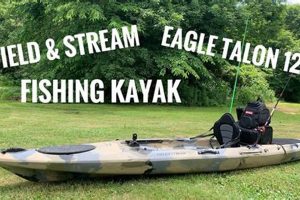
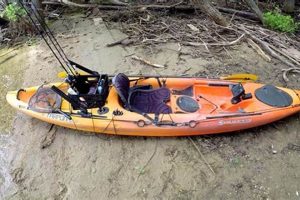
This pursuit involves angling from a small, human-powered watercraft in the northern region of the Golden State. It provides access to a variety of aquatic environments, from sheltered bays and estuaries to open ocean waters, allowing anglers to target diverse species. An example might involve launching from a coastal beach to pursue rockfish near rocky reefs.
The relatively low cost of entry compared to motorized boating, combined with the quiet, non-intrusive nature of kayaks, offers unique advantages. Anglers can stealthily approach fish in shallow water and navigate areas inaccessible to larger vessels. This method’s popularity has steadily grown in recent decades, reflecting increasing interest in sustainable and personalized outdoor recreation. The regions diverse coastline and abundant fish populations have contributed significantly to this growth.
The following sections will delve deeper into specific aspects of this activity, including suitable locations, target species, necessary equipment, safety considerations, and relevant regulations.
Tips for Kayak Fishing in Northern California
Successful angling from a kayak in Northern California requires preparation and awareness. The following tips offer guidance for a safe and productive experience.
Tip 1: Check Weather and Tide Conditions: Prior to launching, consult marine forecasts for wind speed, wave height, and tidal currents. Strong winds and currents can create hazardous conditions for small vessels.
Tip 2: Dress Appropriately for Immersion: Cold water immersion poses significant risks. Dress in layers of non-cotton clothing and consider wearing a wetsuit or drysuit, particularly during colder months. A personal flotation device (PFD) is essential.
Tip 3: File a Float Plan: Inform someone onshore of your intended launch and return times, planned fishing locations, and contact information. This crucial step allows for timely assistance in case of emergencies.
Tip 4: Equip the Kayak Properly: Essential safety equipment includes a whistle, visual distress signals, a bilge pump, and paddle leash. Navigation tools such as a chart, compass, or GPS device are highly recommended. A properly secured anchor and adequate rope are crucial for maintaining position in currents or wind.
Tip 5: Observe Wildlife Respectfully: Maintain a safe distance from marine mammals and other wildlife. Avoid disturbing their natural behaviors. Adhere to all wildlife viewing regulations.
Tip 6: Practice Catch and Release Techniques: Employ proper handling techniques to minimize stress on released fish. Use barbless hooks and wet hands when handling fish. Revive fish thoroughly before release.
Tip 7: Pack Essential Gear: Bring sufficient drinking water, sunscreen, and a hat for sun protection. Pack a first-aid kit, necessary fishing tackle, and tools for minor repairs. Waterproof storage protects electronics and other essential items.
Adhering to these guidelines enhances safety and increases the likelihood of a rewarding fishing experience. Careful planning, proper equipment, and respect for the environment are key elements for success.
By incorporating these recommendations, anglers can contribute to a culture of safety and conservation within the Northern California kayak fishing community.
1. Location Selection

Strategic location selection is paramount for successful kayak fishing in Northern California. Choosing the right spot influences not only catch rates but also safety and overall enjoyment. Factors such as target species, water conditions, accessibility, and regulations play crucial roles in this decision-making process. Careful consideration of these factors ensures a productive and rewarding experience.
- Proximity to Target Species
Different species inhabit specific habitats. Rockfish, for example, congregate around rocky reefs and kelp forests, while halibut prefer sandy bottoms. Researching the preferred habitats of target species and identifying corresponding locations in Northern California is essential for maximizing catch potential. Online resources, local fishing reports, and charts provide valuable information for pinpointing productive areas.
- Water Conditions and Accessibility
Launching a kayak requires suitable access points, such as beaches, boat ramps, or sheltered coves. Prevailing water conditions significantly influence launch feasibility and overall safety. Strong winds, large waves, and swift currents can create hazardous situations, especially for less experienced kayakers. Checking marine forecasts and tide charts before heading out is crucial for assessing water conditions and selecting locations with manageable conditions. Calm, sheltered bays and estuaries offer safer options for beginners, while experienced anglers might venture into more exposed areas.
- Regulations and Restrictions
Certain areas may have specific regulations regarding fishing seasons, catch limits, or permitted gear. Marine protected areas (MPAs) prohibit fishing altogether. Understanding and adhering to these regulations is essential for responsible angling. Consulting the California Department of Fish and Wildlife (CDFW) website provides access to current regulations and MPA boundaries. Prioritizing compliance ensures the long-term health of fish populations and access to fishing grounds for future generations.
- Distance and Navigation
Consider the distance to fishing grounds from the launch point. Longer distances require more paddling time and energy. Navigation skills and appropriate tools, such as charts, compasses, or GPS devices, become increasingly important as distances increase. Planning routes in advance, accounting for potential changes in wind and currents, enhances safety and efficiency on the water. Familiarizing oneself with prominent landmarks and navigational aids facilitates accurate positioning and safe return.
By carefully evaluating these facets of location selection, anglers can significantly enhance their kayak fishing experience in Northern California. A strategic approach increases the likelihood of encountering target species while prioritizing safety and responsible angling practices. Thorough planning and consideration of these factors ultimately contribute to a more rewarding and sustainable pursuit.
2. Safety Gear
Safety gear is paramount for kayak fishing in Northern California. The dynamic coastal environment presents inherent risks, including cold water, changing weather conditions, and potential encounters with marine traffic. Prioritizing safety through appropriate equipment and practices ensures a positive and incident-free experience. Neglecting these precautions can have severe consequences.
- Personal Flotation Device (PFD)
A properly fitted PFD is the most crucial piece of safety equipment. It provides buoyancy and support in the event of capsizing or falling overboard, especially critical in Northern California’s cold waters. While various PFD types exist, those designed for paddling offer greater comfort and mobility. Inflatable PFDs are also available, providing greater freedom of movement but requiring regular maintenance and inspection.
- Communication and Signaling Devices
Reliable communication is essential for summoning assistance in emergencies. A waterproof VHF radio enables direct contact with the Coast Guard and other vessels. A cell phone in a waterproof case provides an additional communication option. Visual distress signals, such as flares or a signal mirror, offer crucial visibility in case of radio failure. Carrying a whistle allows for audible signaling to nearby vessels.
- Navigation and Lighting
Navigational tools, including charts, compasses, and GPS devices, aid in route planning and position awareness, especially in fog or reduced visibility. Carrying a headlamp or flashlight is essential for navigating in low-light conditions or returning after sunset. Attaching reflective tape or lights to the kayak enhances visibility to other vessels, particularly during night fishing.
- Safety Accessories
Additional safety accessories enhance preparedness on the water. A bilge pump helps remove water from the kayak in case of swamping or leaks. A paddle leash prevents losing the paddle if dropped overboard. Carrying a first-aid kit allows for immediate treatment of minor injuries. A knife or multi-tool can prove invaluable in various situations.
These safety measures significantly reduce risks associated with kayak fishing in Northern California’s challenging environment. Proper equipment selection and consistent utilization contribute significantly to angler safety, promoting a culture of responsible enjoyment and minimizing potential incidents. Investing in and utilizing these safety measures contributes significantly to a positive and safe experience.
3. Target Species

Northern California’s diverse marine ecosystem supports a rich variety of fish species, making it a prime destination for kayak anglers. Understanding the prevalent target species, their habitats, and seasonal availability is crucial for a successful fishing experience. Matching fishing techniques and tackle to the specific target species significantly increases the likelihood of a productive outing.
- Rockfish
Rockfish comprise a diverse group of species commonly found near rocky reefs, kelp forests, and jetties along the Northern California coast. These fish often exhibit vibrant colors and occupy various depths. Popular rockfish targets include black rockfish, blue rockfish, and vermilion rockfish. Anglers typically employ bottom fishing techniques using live bait, jigs, or lures. Regulations regarding rockfish species, sizes, and bag limits vary, necessitating careful review of current California Department of Fish and Wildlife (CDFW) guidelines.
- Lingcod
Lingcod, another popular target species, inhabits similar rocky habitats as rockfish. These voracious predators can reach impressive sizes, offering a challenging and rewarding fishing experience. Anglers often target lingcod using heavy tackle and large lures or baitfish. Similar to rockfish, lingcod fishing is subject to specific regulations regarding seasons, sizes, and bag limits, requiring anglers to stay informed about current CDFW rules.
- Salmon
Salmon, particularly Chinook (King) and Coho (Silver) salmon, represent highly sought-after species for kayak anglers in Northern California. These migratory fish enter coastal waters during specific seasons, offering exciting opportunities for trolling or mooching techniques. Locating salmon often involves identifying areas with baitfish activity or focusing on areas known for salmon migration routes. Regulations regarding salmon fishing are subject to change based on stock assessments and conservation efforts, necessitating close attention to current CDFW regulations.
- Halibut
California halibut, a flatfish species, inhabits sandy bottom areas in bays and estuaries along the Northern California coast. Anglers target halibut using drifting or anchoring techniques, employing live bait, lures, or jigs. Halibut fishing requires patience and understanding of their feeding habits. Regulations pertaining to halibut size and bag limits apply, requiring anglers to adhere to current CDFW regulations.
Targeting these species from a kayak presents unique opportunities and challenges. The quiet and maneuverable nature of kayaks allows anglers to access shallow-water habitats and approach fish stealthily. However, kayak anglers must also consider factors such as tide, current, and weather conditions to ensure a safe and successful fishing experience. Understanding the target species’ behavior, habitat preferences, and applicable regulations enhances the likelihood of a rewarding outing while contributing to sustainable fishing practices.
4. Kayak Choice
Kayak selection significantly impacts the experience of kayak fishing in Northern California. The region’s diverse waterways, ranging from calm bays to open ocean conditions, necessitate careful consideration of kayak characteristics. Stability, maneuverability, storage capacity, and compatibility with fishing accessories influence angling success and overall safety. Choosing an inappropriate kayak can compromise stability in rough conditions, limit access to shallow fishing grounds, or prove insufficient for carrying necessary gear.
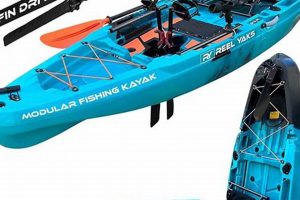
Sit-on-top kayaks offer inherent stability and self-bailing capabilities, making them suitable for beginners or those fishing in calmer waters. Their open design facilitates easy entry and exit, advantageous for anglers frequently changing positions or landing fish. Sit-in kayaks, while requiring more experience to handle, provide greater speed and efficiency for covering longer distances or navigating challenging currents. Their lower center of gravity enhances stability in rougher conditions, and the enclosed cockpit offers protection from splashes and cooler temperatures. Pedal-powered kayaks offer hands-free propulsion, advantageous for trolling or focusing on fishing techniques. Inflatable kayaks, though less durable, provide portability and storage convenience for anglers with limited transportation or storage space. For example, an angler targeting salmon in open coastal waters might prioritize a longer, faster sit-in kayak with ample storage for tackle and equipment, while an angler fishing for rockfish in sheltered bays might choose a shorter, more stable sit-on-top kayak.
Optimizing kayak choice involves assessing individual fishing styles, target species, and prevailing water conditions. Evaluating hull design, length, width, and weight capacity ensures compatibility with intended use. Prioritizing stability, maneuverability, and storage capacity contributes to both angling success and safety. Ultimately, informed kayak selection enhances the overall experience and fosters responsible enjoyment of kayak fishing in Northern California. Neglecting these considerations can lead to instability, reduced fishing efficiency, and potential safety hazards.
5. Fishing Techniques
Effective fishing techniques are essential for successful kayak angling in Northern California. The region’s diverse fish species and varying aquatic environments necessitate adapting approaches to maximize catch rates. Technique selection hinges upon target species, water depth, bottom structure, and prevailing conditions. A mismatch between technique and prevailing conditions can lead to frustration and limited success.
For instance, targeting rockfish near rocky reefs or kelp forests often involves bottom fishing techniques. This approach utilizes weighted rigs with live bait, such as shrimp or small fish, or artificial lures like jigs or grubs. Presenting these offerings near the bottom structure where rockfish congregate increases the likelihood of enticing a bite. In contrast, pursuing salmon in open water requires different tactics. Trolling, a technique involving dragging lures or bait behind a moving kayak, covers a wider area and effectively targets migrating salmon. Mooching, a variation of still fishing, involves suspending bait at specific depths to attract salmon. Similarly, halibut fishing over sandy bottoms often employs drifting techniques with live bait or lures presented along the bottom. Understanding these nuances is crucial for optimizing catch rates in Northern California’s diverse waters. For example, using light tackle and lures designed for shallow-water species would be ineffective when targeting deep-water rockfish.
Adaptability remains key for kayak anglers. Changing conditions, such as shifting tides, currents, or weather patterns, may necessitate adjusting techniques throughout the fishing trip. Close observation of water conditions, bird activity, or baitfish schools provides valuable insights for adapting strategies. Mastery of various techniques, from bottom fishing and trolling to casting and jigging, expands angling versatility and increases success rates in Northern Californias dynamic marine environment. Failure to adapt techniques based on environmental factors and target species significantly reduces the likelihood of successful catches. The practical application of this understanding translates directly to a more rewarding and productive kayak fishing experience.
6. Regulations/Licenses

Adherence to regulations and proper licensing are integral aspects of responsible kayak fishing in Northern California. These frameworks ensure the sustainability of fish populations, protect sensitive habitats, and promote safe angling practices. Ignoring these regulations can lead to fines, legal repercussions, and damage to the marine environment. Understanding and complying with these requirements is essential for all anglers.
- Fishing Licenses
A valid California fishing license is mandatory for anyone 16 years of age or older engaging in recreational fishing. Licenses can be obtained online through the California Department of Fish and Wildlife (CDFW) website, at authorized license agents, or by phone. Different license types exist, including annual, short-term, and lifetime options. Anglers must carry their license while fishing and present it to wildlife officers upon request. Failure to possess a valid license can result in penalties.
- Catch Limits and Size Restrictions
Regulations dictate catch limits, specifying the maximum number of a particular species that an angler can retain per day. Size restrictions also apply, establishing minimum and/or maximum size limits for certain species. These regulations aim to protect vulnerable populations and maintain healthy fish stocks. For example, specific size limits exist for rockfish, lingcod, and halibut, varying by species and location. Anglers must familiarize themselves with current regulations and adhere to catch limits and size restrictions for each species targeted.
- Seasonal Closures and Restricted Areas
Specific seasons and areas may be closed to fishing to protect spawning fish or sensitive habitats. Seasonal closures often apply to salmon and other migratory species, while restricted areas may include Marine Protected Areas (MPAs) or designated conservation zones. These closures play a crucial role in sustaining healthy fish populations and preserving biodiversity. Anglers should consult the CDFW website or local regulations for updated information on seasonal closures and restricted fishing areas. Ignoring these closures can result in significant fines and contribute to environmental damage.
- Gear Restrictions
Regulations may restrict the type of fishing gear permitted in certain areas or for specific species. For example, barbless hooks are often required to minimize injury to released fish. Certain areas may prohibit the use of specific fishing methods, such as gill nets or spear fishing. These regulations aim to minimize environmental impact and ensure fair angling practices. Anglers must familiarize themselves with gear restrictions applicable to their chosen fishing locations and target species.
By adhering to these regulations and obtaining the necessary licenses, kayak anglers contribute to the long-term health of Northern California’s fisheries and the preservation of its diverse marine ecosystems. Responsible angling practices not only ensure compliance with the law but also demonstrate a commitment to conservation and the sustainability of this valuable natural resource. Failure to comply with these regulations undermines conservation efforts and jeopardizes the future of kayak fishing in the region.
Frequently Asked Questions
This section addresses common inquiries regarding kayak fishing in Northern California, providing concise and informative responses to facilitate a safe and rewarding experience.
Question 1: What are the primary safety concerns for kayak anglers in Northern California?
Cold water immersion poses the most significant risk. Sudden immersion in cold water can lead to hypothermia and impair physical function. Other concerns include changing weather conditions, strong currents, and potential interactions with motorized vessels. Proper safety equipment, including a personal flotation device (PFD), communication devices, and appropriate attire, mitigates these risks.
Question 2: What essential equipment is recommended for kayak fishing in this region?
Essential equipment includes a properly fitted PFD, a paddle with a leash, a bilge pump, communication devices (VHF radio, cell phone in waterproof case), navigation tools (chart, compass, GPS), and appropriate fishing gear. Safety accessories such as a whistle, flares, and a first-aid kit are also highly recommended.
Question 3: Where can suitable launch sites for kayak fishing be found in Northern California?
Suitable launch sites include public boat ramps, designated kayak launch areas within state parks and beaches, and sheltered coves accessible by car or short hikes. Researching access points beforehand and confirming accessibility based on tides and weather conditions is essential.
Question 4: What are the most common target species for kayak anglers in this region?
Common target species include various rockfish species, lingcod, salmon (Chinook and Coho), halibut, and surfperch. Species availability varies depending on location and season. Researching prevalent species in specific areas enhances targeted fishing efforts.
Question 5: What regulations should anglers be aware of before kayak fishing in Northern California?
Anglers must possess a valid California fishing license. Regulations dictate catch limits, size restrictions, and seasonal closures for specific species. Marine Protected Areas (MPAs) prohibit fishing altogether. Consulting the California Department of Fish and Wildlife (CDFW) website provides comprehensive information on current regulations.
Question 6: Are guided kayak fishing tours available in Northern California, and what are their benefits?
Guided tours offer novice anglers the opportunity to learn from experienced guides, gain local knowledge about fishing grounds and techniques, and access suitable equipment. Guided tours often provide increased safety and enhance the likelihood of a successful fishing experience.
Careful consideration of these frequently asked questions, combined with thorough planning and adherence to safety guidelines, significantly contributes to a positive and productive kayak fishing experience in Northern California.
For further information, consult local resources, connect with experienced anglers, and continue exploring the resources available on kayak fishing in Northern California.
Kayak Fishing Northern California
This exploration has highlighted the multifaceted nature of kayak fishing in Northern California. From selecting appropriate locations and ensuring safety with proper gear to understanding target species and adhering to regulations, each aspect contributes significantly to a successful and responsible angling experience. Kayak choice, tailored to individual needs and fishing styles, further enhances enjoyment and effectiveness on the water. Strategic application of fishing techniques, adapted to target species and conditions, maximizes catch potential. Finally, prioritizing safety and adhering to regulations ensures the sustainability of this rewarding pursuit.
Kayak fishing in Northern California offers a unique opportunity to connect with nature, experience the thrill of the catch, and contribute to the preservation of valuable marine resources. Continued learning, responsible practices, and respect for the environment will ensure that this activity remains a rewarding and sustainable pursuit for generations to come.