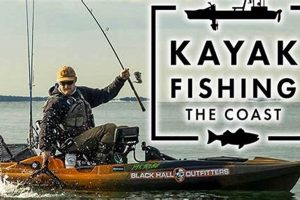
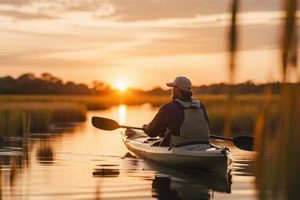
Competitive angling events held in 2024, specifically designed for participants using kayaks, offer a unique blend of skill, strategy, and sportsmanship. These events typically involve anglers competing to catch the largest or most fish within a specified timeframe and according to specific rules. A hypothetical example might be a tournament held in a coastal estuary where anglers target redfish, with prizes awarded based on the total length of the legally caught fish.
Such competitions contribute significantly to the growth and development of the sport. They provide a platform for anglers to test their abilities, learn new techniques, and foster a sense of community. Historically, these events have evolved from informal gatherings of enthusiasts to well-organized competitions with substantial prizes and sponsorships, reflecting the increasing popularity of kayak fishing. The competitive format encourages innovation in tackle and techniques, driving advancements within the broader fishing community.
This article will further explore relevant aspects of competitive kayak angling in 2024, encompassing topics such as tournament schedules, registration procedures, rules and regulations, recommended gear, and preparation strategies.
Tips for Competitive Kayak Angling in 2024
Success in competitive kayak angling requires meticulous preparation and strategic execution. The following tips offer valuable guidance for anglers aiming to enhance their performance in 2024 tournaments.
Tip 1: Pre-fish the Waters: Thorough knowledge of the competition area is crucial. Pre-fishing allows anglers to identify productive spots, understand fish behavior, and refine tackle choices before the tournament begins. This may involve multiple scouting trips at different times of day and under varying tidal conditions.
Tip 2: Master Kayak Control: Efficient kayak maneuvering is essential for precise casting and maintaining optimal fishing positions. Practice techniques like anchoring, drifting, and paddling in windy conditions to maximize control and minimize disturbance to the fish.
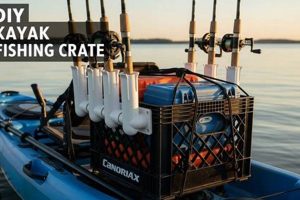
Tip 3: Optimize Tackle and Gear: Select rods, reels, lines, and lures specifically suited to the target species and the anticipated conditions. Ensure all equipment is in perfect working order and readily accessible within the kayak’s limited space. Consider a dedicated tournament setup for quick transitions.
Tip 4: Develop a Tournament Strategy: A well-defined plan increases the chances of success. This includes identifying target areas, selecting appropriate techniques, and allocating time effectively throughout the competition period. Contingency plans for changing weather or fish behavior are also important.
Tip 5: Prioritize Safety: Safety should always be paramount. Wear a personal flotation device, carry essential safety equipment like a whistle and signaling device, and inform someone of the fishing plan and expected return time. Be prepared for unexpected weather changes and potential emergencies.
Tip 6: Understand the Rules: Thoroughly review the tournament’s specific rules and regulations. This includes size and bag limits, permitted fishing areas, and any restrictions on tackle or techniques. Compliance with these rules is essential for fair competition and eligibility for prizes.
Tip 7: Manage Fish Carefully: Proper fish handling ensures the well-being of the catch and accurate measurements. Utilize appropriate techniques for landing, measuring, and releasing fish quickly and with minimal stress. This contributes to the conservation of fish populations and the sustainability of the sport.
By implementing these strategies, anglers can significantly improve their tournament performance and contribute to a positive and productive competitive experience. Preparation, skill development, and a focus on safety are key elements for success in kayak fishing tournaments.
This article will now conclude with a summary of key takeaways and a look ahead to the exciting future of competitive kayak angling.
1. Competition

Competition serves as a fundamental driving force within kayak fishing tournaments scheduled for 2024. It provides the structure and motivation for anglers to test their skills, refine techniques, and strive for excellence. The competitive element encourages participants to push their boundaries, leading to both individual growth and advancements within the sport. For example, the pursuit of larger catches often motivates anglers to explore new fishing grounds, experiment with different lures, and develop innovative strategies for locating and landing fish. This constant drive for improvement ultimately contributes to the overall evolution of kayak fishing techniques and technologies.
The competitive landscape also fosters a sense of community and camaraderie amongst anglers. While individual achievement is celebrated, the shared experience of participating in a tournament creates bonds between competitors. This sense of community extends beyond the competition itself, often leading to the exchange of knowledge, tips, and best practices. Experienced anglers often mentor newcomers, contributing to the growth and development of the sport as a whole. This collaborative spirit, fueled by the underlying competitive drive, distinguishes kayak fishing tournaments as unique events.
Understanding the role of competition within these events provides valuable context for both participants and observers. It clarifies the motivations driving anglers, explains the dynamic nature of the sport, and highlights the importance of continuous improvement. Challenges such as weather conditions, equipment malfunctions, and the unpredictable nature of fish behavior add complexity to the competition, demanding adaptability and resilience from participants. Ultimately, the competitive element elevates kayak fishing from a recreational pastime to a demanding and rewarding sport, shaping its trajectory and ensuring its continued growth in 2024 and beyond.
2. Kayaks

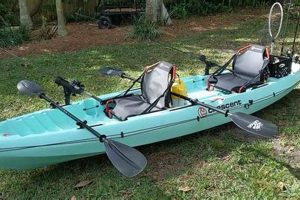
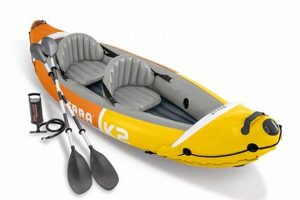
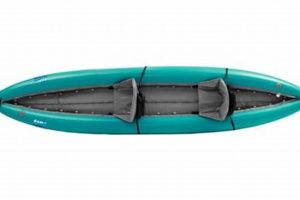
Kayaks form the foundational element of kayak fishing tournaments in 2024. Their specialized design and functionality directly influence tournament dynamics, angler performance, and the overall experience. The choice of kayak, considering factors like stability, maneuverability, and storage capacity, becomes a strategic decision impacting an angler’s ability to navigate specific water bodies, target particular species, and efficiently manage fishing gear during competition. For instance, a stable, sit-on-top kayak might be preferred in rough offshore conditions, while a nimble, pedal-driven kayak might be advantageous in calm, shallow estuaries.
The evolution of kayak design specifically for fishing has significantly impacted the growth of tournament angling. Features like integrated rod holders, fish finders, and livewells enhance angler efficiency and contribute to a more competitive environment. This specialized equipment allows participants to focus on fishing techniques and strategy, maximizing their chances of success. The ability to customize kayaks with specific accessories tailored to individual fishing styles further emphasizes the crucial role of the vessel in tournament outcomes. A hypothetical example could be an angler choosing a kayak with a high-capacity livewell for a tournament targeting largemouth bass, prioritizing the safe and healthy retention of the catch for weigh-in.
Understanding the integral relationship between kayaks and competitive kayak fishing provides valuable insight into the sport’s complexity. The selection, customization, and effective utilization of a kayak represent key strategic considerations for tournament anglers. Challenges related to kayak transportation, launch and retrieval, and on-water maneuverability underscore the practical significance of kayak proficiency. This deep connection between the angler and their vessel distinguishes kayak fishing tournaments, emphasizing skill, adaptability, and a deep understanding of the equipment’s capabilities within a competitive context.
3. Fishing

Fishing, as the core activity, defines the essence of kayak fishing tournaments in 2024. It dictates the strategic choices anglers make, influences the tournament structure, and ultimately determines the outcomes. The specific fishing techniques employed, whether trolling, casting, or jigging, depend on the target species, the characteristics of the water body, and prevailing conditions. For example, a tournament focusing on pelagic species like tuna might involve trolling techniques, whereas a bass tournament in a shallow lake would likely favor casting or flipping presentations. This inherent connection between fishing techniques and the target species shapes pre-tournament preparations, including tackle selection, kayak setup, and pre-fishing scouting.
The importance of fishing expertise within these tournaments cannot be overstated. A deep understanding of fish behavior, seasonal patterns, and effective bait presentation significantly impacts an angler’s ability to consistently locate and catch fish. This knowledge, combined with skillful execution of chosen fishing techniques, differentiates successful competitors. An example might involve an angler recognizing subtle changes in water temperature or clarity and adjusting their fishing approach accordingly to maintain a competitive edge. This dynamic interplay between knowledge, skill, and adaptability highlights the central role of fishing proficiency in tournament success.
The inherent challenges associated with fishing, such as changing weather conditions, unpredictable fish behavior, and equipment malfunctions, add complexity to tournament competition. Successfully navigating these challenges requires adaptability, resilience, and a deep understanding of the intricacies of fishing. The ability to adjust strategies on-the-fly, based on real-time observations and conditions, often separates top performers from the rest. This dynamic nature of fishing underscores its significance within kayak fishing tournaments and reinforces the importance of continuous learning and improvement within the sport.
4. Tournaments

Tournaments provide the organizing framework that defines competitive kayak fishing in 2024. They establish the rules of engagement, delineate competition parameters, and provide a structured environment for anglers to showcase their skills. The specific format of a tournament, whether it emphasizes total weight, length, or number of fish caught, directly influences angler strategies and preparation. For example, a tournament focused on catching the single largest fish might incentivize anglers to target trophy-sized specimens, employing heavier tackle and focusing on specific areas known to hold larger fish, while a tournament based on total weight might encourage a different approach. This inherent connection between tournament format and angler strategy underscores the importance of understanding the specific rules and objectives of each competition.
Furthermore, tournaments serve as crucial platforms for the growth and development of the sport. They attract sponsorships, media attention, and public interest, contributing to the overall visibility and popularity of kayak fishing. The competitive environment fostered by tournaments drives innovation in kayak design, fishing techniques, and equipment, ultimately benefiting the broader angling community. The existence of prestigious tournaments can also inspire aspiring anglers to refine their skills and strive for competitive excellence, further fueling the growth of the sport. The ripple effect of a well-organized and publicized tournament can extend far beyond the immediate participants, influencing local economies through tourism and raising awareness of conservation efforts within the fishing community.
Understanding the role of tournaments within the broader context of kayak fishing in 2024 is essential for both participants and observers. They represent more than just isolated competitions; they serve as catalysts for growth, innovation, and community building within the sport. The challenges associated with organizing and executing successful tournaments, from securing permits and sponsorships to ensuring fair competition and promoting ethical angling practices, highlight the complex interplay of factors that contribute to a thriving competitive landscape. Ultimately, tournaments shape the present and future of kayak fishing, driving its evolution and ensuring its continued prominence as a dynamic and engaging sport.
5. Scheduled Events
Scheduled events form the backbone of kayak fishing tournaments in 2024, providing a concrete temporal framework for competition. The precise scheduling of these events dictates angler preparation, travel arrangements, and strategic planning. A clearly defined schedule, outlining registration deadlines, pre-tournament meetings, competition days, and award ceremonies, ensures logistical efficiency and allows participants to adequately prepare. For example, a tournament scheduled during a specific fish species’ spawning season influences angler choice of location and fishing techniques, impacting overall tournament outcomes. The timing of an event also considers factors such as weather patterns, tidal cycles, and potential conflicts with other angling events, all of which impact participation and competitive conditions.
The availability of a comprehensive schedule allows anglers to strategically plan their tournament participation throughout the year. Advance knowledge of event dates, locations, and formats enables anglers to prioritize specific competitions, allocate resources effectively, and optimize travel arrangements. This structured approach to tournament participation maximizes competitive opportunities and facilitates a more focused approach to preparation. Consider the hypothetical scenario of an angler interested in competing in both regional and national tournaments. Access to a detailed schedule allows for strategic selection of events that align with personal goals, logistical constraints, and competitive aspirations. This ability to plan and prioritize based on a clearly defined schedule underscores the practical significance of scheduled events within the competitive kayak fishing landscape.
The reliability and accessibility of tournament schedules become paramount for effective participation. Challenges related to schedule changes, communication delays, or inaccurate information can disrupt angler preparations and negatively impact the overall tournament experience. Maintaining accurate and up-to-date schedules, often facilitated through dedicated websites or online platforms, becomes crucial for ensuring smooth tournament operations and promoting angler satisfaction. The consistent and transparent dissemination of scheduling information contributes to the professionalism and credibility of kayak fishing tournaments in 2024, fostering a positive and organized competitive environment for all participants.
6. Year 2024
The year 2024 provides the temporal context for all scheduled kayak fishing tournaments occurring within that timeframe. It anchors the events, shaping the competitive landscape and influencing angler preparation strategies. Understanding the significance of the year 2024 requires examining specific facets influencing tournament dynamics.
- Technological Advancements
2024 represents a point in time where technological advancements continue to influence kayak fishing. Improvements in fish-finding electronics, kayak propulsion systems, and fishing tackle impact competitive strategies and angler performance. For example, advancements in sonar technology might allow anglers to identify fish holding in deeper water or locate submerged structures more effectively, influencing tournament outcomes. These evolving technologies shape the competitive landscape and necessitate continuous adaptation from anglers seeking a competitive edge.
- Environmental Conditions
Environmental factors specific to 2024, such as water temperature fluctuations, rainfall patterns, and prevailing winds, influence fish behavior and impact tournament outcomes. For example, a period of unusually warm water temperatures during a scheduled tournament might alter fish feeding patterns or cause certain species to move to deeper, cooler water, requiring anglers to adjust their strategies accordingly. Understanding and adapting to these year-specific environmental factors is crucial for competitive success.
- Regulatory Changes
Fishing regulations implemented or modified in 2024, such as size limits, catch limits, or permitted fishing areas, directly impact tournament rules and angler strategies. For example, a new regulation restricting the use of certain types of fishing lures in a specific area might necessitate adjustments to an angler’s pre-tournament preparations and on-the-water tactics. Staying informed about any regulatory changes specific to the year 2024 is essential for compliance and effective tournament participation.
- Competitive Landscape
The overall competitive landscape of kayak fishing in 2024, influenced by factors like the number of participating anglers, the emergence of new tournament circuits, and the evolution of competitive strategies, shapes individual tournament dynamics. For example, an increase in the number of highly skilled anglers participating in a tournament elevates the level of competition, requiring existing competitors to refine their skills and strategies to remain competitive. Understanding the evolving competitive landscape of 2024 provides context for individual tournament performance and overall trends within the sport.
These facets, intertwined with the year 2024, underscore the dynamic nature of kayak fishing tournaments. They highlight the continuous evolution of the sport, driven by technological advancements, environmental considerations, regulatory changes, and the evolving competitive landscape. Recognizing the interplay of these factors within the specific timeframe of 2024 provides valuable context for understanding individual tournament outcomes and the overall trajectory of competitive kayak fishing.
7. Anglers
Anglers constitute the core participants within kayak fishing tournaments scheduled for 2024. Their skills, strategies, and competitive spirit directly shape tournament outcomes and contribute to the overall growth and evolution of the sport. Understanding the multifaceted role of anglers within these events is crucial for appreciating the dynamics of competitive kayak fishing.
- Skill and Expertise
Anglers’ accumulated skill and expertise in fishing techniques, knot tying, fish identification, and kayak handling directly influence their performance. An angler proficient in reading water currents, understanding fish behavior, and employing appropriate lure presentations holds a significant advantage. For instance, an angler skilled in identifying subtle underwater structures using sonar can locate fish more effectively than a less experienced competitor. This direct correlation between skill level and competitive success emphasizes the importance of continuous learning and refinement of angling techniques within the context of tournament participation.
- Strategic Decision-Making
Strategic decision-making during a tournament, including choices regarding fishing locations, tackle selection, and time management, significantly impacts angler performance. An angler’s ability to analyze conditions, adapt to changing circumstances, and make informed decisions under pressure can be the deciding factor between winning and losing. Consider an angler faced with changing weather conditions during a tournament. The ability to quickly adjust fishing locations, switch to alternative lures, or modify retrieval techniques based on real-time observations differentiates successful competitors. This dynamic interplay between strategy and adaptability underscores the mental aspect of competitive kayak fishing.
- Equipment and Technology Utilization
Effective utilization of fishing equipment and technology, including rods, reels, lines, lures, fish finders, and kayak accessories, contributes significantly to an angler’s competitive edge. Proficiency in operating and interpreting electronic fish finders, utilizing specialized fishing kayaks with integrated features, and maintaining equipment in optimal condition enhances fishing efficiency and maximizes the chances of success. For example, an angler proficient in using side-scan sonar can identify promising fishing locations that might be missed by competitors relying solely on traditional sonar. This ability to leverage technology effectively distinguishes successful anglers in a competitive environment.
- Sportsmanship and Ethical Conduct
Adherence to principles of sportsmanship, ethical angling practices, and conservation guidelines reflects the integrity of competitive kayak fishing. Respect for fellow competitors, adherence to tournament rules, and responsible handling of fish demonstrate a commitment to fair play and the long-term sustainability of the sport. For example, an angler practicing catch-and-release techniques, ensuring the proper handling and revival of caught fish, contributes to the conservation of fish populations. This emphasis on ethical conduct elevates the sport beyond mere competition, fostering a positive and sustainable angling community.
These interconnected facets underscore the crucial role anglers play in shaping the landscape of kayak fishing tournaments in 2024. Their combined skills, strategic thinking, effective equipment utilization, and commitment to ethical conduct define the competitive environment and contribute to the ongoing evolution of the sport. The dynamic interplay of these factors ensures that competitive kayak fishing remains a challenging, rewarding, and sustainable pursuit for all participants.
Frequently Asked Questions
This section addresses common inquiries regarding kayak fishing tournaments in 2024, providing concise and informative responses.
Question 1: How does one locate information regarding specific kayak fishing tournaments scheduled for 2024?
Information regarding scheduled tournaments can typically be found through online search engines, dedicated kayak fishing websites, social media groups focused on kayak angling, and local fishing clubs or organizations.
Question 2: What equipment is typically required for participation in a kayak fishing tournament?
Required equipment typically includes a fishing kayak, appropriate fishing rods and reels, suitable tackle and lures, a personal flotation device (PFD), and often a measuring device for fish. Specific equipment requirements may vary depending on the tournament’s rules and target species.
Question 3: Are there specific regulations or licensing requirements for participating in these tournaments?
Anglers are typically required to possess a valid fishing license for the waters where the tournament is held. Additional permits or endorsements may be necessary depending on the specific location and target species. It’s essential to review the tournament rules and local regulations before participating.
Question 4: How do tournament organizers ensure fair competition and accurate measurement of catches?
Tournament organizers often employ a combination of observer boats, designated weigh-in stations, and strict adherence to established rules regarding fish handling and measurement. Photo or video verification of catches may also be required in certain formats.
Question 5: What safety precautions should anglers consider when participating in kayak fishing tournaments?
Essential safety precautions include wearing a PFD at all times, carrying communication devices like a VHF radio or cell phone, informing someone of the fishing plan and expected return time, and being aware of weather conditions and potential hazards in the tournament area.
Question 6: What factors typically determine the winners of kayak fishing tournaments?
Winning factors commonly include the total weight or length of fish caught within the designated timeframe, the number of fish caught meeting specific criteria, or a combination of these factors. Specific scoring systems are outlined in the tournament rules.
Thorough understanding of these frequently asked questions facilitates informed participation and enhances the overall tournament experience. Reviewing tournament-specific rules and regulations remains essential for ensuring compliance and successful participation.
The following section will offer concluding remarks and insights into the future of competitive kayak angling.
Kayak Fishing Tournaments 2024
This exploration of kayak fishing tournaments in 2024 has provided a comprehensive overview of their key components. Tournament structures, the crucial role of kayaks, the central importance of fishing skills and strategies, the significance of scheduled events within the yearly timeframe, and the contributions of individual anglers all intertwine to shape the competitive landscape. An examination of these elements reveals the dynamic nature of the sport and underscores the importance of preparation, adaptability, and a deep understanding of the competitive environment. The frequently asked questions section addresses common inquiries, providing practical guidance for prospective participants.
Kayak fishing tournaments in 2024 represent a culmination of angler skill, technological advancement, and the growing popularity of the sport. Continued growth and evolution are anticipated as participation increases, technology evolves, and conservation efforts gain prominence. Individuals interested in participating in or following competitive kayak angling are encouraged to seek out reputable sources of information, engage with local angling communities, and support sustainable fishing practices. The future of kayak fishing tournaments hinges on the collective dedication of anglers, organizers, and enthusiasts to promote ethical competition and ensure the long-term health of the fisheries.