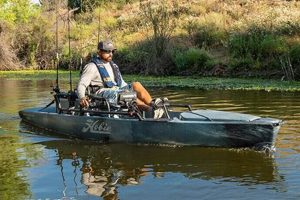
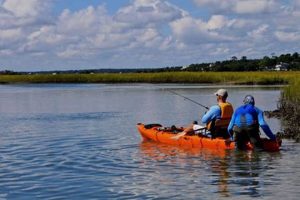
Inshore saltwater angling from small, human-powered vessels offers a unique blend of challenges and rewards. This pursuit typically involves targeting species such as redfish, speckled trout, flounder, and snook in the sheltered bays, estuaries, and marshes of the southern United States coastline. It requires specialized equipment, including a stable kayak designed for saltwater conditions, along with appropriate rods, reels, tackle, and safety gear.
The quiet approach afforded by a kayak allows anglers to access shallow, often inaccessible areas, leading to potentially higher catch rates. This method offers a close connection with nature and a physical challenge that adds to the overall experience. Historically, small boats have been used for fishing in these regions for centuries, but the modern sport kayak adds elements of maneuverability and affordability, broadening its appeal. The low environmental impact compared to motorized boats makes it a sustainable way to enjoy the coastal ecosystem.
The following sections will delve deeper into the specific equipment choices, techniques, safety considerations, and conservation best practices associated with this popular and growing sport.
Essential Tips for Inshore Saltwater Kayak Angling
Successful inshore saltwater fishing from a kayak requires careful planning and execution. These tips offer valuable insights for a safe and productive experience.
Tip 1: Prioritize Safety Equipment: Always wear a personal flotation device (PFD). Carry a whistle, visual distress signals, and a communication device. A first-aid kit and a knife are also essential.
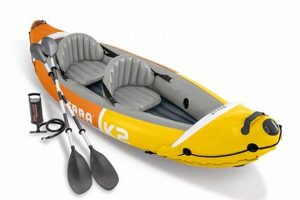
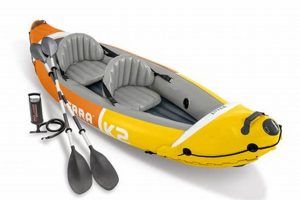
Tip 2: Choose the Right Kayak: Select a kayak designed for stability in saltwater conditions. Consider features such as rod holders, storage compartments, and anchor trolleys.
Tip 3: Understand Tides and Currents: Tidal flow significantly impacts fish behavior and kayak navigation. Consult tide charts and plan fishing trips accordingly.
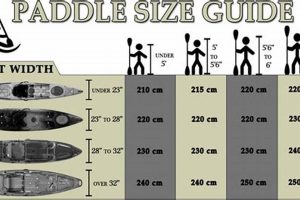
Tip 4: Master Basic Paddling Techniques: Efficient paddling conserves energy and allows for precise boat control. Practice maneuvering in various wind and current conditions.
Tip 5: Employ Appropriate Tackle and Techniques: Use tackle appropriate for the target species. Learn effective casting and retrieval methods for the inshore environment.
Tip 6: Practice Catch and Release Best Practices: Minimize handling time and use appropriate tools for hook removal. Revive fish properly before release to ensure their survival.
Tip 7: Respect the Environment: Pack out all trash and avoid disturbing sensitive habitats like seagrass beds. Adhere to local fishing regulations.
By adhering to these guidelines, anglers can significantly enhance their safety and enjoyment while contributing to the conservation of coastal resources.
These practical tips offer a starting point for a rewarding experience on the water. Further research and experience will refine skills and lead to continued success in this exciting sport.
1. Stable Kayak Selection

Stable kayak selection forms a cornerstone of successful southern salt kayak fishing. Coastal waters present unique challenges: wind, currents, and waves can easily destabilize a small vessel. A stable platform is essential not only for angler safety but also for effective fishing. Maneuvering in shallow estuaries, casting accurately, and landing fish all become significantly more difficult, and potentially dangerous, without adequate stability. For example, sight fishing for redfish in shallow, wind-swept flats requires a kayak that allows the angler to stand and cast with confidence. Similarly, battling a strong fish like a bull redfish necessitates a stable platform to avoid capsizing.
The importance of stability extends beyond mere convenience. It directly impacts fishing success. An unstable kayak limits casting range and accuracy. It also restricts the angler’s ability to fight fish effectively. Furthermore, a stable kayak allows for hands-free fishing, enabling anglers to utilize techniques like drifting live bait or anchoring in a current. This enhanced control translates to increased fishing opportunities and a more enjoyable experience. Conversely, an unstable kayak can lead to frustration, lost fish, and potentially dangerous situations.
Selecting a kayak with adequate stability for southern salt kayak fishing requires careful consideration of hull design, width, and length. Wider, flatter hulls generally offer greater initial stability, making them suitable for calmer waters and sight fishing. Longer kayaks tend to track better in currents and wind, improving overall stability in more challenging conditions. Ultimately, choosing the right kayak requires balancing stability with maneuverability and considering the specific fishing environment and target species.
2. Effective Paddle Strokes
Effective paddle strokes are fundamental to successful southern salt kayak fishing. Efficient propulsion maximizes fishing time and minimizes physical exertion, allowing anglers to cover more water and focus on the task at hand. Beyond mere forward movement, precise paddle control enables stealthy approaches to fish-holding areas, crucial in the often shallow and clear waters of the southern coast. Mastery of various paddle strokes also enhances maneuverability in challenging conditions such as wind, currents, and tides.
- Forward Stroke:
The forward stroke is the foundation of kayak propulsion. A proper forward stroke involves a smooth, powerful motion utilizing core muscles, not just arms. Reaching forward, the paddle blade is immersed fully into the water near the angler’s feet. The blade is then pulled back alongside the kayak, exiting the water near the hips. This efficient technique maximizes forward momentum while minimizing wasted energy. In southern salt kayak fishing, a strong forward stroke allows anglers to quickly reach distant fishing spots or cover large areas while searching for fish.
- Reverse Stroke:
The reverse stroke effectively stops forward momentum and enables backward movement. This stroke is crucial for repositioning the kayak quietly when approaching fish or navigating tight spaces in mangroves or marshes. The reverse stroke mirrors the forward stroke, with the paddle blade moving from hips to feet. Precise control of the reverse stroke allows for subtle adjustments in position, preventing spooking fish or grounding the kayak.
- Sweep Stroke:
Sweep strokes facilitate turning the kayak efficiently. A wide, arcing stroke from bow to stern, or vice versa, pivots the kayak. This maneuverability is essential for navigating winding creeks, changing fishing locations, or maneuvering in tight quarters around structure. In southern salt kayak fishing, the sweep stroke allows for precise boat control when approaching oyster bars, docks, or other fish-holding structures.
- Draw Stroke:
The draw stroke moves the kayak sideways, useful for precise positioning near structure or other points of interest without changing the kayak’s facing direction. By placing the paddle blade vertically in the water and pulling it towards the kayak, the angler can maneuver laterally with control. This is particularly beneficial in southern salt kayak fishing when approaching shallow shorelines, navigating alongside docks, or maintaining position in a current.
Mastering these paddle strokes allows for efficient movement, precise boat control, and ultimately, a more successful and enjoyable southern salt kayak fishing experience. The ability to move quietly and position the kayak effectively enhances fishing opportunities, allowing anglers to focus on presenting lures or bait effectively and landing their target species.
3. Species-specific tackle
Species-specific tackle plays a crucial role in successful southern salt kayak fishing. Targeted species, such as redfish, speckled trout, flounder, and snook, exhibit distinct feeding habits and habitat preferences. Employing appropriate tackle maximizes catch rates and minimizes wasted effort. For example, redfish, often found in shallow grassy flats or around oyster bars, respond well to weedless spoons, soft plastic jerkbaits, and topwater lures. Speckled trout, frequently inhabiting deeper grass beds or channels, often strike suspending twitchbaits, soft plastic shrimp imitations, and popping corks rigged with live bait. Matching tackle to the target species’ preferred prey and feeding behavior significantly increases the likelihood of a successful hookup.
Consideration of the specific environment also influences tackle choices. Fishing in shallow, structure-rich areas necessitates weedless or snag-resistant lures to avoid hang-ups. Conversely, open water or deeper channels allow for the use of heavier jigs or sinking lures to reach target depths. Furthermore, the prevalent forage in a given area dictates lure selection. Matching lure color, size, and action to the local baitfish or crustaceans enhances lure effectiveness. For instance, if shrimp are the primary forage, using a soft plastic shrimp imitation increases the chances of attracting speckled trout or redfish. Similarly, matching a lure’s profile and action to that of a mullet can prove highly effective when targeting snook in areas where mullet are abundant.
Effective southern salt kayak fishing hinges on understanding the target species and its environment. Selecting appropriate species-specific tackle, including rods, reels, line, and lures, directly impacts angling success. The ability to present lures effectively in the target zone and entice strikes requires careful consideration of the species’ feeding habits, preferred prey, and the surrounding habitat. Choosing the correct tackle not only increases the likelihood of catching fish but also enhances the overall fishing experience by reducing frustration and maximizing enjoyment on the water.
4. Tidal flow awareness
Tidal flow awareness is paramount in southern salt kayak fishing. Tides dictate water depth, current strength, and fish movement within the estuarine systems that characterize the southern coastline. Understanding tidal cycles allows anglers to predict optimal fishing times and locations, maximizing their chances of success. For example, incoming tides often flood shallow flats, providing access to areas otherwise unreachable by kayak. These rising waters also push baitfish onto the flats, attracting predatory species such as redfish and speckled trout. Conversely, outgoing tides concentrate fish in deeper channels and creek mouths as they follow receding waters and congregate around constricted outflow areas. Ignoring tidal influence can lead to wasted effort, navigating against strong currents, or fishing unproductive areas.
Tidal currents influence fish behavior in several crucial ways. Predatory fish often position themselves facing into the current, ambushing baitfish swept along by the flow. Understanding this behavior allows anglers to present lures or bait effectively. Furthermore, tidal currents transport and distribute food sources, creating predictable feeding patterns. For instance, speckled trout often gather near oyster bars or grass beds during a rising tide, anticipating the influx of crustaceans and small fish carried by the current. Similarly, redfish utilize tidal flows to access flooded marsh grass in search of crabs and other invertebrates. Recognizing these patterns and adapting fishing strategies accordingly enhances angling success.
Navigating tidal currents efficiently also requires careful planning. Paddling against a strong outgoing tide can be physically demanding and time-consuming. Utilizing the tide to one’s advantage, such as drifting with the current while fishing or timing paddling trips to coincide with slack water periods, conserves energy and maximizes fishing time. Safety considerations also necessitate tidal awareness. Strong tidal currents, particularly in narrow inlets or around points of land, can create challenging conditions for kayakers. Understanding these potential hazards and planning accordingly ensures a safe and productive fishing trip. Ultimately, integrating tidal flow awareness into fishing strategies allows for a more informed, efficient, and ultimately successful southern salt kayak fishing experience.
5. Safety Gear Priority

Safety gear assumes paramount importance in southern salt kayak fishing. The coastal environment presents inherent risks, including changing weather conditions, strong currents, and potential encounters with marine life. Prioritizing safety equipment and procedures mitigates these risks, ensuring a secure and enjoyable experience. A comprehensive understanding of essential safety gear and its proper use is crucial for all anglers, regardless of experience level.
- Personal Flotation Device (PFD):
A properly fitted PFD is non-negotiable. It provides essential buoyancy in the event of capsizing or accidental immersion, significantly increasing survival chances. In the southern coastal environment, where water temperatures can fluctuate and unexpected conditions can arise, a PFD is a critical piece of safety equipment. Anglers should always wear their PFDs while on the water.
- Communication and Signaling Devices:
Maintaining communication and the ability to signal for help is crucial in remote coastal areas. A waterproof VHF radio allows for direct communication with the Coast Guard and other boaters in case of emergencies. A whistle, signal mirror, or flares provide additional means of attracting attention if assistance is needed. Mobile phones, while useful, may have limited coverage in offshore areas, highlighting the importance of dedicated marine communication devices.
- Navigation and Location Awareness:
Navigational tools and awareness of one’s location are essential for safe kayak fishing. A chart, compass, or GPS device aids in planning routes and maintaining orientation, especially in unfamiliar waters or areas with complex shorelines. Understanding tidal currents and weather forecasts also contributes to safe navigation, allowing anglers to anticipate changing conditions and avoid hazardous situations. Regularly checking weather forecasts before embarking on a fishing trip is crucial, particularly in the southern coastal region, which can experience rapid weather changes.
- Essential Safety Kit:
A well-equipped safety kit complements other safety gear. Essential items include a first-aid kit for treating minor injuries, a knife for cutting fishing line or dealing with entanglement hazards, a bilge pump or bailer for removing water from the kayak, and a paddle leash to prevent loss of the paddle in rough conditions. These items provide crucial resources in unexpected situations, enhancing angler safety and preparedness.
Prioritizing safety gear and procedures is integral to responsible southern salt kayak fishing. While the focus often rests on angling success, ensuring personal safety forms the foundation of an enjoyable and sustainable experience. A comprehensive approach to safety, incorporating appropriate equipment and a proactive mindset, allows anglers to fully appreciate the rewards of this unique sport while mitigating the inherent risks of the coastal environment.
6. Respectful Catch Practices
Respectful catch practices are integral to the sustainability of southern salt kayak fishing. These practices minimize stress on fish populations, contributing to their long-term health and ensuring the continued viability of this popular sport. Within the context of southern salt kayak fishing, where anglers often target vulnerable inshore species in delicate ecosystems, responsible handling and release techniques become particularly critical. Understanding and implementing these practices benefits both the targeted species and the overall health of the marine environment.
- Minimizing Air Exposure:
Minimizing air exposure is crucial, particularly for species susceptible to barotrauma, a pressure-related injury that can occur when fish are brought rapidly from depth. In southern salt kayak fishing, this often applies to species like redfish and snook, which inhabit relatively shallow waters. Reducing the time a fish spends out of the water minimizes stress and improves its chances of survival upon release. Supporting the fish horizontally and keeping it submerged as much as possible during hook removal are key elements of this practice.
- Proper Hook Removal:
Proper hook removal techniques expedite the release process and minimize injury to the fish. Using appropriate tools, such as dehookers or long-nosed pliers, allows for efficient and safe hook extraction. In cases where the hook is deeply embedded, cutting the line close to the hook may be the best course of action, allowing the hook to eventually dissolve or be expelled by the fish. Avoiding excessive handling and minimizing contact with the fish’s gills and eyes are also essential aspects of respectful hook removal.
- Appropriate Handling Techniques:
Appropriate handling techniques further reduce stress on captured fish. Wetting hands before handling fish minimizes the removal of their protective slime coat. Supporting the fish’s weight evenly and avoiding squeezing or dropping it prevents internal injuries and reduces the risk of spinal damage. For larger fish, using a landing net or cradle can facilitate safe handling and release. Minimizing the overall handling time and returning the fish to the water as quickly as possible are paramount.
- Selective Harvest:
Practicing selective harvest contributes to the long-term health of fish populations. Adhering to size and bag limits, as well as targeting specific species within legal guidelines, ensures sustainable fishing practices. Choosing to release larger breeding fish helps maintain healthy population structures and preserves future angling opportunities. Furthermore, considering the vulnerability of certain species and choosing to target more resilient populations can also contribute to responsible and sustainable fishing.
In the context of southern salt kayak fishing, these respectful catch practices are not merely ethical considerations but essential components of resource stewardship. They represent a commitment to preserving the delicate balance of the coastal ecosystem and ensuring the longevity of the sport. By integrating these practices into every fishing trip, anglers contribute directly to the health of fish populations and the sustainability of southern salt kayak fishing for future generations.
7. Environmental Consciousness

Environmental consciousness is intrinsically linked to the sustainability of southern salt kayak fishing. The shallow-water ecosystems frequented by kayak anglers are particularly vulnerable to human impact. Practicing environmentally responsible angling ensures the long-term health of these vital habitats, preserving their biodiversity and the recreational opportunities they provide. Understanding the interconnectedness of human actions and environmental consequences is crucial for minimizing negative impacts and promoting responsible stewardship of coastal resources.
- Minimizing Disturbance:
Kayaks offer a low-impact means of accessing sensitive shallow-water habitats. However, minimizing disturbance remains crucial. Avoiding shallow seagrass beds, which serve as vital nurseries for many fish species, and refraining from disturbing nesting birds or other wildlife contribute to ecosystem health. Careful launching and landing practices, avoiding dragging kayaks across sensitive shorelines, also minimize physical impacts. Quiet movement and respectful observation of wildlife enhance the overall experience while minimizing disruptions.
- Waste Management:
Proper waste disposal is essential in preserving the pristine nature of coastal environments. Discarded fishing line, hooks, and other debris pose entanglement and ingestion hazards to marine life. Carrying a dedicated trash bag and packing out all waste, including food wrappers and other refuse, minimizes pollution and protects the health of the ecosystem. Properly disposing of fishing line in designated receptacles or recycling programs further reduces environmental impact.
- Habitat Preservation:
Active participation in habitat preservation initiatives enhances the long-term viability of southern salt kayak fishing. Supporting organizations dedicated to coastal conservation, participating in shoreline cleanup events, and advocating for responsible coastal development contribute to protecting these valuable ecosystems. Understanding the ecological significance of mangroves, salt marshes, and seagrass beds underscores the importance of preserving these habitats for future generations of anglers and wildlife alike.
- Responsible Resource Use:
Practicing responsible resource use extends beyond immediate fishing practices. Supporting sustainable seafood choices, reducing reliance on single-use plastics, and minimizing overall environmental footprint contribute to the broader health of the oceans. Educating fellow anglers about environmentally conscious practices and promoting responsible stewardship within the kayaking community further amplify positive impacts. Recognizing the interconnectedness of individual actions and global environmental health reinforces the importance of responsible resource use.
Integrating environmental consciousness into southern salt kayak fishing elevates the sport beyond mere recreation. It fosters a deeper appreciation for the natural world and a commitment to its preservation. By actively embracing these principles, kayak anglers contribute to the long-term health and sustainability of the coastal ecosystems they cherish, ensuring their continued enjoyment for generations to come. This conscious approach to angling fosters a reciprocal relationship between humans and the environment, where responsible stewardship ensures the preservation of both the sport and the natural resources it depends upon.
Frequently Asked Questions
This section addresses common inquiries regarding inshore saltwater kayak angling in southern coastal regions. Clarity on these points often enhances safety and enjoyment on the water.
Question 1: What essential safety equipment is recommended for southern salt kayak fishing?
A personal flotation device (PFD), whistle, visual distress signals (e.g., mirror or flares), and a reliable communication device (e.g., VHF radio) are crucial. A first-aid kit, knife, and appropriate navigation tools (chart, compass, GPS) are also strongly advised.
Question 2: How does tidal flow affect fishing success in these environments?
Tidal currents influence fish movement and feeding patterns. Incoming tides flood shallow flats, attracting predatory fish, while outgoing tides concentrate fish in channels and creek mouths. Understanding tidal cycles allows anglers to optimize fishing locations and times.
Question 3: What kayak features are beneficial for inshore saltwater fishing?
Stability is paramount. Features like rod holders, storage compartments, anchor trolleys, and rudder systems enhance fishing functionality and convenience. Sit-on-top kayaks are generally preferred for their self-bailing capabilities and ease of re-entry after a capsize.
Question 4: What are the typical target species in southern salt kayak fishing?
Common targets include redfish, speckled trout, flounder, snook, and various other inshore species. Species-specific tackle and techniques are often employed for optimal results.
Question 5: How can anglers minimize their environmental impact while kayak fishing?
Practicing catch and release, adhering to local fishing regulations, packing out all trash, avoiding sensitive habitats like seagrass beds, and participating in conservation initiatives all contribute to minimizing environmental impact.
Question 6: What are the common misconceptions about southern salt kayak fishing?
One misconception is that extensive experience is required. While experience enhances proficiency, beginners can readily participate with proper preparation and guidance. Another misconception is that it requires significant financial investment. While specialized equipment can be expensive, affordable options exist for those starting out.
Careful consideration of these frequently asked questions, combined with thorough preparation and adherence to safety guidelines, significantly enhances the overall southern salt kayak fishing experience.
For further information on specific techniques and regional considerations, consult local fishing guides and resources.
Southern Salt Kayak Fishing
Southern salt kayak fishing presents a unique blend of challenges and rewards. Success hinges on a confluence of factors: stable kayak selection, effective paddle strokes, species-specific tackle choices, tidal flow awareness, safety gear prioritization, respectful catch practices, and environmental consciousness. Each element contributes to a safe, productive, and sustainable angling experience. Ignoring any of these aspects can compromise not only angling success but also the long-term health of the coastal ecosystem.
The quiet, human-powered approach of kayak fishing offers unparalleled access to the shallow-water ecosystems of the southern coast. This access carries a responsibility to preserve the delicate balance of these environments. By embracing sustainable practices and prioritizing environmental stewardship, anglers ensure the continued viability of this rewarding pursuit for future generations. The future of southern salt kayak fishing rests on the collective commitment to responsible angling and the preservation of coastal resources.