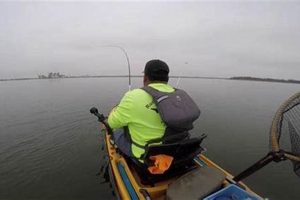
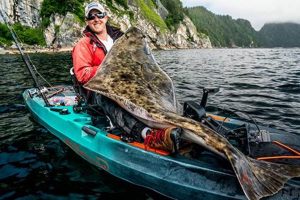
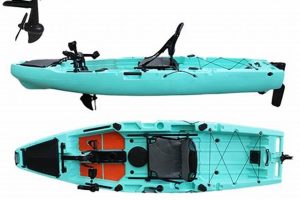
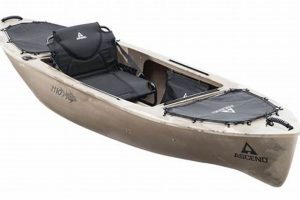
This specific model designates a kayak typically 12 feet in length, designed and marketed by a company using “KC” in its branding, specifically for angling. Such vessels often feature specialized components like rod holders, tackle storage, and potentially other fishing-oriented accessories.
A twelve-foot fishing kayak offers advantages in stability, maneuverability, and storage capacity compared to smaller options, while remaining transportable without specialized trailers. This size range has become a popular choice for anglers seeking access to a variety of fishing environments, from calm lakes and rivers to sheltered coastal waters. The increasing popularity reflects the growing demand for personal watercraft tailored to specific recreational activities.
The following sections will explore important considerations for those interested in this category of kayak, including factors such as hull design, construction materials, features, and potential accessories. Further information regarding selection, usage, and maintenance will also be provided.
Tips for Selecting and Using a 12-Foot Fishing Kayak
Choosing and utilizing a 12-foot fishing kayak effectively involves careful consideration of several factors. These tips aim to guide prospective purchasers toward informed decisions and enhance on-the-water experiences.
Tip 1: Consider Hull Design: Hull shape significantly impacts stability and maneuverability. A flatter hull offers greater initial stability, ideal for calmer waters and stand-up fishing. A V-shaped hull provides better tracking and performance in choppy conditions but may feel less stable initially.
Tip 2: Evaluate Construction Materials: Common materials include rotomolded polyethylene, thermoformed plastic, and composite materials. Each presents trade-offs between durability, weight, and cost.
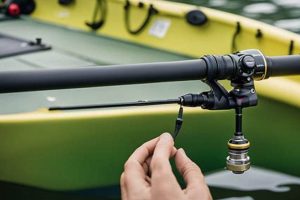
Tip 3: Prioritize Essential Features: Focus on features directly supporting angling needs. Rod holders, tackle storage compartments, and anchor trolleys are key considerations.
Tip 4: Assess Weight Capacity: Ensure the kayak’s weight capacity comfortably accommodates the angler’s weight, plus gear and potential catches.
Tip 5: Practice Paddling Technique: Efficient paddling technique maximizes speed and minimizes fatigue. Consider instructional videos or lessons.
Tip 6: Understand Safety Precautions: Always wear a personal flotation device (PFD) and inform someone of paddling plans. Carry essential safety equipment, including a whistle and signaling device.
Tip 7: Research Local Regulations: Be aware of local boating regulations, including registration and permit requirements.
Careful consideration of these factors ensures informed purchasing decisions and safe, enjoyable fishing experiences on the water. These guidelines offer a starting point for further research tailored to individual needs and preferences.
This information seeks to empower informed choices and promote responsible enjoyment of the sport.
1. Brand

The “KC” brand designation within the “kc 12 fishing kayak” term signifies the manufacturer. This association directly links the kayak’s attributesdesign, construction, features, and performanceto the manufacturing company. Brand reputation, specialization, and target market influence consumer perception and purchasing decisions. For instance, a brand known for durable, stable fishing kayaks will likely attract anglers prioritizing those qualities. Conversely, a brand focused on recreational paddling may offer a fishing kayak, but it might not possess the specialized features sought by serious anglers. Therefore, understanding the “KC” brand, including its history, product lines, and market positioning, provides crucial context for evaluating a “kc 12 fishing kayak.”
The practical implications of this brand association extend beyond marketing. Warranty coverage, customer service, and availability of replacement parts are all tied to the manufacturer. A reputable brand often provides better post-sales support, contributing to long-term owner satisfaction. Furthermore, understanding the brand’s focuswhether on recreational paddling, fishing, or other water sportsinforms potential buyers about the kayak’s suitability for their intended use. For example, KC Kayaks might emphasize stability for fishing, while another brand might prioritize speed for touring. This differentiation clarifies product strengths and target audiences.
In summary, the “KC” brand within “kc 12 fishing kayak” signifies more than just a name; it represents a set of qualities, values, and support systems associated with the manufacturer. This understanding allows for more informed comparisons between products from different brands, ultimately guiding consumers toward a kayak that best aligns with individual needs and priorities. Investigating the “KC” brand becomes a critical step in the selection process, offering insights beyond the basic specifications of a 12-foot fishing kayak.
2. Length

The “12 feet” designation within “kc 12 fishing kayak” specifies the vessel’s length, a critical dimension influencing performance, usability, and suitability for specific fishing environments. This measurement directly impacts maneuverability, stability, storage capacity, and transportation considerations. Understanding the implications of a 12-foot length provides a foundation for evaluating this kayak’s suitability for individual angling needs.
- Maneuverability and Tracking
A 12-foot kayak generally offers a balance between maneuverability and tracking. Shorter kayaks turn more easily but may be less efficient for paddling longer distances. Conversely, longer kayaks track straighter but require more effort to turn. A 12-foot length represents a compromise suitable for navigating diverse waterways, from smaller rivers and creeks to larger lakes and coastal areas, while maintaining reasonable turning capabilities.
- Stability and Capacity
Length contributes significantly to a kayak’s stability. A 12-foot kayak generally provides more inherent stability than shorter models, offering a safer platform for fishing activities, particularly stand-up fishing. This length also translates to greater storage capacity for fishing gear, tackle, and personal items. The increased volume accommodates anglers seeking extended trips or those requiring additional equipment.
- Transportation and Storage
A 12-foot kayak presents practical considerations for transportation and storage. While transportable on roof racks or in truck beds, its length may require specialized equipment or limit vehicle choices. Storage also necessitates adequate space, potentially influencing decisions for those with limited storage options. This length balances on-water performance with logistical realities.
- Speed and Efficiency
The 12-foot length influences paddling speed and efficiency. Longer kayaks generally cover more distance per stroke than shorter ones, albeit with slightly increased effort per stroke. This aspect becomes relevant for anglers covering larger distances or fishing expansive waterways. The 12-foot length often provides a reasonable compromise between speed and maneuverability, allowing efficient paddling across diverse fishing environments.
These combined factors illustrate the significance of the “12 feet” measurement within “kc 12 fishing kayak.” It denotes a vessel designed to balance key performance attributes with practical considerations of transportation and storage, making it suitable for a wide range of anglers and fishing scenarios. This dimension directly influences the user experience, shaping how the kayak interacts with the water and how effectively it serves the angler’s needs. A thorough understanding of these implications ensures informed purchasing decisions and ultimately contributes to a more satisfying fishing experience.
3. Purpose
The designation “fishing” within “kc 12 fishing kayak” fundamentally distinguishes this vessel from other kayak types. This explicit purpose dictates design choices, features, and ultimately, the kayak’s suitability for angling activities. It signifies a deliberate focus on optimizing the angler’s experience, differentiating it from recreational kayaks designed primarily for exploration or fitness.
This purpose manifests in several key features typically found in fishing kayaks, setting them apart from their recreational counterparts. Integrated rod holders provide secure and accessible storage for fishing rods, freeing the angler’s hands for paddling and other tasks. Dedicated tackle storage compartments offer organized storage for lures, bait, and other essential fishing gear, minimizing clutter and maximizing efficiency. Other specialized features, such as anchor trolleys, further enhance fishing functionality, allowing controlled drift fishing and precise positioning. These design elements directly result from the kayak’s intended “fishing” purpose.
The practical significance of this designated purpose lies in its impact on the angler’s experience. A kayak designed for fishing facilitates ease of use, maximizes efficiency, and enhances overall enjoyment on the water. For example, an angler using a recreational kayak without rod holders would face constant challenges managing rods while paddling, potentially leading to tangles or lost equipment. Conversely, a fishing kayak’s integrated features streamline the angling process, allowing for a more focused and productive experience. This dedicated design empowers anglers to concentrate on fishing rather than managing equipment.
In summary, the “fishing” designation within “kc 12 fishing kayak” signifies more than just an intended use; it represents a set of design choices and features explicitly tailored to angling activities. Understanding this core purpose is essential for potential buyers, ensuring informed decisions aligned with individual fishing needs and preferences. It allows for a clearer evaluation of the kayak’s suitability, differentiating it from other kayak types and highlighting its specialized functionality for a dedicated purpose.
4. Type
The “kayak” designation within “kc 12 fishing kayak” specifies the vessel’s fundamental structure and mode of propulsion. This categorization distinguishes it from other watercraft, such as canoes, paddleboards, or motorized boats, and establishes a framework for understanding its inherent characteristics and operational principles. The classification “kayak” informs expectations regarding hull design, paddling technique, and overall performance characteristics.
Kayaks possess distinct features defining their interaction with water. A closed-deck design, with the paddler seated low and facing forward, differentiates kayaks from open-deck canoes. The use of a double-bladed paddle further distinguishes kayaks from paddleboards or canoes typically propelled with single-bladed paddles. This design influences stability, maneuverability, and the overall paddling experience. For instance, a kayak’s lower center of gravity contributes to its stability, while its streamlined hull allows for efficient movement through the water.
The “kayak” classification also carries practical implications for usage and functionality. The closed-deck design offers some protection from splashes and waves, while the seated position allows for prolonged paddling with reduced fatigue. This design lends itself well to activities like fishing, touring, and recreational paddling. Consider a fishing scenario: the kayak’s stability and maneuverability enable precise positioning in desired fishing spots, while its storage capacity accommodates essential gear. This illustrates the synergy between the “kayak” type and the “fishing” purpose within “kc 12 fishing kayak.”
In summary, the “kayak” classification within “kc 12 fishing kayak” provides essential context for understanding the vessel’s structure, operation, and suitability for intended activities. This fundamental categorization informs expectations regarding performance characteristics and practical usage, ultimately guiding informed decisions and fostering realistic expectations. Recognizing the inherent attributes associated with kayaks enhances appreciation for their design and application within diverse water environments, including their suitability for specialized activities like fishing.
5. Target user

The “target user: anglers” component of “kc 12 fishing kayak” defines the intended consumer group and directly influences the kayak’s design, features, and overall functionality. This focus on anglers as the primary users shapes the kayak’s development and marketing, differentiating it from kayaks designed for other purposes like recreation or touring. Recognizing this target demographic provides crucial context for understanding the kayak’s specialized features and suitability for specific fishing scenarios.
The cause-and-effect relationship between targeting anglers and the kayak’s attributes is evident in several key areas. Consider rod holders: their inclusion directly addresses anglers’ need to secure rods while paddling or attending to other tasks. Similarly, specialized storage compartments for tackle boxes and other fishing gear reflect an understanding of anglers’ organizational requirements. Further features, like anchor trolleys or transducer mounts, demonstrate a focus on optimizing fishing-specific functionalities. These design choices are a direct consequence of prioritizing anglers as the target user.
Real-world examples illustrate the practical significance of this angler-centric design. An angler targeting bass in a shallow lake benefits from the kayak’s stability and maneuverability, enabling precise casting near vegetation. An angler pursuing offshore species utilizes the kayak’s storage capacity for larger tackle and potential catches. In both scenarios, the kayak’s design, tailored to anglers’ needs, directly contributes to a more effective and enjoyable fishing experience. Conversely, a recreational kayak lacking these specialized features would present challenges and limit the angler’s effectiveness.
In summary, “target user: anglers” within “kc 12 fishing kayak” represents more than simply a demographic; it drives design choices, feature implementation, and ultimately, the kayak’s suitability for specific fishing applications. Understanding this target audience provides valuable insights for evaluating the kayak’s strengths and limitations, guiding informed purchasing decisions and promoting responsible usage tailored to the demands of angling. This targeted approach ensures that the kayak effectively serves the specific needs of its intended users, enhancing their fishing experiences and maximizing their potential on the water.
Frequently Asked Questions
This section addresses common inquiries regarding kayaks specifically designed for fishing, with a focus on the attributes and considerations relevant to the 12-foot length.
Question 1: What advantages does a 12-foot fishing kayak offer compared to shorter models?
Twelve-foot kayaks generally provide increased stability, improved tracking, and greater storage capacity compared to shorter options, making them suitable for diverse fishing environments and longer excursions.
Question 2: Are 12-foot kayaks suitable for both novice and experienced anglers?
While manageable for novices, the increased length can present initial challenges regarding maneuverability. Experienced anglers often appreciate the added stability and storage capacity for tackling varied fishing conditions.
Question 3: What transportation and storage considerations apply to 12-foot kayaks?
Their length necessitates adequate vehicle roof rack capacity or trailer utilization for transport. Storage requires sufficient space, potentially influencing decisions for those with limited storage options.
Question 4: How does hull design impact the performance of a 12-foot fishing kayak?
Hull design significantly influences stability and maneuverability. Flatter hulls offer enhanced stability for calmer waters, while V-shaped hulls improve tracking in choppy conditions. Anglers should choose a hull design appropriate for their typical fishing environment.
Question 5: What key features should one consider when selecting a 12-foot fishing kayak?
Essential features include rod holders, tackle storage compartments, comfortable seating, and potentially specialized additions like anchor trolleys or transducer mounts. Prioritizing features aligned with specific fishing styles enhances overall effectiveness and enjoyment.
Question 6: What safety precautions are essential when using a 12-foot fishing kayak?
Always wear a personal flotation device (PFD) and inform someone of paddling plans, including location and estimated return time. Carrying essential safety equipment, such as a whistle, signaling device, and first-aid kit, is crucial for preparedness.
Careful consideration of these frequently asked questions facilitates informed decision-making and promotes responsible kayak usage. Potential purchasers should weigh these factors alongside individual needs and preferences to select a kayak best suited for their specific fishing requirements.
The following section delves deeper into specific models and manufacturers within the 12-foot fishing kayak category, offering further guidance for prospective buyers.
Conclusion
This exploration of the kc 12 fishing kayak has highlighted key aspects defining this specialized watercraft. Analysis of the brand, length, purpose, type, and target user provides a comprehensive framework for informed evaluation. The “KC” brand signifies the manufacturer, influencing design, construction, and associated support systems. The 12-foot length represents a balance between stability, maneuverability, storage capacity, and transportation practicality. Its explicit “fishing” purpose dictates specialized features, differentiating it from recreational kayaks. Categorization as a “kayak” establishes fundamental structural and operational characteristics. Finally, targeting “anglers” as the primary users drives design choices and feature implementation tailored to fishing needs.
Careful consideration of these interconnected elements empowers informed purchasing decisions. Potential buyers are encouraged to research specific KC models within the 12-foot range, comparing features, performance characteristics, and user reviews. A thorough understanding of these factors contributes significantly to selecting a kayak aligned with individual fishing styles, target species, and preferred environments. This informed approach promotes responsible kayak usage, enhances on-the-water experiences, and ultimately contributes to a more enriching and successful angling pursuit.