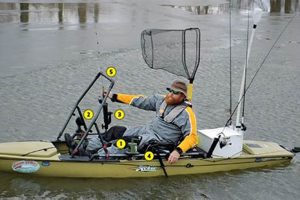
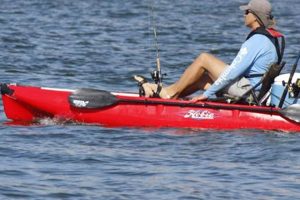
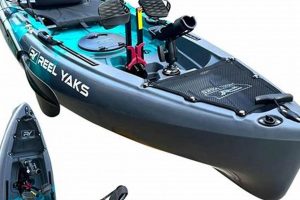
This activity combines the thrill of angling for catfish with the unique perspective and access provided by kayaks. It typically involves navigating waterways in a kayak, employing specialized fishing techniques to target catfish species. This may include still-fishing with bait, drift fishing, or even trolling, depending on the specific environment and target species. Anglers often utilize specialized kayak setups designed for stability and the storage of fishing gear.
Combining kayaking and fishing offers numerous advantages. Kayaks grant access to shallow, vegetated areas often inaccessible to larger boats, prime habitats for many catfish species. The quiet movement of a kayak minimizes disturbance to the fish, increasing angling success. Furthermore, this approach offers a closer connection to nature, enhancing the overall fishing experience. The physical activity inherent in paddling adds an element of exercise and adventure to the pursuit. This activity has grown in popularity alongside the increasing interest in kayak fishing and the recognition of catfish as a sporting species.
The subsequent sections will delve into specific techniques, equipment, and locations suitable for combining these two outdoor pursuits. Further exploration will cover safety considerations, ethical angling practices, and the diverse range of catfish species targeted by kayak anglers.
Tips for Kayak Catfishing
Successful kayak catfishing requires careful planning and execution. These tips offer guidance for enhancing angling success and ensuring a safe and enjoyable experience.
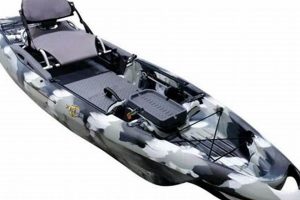
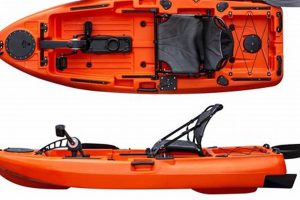
Tip 1: Choose the Right Kayak: Select a kayak designed for stability, especially in moving water. Consider models with ample storage for fishing gear and accessories. Sit-on-top kayaks are generally preferred for their ease of entry and exit, and self-bailing capabilities.
Tip 2: Utilize Appropriate Gear: Employ fishing rods and reels suited for catfish species and the targeted fishing techniques. Sturdy lines and appropriately sized hooks are crucial for landing these powerful fish. Consider using a fish finder to locate catfish holding areas.
Tip 3: Research Regulations and Obtain Licenses: Adhere to all local fishing regulations, including licensing requirements and catch limits. Familiarize oneself with species-specific regulations, such as minimum size requirements or restricted fishing seasons.
Tip 4: Prioritize Safety: Always wear a personal flotation device (PFD). Inform someone of planned fishing locations and estimated return times. Check weather conditions prior to embarking and be prepared for changing weather patterns. Carry a first-aid kit and essential safety equipment.
Tip 5: Master Kayak Control: Practice maneuvering the kayak effectively, especially in current or wind. Learn basic paddling strokes and techniques for positioning the kayak for optimal fishing.
Tip 6: Understand Catfish Behavior: Research the target species preferred habitats and feeding patterns. This knowledge informs bait selection, fishing location choices, and overall angling strategy.
Tip 7: Handle Catfish Carefully: Exercise caution when handling catfish due to their sharp spines. Use appropriate tools, such as pliers or lip grips, to secure and release fish safely. Minimize handling time to reduce stress on the fish.
By following these tips, anglers can significantly improve their chances of success while enjoying a safe and rewarding kayak catfishing experience. Preparation, knowledge, and respect for the environment are key components of successful angling.
The following section will explore various catfish species commonly targeted by kayak anglers, along with their distinct characteristics and preferred habitats.
1. Kayak Selection

Kayak selection significantly impacts the success and enjoyment of catfish kayak fishing adventures. An appropriate kayak provides stability, maneuverability, and sufficient storage for gear, all essential for a positive experience. Choosing the wrong kayak can lead to instability, difficulty navigating waterways, and inadequate space for essential equipment, potentially hindering angling success and compromising safety. For instance, a short, recreational kayak designed for calm lakes would be unsuitable for navigating river currents while targeting large catfish species. Conversely, a longer, more stable fishing kayak with ample storage offers a safer and more effective platform for this pursuit.
Several factors influence kayak selection for catfishing. Stability is paramount, particularly when battling strong fish or navigating challenging water conditions. Sit-on-top kayaks are generally preferred for their inherent stability and self-bailing capabilities. Storage capacity is crucial for accommodating rods, reels, tackle boxes, and other fishing accessories. Maneuverability is also important for navigating tight spots, accessing shallow areas, and efficiently covering water. Weight capacity should be considered, factoring in the angler’s weight, gear, and potential catch. Finally, comfort features like adjustable seats and footrests contribute to a more enjoyable experience, especially during longer outings. For example, an angler targeting large catfish in a river system might opt for a longer, sit-on-top kayak with ample storage, rod holders, and a comfortable seat for extended fishing sessions.
Careful kayak selection directly correlates with a successful and enjoyable catfishing adventure. Understanding the interplay between kayak characteristics and the demands of this specific fishing style allows anglers to make informed decisions, maximizing their chances of success while prioritizing safety and comfort. Neglecting these considerations can detract from the overall experience, highlighting the practical significance of selecting the appropriate kayak for catfish kayak fishing. The careful consideration of kayak features empowers anglers to create a more efficient, comfortable, and ultimately more successful fishing experience.
2. Specialized Gear

Specialized gear plays a crucial role in successful kayak catfishing adventures. The selection and application of appropriate equipment directly influence angling effectiveness, safety, and overall experience. Utilizing standard fishing gear not designed for the specific demands of kayak fishing can lead to suboptimal performance, compromised safety, and a less rewarding experience. For instance, using a heavy, long rod intended for surf fishing would be cumbersome and impractical within the confined space of a kayak, potentially hindering casting accuracy and fish fighting ability. Conversely, employing specialized kayak fishing gear tailored to the unique challenges and opportunities presented by this angling style significantly enhances the likelihood of success and enjoyment.
Several categories of specialized gear contribute to successful kayak catfishing. Rods and reels designed for kayak fishing are typically shorter and more robust, offering improved leverage and control within the limited space. Braided fishing line, with its high strength and low stretch, allows for better sensitivity and hooksetting power, crucial when targeting hard-fighting catfish in challenging environments. Specialized kayak fishing hooks, often equipped with wider gaps and stronger construction, ensure secure hooksets and prevent fish from escaping. A fish finder, designed specifically for kayak use, provides valuable underwater insights, revealing fish locations, bottom structure, and water depth, aiding in locating catfish hotspots. Furthermore, specialized kayak accessories, such as rod holders, anchor trolleys, and storage solutions, enhance organization and efficiency, streamlining the fishing experience. For example, an angler targeting channel catfish in a river current might utilize a medium-heavy action rod, a baitcasting reel spooled with braided line, circle hooks designed for catfish, and a fish finder to locate underwater structures where catfish congregate.
The strategic application of specialized gear directly correlates with positive outcomes in kayak catfishing. Understanding the nuanced relationship between equipment choice and the practical demands of this fishing style empowers anglers to make informed decisions, optimizing their chances of landing trophy catfish. The appropriate selection and utilization of specialized gear enhance efficiency, improve safety, and contribute to a more fulfilling experience on the water. Failing to recognize the importance of specialized gear can lead to frustration, diminished success, and potentially hazardous situations, underscoring the practical significance of this critical aspect of kayak catfishing. Investing in and effectively utilizing specialized gear elevates the overall kayak catfishing experience from one of chance to one of skill and preparedness.
3. Location Scouting

Location scouting represents a pivotal aspect of successful catfish kayak fishing adventures. Thorough pre-fishing reconnaissance significantly influences angling outcomes by identifying promising fishing spots and maximizing time spent on the water. Neglecting this crucial preparatory step often results in reduced catch rates, wasted time, and a less fulfilling angling experience. Understanding catfish behavior and habitat preferences, coupled with effective scouting techniques, greatly enhances the likelihood of locating productive fishing areas. For instance, an angler targeting blue catfish in a reservoir might scout for areas with deep channels, submerged structures, or confluences of feeder creeks, known to attract these fish. Conversely, simply launching a kayak without prior scouting increases the chances of fishing unproductive areas, diminishing the overall success of the outing.
Effective location scouting involves a multi-faceted approach. Studying maps and satellite imagery can reveal potential catfish hotspots, such as underwater humps, points, and drop-offs. Observing water conditions, including current flow, temperature variations, and turbidity, provides further insights into likely fish-holding areas. Seeking local knowledge from experienced anglers or bait shop owners can offer valuable information on proven fishing spots and prevailing conditions. Additionally, utilizing technology, such as sonar and fish finders, during scouting trips allows for precise identification of underwater structures and fish concentrations. Consider an angler targeting flathead catfish in a river system; they might scout for deep holes, logjams, and undercut banks, prime ambush points for this species. Combining these scouting methods enhances the anglers understanding of the underwater environment and significantly increases the chances of locating productive fishing areas.
The practical significance of location scouting in catfish kayak fishing cannot be overstated. It represents an investment of time and effort that yields substantial returns in terms of increased catch rates and overall angling satisfaction. Thorough scouting translates to more efficient use of fishing time, targeting specific areas known to hold catfish rather than relying on chance encounters. This proactive approach enhances the angler’s ability to consistently locate and target catfish, transforming the fishing experience from one of random searching to one of informed pursuit. Ultimately, successful location scouting becomes a cornerstone of a rewarding and productive catfish kayak fishing adventure. By understanding the relationship between location choice, catfish behavior, and habitat preferences, anglers gain a distinct advantage in their pursuit of these prized fish.
4. Catfish Behavior
Understanding catfish behavior is fundamental to successful kayak angling. Knowledge of their feeding habits, habitat preferences, and seasonal patterns significantly enhances an angler’s ability to locate and target these fish effectively. This understanding informs decisions regarding bait selection, fishing location, and presentation techniques, ultimately increasing the likelihood of a successful catch. Ignoring these behavioral nuances can lead to frustration and diminished results, highlighting the critical connection between catfish behavior and kayak fishing success.
- Feeding Habits
Catfish are opportunistic feeders, consuming a variety of food sources depending on species and environment. Some species, like channel catfish, are omnivorous, consuming insects, crustaceans, small fish, and plant matter. Others, like blue catfish, are primarily piscivorous, focusing on a diet of fish. Understanding these dietary preferences dictates bait selection; for instance, using stinkbait or chicken liver for channel catfish, while opting for live or cut baitfish when targeting blue catfish. Adapting bait choices to the target species’ feeding habits maximizes the chances of attracting and hooking catfish.
- Habitat Preferences
Different catfish species exhibit distinct habitat preferences. Channel catfish often inhabit slower-moving sections of rivers and streams, seeking cover in undercut banks, logjams, and deep holes. Blue catfish, on the other hand, prefer deeper, open water areas of lakes and reservoirs. Flathead catfish are ambush predators, typically found near structures like submerged logs, rock piles, and bridge pilings. Knowledge of these habitat preferences guides anglers in selecting productive fishing locations. For example, kayak anglers targeting channel catfish might focus their efforts on shallow, weedy areas along riverbanks, while those pursuing blue catfish would concentrate on deeper sections of lakes.
- Seasonal Patterns
Catfish behavior varies throughout the year, influenced by seasonal changes in water temperature and prey availability. During warmer months, catfish become more active, feeding aggressively as their metabolism increases. In colder months, their activity levels decrease, and they seek deeper, warmer water. Understanding these seasonal patterns influences fishing strategies. During summer, anglers might employ active fishing techniques like drifting or trolling, while in winter, still-fishing with bottom rigs becomes more effective. Adapting fishing techniques to seasonal behavioral changes maximizes the chances of success.
- Nocturnal Activity
Many catfish species exhibit increased activity during nighttime hours. Under the cover of darkness, they venture into shallower water to feed, taking advantage of reduced visibility to ambush prey. This nocturnal behavior presents opportunities for kayak anglers. Fishing during low-light conditions or at night can be highly productive, especially during warmer months. Understanding this nocturnal behavior allows anglers to capitalize on peak feeding periods, increasing their chances of landing catfish.
By considering these facets of catfish behavior, kayak anglers gain a distinct advantage. Aligning fishing strategies with the natural tendencies of the target species leads to more efficient and productive angling. This knowledge informs decisions regarding location selection, bait choice, and presentation techniques, increasing the overall likelihood of a successful and rewarding kayak fishing adventure. The interplay between catfish behavior and angling strategy underscores the importance of understanding these fish to maximize success on the water. A well-informed angler, armed with knowledge of catfish behavior, is better equipped to anticipate fish location, optimize bait presentation, and ultimately, experience the thrill of landing a trophy catfish.
5. Safety Procedures
Safety procedures are paramount in catfish kayak fishing adventures, directly impacting angler well-being and the overall success of the outing. These procedures mitigate inherent risks associated with on-the-water activities, creating a safer and more enjoyable experience. Neglecting safety precautions can lead to accidents, injuries, or even fatalities, underscoring the critical connection between safety and successful kayak fishing. For example, failure to wear a personal flotation device (PFD) could result in drowning if the kayak capsizes, even in calm waters. Conversely, adherence to established safety protocols significantly reduces the likelihood of such incidents, allowing anglers to focus on the enjoyment and challenge of fishing.
Several key safety procedures contribute to a secure kayak fishing environment. Wearing a properly fitted PFD is non-negotiable, providing essential buoyancy in the event of capsizing or accidental immersion. Carrying a communication device, such as a waterproof VHF radio or cell phone in a waterproof case, enables anglers to call for assistance in emergencies. Checking weather forecasts before embarking and being prepared for changing conditions helps avoid hazardous situations. Informing someone of planned fishing locations and estimated return times ensures that help can be summoned if an angler fails to return as scheduled. Carrying a well-stocked first-aid kit addresses minor injuries and provides essential supplies in case of more serious incidents. Furthermore, understanding and adhering to navigational rules and regulations minimizes the risk of collisions with other vessels, especially in busy waterways. For instance, an angler fishing in a tidal river should be aware of changing currents and potential navigation hazards, adjusting their fishing strategy accordingly.
Implementing comprehensive safety procedures significantly enhances the overall kayak fishing experience. Prioritizing safety fosters a mindset of preparedness and risk mitigation, allowing anglers to focus on the enjoyment of the sport. This proactive approach minimizes the potential for accidents and injuries, promoting a positive and rewarding experience on the water. Failing to adhere to safety guidelines can have severe consequences, jeopardizing angler well-being and potentially turning a recreational outing into a tragic event. Therefore, integrating safety procedures into every aspect of catfish kayak fishing is not merely a recommendation, but a fundamental requirement for responsible and enjoyable angling. The practical application of these safety measures ensures a secure environment, allowing anglers to fully appreciate the challenges and rewards of pursuing catfish from a kayak.
6. Ethical Practices

Ethical practices constitute a cornerstone of sustainable and responsible catfish kayak fishing adventures. These practices encompass a range of considerations, from catch-and-release techniques to minimizing environmental impact, ensuring the long-term health of fish populations and the preservation of aquatic ecosystems. Disregarding ethical considerations can lead to detrimental consequences, including overfishing, habitat degradation, and disruption of the delicate balance within aquatic environments. For instance, improperly handling catfish during catch-and-release can cause injury or stress, reducing their chances of survival. Conversely, adhering to ethical guidelines promotes conservation, ensuring the continued enjoyment of this recreational activity for future generations.
Several key ethical practices are essential for responsible catfish kayak fishing. Proper catch-and-release techniques, including minimizing handling time and using appropriate tools like dehookers, promote fish survival and minimize stress. Respecting size and bag limits, established to manage fish populations, ensures sustainable harvesting and prevents overfishing. Avoiding fishing in spawning areas protects vulnerable breeding populations and contributes to long-term species health. Minimizing environmental impact by properly disposing of fishing line and other waste prevents pollution and habitat degradation. Furthermore, practicing selective harvesting, targeting specific size ranges and releasing larger breeding fish, helps maintain healthy population structures. Consider an angler catching a large, breeding-sized catfish; ethically, the angler would quickly and carefully release the fish, ensuring its survival and continued contribution to the population. These practices collectively contribute to a responsible and sustainable approach to kayak fishing.
Ethical considerations are integral to the long-term viability of catfish kayak fishing adventures. Embracing these principles reflects a commitment to conservation and responsible resource management, ensuring the preservation of healthy fish populations and thriving aquatic ecosystems. Ignoring ethical implications undermines the sustainability of this recreational pursuit, potentially leading to irreversible environmental damage and the decline of fish stocks. The practical application of ethical practices safeguards the future of catfish kayak fishing, promoting a balance between recreational enjoyment and environmental stewardship. Ultimately, ethical angling practices contribute to a more enriching and sustainable experience, fostering a deeper appreciation for the natural world and the importance of responsible resource management.
Frequently Asked Questions
This section addresses common inquiries regarding catfish kayak fishing adventures, providing concise and informative responses to enhance understanding and promote safe and responsible angling practices.
Question 1: What type of kayak is best suited for catfishing?
Sit-on-top kayaks are generally preferred for their stability, self-bailing capabilities, and ease of entry and exit. Longer kayaks offer increased storage space and tracking ability, beneficial in moving water. Stability is paramount, especially when battling large catfish.
Question 2: What essential gear is required for kayak catfishing?
Essential gear includes a sturdy rod and reel combo, appropriate line and hooks, a PFD, a first-aid kit, and a communication device. Additional accessories, such as a fish finder, anchor trolley, and rod holders, can enhance the experience.
Question 3: How does one locate catfish from a kayak?
Locating catfish involves understanding their habitat preferences. Look for areas with structure, such as submerged logs, deep holes, undercut banks, and confluences of feeder creeks. Utilizing a fish finder can significantly aid in identifying these areas.
Question 4: What baits are effective for kayak catfishing?
Effective baits vary depending on the target species and local conditions. Common choices include stinkbait, chicken liver, cut baitfish, nightcrawlers, and prepared catfish baits. Experimentation is often key to determining the most productive bait in a given area.
Question 5: What safety precautions should be taken while kayak catfishing?
Always wear a PFD, inform someone of fishing plans and expected return time, check weather conditions before embarking, and carry a communication device. Understanding basic kayak paddling and self-rescue techniques is also essential.
Question 6: What ethical considerations are relevant to kayak catfishing?
Ethical considerations include adhering to size and bag limits, practicing proper catch-and-release techniques to minimize fish stress and mortality, and avoiding fishing in spawning areas. Minimizing environmental impact by properly disposing of waste is also crucial.
Understanding these frequently asked questions promotes safe, responsible, and successful kayak catfishing experiences. Preparation, knowledge, and respect for the environment are essential for enjoying this rewarding outdoor pursuit.
The next section will explore advanced techniques for kayak catfishing, including drift fishing, anchoring, and trolling.
Conclusion
This exploration of catfish kayak fishing adventures has highlighted key elements contributing to successful and responsible angling. From kayak selection and specialized gear to location scouting, understanding catfish behavior, and prioritizing safety and ethical practices, each aspect plays a crucial role in maximizing angling success while minimizing environmental impact. The information presented provides a comprehensive foundation for anglers seeking to engage in this exciting and rewarding pursuit.
The future of catfish kayak fishing hinges on the continued adoption of sustainable practices and a commitment to conservation. By prioritizing ethical angling and responsible resource management, anglers contribute to the long-term health of fish populations and the preservation of aquatic ecosystems. The pursuit of catfish from a kayak offers a unique connection with nature and the thrill of challenging angling, an experience enriched by knowledge, skill, and a respect for the environment.