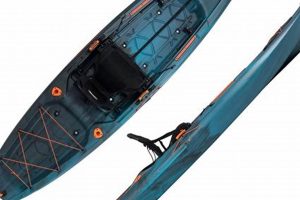
Specific rules govern fishing from kayaks after dark. These rules, which vary by jurisdiction, often address required lighting, permitted fishing methods, and designated areas open for nighttime activity. For example, some areas may mandate a 360-degree white light visible from a distance, while others might restrict fishing to specific species or prohibit the use of certain gear.
Enhanced angling opportunities and unique experiences are potential benefits of after-dark fishing from a kayak. The cooler temperatures and reduced boat traffic can create a more tranquil environment. Additionally, certain fish species become more active at night, increasing the chance of a successful catch. Historically, regulations for this activity developed alongside increasing recreational kayak use and the need to ensure both angler safety and resource conservation.
The following sections will delve deeper into understanding these rules and maximizing angler safety and enjoyment. Topics will include navigating specific regional regulations, selecting appropriate safety equipment, and employing effective night fishing techniques.
Tips for Night Fishing from a Kayak
Careful planning and adherence to specific safety precautions are essential for a successful and safe night fishing experience from a kayak.
Tip 1: Check Local Regulations: Regulations differ significantly between locations and may include specific lighting requirements, permitted fishing methods, and designated areas open for night fishing. Consulting local authorities or online resources is crucial before embarking on any nighttime kayaking trip.
Tip 2: Prioritize Safety Equipment: Essential safety gear includes a personal flotation device (PFD), a whistle, a head lamp or flashlight, and navigation lights. A VHF radio and a fully charged mobile phone are recommended for emergency communication.
Tip 3: Enhance Visibility: Maximize visibility by using reflective tape or stickers on the kayak and paddle. Carrying a bright, waterproof flashlight allows for signaling in case of an emergency.
Tip 4: Plan and Share Your Route: Always inform someone about the planned fishing location, route, and expected return time. This ensures assistance can be dispatched quickly if needed.
Tip 5: Be Aware of Weather Conditions: Check weather forecasts before heading out and avoid night fishing during inclement weather. Wind, rain, and fog can significantly increase risks.
Tip 6: Navigate with Caution: Use a GPS device or chart plotter for navigation, and be mindful of potential hazards such as submerged objects, shallow water, and other boat traffic.
Tip 7: Respect Wildlife and the Environment: Minimize disturbance to wildlife and avoid leaving any trace of presence behind. Properly dispose of fishing line and other waste materials.
Adhering to these guidelines contributes significantly to a safe and enjoyable kayak night fishing experience. Preparation and responsible behavior maximize both personal safety and the preservation of the natural environment.
By understanding and following these recommendations, anglers can confidently enjoy the unique challenges and rewards of night fishing from a kayak.
1. Location-Specific Rules

Location-specific rules form a cornerstone of kayak night fishing regulations, adapting to the unique characteristics and conservation needs of different bodies of water. Understanding these localized nuances is essential for legal compliance and responsible angling.
- Designated Fishing Zones
Designated fishing zones restrict nighttime kayak fishing to specific areas within a larger body of water. These zones may be established to protect sensitive habitats, spawning grounds, or areas with high boat traffic. For example, a reservoir might prohibit night fishing near a dam or intake structure. Ignoring these restrictions can lead to fines or legal penalties.
- Seasonal Closures
Seasonal closures prohibit kayak fishing during specific times of the year, often coinciding with fish spawning seasons or periods of heightened ecological sensitivity. These closures aim to minimize disturbance and protect fish populations during vulnerable periods. For instance, a river might be closed to night fishing during the spring salmon run.
- Species-Specific Regulations
Species-specific regulations address size limits, catch limits, and permitted fishing methods for particular fish species. These regulations aim to manage fish populations and prevent overfishing. For example, certain species might have stricter size limits at night or be completely off-limits during spawning seasons. These rules often interact with general fishing regulations, further emphasizing the importance of local knowledge.
- Private Property Restrictions
Private property restrictions limit access to certain waters or shorelines, even for fishing activities. Anglers must respect these boundaries and ensure they have permission to fish in any privately-owned areas. These regulations may differ from general public access rules and require specific awareness of local property lines.
Careful consideration of these location-specific rules contributes significantly to responsible kayak night fishing. Consulting local fishing regulations, contacting relevant authorities, and utilizing online resources are crucial steps in understanding and adhering to these specific guidelines. This diligent approach ensures both a legal and ethical fishing experience, promoting the long-term health of aquatic ecosystems.
2. Lighting Requirements

Lighting requirements represent a critical component of kayak night fishing regulations, directly impacting both safety and legal compliance. These regulations aim to prevent collisions on the water by making kayaks visible to other vessels. A clear understanding of these requirements is essential for all night anglers.
Regulations typically mandate specific types and configurations of lights. A common requirement is an all-around white light visible from 360 degrees, ensuring the kayak is easily spotted from any direction. Some jurisdictions further require separate sidelightsred and greento indicate the kayak’s direction of travel, similar to larger vessels. For example, coastal regulations often stipulate more stringent lighting requirements than inland lakes due to increased vessel traffic. Failure to comply with these regulations can result in penalties and significantly increases the risk of accidents. Proper lighting not only enhances visibility to other boaters but also aids the angler in navigating in low-light conditions. A headlamp or strategically placed flashlight can assist with tasks such as changing lures or landing fish.
Choosing appropriate lighting equipment is paramount. Battery life, waterproofness, and mounting options are critical considerations. Regularly checking battery charge and ensuring proper light function before embarking on a fishing trip are crucial safety practices. Understanding and adhering to lighting requirements contributes substantially to a safer and more responsible night fishing experience. This knowledge benefits not only the individual angler but also contributes to the overall safety of the boating community.
3. Permitted Fishing Gear

Regulations governing permitted fishing gear play a crucial role in kayak night fishing, impacting both conservation efforts and angler safety. These regulations often stipulate allowable hook types, line weights, and fishing methods, tailoring restrictions to specific species and environments. This specificity aims to minimize stress on fish populations and reduce the risk of entanglement or gear conflicts in low-light conditions. For instance, some areas may prohibit treble hooks to reduce the potential for deep hooking, while others may restrict the use of certain nets to protect vulnerable species. Understanding these gear restrictions is essential for compliance and contributes to sustainable fishing practices.
The connection between permitted fishing gear and kayak night fishing regulations lies in balancing angler opportunity with environmental protection. Regulations often reflect the vulnerability of certain species during nighttime hours or the increased risk of gear entanglement due to reduced visibility. For example, using heavier line than permitted might increase the chance of snagging on underwater structures or entangling other anglers’ lines in the dark. Similarly, restrictions on certain types of lures might aim to protect specific prey species during their nocturnal feeding patterns. Practical application of these regulations necessitates anglers researching and understanding specific gear restrictions for their intended fishing location. Carrying only permitted gear not only ensures legal compliance but also demonstrates a commitment to responsible fishing.
Adhering to permitted fishing gear regulations is paramount for maintaining healthy fish populations and fostering a safe fishing environment. Challenges may arise in keeping abreast of changing regulations or interpreting complex gear restrictions. Consulting official resources, engaging with local angling communities, and prioritizing ethical fishing practices contribute significantly to navigating these challenges. Ultimately, understanding and respecting these regulations are crucial for the continued enjoyment and sustainability of kayak night fishing.
4. Safety Equipment Mandates

Safety equipment mandates constitute a crucial aspect of kayak night fishing regulations, directly addressing the elevated risks associated with low-light conditions on the water. These mandates aim to enhance angler safety and preparedness for potential emergencies. Understanding and adhering to these requirements is paramount for responsible and safe night fishing practices.
- Personal Flotation Devices (PFDs)
PFDs are universally mandated for kayak fishing, regardless of time of day. However, their importance is amplified at night due to reduced visibility and potentially slower response times in emergencies. Regulations typically require PFDs to be worn at all times while on the water. A properly fitted and functioning PFD can significantly increase the chances of survival in the event of capsizing or accidental overboard entry.
- Visual Signaling Devices
Visual signaling devices, such as whistles or waterproof flashlights, are essential for attracting attention in emergencies. At night, these devices become primary means of communication, especially in situations where verbal calls may be difficult to hear. Regulations often specify the type and required functionality of these devices. A whistle’s high-pitched sound carries further than a voice, while a bright flashlight can signal distress to distant vessels or shore personnel.
- Navigation Lights
Navigation lights are crucial for making kayaks visible to other vessels in low-light conditions. Regulations often dictate the type, color, and placement of these lights, ensuring kayaks meet minimum visibility standards. A white light visible from 360 degrees is a common requirement. These lights significantly reduce the risk of collisions, especially in areas with higher boat traffic. Proper functioning and placement are vital for maximum effectiveness.
- Communication Equipment
While not always mandated, carrying communication equipment like a VHF radio or a charged mobile phone significantly enhances safety during kayak night fishing. These devices provide a direct link to emergency services and allow for communication with other boaters or shore contacts. A VHF radio provides dedicated maritime communication channels, while a mobile phone can serve as a backup in areas with cellular coverage. Informing someone of planned fishing locations and estimated return times further strengthens safety protocols.
These safety equipment mandates work in concert with other aspects of kayak night fishing regulations to create a comprehensive safety framework. Strict adherence to these mandates not only increases individual angler safety but also contributes to a safer overall environment for all waterway users. By prioritizing safety equipment and adhering to regulations, anglers demonstrate a commitment to responsible and sustainable night fishing practices.
5. Licensing and Permits

Licensing and permits represent integral components of kayak night fishing regulations, establishing a framework for responsible and sustainable resource management. These requirements ensure anglers contribute financially to conservation efforts and adhere to established rules governing fishing activities. Understanding the nuances of licensing and permitting is essential for legal compliance and demonstrates a commitment to ethical angling practices.
- Fishing Licenses
Fishing licenses are fundamental prerequisites for legal fishing, generating revenue that supports conservation programs, habitat restoration, and fisheries management. Different license types exist, often categorized by residency, duration (annual, short-term), and targeted species. Acquiring the correct license for the specific fishing location and intended species is essential. For example, a saltwater license may be required for coastal kayak fishing, while a freshwater license is typically necessary for inland waters.
- Night Fishing Permits/Endorsements
In addition to standard fishing licenses, certain jurisdictions require specific permits or endorsements for night fishing activities. These additional requirements often reflect heightened conservation concerns or safety considerations associated with nighttime angling. A night fishing permit might restrict fishing to designated areas or limit the use of specific gear. For example, some protected areas may require a separate permit for night fishing to control access and minimize environmental impact.
- Special Species Permits/Tags
Targeting specific species, particularly those with conservation concerns, may necessitate additional permits or tags. These requirements allow for close monitoring of harvest rates and contribute to the sustainable management of vulnerable populations. For instance, catching certain species of trout or salmon might require a special tag, limiting the number of fish that can be legally harvested. These regulations often interact with general licensing requirements, adding another layer of complexity to compliance.
- Registration and Water Access Permits
Some areas require kayaks or other non-motorized vessels to be registered or require specific permits for accessing public waterways. These regulations can vary significantly depending on the managing authority, whether it’s a state agency, local municipality, or private entity. For instance, launching a kayak at a state park might require a separate launch permit or adherence to specific access regulations. These requirements often intersect with fishing license and permit mandates, creating a comprehensive regulatory framework for waterway usage.
Navigating the complexities of licensing and permitting requires careful attention to local regulations. Consulting official resources, utilizing online licensing platforms, and contacting local authorities are crucial steps in ensuring full compliance. By understanding and fulfilling these requirements, anglers contribute to the financial sustainability of conservation programs and demonstrate a commitment to the ethical and responsible practice of kayak night fishing. This diligence ensures the continued enjoyment and preservation of aquatic resources for future generations.
Frequently Asked Questions about Kayak Night Fishing Regulations
This section addresses common inquiries regarding kayak night fishing regulations, providing concise and informative responses to clarify potential ambiguities and promote safe and compliant angling practices.
Question 1: How do lighting requirements differ between inland and coastal waters?
Coastal waters typically mandate more stringent lighting configurations, often including red and green sidelights in addition to an all-around white light, due to increased vessel traffic. Inland waters may only require a single all-around white light. Specific requirements should be confirmed with local authorities.
Question 2: Where can specific night fishing regulations for a particular location be found?
Local regulations can be obtained from state wildlife agencies, municipal authorities, or online resources dedicated to fishing regulations. Consulting local bait and tackle shops can also provide valuable insights.
Question 3: Are there specific licensing requirements for kayak night fishing beyond a standard fishing license?
Some jurisdictions require separate night fishing permits or endorsements in addition to a regular fishing license. It is essential to verify local requirements before engaging in night fishing activities.
Question 4: What are the penalties for non-compliance with night fishing regulations?
Penalties for non-compliance can range from fines to confiscation of equipment and suspension of fishing privileges. The severity of the penalty typically depends on the specific infraction and the jurisdiction.
Question 5: How do seasonal closures impact kayak night fishing opportunities?
Seasonal closures, often implemented during fish spawning seasons, can temporarily prohibit night fishing in specific areas or for specific species. Awareness of these closures is crucial for planning fishing trips.
Question 6: What safety precautions should be prioritized beyond mandated equipment?
Informing someone of the planned fishing location and expected return time, checking weather forecasts, and carrying a fully charged mobile phone are recommended safety practices beyond mandated equipment requirements.
Understanding and adhering to kayak night fishing regulations ensure both angler safety and the sustainable management of aquatic resources. Diligent research and preparation contribute significantly to a positive and legally compliant fishing experience.
Further resources and detailed information regarding specific regional regulations can be found in the following section.
Kayak Night Fishing Regulations
Kayak night fishing regulations represent a crucial framework for balancing recreational angling opportunities with the imperative of resource conservation and angler safety. This exploration has highlighted key aspects of these regulations, including location-specific rules, lighting requirements, permitted fishing gear, safety equipment mandates, and licensing and permitting procedures. Understanding these components is fundamental for legal compliance and fosters a culture of responsible angling. Strict adherence to these regulations ensures a safe and sustainable environment for both anglers and aquatic ecosystems.
The future of kayak night fishing hinges on continued awareness and respect for established regulations. Anglers bear a significant responsibility in upholding these guidelines, contributing to the long-term health and accessibility of this unique recreational pursuit. Diligent preparation, informed decision-making, and a commitment to ethical angling practices are essential for ensuring the sustainability of kayak night fishing for generations to come. Further engagement with local resources and ongoing education regarding evolving regulations will empower anglers to navigate the complexities of kayak night fishing responsibly and contribute to the preservation of aquatic environments.