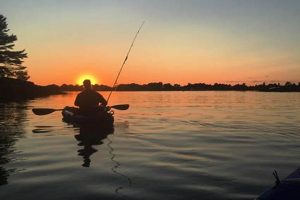
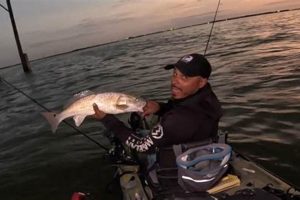
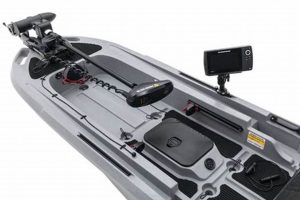
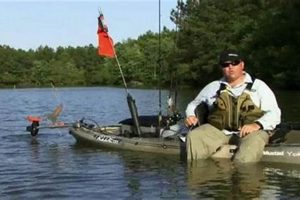
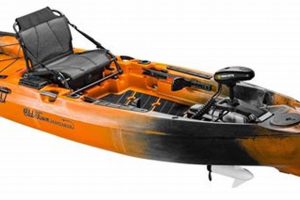
This compact, portable vessel, designed for individual use in calm waters, combines the utility of a fishing and hunting platform with the convenience of inflatable technology. Typically constructed from durable PVC or similar materials, it offers features like rod holders, swivel seats, and camouflage patterns. Its portability allows access to remote fishing and hunting spots otherwise difficult to reach with traditional, rigid-hulled kayaks.
Lightweight and easily transportable, this type of watercraft provides an affordable and accessible entry point for those interested in fishing and hunting in shallow waters, lakes, and slow-moving rivers. It eliminates the need for trailers and substantial storage space associated with traditional kayaks. The inflatable nature of the craft also offers a stable and comfortable ride, making it suitable for extended periods on the water. This style of small watercraft has gained popularity as a convenient and practical alternative to larger, more cumbersome vessels.
Further exploration will cover topics such as material durability, construction techniques, safety features, paddling performance, and accessories relevant to this specialized type of inflatable kayak.
Tips for Utilizing a Compact Inflatable Fishing Kayak
Proper preparation and technique enhance the fishing and hunting experience from a small, portable inflatable watercraft. Attention to detail ensures safety and maximizes effectiveness on the water.
Tip 1: Weight Distribution: Proper weight distribution is crucial for stability. Gear should be evenly distributed within the kayak, avoiding overloading at either end.
Tip 2: Inflation: Inflate the kayak to the manufacturer’s recommended pressure. Overinflation can damage seams, while underinflation compromises performance and stability.
Tip 3: Pre-Trip Inspection: Before each outing, inspect the kayak for leaks, abrasions, or damage to seams and valves. Necessary repairs should be performed before launch.
Tip 4: Paddling Technique: Employ efficient paddling techniques to conserve energy and maintain directional control. Short, controlled strokes are often more effective than long, sweeping motions.
Tip 5: Anchor Placement: When fishing or hunting from a stationary position, deploy the anchor thoughtfully, considering water depth, current, and potential snags.
Tip 6: Safety Gear: Carry essential safety equipment, including a personal flotation device, whistle, and signaling devices. Check local regulations for additional requirements.
Tip 7: Environmental Awareness: Respect wildlife and the environment. Avoid disturbing nesting areas and adhere to catch-and-release guidelines where applicable.
Adherence to these guidelines promotes a safe, efficient, and enjoyable experience on the water, maximizing the advantages of a small, portable inflatable fishing kayak.
By implementing these practical tips, anglers and hunters can significantly enhance their outings, focusing on the activity itself rather than logistical challenges. This concludes the practical advice section.
1. Portability

Portability represents a defining characteristic of this type of inflatable kayak, significantly influencing its appeal and practical applications. Its compact, lightweight nature expands access to fishing and hunting locations often unreachable with traditional watercraft. Understanding the facets of this portability provides a deeper appreciation for its advantages.
- Reduced Transport Burden
Deflated and packed, these kayaks occupy minimal storage space and can be easily transported in the trunk of a car, on public transport, or even carried on foot over moderate distances. This eliminates the need for specialized roof racks or trailers, significantly reducing the logistical overhead associated with larger, rigid kayaks. For example, anglers can hike into remote mountain lakes or carry the kayak across shallow water obstacles to access prime fishing spots.
- Ease of Setup and Breakdown
Inflation and deflation processes are typically rapid, requiring minimal effort and time. This quick setup and breakdown contribute to the kayak’s convenience, allowing users to spend more time on the water. The use of high-efficiency pumps further streamlines the inflation process. This rapid deployment allows for spontaneous fishing trips and reduces the time commitment required for setup and takedown.
- Navigating Challenging Terrain
The lightweight design allows users to easily portage the kayak around obstacles like rapids, shallows, or fallen trees, expanding access to otherwise inaccessible sections of waterways. This maneuverability is particularly valuable in river or stream environments where obstacles may necessitate portaging. This advantage allows for exploration of a wider range of fishing habitats.
- Storage Considerations
The compact, deflated size facilitates storage in smaller spaces, including apartments, closets, or even under a bed. This compact storage footprint expands ownership possibilities for those with limited storage capacity. This ease of storage further enhances the kayak’s overall convenience and practicality, particularly in urban environments.
These aspects of portability collectively contribute to the overall versatility and appeal of this specialized kayak, allowing anglers and hunters to reach remote locations and explore a wider variety of waterways with minimal logistical constraints. This advantage expands fishing opportunities and enhances the overall outdoor experience.
2. Stability

Stability represents a critical performance attribute, directly influencing angling success and overall safety. Several design elements contribute to the stable nature of these specialized inflatable kayaks, allowing anglers to focus on fishing rather than maintaining balance. The wide base and low center of gravity create inherent stability, reducing the likelihood of tipping, particularly during casting or reeling. Multiple air chambers further enhance stability, providing redundancy in the event of a puncture. Even weight distribution within the kayak plays a crucial role in maintaining balance and maximizing stability. For example, an angler standing to cast in a wide, stable kayak experiences less rocking motion than in a narrower, less stable craft. This stability is particularly crucial when landing a fish, as the sudden movements and shifting weight could destabilize a less stable platform.
Furthermore, the inflatable design contributes to a stable and comfortable ride, even in choppy water. The inflatable construction absorbs wave impacts, providing a smoother, more stable experience compared to rigid kayaks. This shock absorption reduces fatigue and enhances overall comfort during longer fishing trips. The wider base also minimizes the effects of wind drift, allowing anglers to maintain their position with less effort. This stability is essential for sight fishing, where maintaining a precise position is critical for success. The ability to stand and cast in specific models further underscores the focus on stability in these specialized kayaks.
Understanding the factors influencing stability is crucial for maximizing performance and ensuring a safe angling experience. Considerations such as weight capacity, water conditions, and individual angling styles should inform the selection and utilization of these kayaks. Proper weight distribution and adherence to manufacturer guidelines further optimize stability and safety. Neglecting these considerations could compromise stability and negatively impact the fishing experience. The enhanced stability provided by these specialized kayaks directly contributes to a more comfortable, efficient, and successful fishing experience.
3. Fishing Features

Specialized fishing features distinguish this inflatable kayak from recreational models, optimizing it for angling activities. These features directly enhance functionality and efficiency on the water. Consider the inclusion of integrated rod holders. These secure fishing rods, freeing hands for other tasks like paddling, baiting hooks, or landing fish. Adjustable rod holders accommodate various fishing styles and rod lengths, maximizing versatility. Furthermore, some models offer specialized storage compartments designed for tackle boxes, ensuring easy access to essential fishing gear. These purpose-built compartments maintain organization and prevent gear from shifting during movement. The inclusion of these features transforms the kayak from a simple flotation device into a dedicated fishing platform.
For example, an angler trolling with multiple rods benefits significantly from integrated rod holders. These holders secure the rods, preventing loss or damage while allowing the angler to focus on navigating and observing lines. Similarly, readily accessible tackle storage streamlines lure changes and rigging adjustments, optimizing fishing time. The availability of such features contributes directly to a more productive and enjoyable fishing experience. Without these features, anglers would face challenges in managing rods, tackle, and other equipment, potentially compromising safety and efficiency.
In summary, integrated fishing features represent a crucial aspect of the specialized inflatable kayak design. These features enhance functionality, efficiency, and overall fishing success. Careful consideration of these features is crucial for anglers evaluating kayak options. Understanding the benefits offered by these features allows informed decisions aligned with individual fishing styles and needs. The presence and quality of these fishing-specific attributes ultimately distinguish this kayak from standard recreational models, solidifying its position as a dedicated angling platform.
4. Inflatable Design

The inflatable design of this specialized kayak distinguishes it significantly from traditional rigid-hulled kayaks, impacting portability, storage, and performance. Examination of key facets within this design reveals its contribution to the kayak’s overall utility and appeal for anglers and hunters.
- Durability and Material Selection
Construction typically utilizes durable, puncture-resistant materials like PVC or reinforced fabrics. These materials withstand abrasions from rocks, submerged branches, and general wear and tear. Multiple air chambers enhance safety and buoyancy, providing redundancy in the event of a puncture. Material selection directly impacts the kayak’s longevity and reliability in various aquatic environments.
- Inflation and Deflation Process
Rapid inflation and deflation are facilitated by high-efficiency valves and pumps. This ease of setup and breakdown contributes to the kayak’s overall convenience. The compact, deflated size facilitates storage and transport. Efficient inflation systems minimize preparation time, allowing for quick deployment on the water.
- Performance Characteristics on the Water
The inflatable design influences paddling efficiency, stability, and tracking. While generally slower than rigid kayaks, the inflatable hull provides a stable platform, particularly beneficial for fishing. The wider base contributes to stability, reducing the likelihood of tipping. Hydrodynamic design considerations minimize drag and optimize performance within the constraints of inflatable construction.
- Packability and Storage Convenience
The deflated kayak packs down into a compact size, facilitating storage in limited spaces and easy transport. This eliminates the need for specialized storage solutions required for rigid kayaks. This portability expands access to remote fishing locations often inaccessible with larger, less portable watercraft. The ease of storage further enhances the kayak’s appeal for those with limited storage capacity.
The inflatable design, encompassing material selection, inflation/deflation processes, on-water performance, and packability, defines the specialized nature of this kayak. These interconnected aspects contribute directly to its portability, convenience, and suitability for fishing and hunting applications. Understanding these facets provides a comprehensive perspective on the advantages and limitations of the inflatable design in relation to its intended purpose. This analysis reveals how the inflatable design directly addresses the needs of anglers and hunters seeking a portable, efficient, and stable platform for accessing and navigating various waterways.
5. Solo Usage
The “Sevylor Rio Fish/Hunt 1-Person Inflatable Kayak” is explicitly designed for individual use. This design choice significantly impacts its functionality, maneuverability, and overall user experience. Understanding the implications of solo usage provides insights into the kayak’s suitability for specific angling and hunting scenarios.
- Enhanced Maneuverability
Solo usage translates to increased agility and responsiveness on the water. A single paddler exerts complete control over the kayak’s movement, facilitating quick turns, precise positioning, and navigation through tight spaces. This maneuverability proves advantageous in navigating shallow waters, narrow streams, or areas with dense vegetation, where precise control is essential for accessing prime fishing or hunting spots. For instance, navigating a winding creek filled with fallen logs requires nimble maneuvering only achievable with a solo craft.
- Personalized Experience
Solo kayaking offers a uniquely personalized experience. The individual dictates the pace, route, and fishing or hunting strategy without the need for compromise or coordination with others. This autonomy allows for a more immersive and contemplative experience in nature. Consider an angler seeking solitude and tranquility. Solo usage provides uninterrupted focus on the surroundings and the activity at hand, enhancing the overall experience.
- Weight Capacity and Gear Management
Designed for a single occupant, weight capacity considerations are specific to individual needs. Gear storage is also optimized for solo use, balancing space efficiency with accessibility. This ensures sufficient space for essential fishing or hunting equipment without unnecessary bulk or weight. An angler carrying fishing rods, tackle boxes, and a small cooler will find the designated storage compartments adequate and strategically placed for solo access and weight distribution.
- Safety and Self-Reliance
Solo kayaking necessitates a heightened awareness of safety procedures and self-reliance. The individual paddler bears full responsibility for navigation, emergency preparedness, and self-rescue. This underscores the importance of proper safety equipment, including a personal flotation device, communication devices, and a thorough understanding of water safety guidelines. An angler venturing into remote areas must be prepared for unforeseen circumstances, possessing the skills and equipment to handle potential challenges independently.
The “Sevylor Rio Fish/Hunt 1-Person Inflatable Kayak’s” design, tailored for solo use, directly influences its performance characteristics and user experience. Understanding the implications of solo paddling, including enhanced maneuverability, personalized experience, weight and gear management considerations, and safety implications, provides a comprehensive perspective on its suitability for individual anglers and hunters. This focus on solo use underscores its intended purpose as a compact, efficient, and independent platform for exploring waterways and pursuing fishing or hunting activities.
Frequently Asked Questions
This section addresses common inquiries regarding the specialized inflatable kayak designed for individual fishing and hunting activities. Clear and concise responses aim to provide comprehensive information for prospective users.
Question 1: What is the typical weight capacity of this type of kayak?
Weight capacities vary depending on the specific model, but generally range from 250 to 350 pounds, encompassing the weight of the occupant, gear, and any potential catch.
Question 2: How durable are these inflatable kayaks, considering potential encounters with rocks or submerged debris?
Constructed from durable, puncture-resistant materials like PVC or reinforced fabrics, these kayaks are designed to withstand typical encounters with rocks, branches, and other potential hazards in calm water environments. Multiple air chambers provide additional safety and buoyancy.
Question 3: How long does inflation typically take?
Using a high-efficiency pump, inflation typically takes between 5 and 10 minutes, depending on the specific model and pump used. Manual pumps require more time and effort.
Question 4: Are these kayaks suitable for use in ocean or fast-moving river environments?
Designed primarily for calm waters such as lakes, ponds, and slow-moving rivers, they are not recommended for ocean use or fast-flowing rivers due to potential stability and safety concerns.
Question 5: What essential safety equipment is recommended for use with this type of kayak?
Essential safety equipment includes a personal flotation device (PFD), a whistle, and appropriate signaling devices. Adhering to local regulations regarding safety equipment is paramount.
Question 6: How difficult is it to repair a puncture in the field?
Most models include repair kits containing patches and adhesive for addressing minor punctures. Repairing larger tears or damage might require professional assistance.
Careful consideration of these frequently asked questions provides a deeper understanding of the specialized inflatable kayak’s capabilities and limitations. Addressing these common concerns informs potential users and contributes to a safer and more enjoyable on-water experience.
The subsequent section will delve into customer reviews and experiences, providing real-world insights into the kayak’s performance and practicality.
Conclusion
This exploration of the Sevylor Rio Fish/Hunt 1-Person Inflatable Kayak encompassed key aspects relevant to prospective users. Portability, stability, specialized fishing features, the inflatable design’s implications, and the benefits and considerations of solo usage were examined in detail. Practical tips for maximizing performance and safety supplemented the technical analysis. Frequently asked questions addressed common concerns regarding usage, durability, and safety protocols. This comprehensive overview provided a balanced perspective on the advantages and limitations inherent in this specialized type of watercraft.
Careful consideration of the information presented empowers informed decisions regarding kayak selection and utilization. Matching individual needs and intended usage with the kayak’s capabilities ensures a safe and productive experience on the water. Ultimately, the Sevylor Rio Fish/Hunt 1-Person Inflatable Kayak offers a unique solution for anglers and hunters seeking a portable, stable, and efficient platform for accessing and navigating waterways. Continued exploration of specialized kayak options promotes enhanced enjoyment and success in outdoor pursuits.