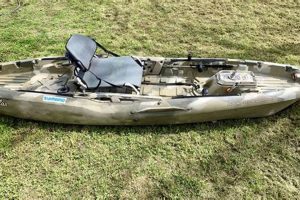
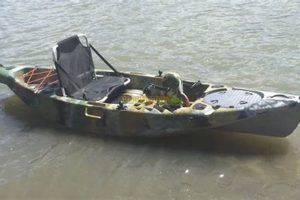
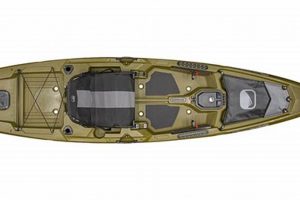
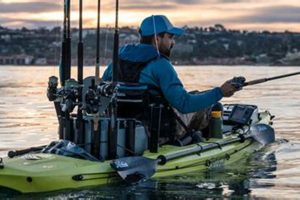
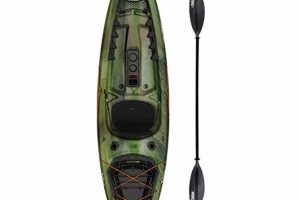
Retail businesses specializing in the sale of kayaks outfitted or marketed for fishing represent a key access point for anglers seeking specialized watercraft. These businesses typically offer a range of kayak models, often including sit-on-top and sit-inside designs, incorporating features like rod holders, tackle storage, and anchor systems. They may also offer related accessories such as paddles, life vests, fish finders, and other fishing gear. Examples include small, independent shops, large sporting goods retailers, and online marketplaces.
Access to specialized equipment and expert advice significantly enhances the angling experience. Knowledgeable staff can guide consumers toward the right kayak based on factors like fishing style, body type, and water conditions. This personalized service streamlines the purchasing process and improves the likelihood of angler satisfaction. Historically, anglers relied on general-purpose watercraft. The rise of specialized kayak designs and dedicated retail outlets reflects the growing popularity of kayak fishing and its evolution into a distinct pursuit.
The following sections will explore key aspects of selecting and purchasing a fishing kayak, including an overview of popular features, considerations for different fishing environments, and tips for evaluating reputable retailers.
Tips for Selecting a Fishing Kayak
Choosing a suitable fishing kayak requires careful consideration of various factors, from hull design and features to budget and intended use. The following tips offer guidance for navigating this process effectively.
Tip 1: Consider the Fishing Environment. Oceans, lakes, and rivers present unique challenges. Ocean kayaks require stability in rough conditions, while lake kayaks benefit from maneuverability. River kayaks should be durable and easy to control in currents.
Tip 2: Prioritize Stability and Comfort. Kayak fishing often involves extended periods on the water. A stable and comfortable platform enhances safety and enjoyment. Wider kayaks generally offer greater stability.
Tip 3: Evaluate Storage Capacity. Adequate storage is crucial for carrying tackle, safety gear, and personal items. Consider built-in compartments, hatches, and bungee systems.
Tip 4: Choose Appropriate Propulsion. Paddle kayaks offer exercise and maneuverability, while pedal-powered versions allow hands-free fishing and cover greater distances. Motorized kayaks provide speed and convenience.
Tip 5: Assess Material and Construction. Polyethylene kayaks are durable and affordable, while composite materials offer lighter weight and improved performance. Examine hull thickness and construction quality.
Tip 6: Test Before Buying. If possible, test paddle different models to assess stability, comfort, and maneuverability firsthand. This can help confirm suitability for individual needs.
Tip 7: Research Reputable Retailers. Look for businesses with experienced staff, a diverse inventory, and positive customer reviews. A reliable retailer can provide valuable guidance and support.
By considering these factors and conducting thorough research, anglers can select a fishing kayak that meets their specific requirements and enhances their on-the-water experience.
The insights provided throughout this article should empower informed decision-making during the kayak selection process.
1. Expertise

Specialized knowledge distinguishes proficient fishing kayak dealers from general retailers. This expertise plays a crucial role in guiding customers toward informed purchasing decisions, ultimately enhancing their on-the-water experiences. A deep understanding of kayak design, features, and applications forms the foundation of effective customer service.
- Kayak Selection Guidance
Experienced dealers possess in-depth knowledge of various kayak types, including sit-on-top, sit-inside, inflatable, and pedal-driven models. They understand the advantages and disadvantages of each design concerning specific fishing styles and environments. For example, a dealer might recommend a stable sit-on-top kayak for ocean fishing or a maneuverable sit-inside model for navigating tight river bends. This guidance ensures customers select kayaks suited to their individual needs.
- Feature Explanation and Application
Dealers proficient in kayak features can explain the purpose and benefits of rod holders, anchor systems, storage compartments, and other specialized equipment. They can articulate how these features enhance fishing efficiency and overall enjoyment. A dealer might demonstrate the functionality of a rudder system for improved tracking or explain the benefits of a fish finder integration for locating optimal fishing spots. This knowledge empowers customers to make informed choices based on their fishing preferences.
- Environmental Considerations
Knowledgeable dealers understand the impact of environmental factors on kayak selection. They can advise on appropriate hull designs for different water conditions, such as ocean swells, river currents, or calm lakes. They can also recommend specific safety gear based on the intended fishing environment. For instance, a dealer might suggest a longer, narrower kayak for open water paddling or a shorter, wider kayak for enhanced stability in shallow water. This expertise ensures customer safety and preparedness on the water.
- Maintenance and Repair Advice
Proficient dealers provide guidance on proper kayak maintenance, including cleaning, storage, and repair procedures. They can offer advice on preventing damage and extending the lifespan of the kayak. For example, a dealer might demonstrate proper cleaning techniques to remove salt deposits or explain how to repair minor hull scratches. This expertise empowers customers to protect their investment and maintain optimal kayak performance.
These facets of expertise contribute significantly to customer satisfaction and build trust between anglers and dealers. By providing informed guidance, dealers ensure customers select kayaks that align with their individual fishing styles and enhance their overall on-the-water experiences. This specialized knowledge establishes dealers as valuable resources within the kayak fishing community.
2. Inventory Breadth

A broad inventory is a critical component of successful fishing kayak dealerships. It directly influences customer satisfaction by providing choices tailored to individual needs and preferences. A diverse selection caters to a wider range of fishing styles, budgets, and experience levels. This breadth fosters a sense of comprehensive service, allowing customers to find the ideal kayak within a single retail environment. For instance, a dealer offering kayaks ranging from entry-level recreational models to high-end fishing platforms with advanced features attracts a broader customer base than one with limited selection. This variety allows customers to compare options and make informed decisions based on specific requirements.
Furthermore, inventory breadth allows dealers to address niche markets within kayak fishing. Specialization within inventory might include kayaks designed for specific fishing environments, such as ocean, river, or lake angling. It could also encompass kayaks tailored for specific fishing techniques, like trolling, fly fishing, or stand-up fishing. A dealer specializing in kayaks for shallow-water fishing, for instance, might offer models with enhanced stability and maneuverability, appealing directly to anglers targeting specific species or locations. This specialization enhances the dealer’s reputation and establishes expertise within these niche markets.
Maintaining a broad inventory also demonstrates an understanding of market trends and customer demand. It reflects a commitment to staying current with the latest kayak technologies, features, and designs. Adapting inventory to reflect evolving angling preferences demonstrates responsiveness to customer needs and positions the dealer as a reliable source of information and innovation within the kayak fishing community. However, managing a broad inventory requires careful consideration of storage space, stock rotation, and financial investment. Balancing variety with efficient inventory management is crucial for sustained profitability.
3. Service Quality

Service quality significantly influences customer perception and loyalty within the specialized retail environment of fishing kayak dealerships. It encompasses a range of factors extending beyond the transactional aspect of the purchase. Knowledgeable staff capable of addressing customer inquiries thoroughly and accurately forms the foundation of quality service. This expertise translates into informed recommendations tailored to individual fishing styles, experience levels, and budgetary constraints. Effective communication, including clear explanations of kayak features, maintenance procedures, and safety considerations, builds customer trust and confidence. For example, a dealer who takes the time to understand a customer’s fishing preferences and recommends a kayak with appropriate stability and storage capacity demonstrates a commitment to customer satisfaction. Conversely, inadequate product knowledge or dismissive customer interactions can negatively impact reputation and deter future business. The long-term impact of consistent service quality manifests in positive customer reviews, repeat business, and word-of-mouth referrals, all crucial for sustainable growth in a competitive market.
Beyond pre-sales interactions, service quality extends to post-purchase support. Efficient handling of warranty claims, timely repairs, and readily available replacement parts contribute to a positive customer experience. Offering services like kayak maintenance workshops, guided fishing trips, or partnerships with local angling clubs further strengthens customer relationships and fosters a sense of community. Consider a dealer who proactively contacts customers after purchase to ensure satisfaction and offer assistance with setup or maintenance. Such actions build loyalty and differentiate the business from competitors offering solely transactional interactions. This commitment to comprehensive service quality establishes the dealer as a trusted resource within the kayaking community, fostering long-term relationships with anglers.
In conclusion, service quality represents a crucial differentiator within the fishing kayak retail sector. It influences customer perception, loyalty, and ultimately, business success. While product quality and pricing remain important considerations, exceptional service cultivates a positive brand image and fosters enduring customer relationships. Dealers prioritizing knowledgeable staff, clear communication, and comprehensive post-sales support position themselves for sustained growth and establish a loyal customer base within the competitive landscape of fishing kayak retail. This commitment to service excellence ultimately translates into enhanced customer experiences and reinforces the dealer’s reputation as a trusted partner within the kayak fishing community.
4. Community Engagement
Community engagement represents a crucial aspect of successful business strategies for fishing kayak dealers. Active participation within the local angling community fosters trust, builds brand loyalty, and establishes the dealer as a valuable resource. This engagement extends beyond transactional interactions, creating a sense of shared passion and fostering long-term relationships with customers. Supporting local fishing clubs, sponsoring tournaments, or participating in conservation efforts demonstrates a commitment to the broader angling community. For example, a dealer hosting a kayak fishing safety seminar or sponsoring a youth fishing program strengthens ties with local anglers and cultivates a positive brand image. Such initiatives generate goodwill and position the dealer as a responsible and engaged member of the community.
Furthermore, community engagement provides valuable market insights and feedback opportunities. Direct interaction with anglers allows dealers to understand evolving needs, preferences, and trends within the kayak fishing community. This knowledge informs inventory decisions, service offerings, and marketing strategies. For instance, a dealer actively participating in online fishing forums can gain insights into popular kayak modifications, desired features, or emerging fishing techniques. This information allows the dealer to tailor inventory and services to meet specific customer demands, enhancing competitiveness and customer satisfaction. This direct feedback loop ensures the dealer remains attuned to the evolving needs of the local angling community, fostering a sense of responsiveness and customer-centricity.
In conclusion, community engagement serves as a powerful tool for fishing kayak dealers. It builds brand loyalty, fosters trust, and provides valuable market insights. Active participation within the local angling community strengthens customer relationships, enhances brand reputation, and contributes to long-term business success. Dealers prioritizing community engagement establish themselves as valuable resources, fostering a sense of shared passion and contributing positively to the overall health and vitality of the kayak fishing ecosystem. While requiring dedicated time and resources, the benefits of community engagement significantly outweigh the costs, positioning the dealer as a cornerstone of the local angling community.
5. Accessibility

Accessibility, in the context of fishing kayak dealerships, encompasses multiple facets contributing significantly to customer convenience and market reach. It influences purchasing decisions and shapes the overall customer experience. Convenient access to products and services plays a crucial role in attracting and retaining customers within the competitive landscape of outdoor recreation retail.
- Geographic Location
The physical location of a dealership significantly impacts accessibility. A conveniently located storefront, easily reachable by target demographics, increases visibility and reduces barriers to entry for potential customers. A dealership situated near popular fishing destinations or within a densely populated area with easy highway access attracts more customers than one in a remote or difficult-to-reach location. Conversely, an inconvenient location may deter potential customers, regardless of inventory or service quality. Proximity to related businesses, such as tackle shops or boat ramps, further enhances convenience and attracts customers already engaged in related activities. Considerations such as parking availability and public transportation access also influence customer convenience and overall accessibility.
- Online Presence
A robust online presence expands accessibility beyond geographical limitations, enabling dealers to reach wider audiences. A well-designed website with comprehensive product information, online ordering capabilities, and secure payment processing facilitates convenient purchasing for customers regardless of location. Effective search engine optimization (SEO) practices ensure visibility in online searches, connecting potential customers with the dealership’s digital platform. Integration with social media platforms further expands reach and enables direct engagement with customers through targeted advertising and content marketing. Online reviews and testimonials contribute to brand credibility and influence purchasing decisions. A dealer with a strong online presence offering online ordering and delivery options can reach customers beyond their immediate geographic area, expanding market reach significantly.
- In-Store Experience
Accessibility within the physical store environment influences customer comfort and overall satisfaction. Well-organized product displays, clear signage, and accessible aisles facilitate easy navigation and browsing. Wheelchair ramps, accessible restrooms, and designated parking spaces cater to customers with mobility limitations. A welcoming atmosphere with knowledgeable staff readily available to assist customers contributes to a positive in-store experience. A dealer with a well-organized showroom, knowledgeable staff, and accessible facilities creates a welcoming and inclusive environment, enhancing customer comfort and satisfaction. These factors influence purchasing decisions and contribute to positive word-of-mouth referrals.
- Communication Channels
Multiple communication channels enhance accessibility by providing customers with diverse options for contacting the dealership. Clearly displayed contact information, including phone number, email address, and physical address, facilitates easy communication. Prompt and responsive customer service through various channels, including phone, email, and social media, builds trust and addresses customer inquiries efficiently. Offering multilingual support caters to diverse customer demographics. A dealer providing multiple communication channels, such as phone, email, live chat, and social media messaging, ensures customer inquiries are addressed promptly and efficiently, enhancing accessibility and fostering a sense of responsiveness.
These facets of accessibility contribute significantly to the success of fishing kayak dealerships. By prioritizing convenient access to products, services, and information, dealers enhance customer experiences, expand market reach, and cultivate stronger customer relationships. These efforts contribute to sustained growth and establish a positive reputation within the competitive retail landscape of fishing kayaks.
6. Pricing Strategies

Pricing strategies employed by fishing kayak dealers significantly influence market competitiveness, profitability, and customer perception. Effective pricing balances attracting customers with maintaining sustainable profit margins. Strategies must consider factors such as kayak cost, competitor pricing, market demand, and perceived value. A dealer offering premium kayaks with specialized features might adopt a premium pricing strategy, emphasizing quality and exclusivity. Conversely, a dealer focusing on high-volume sales of entry-level kayaks might employ a competitive pricing strategy, aiming to attract budget-conscious customers. Incorrectly calibrated pricing can deter potential customers, either through excessively high prices or by creating perceptions of low quality associated with excessively low prices. For instance, a dealer consistently undercutting competitors might inadvertently create an impression of inferior product quality, potentially damaging long-term brand perception.
Several factors contribute to the complexity of pricing decisions within the fishing kayak market. Seasonal demand fluctuations influence pricing adjustments. Dealers might offer discounts during the off-season to stimulate sales or implement premium pricing during peak season to capitalize on increased demand. Promotional offers, such as package deals including paddles and safety gear, influence perceived value and purchasing decisions. Negotiating favorable terms with manufacturers impacts profit margins and pricing flexibility. Clear and transparent pricing policies build customer trust. Hidden fees or unexpected price increases can negatively impact customer satisfaction and damage reputation. For example, a dealer offering a seemingly competitive base price but adding substantial fees for delivery or assembly erodes customer trust and creates negative perceptions. Establishing a reputation for fair and transparent pricing fosters long-term customer loyalty.
Strategic pricing decisions are crucial for success within the competitive fishing kayak retail sector. A well-defined pricing strategy aligns with overall business objectives, target market demographics, and brand positioning. It balances attracting customers with maintaining profitable operations. Dealers must continuously evaluate market conditions, competitor activities, and customer feedback to adjust pricing strategies effectively. Failure to adapt to market dynamics can lead to lost sales and diminished competitiveness. Effective pricing strategies contribute significantly to long-term sustainability and success within the fishing kayak retail landscape.
7. Post-sales Support

Post-sales support constitutes a critical component of a reputable fishing kayak dealership’s operations, significantly influencing customer loyalty and long-term business success. It encompasses a range of services and support structures extending beyond the initial point of sale, reinforcing customer confidence and fostering enduring relationships. Effective post-sales support transforms a transactional interaction into a sustained partnership between the dealer and the angler. This support can encompass warranty assistance, repair services, access to replacement parts, and ongoing technical advice. For instance, a dealer providing prompt warranty replacements for defective kayaks demonstrates commitment to customer satisfaction and builds trust. Conversely, inadequate post-sales support, characterized by delayed repairs or difficulty obtaining replacement parts, can erode customer confidence and damage reputation.
The practical significance of robust post-sales support manifests in several ways. Firstly, it cultivates customer loyalty. Anglers experiencing positive post-sales interactions are more likely to return for future purchases and recommend the dealership to others. This organic growth through positive word-of-mouth referrals represents a cost-effective marketing strategy driven by customer satisfaction. Secondly, strong post-sales support mitigates the impact of negative experiences. Should a customer encounter an issue with a purchased kayak, efficient and responsive support can transform a potentially negative experience into a positive one, reinforcing customer confidence in the dealership’s commitment to customer care. For example, a dealer promptly addressing a customer’s concern regarding a faulty rudder system reinforces trust and strengthens the customer-dealer relationship. Finally, comprehensive post-sales support enhances the overall value proposition of the dealership. Anglers perceive value not only in the initial product purchase but also in the assurance of ongoing support and assistance throughout the lifespan of their kayak. This perceived value differentiates the dealership from competitors offering solely transactional interactions.
In conclusion, post-sales support represents a strategic investment for fishing kayak dealers. It fosters customer loyalty, mitigates negative experiences, and enhances overall value perception. While requiring dedicated resources and personnel, the long-term benefits of effective post-sales support contribute significantly to sustained business growth and establish a positive reputation within the competitive fishing kayak retail landscape. Dealers prioritizing post-sales support position themselves as trusted partners, committed to customer satisfaction beyond the initial point of sale, ultimately cultivating enduring relationships within the angling community.
Frequently Asked Questions
This section addresses common inquiries regarding the selection, purchase, and maintenance of fishing kayaks, providing concise and informative responses to assist prospective buyers.
Question 1: What key features distinguish a fishing kayak from a recreational kayak?
Fishing kayaks typically incorporate specialized features such as rod holders, tackle storage compartments, anchor systems, and often elevated seating positions for enhanced visibility and casting. These features cater specifically to the needs of anglers.
Question 2: How does hull design influence kayak stability and performance?
Wider hulls generally offer greater stability, particularly beneficial for fishing activities, while longer, narrower hulls enhance speed and tracking. Hull design represents a compromise between stability, maneuverability, and speed, tailored to specific fishing environments and techniques.
Question 3: What factors should influence the choice between a sit-on-top and a sit-inside kayak for fishing?
Sit-on-top kayaks offer enhanced stability and ease of entry/exit, advantageous for fishing in warmer climates or situations requiring frequent repositioning. Sit-inside kayaks provide greater protection from the elements and enhanced paddling efficiency, suitable for colder conditions or longer expeditions.
Question 4: How does one determine the appropriate kayak length and weight capacity for individual needs?
Kayak length influences maneuverability and tracking, while weight capacity dictates the maximum load the kayak can safely carry, including the angler, gear, and potential catch. Matching these parameters to individual size, anticipated load, and intended fishing environment ensures optimal performance and safety.
Question 5: What maintenance practices ensure the longevity of a fishing kayak?
Regular cleaning, proper storage practices, and timely repairs contribute significantly to kayak longevity. Rinsing the kayak after each use, particularly in saltwater environments, prevents corrosion. Storing the kayak away from direct sunlight and extreme temperatures minimizes material degradation. Addressing minor damage promptly prevents further deterioration.
Question 6: What resources can assist in choosing a reputable fishing kayak dealer?
Online reviews, local angling communities, and recommendations from experienced kayakers provide valuable insights into the reputation and service quality of different dealerships. Evaluating factors such as inventory breadth, staff expertise, and post-sales support aids in selecting a reliable and trustworthy dealer.
Understanding these fundamental aspects of fishing kayak selection, maintenance, and dealer evaluation empowers informed purchasing decisions and contributes to a positive and successful kayak fishing experience.
For further information, the following section explores advanced techniques in kayak fishing.
Conclusion
This exploration of the specialized retail sector encompassing fishing kayak dealers has highlighted key aspects of their role within the angling community. Factors such as inventory breadth, service quality, expertise, community engagement, accessibility, pricing strategies, and post-sales support contribute significantly to customer satisfaction and influence purchasing decisions. The interplay of these factors shapes the overall retail landscape and dictates successful engagement with the target demographic of kayak anglers. Dealers prioritizing these elements cultivate strong customer relationships, foster brand loyalty, and contribute positively to the growth and development of the kayak fishing community.
The evolving landscape of kayak fishing necessitates continuous adaptation from retailers. Emerging technologies, shifting consumer preferences, and environmental considerations will continue to shape the demand for specialized kayaks and associated services. Dealers embracing innovation, prioritizing customer needs, and actively engaging with the angling community are poised for sustained success within this dynamic market. The future of fishing kayak retail hinges on the ability of dealers to provide comprehensive solutions that enhance the angling experience and foster lasting connections with customers.