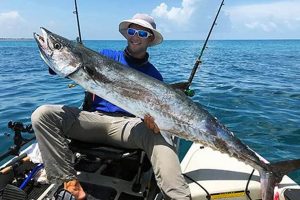
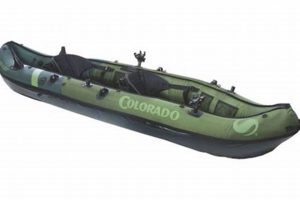
Angling from small, human-powered vessels on this expansive Georgia reservoir offers a unique blend of sport and nature. This method allows access to shallow coves and secluded areas often unreachable by larger motorized boats, providing opportunities to target various fish species. For example, spotted bass, largemouth bass, and striped bass are commonly sought after by anglers on Lake Lanier.
This approach to fishing provides numerous advantages, including affordability, maneuverability, and a quiet, immersive experience in the natural environment. It offers a sustainable and less impactful way to enjoy the lake’s resources. Historically, Lake Lanier has been a popular destination for recreational fishing. Adapting smaller watercraft for this purpose allows anglers to connect with the lake’s history and ecosystem on a more personal level.
This article will explore topics relevant to this activity, such as recommended equipment, suitable locations on the reservoir, effective fishing techniques, and relevant regulations. Furthermore, the article will address safety considerations and best practices for anglers.
Tips for Angling from a Kayak on Lake Lanier
Successful outings on Lake Lanier require preparation and awareness. The following tips can enhance angler safety and improve the chances of a productive experience.
Tip 1: Check Weather Conditions: Before embarking on any fishing trip, consulting a reliable weather forecast is essential. Sudden changes in weather can create hazardous conditions on the water, especially for smaller vessels.
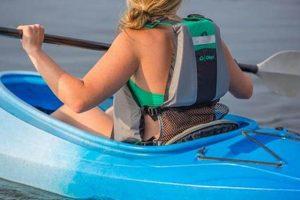
Tip 2: Wear a Personal Flotation Device (PFD): A PFD is a crucial piece of safety equipment and should be worn at all times while on the water. State regulations may mandate PFD usage.
Tip 3: Plan a Float Plan: Informing someone about intended fishing locations and estimated return times is a crucial safety precaution. This allows for assistance if unexpected delays or emergencies occur.
Tip 4: Use Appropriate Fishing Gear: Selecting rods, reels, and tackle suited to the target species and the environment enhances fishing effectiveness. Consider using lighter gear for easier handling in a kayak.
Tip 5: Respect Wildlife and the Environment: Practicing catch-and-release fishing helps conserve fish populations. Adhering to “Leave No Trace” principles minimizes environmental impact. This includes proper disposal of fishing line and other waste.
Tip 6: Be Aware of Boat Traffic: Lake Lanier experiences significant boat traffic, particularly during peak seasons. Maintaining awareness of surrounding vessels and adhering to navigational rules enhances safety.
Tip 7: Carry Essential Safety Gear: A basic first-aid kit, a whistle, and a signaling device should be included in standard kayak equipment. A fully charged cell phone in a waterproof bag can also prove invaluable in emergencies.
By adhering to these guidelines, anglers can contribute to a safer and more enjoyable fishing experience while promoting the responsible use of Lake Lanier’s resources.
By following these tips and utilizing appropriate techniques, anglers can maximize their chances of a successful and enjoyable fishing experience.
1. Kayak Selection
Appropriate kayak selection significantly impacts the overall experience of fishing on Lake Lanier. Choosing the right vessel enhances stability, maneuverability, and comfort, contributing to a safer and more productive outing. Several factors influence this decision.
- Hull Design:
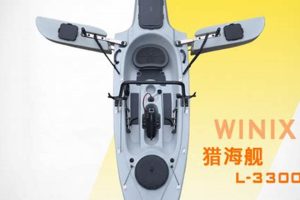
Hull design directly affects stability and tracking. Wider, flatter hulls offer greater initial stability, beneficial for casting and reeling, particularly for novice anglers. Longer, narrower hulls track straighter, facilitating efficient paddling across open water. Lake Lanier’s varying conditions, from calm coves to open areas subject to wind and boat wakes, necessitate careful consideration of hull design.
- Length and Weight Capacity:
Kayak length and weight capacity influence maneuverability and storage space. Shorter kayaks are more agile in tight spaces, while longer kayaks maintain momentum over distance. Weight capacity dictates how much gear and equipment can be safely carried, crucial for longer fishing trips on Lake Lanier. Anglers should consider the weight of their fishing gear, personal items, and potential catch when evaluating weight capacity.
- Propulsion System:
Kayaks utilize various propulsion systems, including paddles, pedals, and motors. Paddle kayaks offer simplicity and affordability. Pedal-powered kayaks allow hands-free fishing and increased speed. Motorized kayaks provide the greatest range and speed, but come with added cost and maintenance. The chosen propulsion system should align with the angler’s physical capabilities, fishing style, and desired range on Lake Lanier.
- Features and Accessories:
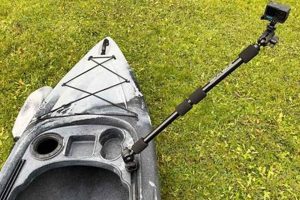
Integrated features like rod holders, storage compartments, and anchor trolleys enhance fishing functionality. These additions streamline gear organization and deployment, optimizing fishing time. Accessories such as fish finders and GPS units further enhance the experience on Lake Lanier, assisting with navigation and fish location. Selecting a kayak with appropriate features and accessories tailored to individual needs can significantly improve overall fishing success and enjoyment.
Careful consideration of these factors ensures the chosen kayak aligns with the specific demands of Lake Lanier. Matching the vessel to individual needs and fishing preferences contributes to a more comfortable, efficient, and ultimately more rewarding experience on the water.
2. Fishing Spots

Strategic fishing spot selection is paramount for successful kayak angling on Lake Lanier. The lake’s diverse underwater topography and varying habitat types create unique fishing opportunities. Understanding these locations and their characteristics allows anglers to target specific species and maximize their chances of success.
- Shallow Coves and Creeks:
These areas offer excellent opportunities for targeting largemouth bass, especially during the warmer months. Shallow water warms quickly, attracting baitfish and subsequently, predatory bass. Kayaks excel in these environments due to their shallow draft and maneuverability, allowing access to areas inaccessible to larger boats. Examples include the numerous small coves branching off the main lake channels, particularly those with submerged vegetation or woody cover.
- Points and Drop-offs:
Points and drop-offs represent transitions in depth and often concentrate fish. These areas provide ambush points for predatory species like spotted bass and striped bass. Using a fish finder to identify these underwater structures enhances fishing efficiency. The points near major islands and creek mouths on Lake Lanier often hold significant numbers of fish.
- Docks and Marinas:
Docks and marinas create artificial structures that attract various fish species seeking shelter and food. Crappie, catfish, and even bass can be found congregating around these structures. Kayaks provide an advantage for fishing these areas due to their quiet approach and ability to maneuver close to the structures. Caution is advised, however, to avoid disturbing moored boats and to respect private property.
- River Channels and Flats:
The submerged river channels and flats of Lake Lanier provide habitat for a variety of fish. Stripers often patrol these areas, while catfish can be found scavenging along the bottom. Trolling or drifting along these channels and flats can be productive techniques for kayak anglers. The Chattahoochee River channel, although deep in sections, offers shallower flats adjacent to the main channel suitable for kayak fishing.
Effective fishing spot selection on Lake Lanier involves considering seasonal patterns, water temperature, and target species. Utilizing a combination of research, local knowledge, and on-the-water observation significantly improves the chances of locating productive fishing areas. The maneuverability of kayaks allows anglers to exploit these diverse locations, maximizing their fishing potential on this extensive reservoir.
3. Target Species
Lake Lanier supports a diverse fish population, offering kayak anglers a variety of target species. Understanding the habits and preferred habitats of these species is crucial for successful angling. This knowledge influences equipment choices, lure selection, and fishing location strategies. The primary target species on Lake Lanier include:
- Black Bass (Largemouth and Spotted): These popular game fish inhabit various areas of the lake, from shallow coves to deeper structures. Largemouth bass often prefer areas with abundant vegetation, while spotted bass tend to congregate around rocky points and drop-offs. Their aggressive nature makes them receptive to a range of lures and presentations.
- Striped Bass: These open-water predators roam the deeper sections of Lake Lanier, often schooling near points, humps, and river channels. They are a prized target for anglers due to their size and fighting ability. Live bait, trolling lures, and downrigging techniques are commonly employed to target stripers.
- Crappie: Crappie are abundant in Lake Lanier and offer excellent fishing opportunities, especially during the cooler months. They tend to congregate around brush piles, docks, and other submerged structures. Small jigs, minnows, and other finesse presentations are effective for catching crappie.
- Catfish: Several catfish species, including channel catfish, blue catfish, and flathead catfish, inhabit Lake Lanier. They are often found in deeper water near river channels and flats. Bottom fishing techniques using cut bait, stinkbait, or prepared bait are typically successful for catching catfish.
Matching fishing techniques and tackle to the target species significantly increases the likelihood of success. For example, using lighter tackle and finesse presentations for crappie contrasts sharply with the heavier gear and aggressive techniques employed for striped bass. Understanding the seasonal patterns of these species also plays a vital role. For instance, targeting bass in shallow water during the spawn differs from targeting them in deeper water during the winter months.
Successful kayak fishing on Lake Lanier hinges on a thorough understanding of target species’ behavior and habitat preferences. This knowledge, combined with appropriate equipment and techniques, contributes significantly to a productive and rewarding fishing experience. Selecting appropriate locations based on the target species and their preferred habitat further optimizes fishing success. Targeting specific species also contributes to responsible fishing practices by minimizing unintended bycatch.
4. Safety Gear

Safety gear plays a vital role in mitigating risks inherent to kayak fishing on Lake Lanier. The open-water environment, coupled with fluctuating weather conditions and potential interactions with motorized vessels, necessitates a proactive approach to safety. A comprehensive understanding of necessary safety equipment and its proper usage contributes significantly to angler well-being. For instance, a sudden squall can easily capsize a kayak, making a personal flotation device (PFD) essential. A readily accessible whistle or air horn can alert nearby boaters in case of an emergency. Carrying a waterproof pouch containing a fully charged cell phone allows communication with emergency services should the need arise.
Beyond basic safety equipment, several additional items enhance angler preparedness. A first-aid kit equipped to handle common injuries, such as hooks, cuts, and sunburns, is advisable. Carrying a spare paddle prevents being stranded in case of paddle breakage. A bilge pump or bailing device assists in removing water from the kayak, particularly after heavy rain or wave splashes. Navigation lights are crucial for low-light conditions or nighttime fishing, increasing visibility to other boaters. A brightly colored flag affixed to the kayak enhances visibility during daylight hours. Pre-trip equipment checks ensure all safety gear is in proper working order. Regularly inspecting PFDs for wear and tear and verifying the functionality of signaling devices are important practices.
Prioritizing safety gear is paramount for responsible kayak fishing on Lake Lanier. While inherent risks exist in any outdoor activity, preparedness minimizes those risks and promotes a safe and enjoyable experience. Neglecting safety precautions can lead to serious consequences, including injury or even fatality. Understanding the specific safety needs presented by the Lake Lanier environment, such as fluctuating weather conditions and potential boat traffic, is essential for informed decision-making regarding safety gear selection and usage. Preparation and vigilance are key components of a safe and successful kayak fishing outing.
5. Local Regulations

Adherence to local regulations is essential for responsible and legal kayak fishing on Lake Lanier. These regulations, established by the Georgia Department of Natural Resources (DNR), aim to conserve fish populations, protect the environment, and ensure the safety of all lake users. Regulations encompass licensing requirements, catch limits, size restrictions for specific species, and permitted fishing methods. For example, anglers must possess a valid Georgia fishing license, adhere to daily catch limits for bass, and observe minimum size requirements for keeping certain species. Ignoring these regulations can result in fines and jeopardize fishing privileges.
Specific regulations pertinent to kayak anglers on Lake Lanier include mandatory personal flotation device (PFD) requirements and navigational rules. All kayaks must have a wearable PFD readily accessible for each occupant. Furthermore, kayaks must adhere to established navigational rules, particularly when operating in proximity to motorized vessels. Understanding and complying with these regulations ensures a safe and legal fishing experience. For instance, kayaks must yield the right-of-way to larger motorized boats and avoid impeding navigation channels. Knowledge of these rules contributes significantly to overall safety on the lake.
Compliance with local regulations demonstrates respect for the Lake Lanier ecosystem and contributes to its long-term sustainability. By adhering to catch limits and size restrictions, anglers help maintain healthy fish populations. Respecting designated no-fishing zones and closures protects sensitive habitats. Responsible fishing practices benefit all lake users and ensure the continued enjoyment of this valuable resource for future generations. Accessing the most up-to-date regulations through the Georgia DNR website prior to fishing excursions is crucial, as regulations can be subject to change. This proactive approach ensures compliance and fosters responsible stewardship of Lake Lanier.
Frequently Asked Questions
This section addresses common inquiries regarding kayak fishing on Lake Lanier, providing concise and informative responses to facilitate a safe and productive angling experience.
Question 1: What are the primary target fish species for kayak anglers on Lake Lanier?
Lake Lanier offers diverse fishing opportunities. Common target species include largemouth bass, spotted bass, striped bass, crappie, and various catfish species. Each species presents unique challenges and rewards for anglers.
Question 2: Are there specific areas of Lake Lanier better suited for kayak fishing?
Kayaks excel in accessing shallower areas like coves and creeks, often inaccessible to larger boats. These areas provide excellent opportunities for targeting bass and other species. Points, drop-offs, and submerged structures also attract fish and are easily accessible by kayak.
Question 3: What safety precautions are recommended for kayak fishing on Lake Lanier?
Wearing a personal flotation device (PFD) is crucial. Checking weather forecasts before embarking on a fishing trip is essential. Informing someone of fishing plans and estimated return time enhances safety. Carrying essential safety gear, including a whistle, signaling device, and first-aid kit, is highly recommended.
Question 4: Are there specific regulations or licensing requirements for fishing from a kayak on Lake Lanier?
A valid Georgia fishing license is required. Regulations regarding catch limits, size restrictions, and permitted fishing methods must be observed. Specific regulations related to kayak usage, such as PFD requirements, also apply. Consulting the Georgia Department of Natural Resources (DNR) website provides comprehensive information on current regulations.
Question 5: What essential equipment is recommended for kayak fishing on Lake Lanier?
Essential equipment includes a properly fitted PFD, a suitable paddle, an appropriately sized and equipped kayak, fishing rods and reels suited to target species, tackle, and appropriate bait or lures. Additional equipment, such as a fish finder, GPS unit, anchor, and rod holders, enhances the fishing experience.
Question 6: What are some recommended resources for learning more about kayak fishing on Lake Lanier?
Local bait and tackle shops often provide valuable insights into current fishing conditions and effective techniques. Online forums and fishing communities dedicated to Lake Lanier offer a platform for exchanging information and advice. Guided fishing trips provide personalized instruction and enhance the learning experience for novice anglers. The Georgia DNR website offers comprehensive information on regulations, fish species, and lake management practices.
Careful consideration of these frequently asked questions equips anglers with the knowledge necessary for a successful and enjoyable experience on Lake Lanier. Prioritizing safety, adhering to regulations, and understanding local conditions contribute to a rewarding outing.
The following section will delve into specific techniques for kayak fishing success on Lake Lanier.
Kayak Fishing Lake Lanier
This exploration of kayak fishing on Lake Lanier has highlighted key aspects of this popular activity. From equipment selection and fishing spot identification to species targeting and regulatory compliance, informed preparation contributes significantly to a successful and rewarding experience. Emphasis on safety considerations, including appropriate gear usage and adherence to established practices, underscores the importance of responsible angling. Understanding the lake’s diverse ecosystem and the specific needs of target species further enhances fishing effectiveness and promotes sustainable practices.
Lake Lanier offers a unique blend of challenges and opportunities for kayak anglers. Respect for the environment, coupled with a commitment to responsible fishing practices, ensures the continued enjoyment of this valuable resource for future generations. Further exploration of advanced techniques, seasonal patterns, and evolving regulations will undoubtedly enhance angling proficiency and contribute to a deeper appreciation of this dynamic and rewarding pursuit.