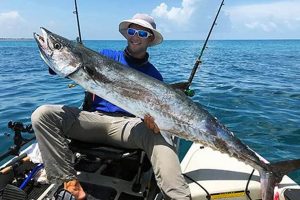
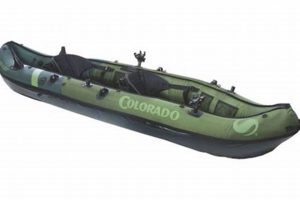
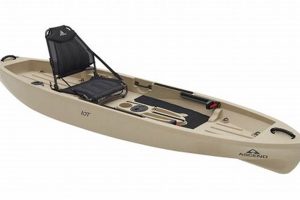
This specific combination of components refers to outfitting a fishing kayak with a Haswing motor and a Winix fish finder. A kayak equipped in this manner offers anglers a significant advantage by combining the stealth and maneuverability of a kayak with the powered propulsion of an electric trolling motor and the fish-finding capabilities of sonar technology. This setup enables anglers to cover more water, target fish more effectively, and ultimately enhance their fishing experience.
Integrating electric motors and fish finders onto kayaks represents a substantial advancement in recreational fishing. It provides accessibility to previously hard-to-reach fishing spots, reduces physical exertion, and improves the likelihood of a successful catch. The ability to move effortlessly and precisely with a motor, coupled with the real-time underwater intelligence provided by a fish finder, allows for a more strategic and informed approach to angling. This integration marks a shift towards a more efficient and enjoyable fishing experience, particularly for kayak anglers.
This setup has the potential to reshape how anglers approach their craft, and it warrants further exploration into the specific benefits of each component, recommended configurations, and practical applications for various fishing environments. The following sections delve deeper into these topics to provide a comprehensive understanding of this evolving trend in angling.
Tips for Optimized Kayak Fishing with Motor and Fish Finder
Effective utilization of motorized kayaks equipped with fish finders requires careful consideration of several key factors. These tips offer guidance for maximizing the benefits of this advanced angling setup.
Tip 1: Battery Management: Proper battery maintenance is crucial. Ensure the battery is fully charged before each outing. Monitor battery levels throughout the trip and avoid complete discharge. Consider carrying a spare battery for extended excursions.
Tip 2: Transducer Placement: Correct transducer placement is essential for accurate sonar readings. Follow the manufacturer’s instructions for optimal mounting location and angle. Avoid placing the transducer near sources of turbulence or interference.
Tip 3: Motor Control: Practice maneuvering the kayak with the motor in a controlled environment before venturing into open water. Familiarize oneself with speed adjustments and steering responses to ensure precise navigation and avoid collisions.
Tip 4: Fish Finder Interpretation: Learning to interpret the data displayed on the fish finder is crucial. Study the user manual to understand the various readings and symbols. Practice differentiating between fish, structures, and bottom contours.
Tip 5: Safety Precautions: Always wear a personal flotation device (PFD). Carry essential safety gear, including a whistle, signaling device, and first-aid kit. Inform someone of the fishing location and expected return time.
Tip 6: Kayak Weight Capacity: Respect the weight capacity of the kayak. Overloading can compromise stability and safety. Distribute weight evenly throughout the vessel for optimal balance.
Tip 7: Navigation and Planning: Plan fishing routes in advance, considering water conditions, currents, and potential hazards. Utilize navigational aids such as maps, charts, or GPS devices. Be aware of local regulations and fishing restrictions.
Adhering to these tips will contribute to a safer, more efficient, and ultimately more successful fishing experience. Proper preparation and mindful operation are essential for maximizing the advantages of this technology.
By understanding the nuances of this integrated setup and following the recommended practices, anglers can elevate their kayak fishing endeavors and enjoy a more productive and rewarding time on the water. The concluding section will recap the key takeaways and emphasize the overall significance of this technological advancement in the world of angling.
1. Motorized Propulsion

Motorized propulsion represents a significant advancement in kayak fishing, transforming the capabilities of traditional paddle-powered vessels. Within the context of a Haswing Winix fishing kayak setup, the motor serves as a critical component, enabling anglers to cover greater distances, conserve energy, and access previously unreachable fishing grounds. This section explores the multifaceted implications of integrating motorized propulsion into kayak fishing.
- Enhanced Range and Efficiency:
Electric motors, such as the Haswing commonly used in these setups, offer a distinct advantage over paddling. They allow anglers to travel further distances with less physical exertion, expanding the accessible fishing area and maximizing time spent actively fishing rather than paddling. This enhanced range and efficiency contribute to a more productive and less strenuous angling experience.
- Precise Boat Control:
Motorized propulsion offers precise control over kayak movement, enabling anglers to maintain position in currents, navigate tight spaces, and approach target areas stealthily. This level of control is particularly advantageous in challenging fishing environments or when targeting specific structures or fish species. The ability to make subtle adjustments in speed and direction optimizes fishing presentations and increases the likelihood of successful hookups.
- Hands-Free Fishing:
A significant benefit of motorized kayaks is the ability to fish hands-free. While the motor maintains position or trolls at a slow speed, anglers can focus entirely on their fishing techniques. This is especially valuable when trolling, jigging, or employing techniques that require two hands. The motor effectively becomes a virtual fishing partner, handling the propulsion while the angler concentrates on catching fish.
- Integration with Fish Finding Technology:
Motorized propulsion seamlessly integrates with fish finding technology, like the Winix fish finder, to create a synergistic angling system. The motor enables anglers to follow schools of fish identified by the sonar, maintain optimal trolling speeds, and position the kayak precisely over underwater structures. This integrated approach maximizes the effectiveness of both technologies, leading to a more targeted and successful fishing strategy.
The integration of motorized propulsion significantly enhances the versatility and effectiveness of a Haswing Winix fishing kayak. By understanding the interplay between the motor, the fish finder, and the kayak itself, anglers can unlock the full potential of this advanced fishing platform and elevate their on-the-water experience. The combination of increased range, precise control, hands-free fishing, and integration with fish finding technology revolutionizes kayak angling, opening up new possibilities for exploration and success.
2. Integrated Sonar Technology

Integrated sonar technology represents a pivotal advancement in contemporary angling, particularly within the context of setups like the Haswing Winix fishing kayak. By providing real-time underwater insights, sonar transforms the way anglers interact with their environment, enabling a more informed and strategic approach to fish finding. This section explores the multifaceted implications of integrated sonar within this specific kayak configuration.
- Real-time Underwater Mapping:
Sonar technology generates detailed images of the underwater environment, revealing bottom contours, submerged structures, vegetation, and even fish locations. This real-time mapping capability allows anglers to identify promising fishing spots, understand fish behavior, and adapt their techniques accordingly. In a Haswing Winix setup, the Winix fish finder provides this crucial information directly to the angler, enhancing situational awareness and strategic decision-making.
- Precise Fish Location:
Beyond simply mapping the underwater terrain, sonar excels at pinpointing fish locations. Modern fish finders can differentiate between individual fish, schools of fish, and even distinguish fish sizes. This precise location data enables anglers to target specific species, focus efforts on areas with high fish concentrations, and optimize lure presentations for increased hookup rates. The integration of the Winix fish finder in a Haswing Winix kayak empowers anglers with this targeted approach.
- Depth and Temperature Analysis:
Sonar provides crucial data on water depth and temperature, factors that significantly influence fish behavior. Understanding these variables allows anglers to select appropriate lures, adjust fishing depths, and target specific thermoclines or depth zones where fish are more likely to congregate. This data, readily available through the Winix fish finder, becomes a crucial element in successful fishing strategies within the Haswing Winix kayak system.
- Enhanced Decision-Making:
The wealth of information provided by integrated sonar empowers anglers with enhanced decision-making capabilities. By understanding the underwater landscape, fish locations, depth, and temperature, anglers can make informed choices about where to fish, what techniques to employ, and how to adjust their strategies throughout the fishing trip. Within the Haswing Winix fishing kayak setup, this data-driven approach optimizes fishing efficiency and increases the likelihood of success. For example, identifying a drop-off or submerged structure through sonar can inform lure selection and retrieval techniques, increasing the chances of attracting fish holding near these features.
Integrated sonar technology, exemplified by the Winix fish finder in a Haswing Winix fishing kayak, fundamentally changes the dynamics of angling. By providing a window into the underwater world, sonar empowers anglers with knowledge and control, leading to a more strategic, efficient, and ultimately, more rewarding fishing experience. The seamless integration of this technology within a maneuverable and efficient kayak platform, powered by the Haswing motor, creates a synergistic system that optimizes every aspect of the angling process.
3. Enhanced Fishing Efficiency

Enhanced fishing efficiency represents a core advantage of the Haswing Winix fishing kayak setup. This integration of electric motor and fish finder technology streamlines the angling process, maximizing productive fishing time and increasing the likelihood of successful catches. The following facets explore the key components contributing to this enhanced efficiency.
- Reduced Physical Exertion:
The Haswing motor eliminates the continuous physical effort of paddling, reducing fatigue and allowing anglers to focus their energy on fishing rather than propulsion. This is particularly beneficial during long fishing trips or in challenging conditions, such as strong currents or wind. Conserved energy translates to more casts, more precise lure presentations, and quicker reaction times when a fish strikes.
- Targeted Fish Location:
The Winix fish finder provides real-time information on fish location, depth, and underwater structures. This allows anglers to bypass unproductive areas and focus their efforts on zones with higher fish concentrations. By eliminating guesswork and targeting specific locations, anglers maximize their chances of encountering fish and reduce time spent searching barren waters.
- Precise Boat Control:
The electric motor allows for precise boat control, enabling anglers to maintain position in currents, approach target areas stealthily, and follow schools of fish identified by the sonar. This level of control is crucial for effective lure presentation and maximizes the chances of triggering a strike. For instance, holding position near a submerged structure identified by the fish finder allows for repeated casts to a prime fishing location.
- Increased Coverage Area:
Motorized propulsion expands the accessible fishing area significantly compared to paddle kayaks. Anglers can cover more water in less time, exploring distant shorelines, inlets, and offshore structures that would be unreachable by paddle alone. This increased range expands fishing opportunities and increases the likelihood of discovering productive fishing grounds. Coupled with the fish finder’s ability to identify promising areas within this expanded range, the angler’s efficiency is substantially magnified.
The synergy between the Haswing motor and the Winix fish finder creates a highly efficient fishing platform. By reducing physical exertion, enabling targeted fish location, providing precise boat control, and increasing the coverage area, this integrated system optimizes every aspect of the angling process. The result is a more productive and rewarding fishing experience, characterized by increased catch rates and maximized time spent actively engaging with the sport. This enhanced efficiency ultimately transforms how anglers approach kayak fishing, allowing them to achieve better results with less effort.
4. Kayak Compatibility
Kayak compatibility is paramount when considering a Haswing motor and Winix fish finder integration. The kayak’s structural integrity, size, and weight capacity directly influence the feasibility and safety of such a setup. An unsuitable kayak may suffer structural damage from motor mounting stress, exhibit compromised stability due to added weight, or prove inadequate for the desired performance characteristics. For instance, a lightweight recreational kayak designed for calm waters may not be suitable for a powerful Haswing motor intended for larger bodies of water or challenging conditions. Conversely, a larger, more robust fishing kayak designed for stability and open water use may provide an ideal platform for this integrated setup. Careful assessment of kayak specifications is essential for a successful integration.
Several factors determine compatibility. Hull design influences tracking and maneuverability with a motor. A flat-bottomed hull may provide stability but sacrifice tracking, while a V-shaped hull enhances tracking but may be less stable. Kayak length and width affect weight capacity and overall stability. Longer, wider kayaks generally offer greater stability and carrying capacity, accommodating the combined weight of the motor, battery, fish finder, and angler. Weight capacity limitations must be strictly adhered to; exceeding these limits compromises stability and safety, potentially leading to capsizing. Examining the manufacturer’s specifications and consulting with experienced kayak anglers can provide valuable insights into appropriate kayak choices.
Selecting a compatible kayak ensures safe and efficient operation of the Haswing motor and Winix fish finder. It optimizes performance, maximizes stability, and ensures the longevity of the kayak. Neglecting compatibility considerations can lead to a suboptimal fishing experience, potential safety hazards, and possible damage to the kayak. Therefore, careful evaluation of kayak characteristics against the demands of the integrated motor and fish finder system is an essential step in creating a functional and enjoyable fishing platform. Understanding these interconnected elements is crucial for informed decision-making and long-term satisfaction with the Haswing Winix fishing kayak setup.
5. Power Management

Power management is a critical aspect of the Haswing Winix fishing kayak setup. The electric motor and fish finder rely on a battery power source, necessitating careful planning and monitoring to ensure continuous operation throughout the fishing trip. Inefficient power management can lead to premature battery depletion, curtailing fishing time and potentially creating hazardous situations if the motor is required for navigation in challenging conditions. For example, continuous high-speed operation of the Haswing motor will deplete the battery much faster than intermittent use at lower speeds. Similarly, leaving the Winix fish finder on when not actively fishing contributes to unnecessary power drain. Understanding the power consumption characteristics of both devices is crucial for effective power management.
Several strategies optimize power usage. Matching battery capacity to anticipated power demands is essential. Larger capacity batteries provide longer run times but increase weight and cost. Calculations based on motor wattage, fish finder power draw, and estimated usage time help determine appropriate battery size. Utilizing the motor intermittently at lower speeds conserves power significantly. Drifting or paddling when feasible further extends battery life. Minimizing fish finder screen brightness and utilizing power-saving modes, when available, also contributes to efficient power usage. Carrying a spare battery provides backup power for extended trips or unexpected circumstances. Regularly charging and maintaining batteries according to manufacturer recommendations ensures optimal performance and longevity.
Effective power management directly impacts the overall fishing experience with a Haswing Winix kayak. It ensures continuous operation of essential equipment, extends fishing time, and enhances safety. Understanding the interplay between power consumption, battery capacity, and usage patterns enables informed decisions regarding battery selection and operational strategies. This proactive approach transforms potential power limitations into manageable variables, maximizing enjoyment and productivity on the water. Neglecting power management, however, can lead to frustrating curtailments of fishing trips and potentially compromise safety. Therefore, a thorough understanding of this aspect is crucial for maximizing the benefits and enjoyment of the Haswing Winix fishing kayak system.
6. Strategic Angling
Strategic angling represents a shift from opportunistic fishing towards a more deliberate and informed approach. The Haswing Winix fishing kayak setup facilitates this strategic approach by providing the tools and capabilities necessary to analyze the environment, locate fish precisely, and adapt techniques based on real-time data. This integration empowers anglers to make informed decisions throughout the fishing process, maximizing their chances of success. Consider the scenario of an angler targeting bass in a large lake. Without the strategic advantages afforded by the Haswing Winix system, the angler might rely on general knowledge of bass habitat and traditional casting techniques. However, with the integrated system, the angler can utilize the Winix fish finder to identify specific structures, drop-offs, or vegetation beds where bass are likely to congregate. The Haswing motor then allows precise navigation to these identified hotspots, and the angler can choose lures and techniques based on the observed depth, water temperature, and fish behavior displayed on the fish finder. This targeted approach significantly increases the likelihood of a successful bass fishing outing.
The Haswing motor contributes to strategic angling by enabling precise boat control and expanded range. Anglers can maintain position in currents, navigate tight spaces, and systematically cover larger areas. This mobility, coupled with the Winix fish finder’s real-time underwater insights, allows for efficient exploration and targeted fishing. For example, if the fish finder reveals a school of fish suspended at a specific depth near a submerged structure, the angler can use the motor to position the kayak precisely for optimal casting and lure presentation. This level of control and precision is rarely achievable with traditional paddle kayaks, highlighting the strategic advantage of the Haswing Winix system. Furthermore, the reduced physical exertion from motorized propulsion allows anglers to dedicate more mental energy to strategy and technique, rather than simply focusing on maintaining position or covering distance.
Strategic angling, facilitated by the Haswing Winix fishing kayak system, optimizes fishing efficiency and increases the likelihood of success. The integration of motorized propulsion and real-time sonar technology empowers anglers with the knowledge and control necessary to make informed decisions throughout the fishing process. This data-driven approach transforms angling from a passive pursuit into an active and engaging experience, maximizing the rewards and enjoyment derived from time spent on the water. While traditional angling methods often rely on luck and general knowledge, the Haswing Winix system fosters a more strategic and ultimately more rewarding approach to fishing. The ability to analyze the underwater environment, pinpoint fish locations, and adapt techniques based on real-time data represents a significant advancement in the sport, enhancing both efficiency and enjoyment.
Frequently Asked Questions
This section addresses common inquiries regarding the integration of Haswing motors and Winix fish finders on fishing kayaks. Clear and concise answers aim to provide a comprehensive understanding of key considerations and potential challenges.
Question 1: What are the primary advantages of using a Haswing motor on a fishing kayak?
Haswing motors offer several benefits for kayak anglers, including increased range, reduced physical exertion, precise boat control, and the ability to fish hands-free. These advantages contribute to a more efficient and enjoyable fishing experience.
Question 2: How does a Winix fish finder enhance kayak fishing?
Winix fish finders provide real-time underwater insights, enabling anglers to locate fish, identify structures, analyze depth and temperature, and ultimately make more informed decisions about where and how to fish. This technology significantly enhances fishing success and strategic angling.
Question 3: Are all kayaks compatible with Haswing motors and Winix fish finders?
No, kayak compatibility is crucial. Factors such as hull design, weight capacity, and length influence suitability. It is essential to choose a kayak that can safely and effectively accommodate the added weight and stress of the motor and fish finder.
Question 4: What are the key considerations for power management with this setup?
Power management involves selecting an appropriately sized battery, monitoring power consumption, and employing strategies to conserve battery life. These practices ensure continuous operation of the motor and fish finder throughout the fishing trip.
Question 5: How does this setup contribute to strategic angling?
The combination of motorized propulsion and real-time sonar data empowers anglers to analyze the environment, locate fish precisely, and adapt techniques accordingly. This data-driven approach enhances decision-making and maximizes fishing efficiency.
Question 6: What are the potential challenges of integrating these technologies onto a kayak?
Potential challenges include proper installation, wiring management, ensuring kayak compatibility, effective power management, and learning to interpret sonar data. Addressing these challenges proactively ensures a safe and rewarding fishing experience.
Careful consideration of these frequently asked questions ensures anglers can make informed decisions about integrating Haswing motors and Winix fish finders onto their fishing kayaks. Understanding these key aspects contributes to a more successful and enjoyable on-the-water experience.
Further exploration into specific product models, installation techniques, and advanced fishing strategies will enhance the angler’s understanding and proficiency with this integrated system.
Conclusion
Exploration of the Haswing Winix fishing kayak system reveals a significant advancement in angling technology. Integration of electric motor propulsion and advanced sonar capabilities offers distinct advantages, including enhanced range, precise boat control, targeted fish location, and reduced physical exertion. Successful implementation requires careful consideration of kayak compatibility, power management strategies, and a strategic approach to fishing. Understanding these interconnected elements is crucial for maximizing the system’s potential.
The Haswing Winix fishing kayak system represents a paradigm shift in angling, empowering anglers with unprecedented control and knowledge. This technology-driven approach enhances efficiency, maximizes enjoyment, and promotes a deeper understanding of the underwater environment. As technology continues to evolve, further advancements in kayak fishing promise even greater precision, efficiency, and integration, shaping the future of the sport and redefining the angler’s relationship with the aquatic world.