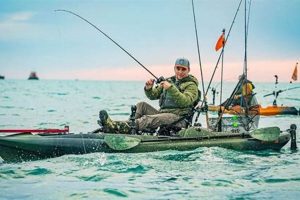
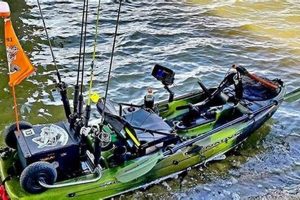
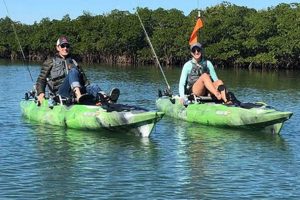
Discounted pricing on paddles designed for fishing kayaks presents an opportunity for anglers to acquire high-quality equipment at reduced costs. This can include paddles constructed from various materials like aluminum, fiberglass, or carbon fiber, and featuring designs specific to kayak fishing, such as drip rings and feathered blades. An example would be a retailer offering a reduced price on a lightweight carbon fiber paddle with an asymmetrical blade shape, ideal for maneuvering a fishing kayak in challenging conditions.
Acquiring appropriate paddling equipment at a lower price point allows anglers to allocate more resources to other essential gear, such as rods, reels, and tackle. Historically, kayak fishing required adaptation of general-purpose paddles, but the development of specialized paddles has greatly enhanced performance and efficiency on the water. Lower prices make these advancements more accessible, improving the overall fishing experience. The ability to propel and control a kayak effectively is paramount for reaching desired fishing spots and maintaining stability while casting or reeling.
This discussion will further explore various aspects of selecting and utilizing paddles optimized for fishing kayaks, encompassing topics such as blade design, shaft materials, length adjustment, and proper paddling techniques for enhanced on-the-water performance.
Tips for Acquiring Discounted Kayak Fishing Paddles
Obtaining suitable paddles for kayak fishing without excessive expenditure requires careful consideration of several factors.
Tip 1: Research Specific Paddle Features: Understand the advantages of different blade shapes, shaft materials, and lengths to determine which features best suit individual needs and paddling styles.
Tip 2: Compare Prices Across Multiple Retailers: Online marketplaces, specialty kayak stores, and even general sporting goods retailers may offer discounted paddles. Diligent comparison shopping can reveal significant price differences.
Tip 3: Consider Off-Season Purchases: Retailers often reduce prices on seasonal items like kayak paddles during the off-season. Purchasing during these periods can yield substantial savings.
Tip 4: Inspect Paddles for Defects: Even discounted paddles should be free from damage. Carefully examine any potential purchases for cracks, warping, or other flaws before committing to a purchase.
Tip 5: Evaluate Warranty Coverage: Reduced pricing sometimes comes with limitations on warranty coverage. Understanding the terms of any warranty is essential before making a final decision.
Tip 6: Factor in Shipping Costs: When purchasing online, factor in shipping costs, as these can sometimes negate the savings gained from a discounted price. Look for retailers offering free or reduced shipping.
Tip 7: Read Reviews from Other Kayakers: User reviews can provide valuable insights into the performance and durability of specific paddle models, aiding in informed decision-making.
By following these tips, anglers can acquire high-quality paddles for their fishing kayaks without straining their budgets, enabling greater enjoyment and success on the water.
These considerations will allow for a more informed purchase, optimizing value and performance for enhanced fishing experiences.
1. Discounted Prices

Discounted prices serve as the central driver behind the concept of “fishing kayak paddle clearance.” Clearance events are specifically designed to move inventory, often due to overstock, discontinued models, or seasonal changes. The reduced pricing structure attracts budget-conscious consumers, enabling acquisition of equipment that might otherwise be financially inaccessible. This price reduction can significantly impact purchasing decisions, allowing individuals to allocate funds towards other essential fishing gear or simply enjoy cost savings. For example, a high-performance carbon fiber paddle, typically priced at a premium, becomes considerably more appealing when offered at a discounted rate during a clearance sale. This affordability expands market access to advanced equipment, enhancing the overall fishing experience for a wider range of anglers.
The availability of discounted paddles allows anglers to prioritize specific features without exceeding budgetary constraints. An angler might choose a lighter, more efficient paddle design at a reduced price, improving paddling performance and reducing fatigue on the water. Conversely, price reductions can also introduce consumers to new technologies or materials they might not have previously considered. A discounted fiberglass paddle, for instance, could offer a compelling balance of performance and affordability compared to a standard aluminum paddle. This exposure to different paddle options fosters innovation and expands consumer understanding of available equipment choices.
Understanding the relationship between discounted prices and clearance sales empowers consumers to make informed decisions and maximize value. While price remains a significant factor, evaluating the overall quality, features, and warranty coverage of discounted paddles remains crucial. A significantly reduced price on a paddle with limited durability or functionality ultimately offers less value in the long run. Careful consideration of these factors ensures that cost savings do not compromise performance or longevity, ultimately maximizing the benefits associated with acquiring discounted fishing kayak paddles.
2. Paddle Materials

Paddle material significantly influences performance and cost, becoming a critical factor during clearance sales. Understanding the properties of various paddle materials allows for informed decisions when evaluating discounted fishing kayak paddles. The material directly impacts weight, durability, and overall paddling efficiency, influencing the long-term value of the purchase.
- Aluminum
Aluminum paddles represent an entry-level option, often found at lower price points, especially during clearances. While durable and resistant to breakage, aluminum is heavier than other materials, potentially leading to fatigue during longer paddling sessions. This added weight can also affect maneuverability in challenging conditions.
- Fiberglass
Fiberglass offers a balance between performance and affordability. Lighter than aluminum and offering improved flex and responsiveness, fiberglass paddles deliver enhanced paddling efficiency. Clearance sales often present opportunities to acquire fiberglass paddles at prices comparable to aluminum, representing excellent value for budget-conscious anglers.
- Carbon Fiber
Carbon fiber represents the premium material for kayak paddles, known for its lightweight construction and exceptional performance characteristics. While typically more expensive, clearance events can make carbon fiber paddles more accessible. The reduced weight translates to less fatigue and greater efficiency, particularly beneficial during long fishing trips or challenging paddling conditions.
- Plastic/Composite Blends
Plastic or composite blends offer a durable and cost-effective option often used in recreational paddles. While generally heavier and less efficient than fiberglass or carbon fiber, these materials provide adequate performance for casual kayak fishing. Discounted prices during clearance sales further enhance the value proposition of these entry-level paddles.
Selecting the right paddle material involves balancing performance needs with budget constraints. Clearance sales provide a valuable opportunity to acquire higher-quality materials, such as fiberglass or carbon fiber, at reduced prices. By understanding the characteristics of each material, anglers can make informed choices that align with their fishing style and budget, maximizing the benefits of discounted pricing.
3. Blade design

Blade design significantly influences paddling efficiency and performance, becoming a crucial consideration when evaluating fishing kayak paddles, especially during clearance sales. Different blade shapes offer varying characteristics, impacting speed, maneuverability, and overall paddling experience. Understanding these nuances empowers informed decisions, maximizing the value of discounted paddles.
Asymmetrical blades, with one side longer or curved differently than the other, are designed to reduce flutter and provide smoother, more powerful strokes. This design is particularly beneficial for kayak angling, where efficient and stable paddling is essential for maintaining position and boat control while fishing. Finding an asymmetrical blade design at a discounted price during a clearance sale offers a considerable advantage, enhancing performance without excessive expenditure. Conversely, symmetrical blades, with both sides mirroring each other, offer predictable and balanced strokes, often preferred for recreational paddling. While potentially less efficient than asymmetrical designs, symmetrical blades can be a suitable and cost-effective choice for casual kayak fishing, especially when found at clearance prices.
Blade size also plays a crucial role. Larger blades provide more power per stroke, ideal for covering longer distances or paddling against currents. Smaller blades offer greater control and maneuverability, advantageous in tight spaces or when precise boat positioning is required for fishing. Clearance sales often include paddles with varied blade sizes, enabling anglers to select the optimal design based on individual needs and fishing styles. The availability of discounted paddles allows experimentation with different blade designs, optimizing performance and enhancing the overall fishing experience. Ultimately, understanding the relationship between blade design and intended use allows for informed decisions during clearance events, maximizing the value and performance benefits associated with discounted fishing kayak paddles.
4. Shaft Length

Shaft length significantly impacts paddling comfort and efficiency, making it a critical consideration when selecting a fishing kayak paddle, particularly during clearance sales. An appropriately sized shaft prevents strain and maximizes power transfer, contributing to a more enjoyable and productive fishing experience. Understanding the relationship between shaft length, kayak width, and paddling style is crucial for optimizing performance and leveraging the value offered by discounted paddles.
- Kayak Width
Kayak width directly influences the required paddle length. Wider kayaks necessitate longer shafts to achieve proper paddling mechanics and avoid excessive leaning. During clearance sales, ensuring compatibility between discounted paddle length and kayak width is essential for maximizing performance. For example, a wider, sit-on-top fishing kayak designed for stability will typically require a longer paddle shaft than a narrower, more agile kayak.
- Paddler Height
Paddler height also plays a significant role in determining appropriate shaft length. Taller individuals generally benefit from longer shafts to achieve a comfortable and efficient paddling posture. Conversely, shorter paddlers require shorter shafts to avoid overreaching and maintain proper stroke mechanics. Clearance sales often present a variety of shaft lengths, allowing paddlers of different heights to find suitable options at discounted prices.
- Paddling Style
Paddling style further influences optimal shaft length. High-angle paddlers, who hold the paddle higher and utilize a more vertical stroke, often prefer shorter shafts for increased cadence and maneuverability. Low-angle paddlers, employing a more horizontal stroke closer to the water’s surface, may benefit from longer shafts for increased reach and power. Considering individual paddling style during clearance sales ensures selection of a discounted paddle that complements technique and maximizes efficiency.
- Adjustable Shafts
Adjustable shafts offer versatility, accommodating different kayak widths, paddler heights, and paddling styles. These paddles allow for fine-tuning length, optimizing performance in various conditions. While often more expensive, adjustable shafts can represent excellent value during clearance sales, providing adaptability and customization at a reduced price. This flexibility makes them a worthwhile investment for anglers who frequently switch between kayaks or paddling styles.
Selecting the correct shaft length enhances paddling efficiency, reduces fatigue, and improves overall comfort on the water. During clearance sales, understanding these factors allows for informed decisions, maximizing the performance benefits and value associated with discounted fishing kayak paddles. Careful consideration of kayak width, paddler height, and paddling style ensures a proper fit, enhancing the enjoyment and success of fishing expeditions.
5. Retailer Reliability
Retailer reliability plays a crucial role in the context of discounted fishing kayak paddles. A reliable retailer provides assurance regarding product authenticity, warranty validity, and customer service responsiveness. Purchasing discounted paddles from an unreliable source can lead to several potential issues, including counterfeit products, invalid warranties, and difficulty resolving issues such as returns or exchanges. For example, purchasing a supposedly discounted, high-end carbon fiber paddle from an unauthorized reseller could result in receiving a counterfeit product made of inferior materials, ultimately compromising performance and potentially posing a safety risk. A reputable retailer, conversely, provides confidence in the product’s authenticity and backs the manufacturer’s warranty, ensuring recourse in case of defects or other issues.
Furthermore, reliable retailers often offer valuable services beyond the point of sale, such as expert advice, paddle fitting assistance, and access to repair or maintenance services. These services enhance the overall ownership experience and contribute to the long-term value of the purchase. For example, a reputable retailer might offer guidance on selecting the appropriate paddle length and blade design for a specific kayak and paddling style, ensuring optimal performance and comfort on the water. Unreliable retailers, however, often prioritize quick sales over customer service, leaving purchasers with limited support and potentially costly issues down the line. This lack of support can negate any initial cost savings associated with discounted pricing, highlighting the long-term financial benefits of choosing a reliable retailer.
In summary, retailer reliability is a critical factor when considering discounted fishing kayak paddles. While price reductions offer attractive incentives, purchasing from unreliable sources can lead to significant risks, including counterfeit products, invalid warranties, and poor customer service. Prioritizing retailer reliability ensures a positive buying experience, protects against potential issues, and ultimately maximizes the value and enjoyment derived from discounted fishing equipment. This careful consideration contributes to a more satisfying and successful long-term outcome, outweighing any perceived short-term gains from unreliable vendors.
6. Warranty Coverage

Warranty coverage plays a vital role when considering discounted fishing kayak paddles, especially during clearance events. Reduced pricing can sometimes correlate with limitations in warranty coverage, impacting long-term value and protection against potential defects. Evaluating warranty terms is essential for informed decision-making and mitigating potential risks associated with discounted purchases.
- Manufacturer’s Warranty vs. Retailer’s Warranty
Clearance sales often involve a mix of manufacturer-backed and retailer-specific warranties. Manufacturer warranties typically offer broader coverage and longer durations, providing greater protection against manufacturing defects. Retailer warranties, while potentially more limited, can still offer valuable protection, particularly for issues arising after the point of sale. Understanding the source and scope of the warranty is crucial for informed purchasing decisions.
- Coverage Duration
Warranty duration varies significantly, ranging from a few months to several years. Longer warranty periods provide greater peace of mind, protecting against potential defects that may not manifest immediately. During clearance sales, evaluating the warranty duration in conjunction with the discounted price helps assess overall value and long-term cost-effectiveness. A shorter warranty period on a heavily discounted paddle might be acceptable for occasional recreational use, while a longer warranty offers greater protection for frequent or demanding usage.
- Coverage Scope
Warranty coverage scope defines the specific defects or damages covered under the warranty. Some warranties cover only manufacturing defects, while others may extend to accidental damage or normal wear and tear. Understanding the scope of coverage is crucial for assessing the warranty’s practical value. For example, a warranty covering only manufacturing defects might not provide protection against damage caused by improper storage or accidental impact. Evaluating the scope of coverage in relation to intended use helps determine the suitability of a discounted paddle.
- Warranty Exclusions
Warranty exclusions outline specific conditions or circumstances that void or limit warranty coverage. Common exclusions include commercial use, improper maintenance, or modifications to the product. Carefully reviewing warranty exclusions prevents unexpected costs and ensures realistic expectations regarding coverage limitations. For instance, a warranty might be voided if the paddle is used for commercial kayak rentals or if it has been modified with aftermarket components. Understanding these exclusions avoids potential disputes and ensures appropriate usage within the warranty’s parameters.
Careful evaluation of warranty coverage ensures that discounted pricing does not compromise long-term value and protection. Balancing cost savings with the scope and duration of warranty coverage optimizes the benefits of clearance sales while mitigating potential risks associated with discounted fishing kayak paddles. A comprehensive understanding of warranty terms empowers informed decisions, contributing to a more satisfying and cost-effective purchasing experience.
7. Shipping Costs
Shipping costs represent a critical factor influencing the overall value proposition of discounted fishing kayak paddles. While clearance sales offer attractive price reductions, shipping expenses can significantly impact final cost, potentially negating the initial savings. Careful consideration of shipping costs is essential for maximizing the benefits of discounted pricing and ensuring a cost-effective purchase.
- Dimensional Weight
Shipping costs for kayak paddles are often calculated based on dimensional weight, a formula considering both weight and volume. Due to their length, paddles can incur higher shipping charges despite being relatively lightweight. Understanding how dimensional weight calculations impact shipping costs is crucial for accurately assessing the total expense. For example, a lightweight carbon fiber paddle might incur higher shipping costs than a heavier aluminum paddle due to its greater length and resulting dimensional weight.
- Shipping Distance
Shipping distance directly correlates with cost. Paddles shipped from distant locations accrue higher transportation expenses. Comparing shipping costs from various retailers, considering their proximity, helps minimize overall expenditure. Purchasing a discounted paddle from a retailer located across the country might negate any cost savings due to elevated shipping fees.
- Shipping Speed
Expedited shipping options, while convenient, come at a premium cost. Balancing the need for timely delivery with budgetary constraints requires careful evaluation of available shipping methods. Opting for standard shipping, while potentially slower, can significantly reduce overall expenses, particularly for less time-sensitive purchases.
- Free Shipping Offers
Many retailers offer free shipping promotions, either unconditionally or with minimum purchase requirements. Leveraging free shipping offers can significantly enhance the value proposition of discounted paddles, effectively eliminating a substantial portion of the total cost. Strategically timing purchases to coincide with free shipping promotions maximizes cost savings.
Accurately factoring shipping costs into the overall purchase price ensures that discounted fishing kayak paddles genuinely represent a cost-effective acquisition. Overlooking shipping expenses can diminish the perceived value of clearance sales and lead to unexpected budgetary overruns. Careful consideration of dimensional weight, shipping distance, shipping speed, and free shipping offers empowers informed decision-making, maximizing the financial benefits associated with discounted paddles and optimizing the overall purchasing experience.
Frequently Asked Questions
This section addresses common inquiries regarding discounted fishing kayak paddles, providing clarity and facilitating informed purchasing decisions.
Question 1: Are discounted paddles typically lower quality?
Not necessarily. Discounted pricing can reflect overstock, discontinued models, or seasonal sales rather than inherent quality issues. Reputable retailers offer discounts on high-quality paddles, providing opportunities for significant value.
Question 2: How can one ensure authenticity when purchasing discounted paddles?
Purchasing from authorized dealers or reputable retailers mitigates the risk of counterfeit products. Verifying retailer credentials and researching product reviews contribute to informed purchasing decisions and ensure authenticity.
Question 3: Do discounted paddles come with warranties?
Warranty coverage varies depending on the retailer and manufacturer. While some discounted paddles retain full manufacturer warranties, others might have limited coverage. Thoroughly reviewing warranty terms before purchase is essential.
Question 4: What factors should be considered when choosing a discounted paddle length?
Kayak width, paddler height, and paddling style influence optimal paddle length. Longer kayaks and taller paddlers typically require longer shafts. High-angle paddlers often prefer shorter shafts compared to low-angle paddlers.
Question 5: Are discounted carbon fiber paddles a worthwhile investment?
Discounted carbon fiber paddles offer significant performance advantages due to their lightweight construction. If budget permits, a discounted carbon fiber paddle represents a valuable investment, enhancing efficiency and reducing fatigue on the water. However, material selection should align with individual paddling needs and budget constraints.
Question 6: How can one identify reputable retailers offering discounted paddles?
Researching retailer reviews, verifying authorized dealer status, and seeking recommendations from experienced kayakers helps identify trustworthy sources. Prioritizing established retailers with positive customer feedback mitigates potential risks associated with discounted purchases.
Careful consideration of these frequently asked questions empowers informed decisions, maximizing the benefits and minimizing potential risks associated with acquiring discounted fishing kayak paddles. Prioritizing reputable retailers and thoroughly evaluating product specifications and warranty coverage ensures a satisfying and cost-effective purchase.
For further guidance, consult expert resources or contact reputable retailers specializing in kayak fishing equipment.
Conclusion
Acquiring discounted fishing kayak paddles presents opportunities for anglers to optimize equipment budgets without compromising performance. Careful evaluation of materials, blade design, shaft length, retailer reliability, warranty coverage, and shipping costs ensures informed purchasing decisions. Balancing cost savings with performance requirements maximizes the value proposition associated with clearance sales. Understanding the nuances of discounted pricing empowers anglers to make strategic acquisitions that enhance on-the-water experiences.
Strategic acquisition of discounted paddles allows anglers to allocate resources effectively, enhancing overall fishing preparedness. The pursuit of cost-effective equipment should complement, not compromise, the pursuit of angling excellence. Informed decision-making ensures that discounted purchases contribute positively to long-term fishing enjoyment and success. Continuous exploration of available options and diligent evaluation of product specifications remain essential for maximizing value and optimizing performance on the water.