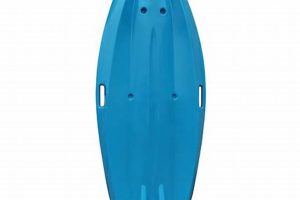
This extreme sport involves angling for large cartilaginous fish from a small, human-powered vessel. It requires specialized equipment and techniques distinct from other saltwater fishing methods, often targeting species such as mako, thresher, and bull sharks in their natural offshore habitats. A typical setup might include heavy-duty rods, reels, and lines, along with specific terminal tackle designed to withstand the power and abrasive skin of these apex predators.
The pursuit offers a uniquely intimate and thrilling wildlife encounter, providing anglers with an adrenaline-pumping challenge and a deeper appreciation for the ocean’s top predators. Historically, small boats have been used for fishing, but the recent surge in popularity of this particular activity stems from advancements in kayak design and angling technology. This accessibility has broadened the appeal, drawing experienced anglers seeking new thrills and contributing to scientific data collection through tagging and release programs.
The following sections will delve into crucial aspects of this activity, including safety protocols, essential gear, ethical considerations, popular destinations, and the conservation implications of this increasingly popular pursuit.
Tips for Safe and Successful Offshore Angling
Preparation and adherence to best practices are crucial for a safe and rewarding experience when targeting large pelagic fish from a kayak. These tips offer guidance for anglers venturing offshore.
Tip 1: Prioritize Safety Equipment: Always wear a personal flotation device and carry essential safety gear, including a VHF radio, signaling devices (flares, mirror), and a first-aid kit. A reliable leash connecting the angler to the kayak is also essential.
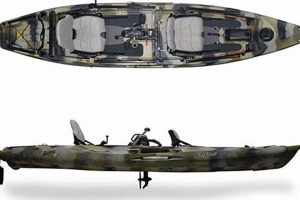
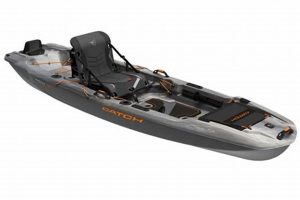
Tip 2: Choose the Right Kayak: Opt for a stable, sit-on-top kayak designed for offshore conditions. Consider factors like length, width, and weight capacity to ensure suitable performance in open water.
Tip 3: Understand Local Regulations: Familiarize oneself with all applicable fishing regulations, including licensing requirements, size and bag limits, and permitted fishing methods for the target species.
Tip 4: Check Weather Conditions: Thoroughly assess marine forecasts before embarking on any trip. Avoid venturing out in unfavorable conditions, such as strong winds, high seas, or approaching storms.
Tip 5: Employ Proper Fishing Techniques: Utilize appropriate tackle and techniques designed for large, powerful fish. This includes using heavy-duty rods, reels, and lines, as well as employing proven fighting strategies to minimize stress on both the angler and the fish.
Tip 6: Practice Catch and Release: Whenever possible, practice catch-and-release techniques to ensure the long-term sustainability of these apex predators. Use appropriate circle hooks and dehooking tools to minimize injury to the fish.
Tip 7: Be Aware of Surroundings: Maintain constant vigilance and awareness of the surrounding environment, including other vessels, marine life, and changing weather conditions. Be prepared to react quickly to unexpected situations.
Tip 8: Inform Someone of Your Plans: Always inform a responsible person on shore of your intended fishing location, planned return time, and emergency contact information.
Adhering to these guidelines enhances angler safety and promotes responsible angling practices. A well-planned and executed trip offers a thrilling and rewarding experience while minimizing risks and ensuring the conservation of these magnificent creatures.
The following section will discuss specific gear recommendations for anglers seeking to engage in this challenging and exhilarating pursuit.
1. Specialized Tackle

Specialized tackle plays a crucial role in successful and safe shark kayak fishing. The powerful nature of these fish necessitates robust equipment capable of withstanding intense runs and fights. Heavy-duty rods, typically constructed from durable materials like fiberglass or composite, provide the necessary backbone to handle the strain. High-capacity reels, often featuring robust drag systems and corrosion-resistant components, are essential for managing long lines and powerful fish. Specialized fishing line, such as braided line with high tensile strength, offers increased sensitivity and durability compared to standard monofilament. Furthermore, purpose-built leaders, often incorporating wire or heavy monofilament, are crucial to prevent line breakage from abrasive shark skin and sharp teeth. For example, when targeting large species like Mako sharks, anglers often employ 80-130 lb test line combined with wire leaders up to 400 lb test. This specialized setup allows anglers to exert sufficient pressure while minimizing the risk of equipment failure.
The selection of terminal tackle also significantly impacts success. Circle hooks are widely preferred for their tendency to hook in the corner of the shark’s jaw, facilitating easier release and minimizing injury. Heavy-duty swivels and crimps are necessary to secure the leader and hook, ensuring the integrity of the rig under pressure. The use of specialized baits, such as large live or dead fish rigged with appropriate weights and floats, plays a key role in attracting target species. Furthermore, the use of chum or attractants can enhance the likelihood of encountering sharks, but requires careful consideration of local regulations and potential environmental impacts. For instance, using large, oily fish like bonita or mackerel as bait, presented on a wire leader with two 8/0 circle hooks, provides a robust and effective setup for larger sharks. This rig offers a balance of attracting the target species while ensuring the angler has the necessary tools to safely manage the catch.
Appropriate tackle selection directly influences the success and safety of shark kayak fishing. Utilizing robust equipment designed to withstand the rigors of this extreme sport enables anglers to effectively target these powerful predators while minimizing risks. Understanding the function and application of each component, from rod and reel selection to leader and hook configurations, contributes to a more controlled and rewarding angling experience. It also facilitates ethical catch and release practices, crucial for the conservation of these apex predators. Neglecting the importance of specialized tackle can lead to equipment failure, lost fish, and potentially dangerous situations. Therefore, careful consideration of tackle selection is paramount for responsible and successful shark kayak fishing.
2. Offshore Kayak Selection

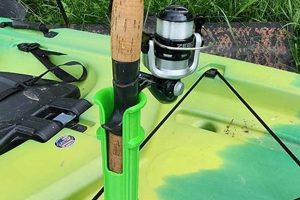
Offshore kayak selection is paramount for safe and successful shark kayak fishing. The kayak acts as the angler’s primary platform and must provide stability, durability, and suitable features for this demanding activity. Stability is crucial when battling powerful fish, as sudden movements or unexpected shifts in weight can lead to capsizing. A wide, stable hull design minimizes these risks, offering a secure platform even during intense fights. Durability is also essential, as the kayak must withstand the rigors of offshore conditions, including waves, currents, and potential contact with the target species. Construction from robust materials, such as high-density polyethylene or composites, enhances durability and longevity. For instance, a longer, wider kayak with a sit-on-top design and multiple scupper holes for drainage offers enhanced stability and seaworthiness compared to a shorter, narrower recreational kayak, reducing the risk of capsize during a shark encounter. Features such as rod holders, tackle storage compartments, and anchor trolleys further enhance functionality and efficiency. An example would be a kayak equipped with recessed rod holders that secure rods while trolling or drifting, minimizing the risk of entanglement or loss during a strike.
Furthermore, the kayak’s size and weight capacity directly influence its suitability for shark kayak fishing. A kayak with sufficient capacity to accommodate the angler, fishing gear, and potential catch is crucial. Larger kayaks generally offer greater stability and storage space but may sacrifice maneuverability. Conversely, smaller kayaks offer increased agility but may be less stable and have limited storage. Striking a balance between these factors depends on the target species and the angler’s experience level. An angler targeting larger species like tiger sharks might opt for a 14-foot kayak with a 500-pound weight capacity to accommodate the necessary tackle and potential catch, while an angler targeting smaller species like blacktip sharks might choose a 12-foot kayak with a 350-pound capacity for increased maneuverability in shallower waters. The kayak’s propulsion system also plays a role. Pedal-driven kayaks offer hands-free operation, allowing anglers to focus on fishing, while paddle kayaks require more physical exertion but offer greater versatility in shallow water or tight spaces.
In conclusion, careful consideration of kayak selection significantly impacts the safety and success of shark kayak fishing. Prioritizing stability, durability, and suitable features enhances the angling experience while minimizing risks. Choosing a kayak appropriate for the target species, the angler’s skill level, and the prevailing conditions ensures a safe and rewarding experience. Failure to select an appropriate offshore kayak can compromise safety, limit fishing effectiveness, and detract from the overall enjoyment of this demanding but exhilarating pursuit.
3. Safety Protocols

Safety protocols are paramount in shark kayak fishing, forming the bedrock of a responsible and successful experience. This activity inherently presents unique risks due to the offshore environment and the powerful nature of the target species. Neglecting established safety procedures significantly elevates the potential for accidents, injuries, or even fatalities. A comprehensive understanding and meticulous implementation of these protocols are crucial for mitigating inherent risks. One fundamental protocol involves wearing a personal flotation device (PFD) at all times. In the event of a capsize, a PFD provides essential buoyancy, significantly increasing the chances of survival, particularly in challenging offshore conditions. A real-world example highlighting the importance of PFDs involves an angler who capsized after hooking a large shark. Despite the challenging situation, the PFD kept the angler afloat until rescue arrived, preventing a potentially fatal outcome. Carrying essential safety equipment, such as a VHF radio, signaling devices (flares, mirror), and a first-aid kit, further enhances preparedness. A VHF radio enables communication with other vessels or shore-based support in case of emergencies, while signaling devices aid in attracting attention if assistance is required. A first-aid kit allows for immediate treatment of minor injuries, potentially preventing complications. For example, an angler experiencing a hook injury can utilize the first-aid kit to clean and dress the wound, minimizing the risk of infection.
Further emphasizing safety, checking weather forecasts before embarking on any trip is non-negotiable. Venturing out in unfavorable conditions, such as strong winds, high seas, or approaching storms, dramatically increases the risk of capsize or other hazardous situations. Staying informed about current and predicted weather patterns allows anglers to make informed decisions about whether to proceed with a trip, minimizing exposure to potentially dangerous conditions. In a practical scenario, an angler checking the forecast might postpone a trip due to an approaching storm, avoiding potentially life-threatening conditions. Similarly, understanding and respecting the behavior of the target species enhances safety. Sharks are powerful predators and require careful handling to minimize the risk of injury to both the angler and the fish. Employing appropriate fishing techniques and using specialized equipment, like circle hooks and heavy-duty leaders, contributes to safer interactions. For instance, using a circle hook increases the likelihood of hooking the shark in the jaw, facilitating easier release and minimizing the risk of deep hooking. Furthermore, informing someone on shore of the intended fishing location, planned return time, and emergency contact information provides an additional layer of security. This ensures that someone is aware of the angler’s whereabouts and can initiate a search and rescue operation if the angler fails to return as planned. A specific example illustrates this point: an angler who informed a friend of their fishing plans was successfully rescued after their kayak capsized miles offshore, as the friend alerted authorities when the angler didn’t return at the designated time.
In summary, meticulous adherence to established safety protocols is paramount in shark kayak fishing. These protocols, encompassing everything from wearing a PFD to checking weather forecasts and understanding shark behavior, are not mere suggestions but essential practices that significantly mitigate the inherent risks of this extreme sport. Practical applications and real-world examples underscore the life-saving potential of these protocols, highlighting the importance of prioritizing safety in every aspect of shark kayak fishing. By consistently applying these safety measures, anglers can enhance their chances of a safe and rewarding experience while minimizing the potential for negative outcomes. This commitment to safety also fosters a more responsible approach to the sport, demonstrating respect for the marine environment and the powerful creatures that inhabit it.
4. Target Species Knowledge

Comprehensive knowledge of target species is fundamental to successful and responsible shark kayak fishing. Understanding species-specific behaviors, habitat preferences, and feeding patterns significantly enhances angling effectiveness while promoting conservation. This knowledge informs appropriate tackle selection, bait choices, and fishing strategies, maximizing the chances of a successful encounter while minimizing stress on the target species.
- Species Identification:
Accurate species identification is crucial for complying with regulations and practicing selective fishing. Distinct physical characteristics, such as fin shape, body markings, and tooth structure, differentiate various shark species. For example, the distinctive crescent-shaped tail of a thresher shark distinguishes it from the more robust build of a bull shark. Correctly identifying the species allows anglers to determine if the target species is legal to catch, adheres to size restrictions, and aligns with conservation guidelines.
- Habitat Preferences:
Understanding habitat preferences informs strategic location selection. Certain species, like blacktip sharks, frequent nearshore coastal areas and shallow reefs, while others, like mako sharks, prefer open ocean environments. Knowing these preferences enables anglers to target specific areas with higher probabilities of encountering the desired species. For instance, targeting sandbars or drop-offs known to attract specific species maximizes fishing efficiency. This targeted approach minimizes bycatch and reduces disturbance to non-target species.
- Feeding Patterns:
Knowledge of feeding patterns influences bait selection and fishing techniques. Some sharks are primarily fish eaters, while others prefer crustaceans or mollusks. Understanding dietary preferences allows anglers to select appropriate baits and present them effectively. For example, using live baitfish might prove more successful when targeting species like bull sharks, while using squid or crustaceans could be more effective for species like bonnethead sharks. Tailoring bait choices to the target species’ diet increases the likelihood of attracting and hooking the desired species.
- Behavioral Traits:
Awareness of behavioral traits contributes to safer and more effective fishing practices. Understanding how different species react to stimuli, like boat presence or bait presentation, informs angler behavior and minimizes potential risks. For example, some species, like tiger sharks, are known for their inquisitive nature, while others, like hammerhead sharks, might be more cautious. This knowledge guides anglers in adjusting their approach, minimizing potential disturbance and maximizing safety. It also allows for better anticipation of fish behavior during the fight, reducing the risk of line breakage or equipment failure.
In conclusion, comprehensive target species knowledge is essential for responsible and successful shark kayak fishing. It equips anglers with the tools to make informed decisions regarding location selection, tackle configuration, and bait presentation, ultimately maximizing their chances of success. Furthermore, this knowledge promotes conservation by enabling selective fishing practices, minimizing bycatch, and reducing the overall impact on the marine ecosystem. By understanding the nuances of each target species, anglers contribute to a more sustainable and rewarding fishing experience, fostering a deeper appreciation for these magnificent creatures and the delicate balance of the ocean environment.
5. Ethical Catch and Release

Ethical catch and release is paramount in shark kayak fishing, ensuring the long-term health and sustainability of shark populations. This practice minimizes stress and injury to the captured animal, allowing for its safe return to the ocean environment. Within the context of kayak fishing, it presents unique challenges and considerations due to the close proximity of the angler to the shark and the limitations of the kayak platform.
- Minimizing Fight Time:
Minimizing fight time is crucial for reducing stress and exhaustion in the captured shark. Prolonged fights deplete the shark’s energy reserves, increasing the risk of post-release mortality. Employing appropriate tackle, such as heavy-duty rods and reels, allows for quicker and more controlled fights, reducing the duration of the struggle. For example, using a heavier drag setting can expedite the capture process while maintaining line integrity, minimizing the overall stress on the shark. This efficient approach reduces the likelihood of lactic acid buildup and physiological stress, promoting post-release survival.
- Proper Hook Removal:
Proper hook removal is essential for minimizing injury and promoting healing. Utilizing specialized dehooking tools, such as long-handled pliers or hook removers, allows for safe and efficient hook extraction. Whenever possible, removing the hook without removing the shark from the water reduces stress and handling time. For instance, if the hook is lodged in the jaw, using long-nosed pliers to carefully back the hook out minimizes tissue damage and bleeding. In cases where the hook is deeply embedded or inaccessible, cutting the leader close to the hook is often the best course of action, allowing the hook to eventually dislodge or corrode over time.
- Supporting the Shark During Release:
Supporting the shark during release is critical, especially for larger species. Maintaining gentle control of the shark while it recovers allows water to flow over its gills, facilitating oxygen uptake and minimizing stress. Supporting the shark alongside the kayak until it displays signs of recovery, such as strong tail movements, increases the chances of a successful release. For example, holding a larger shark upright in the water alongside the kayak for a brief period allows it to regain equilibrium and strength before swimming away, minimizing disorientation and promoting a successful return to its natural environment.
- Avoiding Unnecessary Handling:
Avoiding unnecessary handling is paramount for minimizing stress and potential injury. Whenever possible, minimizing contact with the shark, such as refraining from lifting it onto the kayak or touching sensitive areas like the gills or eyes, reduces the risk of damage. If removing the hook requires briefly bringing the shark onto the kayak, using a wet towel or specialized handling gloves can minimize abrasion and damage to the shark’s skin. Prioritizing a quick and efficient release process minimizes handling time and reduces the overall stress on the animal. This respectful approach recognizes the vulnerability of the captured shark and minimizes potential harm, promoting post-release survival and minimizing long-term impacts.
These ethical considerations, adapted to the specific environment of shark kayak fishing, are crucial for conserving shark populations and maintaining the health of the marine ecosystem. The close-quarters nature of kayak fishing necessitates a heightened awareness of these principles, ensuring that each encounter minimizes impact and prioritizes the well-being of these apex predators. By adhering to these practices, anglers contribute to the sustainability of the sport and foster a deeper appreciation for the remarkable animals they pursue.
6. Oceanographic Awareness
Oceanographic awareness is integral to safe and successful shark kayak fishing. Understanding the dynamic marine environment, including currents, tides, water temperature, and weather patterns, significantly influences strategic planning and risk mitigation. This knowledge allows anglers to optimize fishing locations, anticipate changing conditions, and enhance overall safety.
- Currents:
Currents play a crucial role in shark behavior and distribution. They transport nutrients, prey species, and influence water temperature, directly impacting shark feeding patterns and habitat preferences. Understanding current flow allows anglers to position themselves strategically, intercepting migrating sharks or targeting areas where currents concentrate prey. For instance, fishing near upwellings, where nutrient-rich waters rise to the surface, often increases the likelihood of encountering feeding sharks. Conversely, strong currents can pose navigational challenges for kayakers, requiring careful planning and consideration of drift patterns. Ignoring current strength and direction can lead to being swept off course, especially in offshore environments.
- Tides:
Tidal fluctuations influence water depth, current strength, and access to shallow-water habitats. Understanding tidal cycles allows anglers to target specific areas at optimal times, maximizing their chances of encountering sharks. For example, fishing during a rising tide might provide access to shallow flats or inlets where sharks hunt prey, while falling tides can concentrate fish in channels or deeper areas. Tidal changes can also significantly impact launching and landing kayaks, requiring careful consideration of tidal heights and currents. Launching during an ebbing tide can strand a kayak in shallow water, highlighting the importance of tide awareness.
- Water Temperature:
Water temperature directly influences shark metabolism and behavior. Different species have specific temperature preferences, and understanding these preferences informs location selection. For instance, targeting warmer waters during cooler months or seeking out cooler, deeper areas during summer can increase the probability of encountering specific species. Changes in water temperature can also signal shifts in prey distribution, providing further insights into optimal fishing locations. An angler aware of a sudden drop in water temperature might anticipate a shift in shark behavior, prompting a change in fishing strategy.
- Weather Patterns:
Weather patterns play a critical role in angler safety and fishing conditions. Wind strength and direction impact wave height and kayaking stability, requiring careful consideration before embarking on a trip. Approaching storms or sudden changes in weather can create hazardous conditions, necessitating immediate return to shore. Monitoring weather forecasts and understanding local weather patterns is crucial for minimizing risks. An angler observing darkening skies and increasing wind speeds might decide to curtail a fishing trip, prioritizing safety over continued fishing. Similarly, understanding the influence of barometric pressure on fish behavior can further refine fishing strategies, maximizing the chances of a successful encounter.
In summary, oceanographic awareness is not merely a supplementary skill but a fundamental requirement for safe and successful shark kayak fishing. A thorough understanding of these dynamic environmental factors empowers anglers to make informed decisions, optimize fishing strategies, and prioritize safety. This knowledge enhances the overall experience, promoting responsible angling practices and fostering a deeper appreciation for the complex interplay of factors that shape the marine environment.
7. Legal Compliance
Legal compliance forms a critical cornerstone of responsible shark kayak fishing. Regulations governing this activity vary significantly by jurisdiction and often address species-specific protections, size limits, permitted fishing gear, and licensing requirements. Adhering to these regulations ensures the sustainability of shark populations, minimizes environmental impact, and avoids legal repercussions. Understanding and complying with these legal frameworks is not merely a formality but a fundamental ethical obligation for all anglers. For instance, regulations might prohibit the harvesting of certain endangered shark species, mandate the use of circle hooks to minimize injury, or impose size limits to protect breeding populations. Ignoring these regulations can lead to fines, confiscation of equipment, and even criminal charges. A practical example involves an angler catching a protected species without the necessary permit. Such an infraction can result in significant penalties, highlighting the importance of legal awareness.
Specific regulations often address gear restrictions, such as prohibiting the use of wire leaders in certain areas to reduce the risk of entanglement or injury to non-target species. Licensing requirements ensure that anglers contribute to conservation efforts through permit fees, which often fund research and management programs. Furthermore, compliance with reporting requirements, such as mandatory catch logs for specific species, provides valuable data for scientific monitoring and stock assessments. This data informs management decisions and contributes to a better understanding of shark populations and their ecological roles. Failing to report catches accurately hinders conservation efforts and undermines the collaborative management of these vital marine resources. A practical scenario might involve an angler accidentally catching a protected species and immediately releasing it without reporting the encounter. While the intent might be conservation-minded, failing to report the interaction prevents valuable data from contributing to broader scientific understanding.
In conclusion, legal compliance is inseparable from responsible shark kayak fishing. It provides a framework for sustainable practices, protects vulnerable populations, and ensures the long-term health of the marine ecosystem. Understanding and adhering to these regulations demonstrates a commitment to conservation and ethical angling. Ignoring legal requirements undermines these efforts and jeopardizes the future of this exhilarating sport. Anglers must actively seek out and adhere to all applicable regulations, contributing to a sustainable future for shark populations and the marine environment they inhabit.
Frequently Asked Questions
This section addresses common inquiries regarding the specialized pursuit of angling for sharks from kayaks.
Question 1: What are the primary safety concerns?
Potential capsizing due to shark encounters, equipment malfunctions, or adverse weather conditions presents significant risks. Proper safety equipment, including a personal flotation device (PFD), VHF radio, and signaling devices, are essential. Thorough knowledge of shark behavior and adherence to established safety protocols are crucial for mitigating these risks.
Question 2: What specialized equipment is required?
Heavy-duty rods, reels, and lines designed for large game fish are necessary. Specialized terminal tackle, including wire leaders, heavy-duty swivels, and circle hooks, is essential for withstanding the power and abrasive skin of sharks. A stable and seaworthy kayak designed for offshore conditions is also crucial.
Question 3: What are the ethical considerations?
Conservation and minimizing stress on captured animals are paramount. Practicing catch and release whenever possible, minimizing fight times, and employing proper handling techniques are essential for ensuring the long-term health of shark populations.
Question 4: Are there specific regulations governing this activity?
Regulations vary significantly by location and often include species-specific protections, size limits, gear restrictions, and licensing requirements. Anglers must research and adhere to all applicable local regulations before engaging in this activity.
Question 5: What are the physical demands?
This activity requires significant physical strength and endurance. Paddling in open water, battling strong currents, and handling powerful fish can be physically demanding. Proper physical conditioning and preparation are recommended.
Question 6: How can one learn more about responsible practices?
Consulting local fishing authorities, reputable angling organizations, and experienced shark anglers provides valuable insights into best practices and responsible fishing techniques. Participating in educational workshops or seminars can further enhance knowledge and promote ethical angling.
Prioritizing safety and ethical considerations is paramount in this demanding sport. Thorough preparation, responsible angling practices, and respect for the marine environment contribute to a rewarding and sustainable experience.
The next section will explore popular destinations and highlight unique characteristics of each location.
Conclusion
This exploration of shark kayak fishing has highlighted the multifaceted nature of this extreme sport, emphasizing the confluence of specialized skills, ethical considerations, and inherent risks. From the selection of appropriate tackle and kayaks to the understanding of oceanographic factors and legal compliance, each aspect contributes to a safe and responsible approach. The importance of target species knowledge and adherence to ethical catch-and-release practices underscores a commitment to conservation, ensuring the long-term sustainability of shark populations and the marine environment.
The pursuit offers a unique opportunity to interact with apex predators in their natural habitat, demanding respect, preparedness, and a deep understanding of the delicate balance within the oceanic ecosystem. Continued emphasis on education, responsible angling practices, and scientific research will contribute to the ongoing conservation of these magnificent creatures and the preservation of this thrilling pursuit for future generations. The future of shark kayak fishing hinges on a collective commitment to responsible engagement, ensuring a sustainable coexistence between anglers and the awe-inspiring creatures they seek.