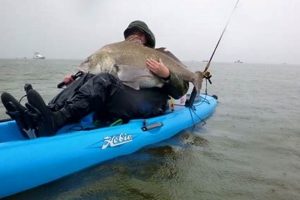
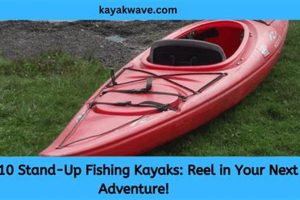
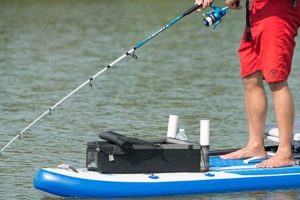
Paddling through the shallow waters of Florida’s Everglades National Park in a small, human-powered vessel offers a unique approach to angling. This method allows close-range interaction with the diverse ecosystem and its inhabitants, targeting species such as snook, redfish, tarpon, and largemouth bass. Anglers utilize specialized fishing kayaks equipped with rod holders, live wells, and other gear designed for stability and functionality in this environment.
This style of angling provides a low-impact way to experience the park’s natural beauty while pursuing sport. It offers opportunities for solitude and connection with nature, away from motorized boat traffic. Historically, small boats and canoes have been utilized for fishing in this region, reflecting a long-standing tradition of human interaction with this unique ecosystem. The contemporary approach utilizes modern kayak designs and fishing techniques for enhanced angling experiences while minimizing environmental impact.
Further exploration will cover topics including necessary equipment and safety precautions, recommended locations within the park, appropriate fishing techniques, licensing and regulations, and responsible angling practices for preserving this delicate ecosystem.
Tips for Kayak Fishing in the Everglades
Careful planning and preparation are essential for a successful and safe fishing excursion in Everglades National Park. These tips offer guidance for anglers venturing into this unique environment.
Tip 1: Obtain Necessary Permits and Licenses. Ensure all required fishing licenses and park permits are acquired before entering the park. Regulations can change, so checking current requirements on the official park website is recommended.
Tip 2: Prioritize Safety Equipment. A personal flotation device (PFD) is mandatory and should be worn at all times. Essential safety gear also includes a whistle, signaling device, first-aid kit, and a fully charged cell phone or satellite communication device.
Tip 3: Plan for Navigation and Weather. Navigation in the Everglades can be challenging. Utilize a GPS device or nautical chart and compass, and be aware of tidal fluctuations and weather forecasts. Sudden storms are common, so having a plan for seeking shelter is critical.
Tip 4: Understand Wildlife Encounters. The Everglades is home to a variety of wildlife, including alligators and venomous snakes. Maintain a safe distance from wildlife and understand appropriate responses to potential encounters.
Tip 5: Respect the Environment. Practice Leave No Trace principles by packing out all trash and avoiding disturbing vegetation or wildlife habitats. Proper disposal of fishing line is crucial to prevent entanglement of birds and other animals.
Tip 6: Hire a Guide for Enhanced Experience. Consider hiring a local fishing guide, especially for first-time visitors. Guides possess in-depth knowledge of the area, fishing techniques, and local regulations, leading to a safer and potentially more productive experience.
Tip 7: Choose Appropriate Gear. Select a kayak designed for stability in shallow water and equipped for fishing. Rods, reels, and tackle should be chosen based on target species and fishing conditions.
Adhering to these guidelines promotes a safe, enjoyable, and environmentally responsible experience, maximizing opportunities for a memorable fishing trip while preserving the natural integrity of this unique ecosystem.
Following these preparatory steps allows anglers to focus on the experience itself and contributes to the overall enjoyment and success of a fishing expedition in Everglades National Park.

Shallow water navigation is intrinsically linked to the experience of kayak fishing in the Everglades. The park’s defining characteristic, its shallow, expansive waterways, necessitates specialized navigational skills and considerations. Effective maneuvering in these environments requires understanding of water depth, currents, and potential obstacles such as submerged vegetation or shallow mudflats. Kayak anglers must be adept at paddling techniques suited for shallow drafts, including modified strokes and the ability to pole or push through particularly shallow sections.
The ability to navigate shallow water opens access to prime fishing locations often inaccessible to larger, motorized vessels. These shallow areas frequently serve as nurseries and feeding grounds for numerous fish species, making them attractive targets for anglers. For example, navigating the shallow mangrove creeks allows anglers to target snook and redfish, while accessing shallow flats provides opportunities for pursuing bonefish and tarpon. Failure to navigate these shallows effectively can result in grounding, impacting not only fishing success but also potentially damaging the kayak or disturbing the delicate ecosystem.
Successful shallow water navigation enhances angler success while minimizing environmental impact. Techniques such as poling or using a shallow water anchor allow quiet movement through these sensitive habitats, reducing disturbance to fish and wildlife. Understanding water flow and recognizing subtle signs of changing depth are crucial for both safe and effective kayak fishing in the Everglades. This specialized skill set allows exploration of the park’s unique beauty and biodiversity while maximizing angling opportunities.
2. Specialized Fishing Kayaks

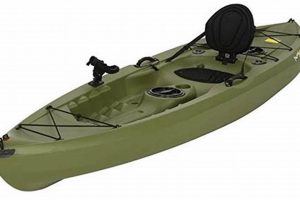
The unique environment of the Everglades necessitates specialized fishing kayaks designed for stability, maneuverability, and functionality in shallow water. These kayaks differ significantly from recreational models, incorporating features specifically tailored for angling success and safety within this challenging ecosystem. Understanding these specialized features is crucial for maximizing angling opportunities and ensuring a safe and productive experience.
- Stability and Hull Design
Stability is paramount in shallow water, particularly in areas with currents or wind. Specialized fishing kayaks often feature wider, flatter hulls designed for enhanced primary stability, reducing the likelihood of tipping. This stability is critical for casting, reeling, and landing fish, especially larger species commonly encountered in the Everglades. A stable platform also provides a safer and more comfortable experience for anglers navigating through shallow, often vegetated waters.
- Propulsion and Maneuverability
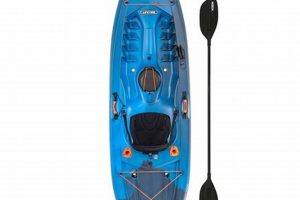
Efficient propulsion and maneuverability are essential for navigating the intricate waterways of the Everglades. Paddle propulsion remains a popular choice, allowing for quiet movement through shallow areas and precise maneuvering within tight mangrove tunnels. Pedal-driven kayaks, utilizing either propeller or fin systems, offer increased speed and hands-free fishing, enhancing coverage and efficiency. Understanding the advantages and limitations of each propulsion system is crucial for selecting the appropriate kayak for individual fishing styles and target locations.
- Storage and Gear Management
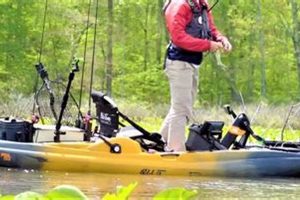
Specialized fishing kayaks incorporate dedicated storage compartments and mounting options for rods, reels, tackle boxes, and other essential fishing gear. These features allow anglers to organize equipment effectively, maximizing space and minimizing clutter. Built-in rod holders secure rods during paddling and provide quick access when fish strike. Dry storage compartments protect sensitive electronics and personal items from water damage, an essential consideration in the often-wet environment of the Everglades.
- Specialized Accessories
Many fishing kayaks are compatible with a range of specialized accessories designed to enhance angling performance. Anchor systems designed for shallow water deployment, including stake-out poles and shallow water anchors, provide crucial stability for fishing in specific locations. Fish finders and GPS units can be integrated for improved fish location and navigation, increasing angling efficiency and safety. Live wells, allowing for the safe keeping of caught fish, contribute to conservation efforts by ensuring the healthy release of unwanted or undersized catches.
The selection of a specialized fishing kayak significantly impacts the overall experience of angling in the Everglades. Considering factors such as hull design, propulsion, storage capacity, and accessory compatibility allows anglers to tailor their equipment to specific needs and target species. This specialized approach enhances both angling success and safety while promoting responsible interaction with the delicate ecosystem of the Everglades.
3. Wildlife Awareness (Alligators, Birds)

Wildlife awareness is paramount for kayak anglers in the Everglades. This unique ecosystem teems with diverse fauna, including alligators and various bird species. Understanding animal behavior and practicing responsible interaction are crucial for both angler safety and wildlife preservation. Ignoring these considerations can lead to negative consequences for both the environment and the angler’s well-being.
- Alligator Encounters
Alligators are apex predators in the Everglades. While generally not aggressive towards humans, they can exhibit territorial behavior, particularly during mating season. Maintaining a safe distance and avoiding sudden movements are crucial. Kayaks can resemble natural prey from below, so increased vigilance is recommended in areas with high alligator density. Harassing or feeding alligators is illegal and disrupts their natural behavior. Respectful observation from a distance ensures both human safety and the continued well-being of these animals.
- Wading Bird Interactions
The Everglades supports a rich diversity of wading birds, including herons, egrets, and ibises. These birds play crucial roles in the ecosystem and are sensitive to disturbance. Avoiding close approach to nesting sites and rookeries is essential for minimizing stress on these populations. Noise disturbances from kayaks can also disrupt feeding and breeding behaviors. Maintaining a respectful distance allows observation of these magnificent birds without impacting their natural life cycles.
- Understanding Bird Behavior as an Angling Tool
Observing bird behavior can provide valuable insights for anglers. Wading birds feeding in shallow areas often indicate the presence of baitfish, which in turn can attract larger game fish. Understanding these ecological relationships enhances angling success. Recognizing feeding patterns and species-specific behaviors can guide anglers to productive fishing locations while minimizing disturbance to the birds themselves.
- Responsible Wildlife Photography
The opportunity to photograph wildlife is a significant draw for many Everglades visitors. However, responsible photographic practices are crucial. Using telephoto lenses allows capturing stunning images without disturbing the animals. Approaching too closely can cause stress and alter natural behaviors. Respecting wildlife by maintaining a safe distance ensures both ethical photography and the continued well-being of the Everglades’ inhabitants.
Understanding and respecting Everglades wildlife enhances the kayak fishing experience. Awareness of animal behavior, responsible interaction, and adherence to park regulations contribute to both angler safety and the long-term health of this delicate ecosystem. Kayak fishing provides a unique platform for observing wildlife, underscoring the interconnectedness of human recreation and environmental stewardship within the Everglades.
4. Tidal flow impact
Tidal influence significantly impacts kayak fishing within the Everglades. Understanding tidal cycles and their effects on fish behavior and water access is crucial for a successful angling experience. These fluctuations alter water depth, current strength, and salinity, directly influencing fish movement and feeding patterns. Ignoring tidal dynamics can lead to unproductive fishing trips and potentially hazardous navigation.
- Water Depth and Accessibility
Tidal fluctuations dramatically affect water depth within the Everglades, particularly in shallow flats and near-shore areas. During high tides, areas previously inaccessible to kayaks become navigable, opening up new fishing grounds. Conversely, low tides can restrict access, exposing shallow mudflats and oyster beds, potentially stranding unsuspecting anglers. Consulting tide charts before venturing out is crucial for planning routes and ensuring safe passage.
- Current Strength and Fish Behavior
Tidal currents create moving water, influencing fish behavior and feeding patterns. Strong currents during incoming or outgoing tides concentrate baitfish and game fish in specific channels and along edges of flats. Anglers can capitalize on this by positioning themselves strategically to intercept moving fish. Understanding current direction and strength is crucial for lure presentation and drift fishing techniques.
- Salinity Changes and Species Distribution
Tidal flow affects salinity levels within the Everglades, particularly in estuaries where freshwater from inland rivers mixes with saltwater from the ocean. Different fish species have varying salinity tolerances. Understanding these preferences allows anglers to target specific species based on tidal conditions. For example, snook and tarpon tolerate a wide range of salinities, while other species prefer predominantly fresh or saltwater environments.
- Tidal Influence on Baitfish Movement
Tidal currents transport baitfish, shrimp, and other crustaceans, influencing the movement and feeding behavior of larger game fish. Incoming tides often carry an abundance of food sources into shallow areas, creating feeding opportunities for predatory fish. Anglers can increase their success by fishing during these periods and focusing on areas where baitfish are concentrated by tidal flow.
Successful Everglades kayak fishing necessitates incorporating tidal flow knowledge into planning and execution. Understanding how tides influence water depth, current strength, salinity, and baitfish movement allows anglers to anticipate fish behavior and optimize fishing strategies. By aligning fishing efforts with tidal dynamics, anglers enhance their chances of success and gain a deeper appreciation for the intricate ecological processes shaping this unique environment.
5. Conservation Considerations

Conservation considerations are integral to responsible kayak fishing within the Everglades National Park. This delicate ecosystem faces numerous environmental pressures, and anglers play a vital role in its preservation. Understanding and implementing conservation best practices ensures the long-term health of this unique environment and the sustainability of its fisheries.
- Minimizing Disturbance to Habitats
Kayak fishing offers a low-impact approach to angling, but minimizing disturbance to sensitive habitats remains crucial. Avoiding shallow areas with submerged vegetation or nesting sites protects essential fish and bird habitats. Dragging kayaks across sensitive areas can damage vegetation and disrupt bottom-dwelling organisms. Practicing careful launching and landing techniques minimizes physical impacts on shoreline ecosystems. Adhering to established waterway trails and marked no-access zones further reduces disturbance.
- Proper Waste Disposal and Pollution Prevention
Proper waste disposal is essential for maintaining the pristine nature of the Everglades. Discarded fishing line poses a significant threat to birds, turtles, and other wildlife. Anglers must carry all trash, including fishing line and discarded tackle, out of the park. Avoiding the use of harmful chemicals or pollutants, including improper disposal of sunscreen or insect repellent, further protects water quality. Fuel leaks from motorized kayaks can contaminate waterways, so proper maintenance and leak prevention measures are crucial.
- Catch-and-Release Best Practices
Catch-and-release fishing is a cornerstone of conservation-minded angling. Proper handling techniques minimize stress on released fish, maximizing their chances of survival. Using barbless hooks reduces injury during hook removal. Wetting hands before handling fish prevents removal of their protective slime coat. Minimizing air exposure and supporting the fish horizontally during release reduces stress and prevents organ damage. Promptly releasing fish, especially in warm water, increases survival rates.
- Respecting Wildlife and Maintaining Distance
Respecting wildlife is paramount in the Everglades. Avoiding close approaches to nesting birds, basking alligators, and other wildlife minimizes disturbance and stress. Harassment and feeding wildlife disrupt natural behaviors and can create dependence on human interaction. Observing animals from a safe distance allows appreciation of their natural behaviors without interfering with their survival. Reporting injured or distressed wildlife to park authorities aids conservation efforts.
Integrating these conservation considerations into kayak fishing practices safeguards the Everglades’ biodiversity and ensures the sustainability of its valuable resources. Responsible angling contributes directly to the preservation of this unique ecosystem, allowing future generations to experience the beauty and bounty of the Everglades National Park.
Frequently Asked Questions about Kayak Fishing in the Everglades
This section addresses common inquiries regarding kayak fishing within Everglades National Park. Understanding these aspects contributes to a safer, more enjoyable, and environmentally responsible experience.
Question 1: What are the essential safety precautions for kayak fishing in the Everglades?
Essential safety precautions include wearing a personal flotation device (PFD), carrying a whistle, signaling device, first-aid kit, and communication device. Checking weather forecasts before departure and having a plan for inclement weather is crucial. Wildlife awareness, particularly regarding alligators, is paramount, and maintaining a safe distance from all animals is essential.
Question 2: What fishing license and permits are required?
A Florida saltwater fishing license is generally required. Additional permits may be necessary for fishing within specific areas of Everglades National Park. Regulations are subject to change, so checking the official park website or contacting park authorities for current requirements is recommended.
Question 3: What type of kayak is best suited for fishing in the Everglades?
Kayaks designed for stability in shallow water and equipped with features such as rod holders, storage compartments, and anchor systems are recommended. Sit-on-top kayaks are often preferred due to their stability and self-bailing capabilities. Choosing propulsion (paddle or pedal) depends on individual preferences and fishing styles.
Question 4: What are the best fishing locations within the park?
Recommended fishing areas within Everglades National Park vary based on target species and seasonal conditions. Flamingo, Nine Mile Pond, and the Hell’s Bay area are popular locations. Consulting local fishing guides or park resources can provide valuable insights into specific fishing spots.
Question 5: What fishing techniques are most effective in the Everglades?
Effective fishing techniques include sight fishing, fly fishing, and using artificial lures or live bait. Techniques vary based on target species and environmental conditions. Local knowledge and expertise significantly enhance fishing success.
Question 6: How can anglers minimize their environmental impact?
Minimizing environmental impact involves adhering to Leave No Trace principles. Packing out all trash, including fishing line, is essential. Avoiding disturbing vegetation and wildlife habitats, respecting wildlife by maintaining a safe distance, and practicing proper catch-and-release techniques are crucial components of responsible angling within the park.
Careful planning, responsible angling practices, and respect for the natural environment are essential for a successful and rewarding kayak fishing experience in Everglades National Park. Reviewing these frequently asked questions enhances angler preparedness and promotes sustainable interaction with this unique ecosystem.
The following sections delve into specific aspects of Everglades kayak fishing, providing detailed information for enhancing angling experiences and fostering responsible environmental stewardship.
Everglades Kayak Fishing
Everglades kayak fishing offers a unique blend of angling challenge and intimate engagement with a remarkable natural environment. This exploration has highlighted the importance of specialized equipment, navigational skills tailored to shallow waters, and an understanding of tidal influences on fish behavior. Furthermore, the discussion emphasized the critical role of wildlife awareness and adherence to conservation principles in preserving this delicate ecosystem. Successful angling within this context requires not only technical proficiency but also a deep respect for the interconnectedness of the natural world.
The Everglades represents a precious natural resource, offering exceptional recreational opportunities while demanding responsible stewardship. Continued appreciation for the delicate balance of this ecosystem and a commitment to sustainable practices will ensure the preservation of Everglades kayak fishing for generations to come. Preserving this unique angling experience requires collective responsibility and ongoing efforts to minimize human impact, ensuring the long-term health and vitality of this remarkable natural treasure.