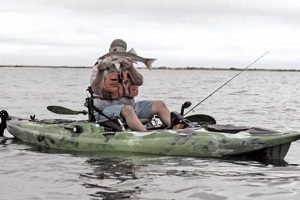
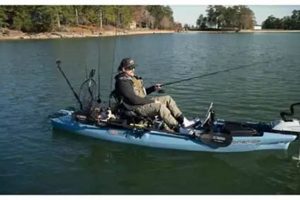
Incidents involving small, human-powered watercraft employed for angling can range from minor capsizes and equipment loss to serious injuries or fatalities. These events often involve environmental factors such as unpredictable weather, strong currents, or submerged obstacles. Human error, including inadequate safety precautions, inexperience operating the vessel, or impaired judgment, can also contribute significantly. Examples include entanglement with fishing gear, collisions with other vessels, or falls overboard.
Understanding the contributing factors to these unfortunate events is crucial for promoting safer practices among anglers. Analysis of contributing factors allows for the development of targeted safety campaigns and educational resources, leading to a reduction in the frequency and severity of incidents. Historically, as the popularity of this recreational activity has grown, so too has the need for greater awareness of associated risks and appropriate safety measures.
This article will delve into various aspects of on-the-water safety for anglers, covering topics such as essential safety equipment, proper paddling techniques, navigation skills, and emergency procedures. It will also explore the role of weather forecasting, trip planning, and responsible angling practices in mitigating risks.
Safety Tips for Kayak Anglers
Prevention is paramount when engaging in on-the-water activities. The following safety guidelines are crucial for mitigating risks and ensuring a safe and enjoyable experience.
Tip 1: Always Wear a Personal Flotation Device (PFD): A PFD is the single most important piece of safety equipment. It should be worn at all times, regardless of perceived swimming ability or water conditions.
Tip 2: Check Weather Forecasts and Water Conditions: Before embarking on any fishing trip, thoroughly research weather forecasts, paying close attention to wind speeds, wave heights, and potential storms. Be aware of tides, currents, and any local hazards.
Tip 3: File a Float Plan: Inform someone on shore of the intended fishing location, planned return time, and emergency contacts. This allows for quicker response in case of an unforeseen event.
Tip 4: Carry Essential Safety Gear: Equip the kayak with a whistle, signaling mirror, first-aid kit, bilge pump, paddle leash, and a communication device such as a waterproof VHF radio or mobile phone in a waterproof case.
Tip 5: Dress Appropriately for Immersion: Wear clothing suitable for the water temperature, not just the air temperature. Consider wearing a dry suit or wetsuit in colder conditions.
Tip 6: Practice Self-Rescue Techniques: Learn and practice essential self-rescue techniques, such as re-entering the kayak after a capsize. Consider taking a kayak safety course.
Tip 7: Avoid Alcohol and Drugs: Operating a kayak under the influence of alcohol or drugs significantly impairs judgment and reaction time, increasing the risk of accidents.
Tip 8: Be Mindful of Other Vessels: Maintain awareness of surrounding boat traffic and navigate responsibly, adhering to navigational rules and regulations.
Adhering to these safety precautions significantly reduces the potential for incidents. Proactive planning and responsible behavior contribute to a safer and more enjoyable experience for all kayak anglers.
By prioritizing safety, anglers can focus on the rewarding aspects of the sport and contribute to a culture of responsible on-the-water recreation. This commitment to safety benefits not only individual anglers but also the broader kayaking and fishing community.
1. Environmental Conditions

Environmental conditions play a crucial role in kayak fishing incidents. Wind, water temperature, and visibility significantly impact safety and can contribute directly to accidents. Strong winds create challenging paddling conditions, increasing the risk of capsizing, especially for less experienced paddlers. Cold water immersion poses a serious threat, leading to hypothermia and reduced physical function, even with a personal flotation device. Poor visibility, due to fog, rain, or darkness, impairs navigation and situational awareness, increasing the likelihood of collisions or running aground. For example, a sudden squall can quickly overwhelm a kayak angler, while unexpected fog can lead to disorientation and collisions with other vessels or unseen obstacles.
Understanding the impact of environmental conditions is essential for safe kayak fishing. Anglers must check weather forecasts before heading out and be prepared for changing conditions. Carrying appropriate safety gear, such as a waterproof VHF radio and signaling devices, can prove invaluable in emergencies. Dressing for the water temperature, not just the air temperature, is crucial for mitigating the effects of cold water immersion. Furthermore, understanding local water conditions, such as tides, currents, and potential hazards, helps anglers make informed decisions and avoid risky situations. For instance, knowing the tidal currents can help anglers plan their fishing routes and avoid being swept into dangerous areas.
Careful consideration of environmental factors is paramount for preventing kayak fishing incidents. Combining accurate weather forecasting, thorough preparation, and a proactive approach to safety significantly reduces risks. Acknowledging the potential impact of changing weather patterns and local conditions equips anglers to make informed decisions and enjoy a safer, more successful fishing experience. This understanding fosters a culture of responsible angling, minimizing the occurrence and severity of incidents related to environmental factors.
2. Equipment Failure

Equipment failure represents a significant contributing factor to kayak fishing incidents. While often overlooked compared to environmental factors or human error, malfunctions in essential equipment can create hazardous situations, potentially leading to serious consequences. A sudden paddle break in strong currents or rough waters can leave an angler without the means to maneuver, increasing the risk of capsizing or drifting into dangerous areas. Similarly, failure of a rudder or steering system can compromise directional control, particularly in challenging conditions. Rod holders, seat attachments, and even the kayak hull itself can suffer structural failures, further jeopardizing stability and safety. For example, a corroded rod holder could snap under the strain of a hooked fish, potentially causing injury or capsize.
The importance of regular equipment inspection and maintenance cannot be overstated. Checking paddles for cracks or stress fractures, ensuring secure attachment of rod holders and seats, and examining the kayak hull for damage are essential pre-trip procedures. Using high-quality equipment from reputable manufacturers and adhering to recommended maintenance schedules contribute significantly to reliability and longevity. Carrying spare equipment, such as a backup paddle or repair kit, can prove invaluable in the event of unexpected failure. Furthermore, understanding the limitations of equipment and avoiding exceeding recommended weight capacities or operating in conditions beyond the kayak’s design parameters enhance safety margins. Choosing appropriate equipment for the intended fishing environment also plays a crucial role. For instance, using a kayak designed for calm lakes in open ocean conditions would increase the risk of equipment failure and subsequent incidents.
Addressing equipment failure as a potential risk factor significantly enhances safety in kayak fishing. Regular inspection, proper maintenance, and carrying essential spares minimize the likelihood of critical malfunctions. Understanding equipment limitations and choosing appropriate gear for the intended environment further mitigate risks. A proactive approach to equipment maintenance and a thorough understanding of its role in potential incidents contribute significantly to a safer and more enjoyable experience.
3. Human Error
Human error represents a significant contributing factor in kayak fishing incidents. While environmental conditions and equipment failures play a role, human actions, or inactions, often initiate the chain of events leading to an accident. Understanding common human errors is crucial for developing strategies to mitigate risks and improve safety outcomes.
- Poor Decision-Making:
Poor decision-making, often influenced by overconfidence, inexperience, or a lack of situational awareness, can lead to dangerous situations. Launching a kayak in adverse weather conditions, exceeding the vessel’s capacity, or venturing into unfamiliar waters without proper navigation equipment are examples of decisions that can have serious consequences. An angler might underestimate the strength of a current, leading to an inability to return to shore, or misjudge the stability of the kayak while attempting to land a large fish, resulting in a capsize.
- Inadequate Preparation:
Failing to adequately prepare for a fishing trip contributes significantly to human error-related incidents. Neglecting to check weather forecasts, not informing someone of the planned route and return time, or failing to pack essential safety equipment are examples of inadequate preparation that can increase risks. An angler who sets out without a personal flotation device or communication equipment is ill-prepared for unexpected events, such as a capsize or sudden illness.
- Lack of Skill and Experience:
Lack of skill and experience operating a kayak in various conditions can lead to difficulties. Inadequate paddling technique, improper handling of fishing gear, or insufficient knowledge of self-rescue procedures can contribute to accidents. An inexperienced angler might struggle to control the kayak in windy conditions or become entangled in fishing lines, increasing the risk of capsize.
- Distraction and Complacency:
Distraction and complacency can compromise safety. Focusing on fishing activity while neglecting to observe changing weather patterns or nearby boat traffic increases the potential for accidents. Complacency, especially in calm conditions, can lead to neglecting safety procedures, such as wearing a personal flotation device or maintaining proper balance. An angler engrossed in reeling in a fish might not notice an approaching storm or a powerboat, creating a dangerous situation.
Addressing these human factors through education, training, and promoting a culture of safety awareness can significantly reduce the occurrence and severity of kayak fishing incidents. Encouraging anglers to make informed decisions, prepare thoroughly for each trip, and continuously develop their skills enhances safety outcomes for the entire kayaking community. Ultimately, recognizing the role of human error in these events is the first step towards fostering a safer and more responsible approach to kayak fishing.
4. Lack of Safety Gear
Absence of essential safety equipment constitutes a critical factor in the severity and outcome of kayak fishing incidents. While not necessarily the primary cause of an accident, the lack of appropriate safety gear significantly amplifies the consequences. A capsize without a personal flotation device (PFD) can rapidly escalate into a life-threatening situation, particularly in cold water or strong currents. Similarly, the absence of a communication device, such as a VHF radio or a mobile phone in a waterproof case, can impede rescue efforts, prolonging exposure to hazardous conditions and potentially leading to tragic outcomes. For instance, an angler who suffers a medical emergency far from shore, without a means of contacting help, faces significantly increased risks. Similarly, a capsized kayak in foggy conditions, without a signaling device like a whistle or mirror, diminishes the chances of being located by rescuers.
Several key safety items prove crucial in mitigating the risks associated with kayak fishing. A properly fitted PFD provides essential buoyancy, increasing survival chances in the event of a capsize. A reliable communication device enables rapid contact with emergency services or shore-based contacts in case of distress. Visual signaling devices, such as flares, whistles, or mirrors, aid in attracting attention and facilitating rescue. A first-aid kit allows for immediate treatment of minor injuries, while a bilge pump helps manage water accumulation in the kayak. Navigation tools, including a compass and charts, are essential for maintaining orientation, particularly in unfamiliar waters or challenging visibility. A paddle leash prevents loss of the primary means of propulsion in the event of a capsize, while a dry bag protects essential items, such as mobile phones and spare clothing, from water damage.
Understanding the critical role of safety gear and investing in appropriate equipment are non-negotiable aspects of responsible kayak fishing. Prioritizing safety through proper equipment selection and consistent usage transforms potential tragedies into manageable situations. This proactive approach strengthens the safety margin for individual anglers and contributes to a more informed and responsible culture within the broader kayaking community. The absence of essential safety equipment elevates seemingly minor incidents into potentially life-threatening scenarios, underscoring the critical link between preparedness and survival in kayak fishing.
5. Inadequate Preparation

Inadequate preparation represents a significant contributing factor to kayak fishing incidents. Failing to adequately plan and prepare for the inherent risks associated with this activity creates a foundation for potential accidents. The connection between inadequate preparation and on-the-water incidents is often a causal one, where insufficient planning directly increases the likelihood of adverse events. Several key aspects of preparation, when overlooked, contribute significantly to the risk profile.
One crucial aspect is neglecting to gather and interpret relevant information prior to embarking on a fishing trip. This includes checking weather forecasts, understanding tide charts and currents, and researching potential hazards within the intended fishing area. Ignoring these elements creates vulnerability to unexpected changes in environmental conditions, potentially leading to dangerous situations. For example, launching a kayak into unknowingly strong currents or approaching storms can quickly overwhelm even experienced anglers. Similarly, a lack of familiarity with local regulations, such as restricted areas or speed limits, can result in fines or hazardous interactions with other vessels.
Another critical element of preparation is ensuring the presence and proper functioning of essential safety equipment. This encompasses not only having equipment like a personal flotation device (PFD), communication devices, and signaling tools, but also verifying their operational status and ensuring familiarity with their use. A PFD that doesn’t fit properly or a VHF radio with depleted batteries offers little practical value in an emergency. Similarly, not knowing how to use a signaling device or deploy a rescue throw bag diminishes the effectiveness of these crucial safety items. Practical preparation, therefore, extends beyond mere possession of equipment to encompass hands-on familiarity and regular maintenance checks.
Addressing inadequate preparation through comprehensive planning and rigorous equipment checks drastically reduces the potential for incidents. A proactive approach, emphasizing thorough pre-trip assessments and a commitment to acquiring necessary skills and knowledge, strengthens individual preparedness. This, in turn, contributes to a culture of informed decision-making and responsible angling practices within the broader kayaking community. Ultimately, recognizing the direct link between inadequate preparation and negative outcomes empowers anglers to mitigate risks effectively, fostering a safer and more enjoyable experience on the water.
6. Wildlife Encounters
Wildlife encounters, while often adding an exciting dimension to kayak fishing, can contribute to incidents if not managed cautiously. Interactions with aquatic and terrestrial animals, ranging from minor disturbances to potentially dangerous confrontations, can lead to capsizing, equipment damage, or injury. Understanding the potential hazards associated with wildlife encounters is crucial for promoting safe and responsible angling practices.
- Startling Fish:
Large fish, when hooked or unexpectedly encountered, can exert considerable force, causing sudden, destabilizing movements of the kayak. A powerful fish pulling against a line or striking the kayak can cause an angler to lose balance and capsize. This is particularly true in smaller, less stable kayaks or when anglers are unprepared for the sudden surge of power. For example, a large tarpon leaping near a kayak can create sufficient disturbance to cause an inexperienced angler to lose control.
- Aggressive Marine Mammals:
Interactions with marine mammals, such as seals or sea lions, while generally not aggressive, can pose risks if these animals become territorial or protective of their young. Curiosity or attempts to steal bait can lead to close encounters, potentially resulting in the kayak being bumped or overturned. In rare cases, defensive actions by larger marine mammals, such as sea lions, could cause significant damage to the kayak or injury to the angler. Kayakers fishing near seal colonies should exercise extreme caution and avoid approaching too closely.
- Birds:
While seemingly innocuous, birds can contribute to incidents, particularly when competing for bait or entangled in fishing lines. Aggressive birds, such as ospreys defending their nests, can dive at anglers, causing distraction or even injury. Entanglement with fishing lines, particularly those with multiple hooks, can restrict bird movement and create a hazardous situation for both the bird and the angler attempting to disentangle it. Using barbless hooks and retrieving lines promptly can mitigate the risk of bird entanglement.
- Submerged Hazards:
Indirect encounters with wildlife can also contribute to incidents. Submerged logs or debris, often home to aquatic life, can pose significant navigational hazards, particularly in shallow water or low visibility conditions. Contact with these submerged objects can damage the kayak hull or cause capsizing. Similarly, areas with dense vegetation, attractive to fish and other wildlife, can conceal underwater obstacles, increasing the risk of collisions. Careful navigation and awareness of potential underwater hazards are essential, especially in unfamiliar waters.
Understanding the potential risks associated with wildlife encounters, from startling fish to interactions with marine mammals, is crucial for minimizing incident potential. Respecting wildlife and maintaining a safe distance, combined with proper kayaking techniques and safety precautions, allows anglers to enjoy the natural environment while mitigating risks associated with these encounters. These incidents underscore the interconnectedness of the anglers experience with the natural environment and the importance of responsible interaction with wildlife.
Frequently Asked Questions
This section addresses common inquiries regarding incidents associated with kayak fishing, aiming to provide clear and informative responses.
Question 1: What are the most common causes of kayak fishing incidents?
Capsizing, often due to unexpected weather changes, strong currents, or improper weight distribution, represents a frequent occurrence. Collisions with other vessels or submerged objects also contribute significantly. Human error, including inadequate paddling skills, inexperience, and neglecting safety precautions, plays a substantial role.
Question 2: How can the risk of these incidents be minimized?
Prioritizing safety through consistent use of a personal flotation device (PFD) is paramount. Thorough trip planning, including checking weather forecasts and informing someone of the intended route and return time, is essential. Acquiring and practicing necessary paddling skills and self-rescue techniques enhances preparedness.
Question 3: What safety equipment is crucial for kayak fishing?
A properly fitted PFD and a reliable communication device, such as a VHF radio or mobile phone in a waterproof case, are essential. Visual signaling devices, a first-aid kit, a bilge pump, a paddle leash, and appropriate navigation tools further enhance safety.
Question 4: What actions should be taken if a kayak capsizes?
Remaining calm and attempting to re-enter the kayak, if possible, is crucial. If re-entry proves unsuccessful, staying with the overturned kayak and using it for flotation is recommended. Activating signaling devices and attempting to attract attention should be prioritized.
Question 5: What are the potential dangers of fishing in cold water?
Cold water immersion poses a severe threat, leading to rapid loss of body heat and impaired physical function, even with a PFD. Hypothermia can develop quickly, significantly diminishing survival chances. Dressing appropriately for water temperature, not just air temperature, is crucial.
Question 6: How does alcohol consumption affect safety in kayak fishing?
Consuming alcohol impairs judgment, coordination, and reaction time, significantly increasing the risk of accidents. Operating a kayak under the influence of alcohol elevates the likelihood of capsizing, collisions, and poor decision-making in emergencies.
Awareness of potential hazards and consistent adherence to safety practices significantly reduce incident occurrence and severity. Continuous learning and a proactive approach to risk management enhance enjoyment and safety in kayak fishing.
Beyond these FAQs, numerous resources provide further information on kayak fishing safety, including organizations dedicated to promoting safe paddling practices.
Conclusion
Incidents related to kayak fishing, ranging from minor mishaps to serious emergencies, underscore the inherent risks associated with this activity. This exploration has highlighted the multifaceted nature of these events, emphasizing the interplay of environmental conditions, equipment factors, human actions, and wildlife interactions. Understanding the potential hazards and contributing factors provides a framework for informed decision-making and proactive safety measures.
Promoting a culture of safety within the kayak fishing community requires continuous education, open communication, and a commitment to responsible angling practices. Minimizing the occurrence and severity of these incidents necessitates individual preparedness, informed decision-making, and respect for the dynamic aquatic environment. The future of safe and sustainable kayak fishing hinges on embracing a proactive approach to risk management, fostering a community-wide commitment to responsible on-the-water conduct.