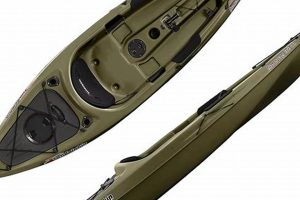
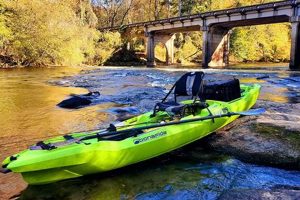
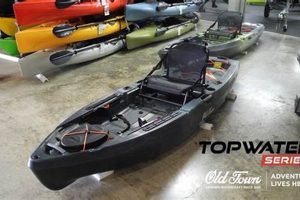
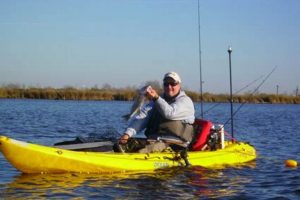
A fishing kayak, designed with specialized features like rod holders and extra storage, offers stability and hands-free fishing capabilities. However, its utility extends beyond angling. These vessels are frequently employed for leisurely paddling on lakes, rivers, and calm coastal waters, providing a unique vantage point for observing nature and enjoying the tranquility of the outdoors.
Utilizing this type of watercraft for general paddling offers several advantages. Their inherent stability makes them suitable for beginners and families. The ample storage space accommodates gear for day trips or even overnight camping excursions. Furthermore, the robust construction of fishing kayaks often allows them to navigate shallower waters inaccessible to larger recreational boats, opening up opportunities for exploration. This versatility contributes to the growing popularity of kayak fishing as it allows for a blend of focused fishing and relaxed exploration.
This article will further explore the multifaceted uses of fishing kayaks, delving into topics such as choosing the right model, essential safety equipment, popular paddling destinations, and tips for maximizing enjoyment on the water.
Tips for Recreational Use of Fishing Kayaks
Adapting a fishing kayak for recreational paddling requires consideration of several factors to ensure safety and maximize enjoyment. The following tips provide guidance for a successful experience.
Tip 1: Adjust Gear Placement: While rod holders are essential for fishing, they can obstruct paddling when not in use. Relocate or remove rods and tackle to create a comfortable paddling environment.
Tip 2: Optimize Seating: Fishing kayaks often feature elevated seating for better visibility. For extended paddling trips, consider adjusting the seat lower for improved stability and reduced fatigue.
Tip 3: Pack Light: Though fishing kayaks offer ample storage, carrying excessive weight can affect maneuverability and stability. Pack only essential gear for recreational outings.
Tip 4: Plan Your Route: Research potential paddling locations and choose routes appropriate for skill level and water conditions. Factor in wind, currents, and potential hazards.
Tip 5: Check Weather Conditions: Before embarking on any paddling trip, consult weather forecasts. Avoid paddling in strong winds, storms, or extreme temperatures.
Tip 6: Inform Someone of Your Plans: Share your paddling route and estimated return time with a friend or family member as a safety precaution.
Tip 7: Practice Basic Paddling Strokes: Familiarize yourself with essential paddling techniques for efficient movement and maneuvering.
Tip 8: Wear a Personal Flotation Device: A properly fitted personal flotation device (PFD) is crucial for safety and should be worn at all times while on the water.
By following these guidelines, individuals can transform their fishing kayak into a versatile vessel for exploring waterways and enjoying the tranquility of nature. Proper preparation and adherence to safety measures contribute to a positive and rewarding experience.
These practical tips pave the way for a more in-depth exploration of specific recreational activities suitable for fishing kayaks, which will be discussed in the following sections.
1. Stability

Stability is a crucial factor in determining the suitability of a fishing kayak for recreational use. A stable platform enhances safety and comfort, allowing for a wider range of activities and accommodating users of varying skill levels. This discussion explores the facets contributing to the stability of these kayaks and their implications for recreational paddling.
- Hull Design:
Fishing kayaks typically feature wider and flatter hulls compared to touring or whitewater kayaks. This design provides enhanced primary stability, resisting initial tipping and offering a reassuring feel for novice paddlers. The wider hull also contributes to secondary stability, enabling recovery from larger leans. For recreational activities like photography or birdwatching, a stable hull allows users to shift their weight and maintain balance while engaging in these pursuits.
- Center of Gravity:
The design of a fishing kayak often incorporates a lower center of gravity, further enhancing stability. This lower center of gravity reduces the likelihood of capsizing, particularly in challenging conditions such as windy days or choppy water. For recreational users, this added stability instills confidence and allows for a more relaxed and enjoyable paddling experience.
- Weight Capacity:
Fishing kayaks are designed to carry heavier loads compared to recreational kayaks. This increased weight capacity not only accommodates fishing gear but also allows for carrying additional equipment for recreational activities like camping or picnicking. The ability to carry heavier loads without compromising stability expands the possibilities for recreational use.
- Impact of Water Conditions:
While fishing kayaks offer inherent stability, water conditions play a significant role in overall performance. Calm lakes and slow-moving rivers provide ideal environments for maximizing stability. In rougher conditions, the wider hull design still offers advantages over narrower kayaks, though caution and appropriate safety measures remain essential. Understanding the impact of water conditions on stability is crucial for recreational users when planning outings.
The stability inherent in fishing kayak design directly contributes to their versatility for recreational purposes. This stability fosters confidence in novice paddlers, facilitates activities requiring balance, and allows for comfortable exploration in diverse water conditions. Consequently, stability emerges as a defining feature that expands the usability of fishing kayaks beyond their primary fishing function.
2. Storage Capacity

Storage capacity is a critical factor influencing the suitability of a fishing kayak for recreational activities. Ample storage space expands the possibilities for diverse outings, from day trips to overnight excursions. This discussion explores the various facets of storage capacity and its impact on recreational kayak use.
- Dedicated Storage Compartments:
Fishing kayaks often feature dedicated compartments designed for specific gear, such as tackle boxes, rods, and other fishing essentials. However, these compartments can be repurposed for recreational use. Dry hatches provide secure storage for electronic devices, cameras, and other sensitive items, while larger open compartments can accommodate dry bags filled with clothing, food, and camping gear. This adaptability allows users to customize storage based on the specific recreational activity.
- Tank Wells and Bungee Systems:
Many fishing kayaks incorporate tank wells, recessed areas typically located behind the seat, secured by bungee cords. These wells are ideal for storing larger items like coolers, dry bags, and even small camping tents. The bungee systems provide additional security, preventing gear from shifting or falling overboard during transport. For recreational use, tank wells offer convenient storage for items needed quick access, like water bottles, snacks, or a first-aid kit.
- Weight Capacity and Storage:
The weight capacity of a fishing kayak directly influences the amount of gear that can be safely carried. Exceeding the weight capacity can compromise stability and maneuverability, impacting safety and enjoyment. Understanding the weight capacity and distributing gear evenly throughout the kayak is crucial for optimizing performance and ensuring a safe recreational experience.
- Impact on Recreational Activities:
The generous storage capacity of fishing kayaks enhances their suitability for a variety of recreational activities. Kayak camping becomes more feasible with the ability to carry tents, sleeping bags, and cooking equipment. Longer day trips are facilitated by ample space for food, water, and extra clothing. Photography enthusiasts can safely transport cameras and lenses, while nature observers can carry binoculars and field guides. This adaptability transforms the fishing kayak into a versatile platform for diverse recreational pursuits.
The ample storage capacity inherent in fishing kayak design significantly broadens their appeal for recreational use. The ability to carry essential gear for diverse activities, from camping to photography, enhances the versatility of these vessels. By understanding the various storage options and managing weight distribution effectively, individuals can maximize the recreational potential of their fishing kayaks.
3. Exploration Access
Exploration access represents a significant advantage of using fishing kayaks for recreation. Their unique design features enable access to waterways often inaccessible to larger motorized boats, expanding recreational opportunities. This enhanced access stems from a combination of factors, including maneuverability, shallow-water capability, and portability.
The maneuverability of fishing kayaks, owing to their relatively compact size and efficient hull design, allows navigation through narrow channels, around obstacles, and in confined spaces. This agility opens up exploration possibilities in winding rivers, secluded creeks, and shallow coastal marshes. Furthermore, the shallow draft of these kayaks permits entry into shallow waters, expanding the range of explorable areas to include areas teeming with wildlife and unique ecosystems often unreachable by deeper-hulled vessels. Real-life examples include navigating through mangrove forests, exploring shallow estuaries, and accessing remote ponds or small lakes. The portability of fishing kayaks further enhances exploration access. Their relatively lightweight nature and ease of transport on roof racks or trailers allow access to remote and otherwise difficult-to-reach launch points. This portability expands recreational horizons to include bodies of water far from established boat ramps or marinas.
Understanding the connection between exploration access and recreational kayaking with fishing kayaks underscores their value beyond angling. This access translates into unique opportunities for nature observation, wildlife photography, and experiencing the tranquility of secluded waterways. Challenges such as navigating changing water levels, currents, and potential hazards in remote areas require careful planning and preparation. However, the enhanced exploration access provided by fishing kayaks significantly enriches the recreational kayaking experience, fostering a deeper connection with nature and expanding the possibilities for adventure.
4. Nature Observation

Nature observation finds a natural synergy with recreational fishing kayak use. The quiet movement through waterways, often undisturbed by motorized craft, provides unique opportunities for observing wildlife in their natural habitats. The stable platform of a fishing kayak allows for extended periods of quiet observation, enhancing opportunities for photography and deeper engagement with the natural world. Cause and effect are intertwined; the kayak’s design facilitates unobtrusive access to natural environments, leading to enhanced observation possibilities. This connection transforms a simple paddling trip into an immersive nature experience.
Consider the example of a paddler navigating a slow-moving river lined with dense vegetation. The quiet approach allows for close encounters with wading birds, turtles basking on logs, and fish darting beneath the surface. In a coastal marsh, the kayak’s shallow draft enables access to areas teeming with shorebirds, crustaceans, and other marine life. These encounters offer valuable insights into ecosystem dynamics and the interconnectedness of species. The practical significance lies in fostering environmental awareness and appreciation for the delicate balance of natural systems. Furthermore, the stable platform of a fishing kayak allows for the use of binoculars, spotting scopes, and cameras, enriching the observational experience and providing opportunities for documentation.
The inherent connection between nature observation and recreational fishing kayaking elevates the activity beyond simple paddling. It transforms the kayak into a floating observation platform, fostering a deeper understanding and appreciation for the natural world. While challenges such as weather conditions and maintaining respectful distances from wildlife require consideration, the rewards of enhanced nature observation contribute significantly to the overall value and enjoyment of recreational kayaking. This connection underscores the potential for transformative experiences in relatively accessible environments, enriching both individual understanding and conservation efforts.
5. Photography Platform

The stability and unique vantage point offered by a fishing kayak present a compelling case for its use as a photography platform. This perspective expands the recreational possibilities beyond simple paddling, transforming the kayak into a mobile, waterborne studio. The following facets explore the components, examples, and implications of using a fishing kayak for photography.
- Stability and Composition:
The inherent stability of a fishing kayak, derived from its wider hull design, provides a crucial advantage for photographers. This stability minimizes camera shake, enabling sharper images, particularly in challenging conditions such as low light or when using telephoto lenses. Furthermore, the stable platform allows for deliberate framing and composition, enabling photographers to capture the desired shot without the constant struggle to maintain balance. This stability is particularly valuable when photographing wildlife, as it allows for patient observation and precise timing.
- Unique Vantage Point and Perspective:
A fishing kayak offers a unique, low-angle perspective often unattainable from shore or larger vessels. This vantage point provides fresh compositional opportunities, allowing photographers to capture intimate images of aquatic life, reflections on the water’s surface, and dramatic shoreline vistas. This unique perspective adds depth and visual interest to photographic compositions, differentiating kayak-based photography from traditional land-based approaches. Examples include capturing images of waterfowl at eye level, photographing submerged aquatic plants, or documenting the intricate details of shoreline erosion.
- Accessibility and Exploration:
The shallow draft and maneuverability of a fishing kayak grant access to shallow, secluded waterways often inaccessible to larger boats. This accessibility opens up a wealth of photographic opportunities, allowing exploration of diverse ecosystems and the capture of unique images of wildlife in their natural habitats. Navigating narrow creeks, meandering through mangrove forests, or exploring shallow estuaries provides access to scenes often unseen by others, enriching the photographic experience.
- Equipment and Considerations:
Adapting a fishing kayak for photography requires careful consideration of equipment and safety measures. Waterproof bags and cases are essential for protecting cameras and lenses from water damage. Secure mounting systems and stabilizing devices can further enhance image quality. Understanding the weight capacity of the kayak and distributing gear evenly maintains stability and prevents tipping. Practicing safe paddling techniques and wearing a personal flotation device remain paramount, ensuring both the photographer’s safety and the protection of valuable equipment.
The convergence of stability, unique perspective, and accessibility transforms the fishing kayak into a versatile photography platform, expanding recreational possibilities and offering a fresh approach to capturing images of the natural world. While challenges such as changing weather conditions and equipment management require careful planning, the potential for capturing unique and compelling photographs from the water’s surface adds a significant dimension to recreational kayaking.
6. Fitness and Exercise

Recreational use of fishing kayaks offers significant fitness and exercise benefits, extending beyond the primary focus of angling. Paddling engages multiple muscle groups, contributing to cardiovascular health and overall physical well-being. This connection transforms a leisurely paddling trip into a low-impact workout, enhancing the recreational value of kayak fishing.
- Upper Body Workout:
The repetitive motion of paddling engages major muscle groups in the arms, shoulders, back, and chest. The resistance provided by the water strengthens these muscles, improving upper body strength and endurance. Different paddling strokes, such as forward strokes, reverse strokes, and sweep strokes, target various muscle groups, providing a comprehensive upper body workout.
- Core Engagement and Stability:
Maintaining balance and maneuvering a kayak requires significant core engagement. The constant adjustments needed to maintain stability activate core muscles, strengthening the abdomen and lower back. This core strengthening contributes to improved posture, balance, and overall stability, benefiting everyday activities beyond kayaking.
- Cardiovascular Benefits:
Paddling provides a low-impact cardiovascular workout, improving heart health and increasing lung capacity. The sustained, rhythmic nature of paddling elevates the heart rate, strengthening the cardiovascular system and improving overall fitness. The intensity of the workout can be adjusted by varying paddling speed and duration, accommodating different fitness levels.
- Low-Impact Exercise:
Kayaking offers a low-impact exercise option suitable for individuals with joint pain or other physical limitations. The buoyancy of the water reduces stress on joints, providing a gentle yet effective workout. This low-impact nature makes kayaking an accessible form of exercise for a wide range of individuals, regardless of age or fitness level.
The integration of fitness and exercise into the recreational use of fishing kayaks enhances their overall value. Transforming a leisurely paddle into a workout contributes to physical well-being while enjoying the tranquility of the outdoors. This added dimension expands the appeal of kayak fishing beyond angling, making it a more holistic and rewarding recreational pursuit.
Frequently Asked Questions
This section addresses common inquiries regarding the recreational use of fishing kayaks, providing clarity and dispelling potential misconceptions.
Question 1: Are fishing kayaks suitable for beginners?
While designed for fishing, the inherent stability of fishing kayaks makes them suitable for beginners. The wider hull provides a reassuring platform, reducing the likelihood of tipping. However, practicing basic paddling techniques and adhering to safety guidelines remains essential.
Question 2: Can fishing kayaks be used in the ocean?
While generally suited for calm waters, some fishing kayaks can handle moderate ocean conditions. Factors such as hull design, length, and paddler experience influence ocean suitability. Careful consideration of weather forecasts and water conditions is crucial before venturing into open water.
Question 3: How far can one paddle a fishing kayak recreationally?
Paddling distance depends on factors such as fitness level, water conditions, and planned route. Shorter trips are recommended for beginners, while experienced paddlers can cover longer distances. Proper planning, including hydration and rest stops, is essential for longer outings.
Question 4: What essential safety equipment is recommended for recreational kayaking?
Essential safety equipment includes a personal flotation device (PFD), a whistle, a visual distress signal, and a first-aid kit. A communication device, such as a VHF radio or a waterproof cell phone, is also recommended, especially for longer trips or remote locations.
Question 5: Can fishing kayaks be used for activities other than fishing and paddling?
The versatility of fishing kayaks extends beyond fishing and paddling. They can be utilized for activities such as nature photography, birdwatching, and exploring shallow waterways inaccessible to larger boats. Their stability and storage capacity also make them suitable for certain types of diving or snorkeling excursions.
Question 6: How does one choose the right fishing kayak for recreational use?
Choosing the right kayak depends on individual needs and intended use. Factors to consider include hull design, length, weight capacity, storage options, and budget. Researching different models and seeking advice from experienced kayakers can aid in the selection process.
Understanding these common inquiries provides a solid foundation for informed decision-making regarding the recreational use of fishing kayaks. Safety remains paramount, and adherence to recommended guidelines ensures a positive and rewarding experience.
This FAQ section segues into a deeper exploration of specific recreational activities suitable for fishing kayaks, discussed in the following sections.
Conclusion
Exploration of fishing kayaks reveals significant utility beyond their primary angling function. Their inherent stability, ample storage, and shallow-water access expand recreational possibilities, from leisurely paddling and nature observation to photography and fitness pursuits. Adaptability remains a key advantage, enabling diverse activities through thoughtful gear placement and route planning. Consideration of water conditions and adherence to safety guidelines ensure a positive and rewarding experience.
The versatility of fishing kayaks positions them as valuable tools for exploring and connecting with natural environments. Understanding their capabilities empowers individuals to broaden recreational horizons and embrace the multifaceted potential of these adaptable vessels. Exploration, observation, and appreciation of aquatic ecosystems become readily accessible pursuits, enriching experiences and fostering a deeper understanding of the natural world.