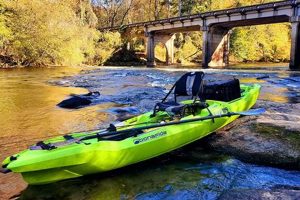
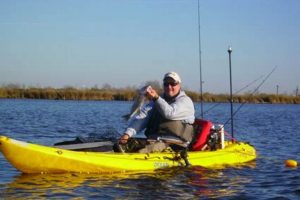
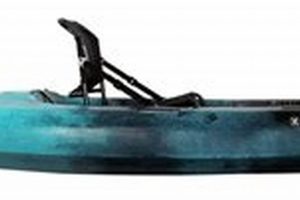
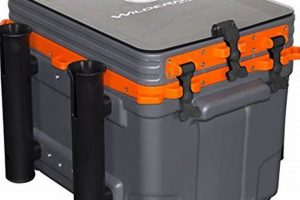
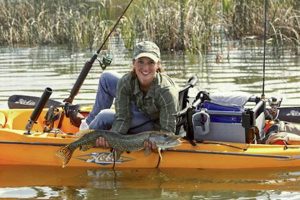
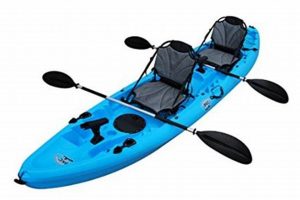
This specific model designates a kayak designed for fishing in shallow waters, enabling anglers to access areas teeming with fish often unreachable by larger vessels. Its compact size suggests maneuverability within confined spaces like creeks, ponds, and along shorelines, while the “fishing” designation signifies features tailored to angling pursuits such as rod holders, storage compartments, and potentially anchor points.
Small, specialized watercraft offer significant advantages for anglers seeking a personalized and efficient fishing experience. Their portability allows easy transport and launch, reducing the logistical challenges posed by larger boats. The ability to navigate shallow, vegetated waters expands fishing opportunities, allowing anglers to target species in their preferred habitats. Historically, smaller fishing vessels have been employed for centuries, evolving from simple dugout canoes to the modern, feature-rich kayaks available today. This evolution reflects a growing appreciation for the unique benefits these compact craft provide.
Further exploration of this vessel type may cover aspects such as material construction (e.g., polyethylene, fiberglass), design variations (sit-on-top vs. sit-in), key features influencing performance and angler comfort, and relevant safety considerations for operation. Understanding these aspects contributes to a well-informed selection process for those seeking an efficient and enjoyable fishing experience.
Tips for Utilizing a Small Fishing Kayak
Effective use of a compact fishing kayak maximizes angling success and overall enjoyment on the water. The following tips offer guidance for optimizing the experience.
Tip 1: Prioritize Stability: Weight distribution plays a crucial role in kayak stability. Centering body weight and gear minimizes the risk of capsizing, especially in challenging conditions. Practice entering and exiting the kayak in shallow, calm water to develop confidence and balance.
Tip 2: Master Paddling Techniques: Efficient paddling conserves energy and allows for greater range. Learning proper stroke techniques enhances maneuverability and reduces fatigue. Short, quick strokes are often more effective than long, sweeping ones in confined spaces.
Tip 3: Select Appropriate Gear: Compact kayaks benefit from streamlined gear. Choose lightweight rods, reels, and tackle boxes to maximize space and minimize clutter. Consider specialized kayak fishing accessories, such as anchor trolleys and rod holders, to enhance functionality.
Tip 4: Plan and Research Fishing Locations: Prioritize shallow-water areas accessible to small vessels. Researching potential fishing spots beforehand allows for efficient navigation and targeted species selection. Consider factors such as water depth, vegetation, and potential obstacles.
Tip 5: Emphasize Safety Precautions: Wearing a personal flotation device (PFD) is paramount. Carry a whistle or other signaling device for emergencies. Inform someone of planned fishing locations and estimated return times. Check weather conditions prior to departure and avoid venturing out in inclement weather.
Tip 6: Practice Catch and Release Techniques: Proper handling and release methods minimize stress on fish populations. Use appropriate hooks and tools for efficient removal. Minimize air exposure and handle fish gently to ensure their survival.
Tip 7: Respect Wildlife and the Environment: Avoid disturbing nesting areas and sensitive habitats. Retrieve any discarded fishing line or tackle. Adhere to local fishing regulations and licensing requirements.
By adhering to these guidelines, anglers can enhance their kayak fishing experiences while contributing to the preservation of aquatic environments.
These tips lay the groundwork for successful and responsible kayak fishing. The following section will delve into specific techniques and strategies for targeting various fish species.
1. Shallow Water Maneuverability
Shallow water maneuverability represents a critical performance attribute for fishing kayaks, particularly models like the hypothetical “Topwater 106,” designed for accessing shallow, vegetated areas often inaccessible to larger boats. This capability hinges on several design elements, including hull shape, length, and weight. A shorter, lighter kayak with a flatter hull generally exhibits superior maneuverability in shallows, allowing navigation through tight spaces and over submerged obstacles. This attribute directly influences angling success by enabling access to prime fishing locations where target species often congregate. For instance, navigating shallow creeks, ponds, or protected marshlands rich in bass, panfish, or other shallow-water species becomes feasible with a highly maneuverable kayak. Conversely, a longer, heavier kayak with a deeper V-hull, while potentially offering greater stability in open water, may prove cumbersome and restrictive in shallow environments.
The practical significance of shallow water maneuverability extends beyond mere access. It enables precise boat positioning for optimal casting angles and drift control, critical factors in maximizing fishing effectiveness. Imagine targeting fish holding tight to submerged vegetation or structure; a maneuverable kayak allows anglers to approach stealthily and position themselves for accurate presentations, increasing the likelihood of a successful hookup. Furthermore, the ability to navigate shallows quietly minimizes disturbance, preventing fish from being spooked and maximizing fishing opportunities. This characteristic proves especially valuable in clear, calm waters where fish are easily alerted to noise and movement.
In summary, shallow water maneuverability is a defining feature of fishing kayaks intended for shallow-water applications. It directly influences access to prime fishing locations, facilitates precise boat control for optimized casting and presentation, and contributes to a stealthier approach, ultimately maximizing angling success. Challenges may include balancing maneuverability with stability, particularly in windy conditions. Further considerations involve the specific target species and fishing environment, as these factors dictate the optimal balance between maneuverability and other performance attributes. Understanding this interplay is crucial for selecting the most effective kayak for specific fishing needs.
2. Compact and Portable Design

Compactness and portability are critical design considerations for fishing kayaks, particularly in models like the hypothetical “Topwater 106,” where ease of transport and storage are paramount. These attributes directly influence the accessibility and overall convenience of kayak fishing, enabling anglers to reach remote locations and easily store their vessels when not in use.
- Transportation and Storage:
A compact and lightweight design simplifies transport, allowing the kayak to be easily loaded onto vehicle roof racks or transported in truck beds, expanding access to diverse fishing locations. Compactness also facilitates storage in garages, sheds, or even apartments, eliminating the need for dedicated storage facilities. Consider an angler living in an apartment complex who can easily transport and store a compact kayak, thereby gaining access to various urban waterways and ponds otherwise inaccessible.
- Launch and Retrieval:
Smaller kayaks are generally easier to launch and retrieve from the water, requiring less physical exertion and simplifying solo fishing trips. This advantage is particularly significant in remote locations or areas with limited access points. Imagine launching from a secluded shoreline; a lightweight kayak can be easily carried and launched without requiring specialized ramps or assistance.
- Navigating Confined Spaces:
Compact dimensions contribute to maneuverability in tight spaces, such as narrow creeks, overgrown ponds, or shallow marshes. This allows anglers to navigate areas where larger vessels would struggle, reaching secluded pockets holding fish. Consider navigating a winding creek choked with fallen branches; a compact kayak can weave through these obstacles, accessing prime fishing spots unreachable by larger boats.
- Weight and Handling:
A lighter kayak is easier to handle both on and off the water. This is particularly beneficial for anglers fishing solo or those who may need to portage their kayak over short distances. Imagine carrying a kayak over a small land bridge between two bodies of water; a lightweight design makes this task manageable, expanding fishing range and access.
The convergence of these facetstransportation, launch/retrieval, maneuverability, and weightunderscores the significance of compact and portable design in enhancing the overall kayak fishing experience, specifically in models like the “Topwater 106,” designed for versatility and ease of use. While potentially sacrificing some stability in open water compared to larger kayaks, the trade-off lies in enhanced accessibility and convenience, allowing anglers to explore a wider range of fishing environments with minimal logistical constraints. This design philosophy caters to the angler seeking a balance between performance and practicality, prioritizing ease of transport and maneuverability in diverse aquatic environments.
3. Targeted fishing features

Targeted fishing features distinguish a dedicated fishing kayak from recreational models. In the context of a hypothetical “Topwater 106 fishing kayak,” these features are integral to its design and purpose, enhancing angling efficiency and overall experience. These features are not mere add-ons but carefully integrated components that cater specifically to the needs of anglers. Cause and effect relationships exist between these features and angling success. For instance, integrated rod holders directly impact an angler’s ability to manage multiple lines or quickly switch between techniques, directly influencing catch rates. Similarly, strategically placed storage compartments for tackle and gear contribute to organization and efficiency, allowing anglers to focus on fishing rather than searching for equipment. Real-life examples illustrate this connection. Consider an angler trolling with multiple lines; rod holders prevent tangling and allow for efficient monitoring of each line. A readily accessible tackle box within arm’s reach allows for quick lure changes based on prevailing conditions, maximizing responsiveness to fish behavior.
Further analysis reveals the practical significance of these targeted features. Flush-mounted rod holders minimize snag points and line interference, common issues in cluttered cockpits. Specialized storage compartments, designed to accommodate tackle boxes and other fishing essentials, maintain order and prevent gear from shifting during movement, ensuring quick access and minimizing distractions. Consider the advantage of a dedicated anchor trolley system, allowing controlled drifting and precise positioning in current or wind, a feature rarely found on recreational kayaks. Such specialized features elevate the fishing experience, transforming the kayak from a simple vessel into a dedicated fishing platform.
In summary, targeted fishing features represent a defining characteristic of specialized kayaks like the hypothetical “Topwater 106.” These features are directly linked to angling success and overall efficiency on the water. They represent a deliberate design choice, catering specifically to the needs of anglers and optimizing the kayak’s functionality as a fishing platform. Challenges may include potential trade-offs with weight and cost; however, the benefits in terms of enhanced angling capability and overall experience often outweigh these considerations. Understanding the purpose and practical application of these features is crucial for anglers seeking to maximize their on-the-water effectiveness and enjoyment.
4. Stability and balance
Stability and balance are fundamental performance characteristics in any kayak, but they hold particular significance for fishing kayaks, especially models like the hypothetical “Topwater 106,” designed for use in diverse aquatic environments. These attributes directly influence angler safety, comfort, and fishing effectiveness. Cause-and-effect relationships exist between stability, balance, and successful angling. Enhanced stability enables anglers to cast, reel, and land fish without compromising balance, reducing the risk of capsizing, especially in challenging conditions like windy days or when battling larger fish. Improved balance allows for comfortable and efficient paddling, reducing fatigue and extending fishing range. Consider the scenario of an angler hooking a strong fish in a shallow, weedy area; a stable and balanced kayak provides the platform needed to fight the fish effectively without tipping or losing control.
Further analysis reveals the practical significance of stability and balance. A stable platform allows anglers to stand up and cast, significantly expanding visibility and casting range, a crucial advantage in shallow water environments. Improved balance facilitates smooth, efficient paddling, conserving energy and allowing anglers to cover more water. Imagine sight-fishing for redfish in a shallow flat; the ability to stand and spot fish, while maintaining balance, is crucial for success. Similarly, a stable kayak allows anglers to utilize specialized fishing techniques, such as fly fishing or two-handed casting, which require a secure and balanced platform. The degree of stability and balance required depends on the intended use and fishing environment. Calm lakes and ponds may necessitate less stability compared to rivers or open bays subject to wind and waves.
In summary, stability and balance are critical design considerations for fishing kayaks like the hypothetical “Topwater 106.” They directly impact angler safety, comfort, and fishing effectiveness. While factors like hull design and width influence stability, individual angler weight and gear distribution also play significant roles. Challenges may involve balancing stability with maneuverability, particularly in shallow, confined spaces. However, prioritizing stability and balance contributes to a safer, more comfortable, and ultimately more successful fishing experience, allowing anglers to focus on their technique and the pursuit of their target species.
5. Efficient paddling dynamics

Efficient paddling dynamics are crucial for maximizing performance and enjoyment in a fishing kayak, particularly in a model like the hypothetical “Topwater 106.” This efficiency stems from a combination of factors, including hull design, paddle length and blade shape, and proper paddling technique. A well-designed hull minimizes drag and maximizes glide, allowing the kayak to move through the water with less effort. An appropriately sized paddle, coupled with efficient stroke technique, further enhances propulsion and reduces fatigue. Cause-and-effect relationships exist between paddling dynamics and fishing success. Reduced paddling effort conserves energy, allowing anglers to cover more water and fish for longer periods. Improved maneuverability allows for precise boat control, facilitating access to prime fishing locations and optimizing casting angles. Consider the scenario of an angler paddling against a current or wind to reach a promising fishing spot; efficient paddling dynamics minimize fatigue and ensure the angler reaches the destination with energy to spare for fishing.
Further analysis reveals the practical significance of efficient paddling. Reduced drag and increased glide translate to less effort expended per paddle stroke, conserving energy for fishing activities like casting, reeling, and landing fish. Improved maneuverability allows for quick adjustments in position and precise boat control in challenging conditions, such as navigating tight spaces or maintaining position in current. Imagine an angler attempting to hold position in a flowing river while targeting trout feeding near a submerged rock; efficient paddling dynamics allow for subtle adjustments and precise boat control, maximizing fishing opportunities. Furthermore, quieter paddling minimizes disturbance, reducing the likelihood of spooking fish in shallow, clear water.
In summary, efficient paddling dynamics are essential for maximizing performance and enjoyment in a fishing kayak like the hypothetical “Topwater 106.” This efficiency results from the interplay of hull design, paddle selection, and proper technique. Challenges may include adapting paddling technique to different water conditions and selecting the appropriate paddle length and blade shape for individual needs. However, mastering efficient paddling techniques contributes significantly to a more productive and enjoyable fishing experience, allowing anglers to cover more water, conserve energy, and approach fish stealthily. This understanding directly relates to the broader theme of maximizing fishing effectiveness and enjoyment through optimized kayak design and usage.
6. Durability and Construction
Durability and construction are paramount considerations for fishing kayaks, especially in models like the hypothetical “Topwater 106,” designed for use in diverse and potentially challenging environments. These attributes directly influence the kayak’s longevity, performance, and overall user experience. A robust construction ensures the kayak can withstand the rigors of regular use, including impacts, abrasion, and exposure to various weather conditions. This resilience translates to a longer lifespan, reduced maintenance requirements, and enhanced safety on the water.
- Material Selection:
The choice of material significantly impacts a kayak’s durability. Common materials include high-density polyethylene (HDPE), known for its impact resistance and affordability, and fiberglass, offering higher strength and stiffness but at a greater cost. Thermoformed ABS and rotomolded polyethylene offer varying degrees of durability and performance characteristics. Selecting the appropriate material depends on the intended use and budget. An HDPE kayak might suffice for calm lakes and rivers, while a fiberglass or composite construction might be preferred for challenging offshore environments or whitewater conditions.
- Hull Design and Construction:
Hull design and construction methods influence durability and performance. A thicker hull generally provides greater impact resistance, while reinforced areas, such as the keel and chines, protect against abrasion and damage from rocks or submerged obstacles. Consider a kayak frequently used in rocky rivers; a reinforced hull is crucial for preventing damage and ensuring longevity.
- UV Resistance:
Exposure to sunlight can degrade kayak materials over time, leading to fading, cracking, and reduced structural integrity. UV-resistant coatings and additives protect against sun damage, extending the kayak’s lifespan. This is particularly important for kayaks stored outdoors or used in sunny climates.
- Hardware and Fittings:
The quality of hardware and fittings, such as handles, latches, and deck rigging, contributes to overall durability. Corrosion-resistant materials, like stainless steel or marine-grade aluminum, ensure long-term functionality and prevent failure in harsh environments. Imagine a saltwater fishing kayak; corrosion-resistant hardware is essential for preventing rust and maintaining functionality.
The interplay of these factorsmaterial selection, hull construction, UV resistance, and hardware qualitydetermines a fishing kayak’s overall durability and longevity. While a more durable kayak may come at a higher initial cost, the long-term benefits of reduced maintenance, enhanced safety, and extended lifespan often justify the investment. Understanding these aspects empowers informed decision-making, ensuring the selected kayak aligns with the angler’s specific needs and intended usage, contributing to a more enjoyable and reliable on-the-water experience.
7. Customization Options

Customization options are integral to the versatility and effectiveness of a fishing kayak, particularly in models like the hypothetical “Topwater 106.” These options allow anglers to tailor the kayak to their specific needs and fishing styles, maximizing efficiency and enjoyment on the water. Cause-and-effect relationships exist between customization options and angling success. For instance, adding rod holders or a fish finder directly impacts an angler’s ability to manage lines, locate fish, and ultimately increase catch rates. Similarly, customizing storage solutions contributes to organization and efficiency, allowing anglers to focus on fishing rather than searching for equipment. Consider an angler specializing in trolling; adding multiple rod holders and a depth finder significantly enhances their ability to target specific depths and monitor multiple lines simultaneously. Conversely, an angler focused on fly fishing might prioritize customizing the deck layout for unobstructed casting and quick access to flies.
Further analysis reveals the practical significance of customization. Adding accessories like anchor trolleys, GPS systems, or specialized lighting enhances boat control, navigation, and safety. Modifying seating positions or adding backrests improves comfort, particularly during long fishing trips. Imagine an angler fishing in low-light conditions; adding LED lights improves visibility and safety while navigating and handling fish. Similarly, customizing storage solutions with waterproof bags or tackle boxes protects gear from the elements and ensures efficient organization. The ability to tailor the kayak to specific fishing techniques, such as adding outriggers for stability or mounting cameras for recording catches, further amplifies the value of customization.
In summary, customization options represent a significant advantage of fishing kayaks like the hypothetical “Topwater 106.” These options empower anglers to optimize their kayaks for specific fishing styles and environments, maximizing efficiency, comfort, and overall enjoyment. Challenges may include the cost of additional accessories and the potential impact on kayak performance due to added weight or changes in balance. However, the ability to personalize the kayak to individual needs and preferences contributes significantly to a more tailored and rewarding fishing experience, aligning directly with the broader goal of maximizing on-the-water effectiveness and enjoyment. This understanding reinforces the value of considering customization options as an integral component of kayak selection and outfitting.
Frequently Asked Questions
This section addresses common inquiries regarding the hypothetical “Topwater 106 Fishing Kayak,” providing concise and informative responses to facilitate informed decision-making.
Question 1: What differentiates the “Topwater 106” from other fishing kayaks on the market?
The hypothetical “Topwater 106” is designed for maneuverability in shallow water environments. Its compact size, combined with targeted fishing features, aims to provide anglers with efficient access to areas often unreachable by larger vessels.
Question 2: What is the weight capacity of the “Topwater 106”?
Weight capacity information for the hypothetical “Topwater 106” is not available. This specification varies depending on the specific manufacturer and model. Consulting manufacturer specifications is recommended.
Question 3: What materials are used in the construction of the “Topwater 106”?
Material specifications for the hypothetical “Topwater 106” are unavailable. Fishing kayaks typically utilize materials like high-density polyethylene (HDPE) or fiberglass, each offering distinct performance characteristics. Manufacturer details provide specific material information.
Question 4: What are the recommended paddling techniques for optimal performance in the “Topwater 106”?
Efficient paddling techniques maximize performance in any kayak. Short, quick strokes are often more effective than long, sweeping ones in confined spaces. Researching and practicing proper kayak paddling techniques enhances efficiency and reduces fatigue.
Question 5: What safety precautions should one take when using the “Topwater 106”?
Wearing a personal flotation device (PFD) is paramount. Checking weather conditions, informing someone of fishing plans, and carrying a signaling device are crucial safety measures for any kayaking excursion.
Question 6: What are the available customization options for the “Topwater 106”?
Customization options for the hypothetical “Topwater 106” are not specified. Many fishing kayaks offer customization through accessories like rod holders, anchor trolleys, and storage compartments. Consulting manufacturer resources provides specific customization details.
Understanding these key aspects contributes to informed evaluation and optimal utilization of the hypothetical “Topwater 106,” maximizing angling success and overall enjoyment on the water.
The subsequent section delves into user reviews and experiences with the “Topwater 106,” providing real-world insights into its performance and practicality.
Conclusion
Exploration of the hypothetical “Topwater 106 fishing kayak” reveals key attributes contributing to its suitability for shallow-water angling. Maneuverability, portability, and targeted fishing features enhance access and efficiency in environments often inaccessible to larger vessels. Durability, stability, and efficient paddling dynamics further contribute to a positive user experience. Customization options allow for personalization, optimizing the kayak for individual fishing styles and preferences.
Careful consideration of these factors, alongside individual needs and intended usage, informs effective selection and utilization of specialized fishing kayaks. The pursuit of enhanced angling experiences drives continuous innovation in kayak design and technology, promising further advancements in performance, functionality, and angler-watercraft integration.