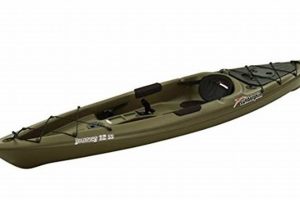
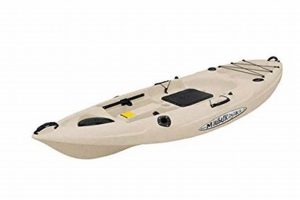
Transforming a standard kayak into a fishing-ready vessel involves adding specialized equipment and making modifications to enhance stability, storage, and angler convenience. This can include mounting rod holders, installing fish finders, adding anchor trolleys, and incorporating storage solutions for tackle and gear. For example, a recreational kayak can become a fishing platform by attaching rod holders to the gunwales and adding a crate with rod leashes for tackle storage.
A customized fishing kayak offers significant advantages, enabling anglers to access shallow waters and hard-to-reach fishing spots often inaccessible by larger boats. This provides a closer connection to the environment and a unique angling experience. Historically, kayaks have been used for fishing for centuries by various cultures, demonstrating the enduring practicality of this method. Modern adaptations, like specialized seating and advanced electronics, enhance comfort and effectiveness.
The subsequent sections will delve into specific modifications and equipment options available for kayak customization, outlining key factors to consider, including stability requirements, storage needs, and specific fishing techniques.
Tips for Kayak Fishing Conversion
Converting a standard kayak for fishing requires careful planning and execution. These tips offer guidance for a successful transformation.
Tip 1: Assess Stability Needs: Evaluate the kayak’s inherent stability. Wider, flatter-hulled kayaks offer greater stability, crucial for casting and reeling. Outrigger stabilizers can enhance stability for narrower kayaks.
Tip 2: Prioritize Rod Holder Placement: Consider fishing style and casting preferences when positioning rod holders. Flush-mounted rod holders offer a streamlined profile, while adjustable rod holders provide versatility.
Tip 3: Integrate a Fish Finder: A fish finder provides crucial underwater insights. Choose a model appropriate for kayak use and ensure proper battery management.
Tip 4: Implement an Anchor System: An anchor trolley system allows controlled anchoring from various positions on the kayak. Choose an anchor appropriate for the fishing environment.
Tip 5: Maximize Storage Solutions: Incorporate storage solutions for tackle, gear, and safety equipment. Waterproof bags and crates offer protection and organization.
Tip 6: Consider Comfort and Ergonomics: A comfortable seat and adjustable footrests enhance endurance during long fishing trips. Backrests provide additional support.
Tip 7: Prioritize Safety Equipment: Equip the kayak with essential safety gear, including a personal flotation device (PFD), whistle, and signaling devices.
Following these guidelines will facilitate a successful kayak conversion, resulting in a customized fishing platform tailored to individual needs and preferences, optimizing angling effectiveness and enjoyment.
These modifications enable anglers to access a broader range of fishing locations and enhance angling success. The final section will summarize key considerations and offer concluding insights.
1. Rod Holders

Rod holders are integral to converting a recreational kayak into a fishing platform. They provide secure storage for fishing rods, freeing the angler’s hands for paddling, maneuvering, and landing fish. Without rod holders, managing multiple rods while kayaking becomes cumbersome and potentially dangerous. For example, an angler attempting to paddle and simultaneously hold two rods risks losing control of the kayak or damaging the equipment. Rod holders mitigate these risks, allowing anglers to focus on fishing and kayak control.
Various rod holder types exist, each suited to specific fishing styles and kayak configurations. Flush-mounted rod holders offer a streamlined profile, minimizing interference while paddling. Adjustable rod holders allow anglers to change rod angles, optimizing presentation for different fishing techniques. Rail-mounted rod holders attach to existing kayak rails, providing flexibility in positioning. Selecting appropriate rod holders depends on the angler’s needs and the kayak’s design. A bass angler might prefer adjustable rod holders for versatility, while a fly fisher might opt for flush-mounted holders to maintain a low profile.
Proper rod holder installation is crucial for functionality and safety. Secure mounting ensures rods remain stable during transport and while fighting fish. Poorly installed rod holders can detach, leading to equipment loss or angler injury. Considering rod placement relative to the angler’s position and paddling stroke optimizes ergonomics and fishing efficiency. Strategic placement minimizes interference and allows easy access to rods when a fish strikes. Understanding these factors ensures rod holders contribute effectively to the overall fishing kayak setup.
2. Fish Finder

Integrating a fish finder significantly enhances a kayak’s fishing capabilities, transforming it from a simple vessel into a targeted fishing platform. Fish finders use sonar technology to provide real-time underwater information, including water depth, bottom structure, and fish location. This data empowers anglers to make informed decisions about where to fish, increasing the likelihood of success. Without a fish finder, anglers rely primarily on guesswork and visual cues, limiting their ability to locate fish efficiently. For instance, an angler seeking deep-water species in a large lake benefits immensely from a fish finder’s ability to pinpoint drop-offs and submerged structures where these fish congregate.
Several factors influence fish finder selection for kayak fishing. Portability, power consumption, and transducer type are key considerations. Compact, battery-powered units are ideal for kayaks due to space and weight limitations. Transducer mounting options vary, with some attaching to the hull and others deploying on a flexible arm. Choosing the correct transducer depends on the kayak’s hull design and the angler’s fishing style. A kayak angler targeting shallow-water species might prefer a transom-mount transducer, while an angler fishing in deeper water might opt for a through-hull transducer for optimal signal clarity.
Effective fish finder utilization requires understanding the displayed information. Interpreting sonar readings allows anglers to identify fish, differentiate between species, and understand bottom composition. This knowledge translates directly into improved fishing outcomes. Recognizing the nuances of sonar data enables anglers to distinguish between a school of baitfish and a larger predator, increasing the efficiency of targeting desired species. Mastery of fish finder technology represents a significant advancement in kayak fishing effectiveness, transforming a recreational activity into a more strategic and successful pursuit.
3. Anchor Trolley
An anchor trolley system is crucial for transforming a standard kayak into an effective fishing platform. It provides the ability to control kayak position and maintain stability in various fishing scenarios, enhancing angling effectiveness and safety. Without an anchor trolley, anglers face limitations in holding position against wind or current, impacting fishing presentation and potentially leading to drift into undesirable locations.
- Controlled Positioning:
An anchor trolley allows anglers to position the kayak precisely and adjust position easily. This is vital for maintaining optimal presentation of bait or lures, especially in moving water or windy conditions. For example, an angler fishing a river channel can use the trolley to hold the kayak slightly upstream, allowing a natural drift of the bait through the target zone. This controlled positioning enhances fishing effectiveness.
- Adaptability to Changing Conditions:
The anchor trolley system enables adjustments to changing wind or current directions. By simply moving the anchor attachment point along the trolley line, the kayak’s angle can be modified to maintain the desired position. This adaptability is critical for maintaining fishing effectiveness in dynamic environments, such as tidal flows or shifting winds.
- Enhanced Stability:
Anchoring a kayak using a trolley system improves stability, particularly important in rougher water or when fighting larger fish. The controlled anchoring prevents excessive rocking or drifting, allowing the angler to maintain balance and focus on the fish. This stability contributes significantly to angler safety and successful fish landing.
- Stealth and Reduced Disturbance:
Precise anchor control allows anglers to minimize disturbance in the fishing area. Maintaining a fixed position prevents unintentional drifting and reduces noise associated with paddle adjustments, creating a stealthier approach. This is particularly beneficial in shallow water or when targeting wary fish species.
By providing controlled positioning, adaptability to changing conditions, enhanced stability, and a stealthier approach, an anchor trolley system significantly contributes to the effectiveness of a fishing kayak. It empowers anglers to hold position accurately, maximizing fishing opportunities and contributing to a more successful and enjoyable angling experience.
4. Storage Solutions
Effective storage solutions are essential when converting a kayak for fishing. A recreational kayak typically lacks the specialized compartments needed for organizing fishing gear. Tackle boxes, rods, reels, lures, and safety equipment require designated spaces to prevent tangling, loss, and water damage. Without adequate storage, a kayak becomes cluttered and inefficient, hindering fishing success and potentially compromising safety. Consider a scenario where an angler needs to quickly access pliers to remove a hook, but the pliers are buried beneath a pile of loose gear. This delay could lead to fish loss or injury. Well-designed storage solutions mitigate such problems.
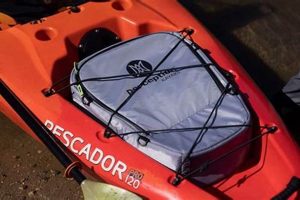
Various storage options exist for fishing kayaks, each with specific advantages. Dry bags protect sensitive electronics and personal items from water. Tackle boxes organize lures and hooks, ensuring easy access. Milk crates, often secured to the kayak deck, offer versatile storage for larger items. Rod holders prevent rods from tangling and keep them readily available. Selecting appropriate storage depends on individual needs and the type of fishing pursued. A fly fisherman, for example, might prioritize waterproof storage for flies and lines, while a bass angler might require larger compartments for tackle boxes and lures.
Strategic placement of storage further enhances kayak functionality. Frequently used items should be within easy reach, while less critical items can be stored in less accessible areas. Weight distribution also plays a crucial role in kayak stability. Distributing gear evenly prevents imbalance and ensures optimal kayak performance. Careful consideration of these factors results in a well-organized and efficient fishing kayak, maximizing angling success and overall enjoyment on the water. Proper storage transforms a standard kayak into a dedicated fishing platform, ready to tackle any angling challenge.
5. Stability Enhancements

Stability is paramount when converting a recreational kayak for fishing. A stable platform is essential for casting, reeling, and landing fish, especially in challenging conditions. Modifications that enhance stability directly contribute to angler safety and fishing effectiveness. Without adequate stability, anglers risk capsizing, particularly when battling larger fish or navigating choppy water. Stability enhancements transform a standard kayak into a secure and functional fishing platform.
- Outriggers:
Outriggers provide significant stability by extending the kayak’s width. These buoyant arms attach to the kayak’s sides, creating a wider base and reducing the likelihood of tipping. Outriggers are particularly beneficial for anglers fishing in rough water or those who require extra stability due to physical limitations. Deploying outriggers transforms a potentially unstable kayak into a confident fishing platform, enabling anglers to focus on fishing rather than maintaining balance. Anglers using stand-up fishing techniques benefit significantly from the added stability offered by outriggers.
- Wider Hull Kayaks:
Choosing a kayak with a wider hull inherently improves stability. Wider kayaks offer a larger surface area in contact with the water, reducing rocking and tipping. While this requires selecting a specific kayak design, it provides a fundamental stability advantage. Anglers prioritizing stability often choose wider kayaks specifically for fishing, sacrificing some maneuverability for enhanced balance. This inherent stability simplifies fishing tasks and improves safety in various water conditions.
- Stabilizer Fins:
Stabilizer fins attach to the kayak’s hull and extend below the waterline, providing additional resistance to tipping. These fins act similarly to a keel on a sailboat, enhancing stability, especially in windy conditions or when navigating currents. Stabilizer fins can be added to existing kayaks, offering a retrofit solution for improved stability. Anglers fishing in open water or areas prone to wind often find stabilizer fins beneficial in maintaining kayak control and enhancing fishing comfort.
- Weight Distribution:
Proper weight distribution within the kayak plays a crucial role in stability. Distributing gear evenly, avoiding excessive weight at either end, minimizes rocking and improves balance. Securing heavier items low in the kayak lowers the center of gravity, further enhancing stability. Strategic weight management contributes significantly to overall kayak stability, regardless of other modifications. Anglers who distribute gear thoughtfully minimize the risk of capsizing and create a more stable fishing platform.
These stability enhancements transform a standard kayak into a safe and effective fishing platform. By improving balance and reducing the risk of capsizing, these modifications allow anglers to focus on fishing, enhancing their overall experience and increasing the likelihood of success. Choosing appropriate stability enhancements depends on individual needs, fishing style, and the typical water conditions encountered.
6. Comfort Upgrades

Comfort upgrades play a crucial role in transforming a standard kayak into a dedicated fishing platform. Extended fishing trips often involve hours on the water, and discomfort can detract significantly from the experience, potentially shortening trips and reducing fishing effectiveness. Upgrading comfort features allows anglers to remain on the water longer, increasing fishing opportunities and overall enjoyment. An uncomfortable angler is a distracted angler, less likely to notice subtle bites or react quickly to a hooked fish. Consider an angler experiencing back pain due to a poorly designed seat; their focus shifts from fishing to discomfort, diminishing their chances of success.
Several comfort upgrades significantly impact the fishing kayak experience. Upgrading to a high-quality, adjustable seat with proper lumbar support reduces fatigue and improves posture, enabling anglers to fish comfortably for extended periods. Adjustable footrests contribute to stability and comfort, allowing anglers to customize their position for optimal paddling and casting. Adding a backrest further enhances comfort, providing additional support and reducing strain on the back. These seemingly minor upgrades collectively transform the fishing experience, allowing for longer, more productive, and enjoyable outings. For example, an angler targeting offshore species might spend hours paddling and waiting for a bite. A comfortable seating arrangement allows them to maintain focus and react efficiently when a fish strikes.
Prioritizing comfort in a fishing kayak setup yields tangible benefits. Reduced fatigue translates to increased fishing time and improved concentration. Enhanced stability, derived from comfortable positioning, allows for more accurate casting and more effective fish fighting. Ultimately, comfort upgrades contribute directly to a more successful and enjoyable fishing experience. While specialized fishing kayaks often incorporate these features, adapting a recreational kayak with comfort upgrades achieves similar results, creating a customized fishing platform tailored to individual needs. Addressing comfort maximizes fishing potential and ensures that time on the water remains a pleasurable and rewarding pursuit.
7. Safety Equipment

Safety equipment is paramount when converting a kayak for fishing. The inherent risks associated with on-water activities are amplified when incorporating fishing gear and techniques. A stable and well-equipped kayak contributes significantly to angler safety, allowing focus to remain on fishing rather than mitigating potential hazards. Neglecting safety precautions can lead to serious consequences, transforming a recreational outing into a life-threatening situation. Integrating appropriate safety equipment is an integral aspect of responsible kayak fishing preparation.
- Personal Flotation Device (PFD):
A properly fitted PFD is non-negotiable for kayak fishing. It provides essential buoyancy in the event of capsizing, preventing drowning. Choosing a PFD designed for paddling allows for comfortable movement while casting and reeling. A PFD should be viewed not as optional gear, but as a fundamental safety requirement, much like a seatbelt in a car. Anglers should ensure their PFD is in good condition and worn consistently throughout the fishing trip, regardless of perceived swimming ability or water conditions.
- Whistle or Signaling Device:
A whistle or other signaling device is crucial for attracting attention in emergencies. In situations such as capsizing or becoming lost, a whistle can alert other boaters or people on shore. Visual signals, such as flares or a mirror, further enhance visibility, especially in low-light conditions. A signaling device can be the difference between a swift rescue and a prolonged, potentially dangerous situation. Regularly testing these devices ensures functionality when needed.
- First-Aid Kit:
A well-stocked first-aid kit addresses minor injuries that can occur while fishing, such as hook punctures or cuts. Including essential items like antiseptic wipes, bandages, and pain relievers enables immediate treatment, preventing infection and minimizing discomfort. A comprehensive first-aid kit demonstrates preparedness and reduces the severity of potential injuries, contributing to a safer and more enjoyable fishing experience. Anglers should familiarize themselves with basic first-aid procedures to effectively utilize the kit’s contents.
- Bilge Pump or Bailer:
Water can enter a kayak through various means, including waves, rain, or leaks. A bilge pump or bailer allows for quick removal of accumulated water, preventing the kayak from becoming swamped and maintaining stability. This is particularly critical in rougher water conditions where water ingress is more likely. Regularly inspecting and maintaining these devices ensures they are functional and ready for use when needed.
These safety measures transform a standard kayak into a safer fishing platform, mitigating potential risks and ensuring angler well-being. Integrating safety equipment into kayak fishing preparation demonstrates responsible angling practices, allowing for a more focused and enjoyable experience. By prioritizing safety, anglers can confidently explore their favorite fishing spots, knowing they are equipped to handle unexpected situations and return safely ashore.
Frequently Asked Questions
This section addresses common inquiries regarding kayak fishing adaptations, providing concise and informative responses to facilitate informed decision-making.
Question 1: What type of kayak is best suited for fishing modifications?
Sit-on-top kayaks are generally preferred for fishing due to their stability and open design, allowing for easier access to gear and re-entry after a potential capsize. Sit-in kayaks can also be adapted, but considerations for stability and water ingress become more critical.
Question 2: Are modifications necessary for all types of fishing?
While basic fishing can be accomplished from a standard kayak, modifications significantly enhance fishing effectiveness and safety. Specialized techniques, such as trolling or fly fishing, benefit substantially from tailored adaptations.
Question 3: What is the average cost associated with converting a kayak for fishing?
Costs vary depending on the extent of modifications. Basic additions, such as rod holders and storage, can be relatively inexpensive. Integrating advanced electronics, like fish finders, significantly increases the investment.
Question 4: How does kayak fishing compare to fishing from a motorized boat?
Kayak fishing offers access to shallow waters and secluded areas inaccessible to larger vessels. It provides a closer connection to the environment but requires greater physical exertion and limits carrying capacity.
Question 5: What safety precautions are essential for kayak fishing?
Wearing a personal flotation device (PFD) is paramount. Carrying a whistle, signaling device, and first-aid kit further enhances safety. Checking weather conditions and informing someone of fishing plans are also crucial precautions.
Question 6: Are there regulations specific to kayak fishing?
Regulations vary by location. Anglers should consult local authorities regarding licensing requirements, catch limits, and permitted fishing areas. Adhering to these regulations ensures responsible and legal fishing practices.
Understanding these aspects of kayak fishing adaptation promotes informed decision-making, contributing to a safer and more effective fishing experience.
The subsequent section will offer concluding remarks and summarize key takeaways for converting a kayak into a dedicated fishing platform.
Conclusion
Adapting a kayak for fishing involves thoughtful consideration of various factors, including stability, storage, and angler comfort. Strategic equipment selection and proper installation are crucial for maximizing fishing effectiveness and ensuring angler safety. From rod holders and fish finders to anchor trolleys and comfort upgrades, each modification contributes to the overall functionality and enjoyment of the fishing kayak experience. Prioritizing safety equipment, such as personal flotation devices and signaling devices, remains paramount. Understanding these elements allows for the creation of a personalized fishing platform tailored to individual needs and preferences.
Careful planning and execution transform a standard kayak into a dedicated fishing vessel, opening access to new angling opportunities and enhancing the overall fishing experience. Successful kayak adaptation requires a balance of functionality, comfort, and safety, enabling anglers to explore diverse waterways and connect more intimately with the aquatic environment. The potential for customization empowers anglers to create a fishing platform uniquely suited to their individual pursuits, fostering a deeper appreciation for the sport and the natural world.