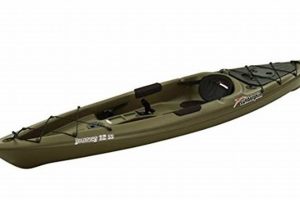
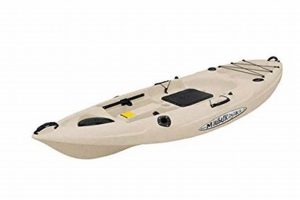
A device designed for kayak anglers provides a secure and convenient method for keeping captured fish alive in the water while continuing to fish. This typically involves a buoyant line or chain with clips for attaching fish, often integrated with a kayak’s features or carried as a separate accessory. An example includes a rope float with individual clips for securing catches, allowing them to remain submerged and fresh until the angler returns to shore.
Maintaining the freshness and vitality of caught fish contributes to a higher quality culinary experience. Additionally, it promotes ethical angling practices by enabling the release of unwanted or undersized fish in good condition. The historical context likely stems from traditional stringer practices adapted for the specific needs and constraints of kayak fishing, where livewells are often impractical. This specialized equipment reflects the evolution of fishing gear to meet the demands of a growing recreational activity.
This discussion will further explore the different types of these devices, their proper usage, and their role in responsible and enjoyable kayak angling. Factors to be considered include material selection, design variations, and integration with different kayak types.
Tips for Effective Stringer Usage in Kayaks
Proper use of these specialized devices ensures both successful angling and responsible fish handling. These tips offer guidance for maximizing utility and minimizing negative impacts.
Tip 1: Choose the Right Material. Durable, non-corrosive materials like stainless steel or coated cables are essential for saltwater environments. Nylon rope can be suitable for freshwater, but inspect regularly for wear.
Tip 2: Consider Kayak Compatibility. Select a device compatible with the kayak’s design and features. Some kayaks offer integrated systems, while others require standalone devices that can be easily attached and detached.
Tip 3: Securely Attach the Stringer. Ensure the device is firmly anchored to the kayak to prevent loss or entanglement. Utilize designated attachment points or secure knots.
Tip 4: Limit Fish Capacity. Overloading reduces buoyancy and can stress the fish. Keep the number of fish on the stringer to a manageable quantity for the device’s size and the species being kept.
Tip 5: Minimize Fish Handling. Handle fish carefully and quickly when attaching them to the stringer to minimize stress and injury. Use appropriate techniques to avoid damaging gills or scales.
Tip 6: Monitor Fish Regularly. Check the condition of the fish frequently. Remove any deceased fish promptly and adjust the stringer’s position if necessary to ensure adequate water flow and oxygenation.
Tip 7: Adhere to Regulations. Consult local fishing regulations regarding stringer use, including any limitations on species, size, or quantity of fish that can be kept.
Following these guidelines promotes responsible fishing practices and helps maintain the quality of the catch. These practices improve the overall kayak angling experience.
This discussion provides a foundation for selecting and utilizing these tools effectively. Further exploration of specific techniques and regional regulations is recommended for optimal results.
1. Kayak Selection

Appropriate kayak selection is fundamental for successful and enjoyable fishing with a stringer. The kayak’s design and features significantly impact stringer usage, fish handling, and overall angling experience. Choosing the correct kayak ensures stability, accessibility, and efficient management of the catch.
- Stability
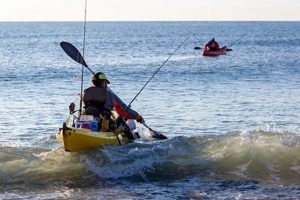
Stability is paramount when handling fish alongside a kayak. Wider, flatter-bottomed kayaks offer greater stability compared to narrower, more performance-oriented designs. Enhanced stability minimizes the risk of capsizing, especially during the process of attaching fish to the stringer. A stable platform contributes to a safer and more controlled fishing experience.
- Storage and Accessibility
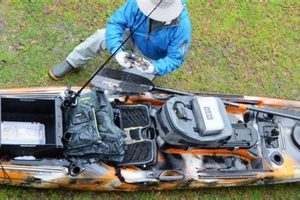
Sufficient storage and easy access to the stringer are essential. Kayaks with dedicated storage compartments or readily accessible areas near the angler facilitate convenient and efficient fish handling. Easy access minimizes disruptions and allows for quick and safe securing of the catch. Examples include rear wells, tank wells, or side storage areas that accommodate the stringer and allow for easy reach.
- Kayak Type
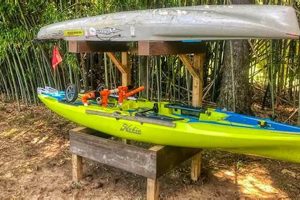
Sit-on-top kayaks generally provide superior stability and accessibility for stringer fishing compared to sit-inside kayaks. The open design of sit-on-tops allows for easier movement and maneuvering around the stringer. Sit-inside kayaks can present challenges with limited space and potential entanglement issues. Choosing the appropriate kayak type directly influences the practicality and ease of stringer management.
- Integration Points
Some kayaks offer integrated features designed specifically for stringer use, such as dedicated attachment points or built-in stringer systems. These features enhance convenience and security. Kayaks lacking these features may require aftermarket accessories or adaptations for secure stringer attachment. Evaluating integration points during kayak selection contributes to a more streamlined and effective stringer setup.
Careful consideration of these facets during kayak selection ensures compatibility with a fish stringer and enhances the overall fishing experience. A well-chosen kayak contributes significantly to safety, efficiency, and enjoyment while angling with a stringer. Prioritizing these factors optimizes the entire process, from landing the fish to preserving the catch.
2. Stringer types

Stringer selection significantly impacts the effectiveness and ethical implications of kayak fishing. Different stringer types offer varying levels of fish security, ease of use, and impact on fish health. Understanding these variations allows anglers to choose the most suitable option for their specific needs and fishing environment.
- Floating Stringers
Floating stringers consist of a buoyant line or chain with individual clips for attaching fish. These stringers keep the catch alive and fresh in the water alongside the kayak. Examples include rope stringers with metal clips or chain stringers with specialized fish grips. Floating stringers are suitable for most kayak fishing scenarios, allowing for continuous angling without the need to return to shore or a larger vessel to store the catch. However, they can become cumbersome in strong currents or when navigating through dense vegetation.
- Kayak-Mounted Stringers
Kayak-mounted stringers integrate directly into the kayak’s structure. These systems often feature specialized clips or holding mechanisms built into the kayak’s hull or deck. They provide a secure and streamlined solution for managing captured fish. Examples include recessed stringer systems or integrated tracks with sliding clips. Kayak-mounted stringers offer convenience and minimize the risk of entanglement. However, they may limit the angler’s flexibility in positioning the stringer or transferring it to another kayak.
- Cooler Bag Stringers
While not strictly a stringer, a cooler bag can serve as a temporary holding solution for caught fish, particularly in warmer climates. Filling the cooler with water creates a makeshift livewell, keeping fish fresh and protected from the sun. This method offers greater protection for the fish but requires dedicated space within the kayak and increases the overall weight. Cooler bags are particularly useful for anglers targeting species sensitive to temperature fluctuations.
- Mesh Stringer Bags
Mesh stringer bags offer an alternative for smaller fish or those destined for immediate consumption. These bags typically hang over the side of the kayak, allowing water to flow through and keep the fish relatively fresh. While convenient for short trips, mesh bags offer less individual fish security than clip-based stringers and may not be suitable for larger or more active species.
Choosing the appropriate stringer type contributes to a responsible and successful kayak fishing experience. Factors such as target species, fishing environment, and personal preference influence this decision. A well-chosen stringer ensures the humane treatment of captured fish while maintaining their freshness and quality. The various stringer types available cater to diverse angling needs and preferences, contributing to the versatility and adaptability of kayak fishing.
3. Proper Fish Handling

Proper fish handling is integral to ethical and sustainable kayak angling with a stringer. Minimizing stress and injury to fish ensures their well-being, particularly if releasing them back into the water. Employing appropriate handling techniques contributes to the conservation of fish populations and preserves the integrity of the aquatic ecosystem. Using a stringer necessitates careful handling to avoid exacerbating any stress induced by capture.
A key aspect of proper handling involves minimizing air exposure. Fish require oxygen from water, and prolonged exposure to air can cause stress and damage to sensitive gill tissues. Wetting hands before handling fish and minimizing the time they spend out of the water reduces stress and improves survival rates, particularly for released fish. Swift and gentle transfer from net to stringer is crucial. For example, quickly securing a fish to the stringer while minimizing its time out of the water increases its chances of survival upon release.
Appropriate handling techniques also extend to minimizing physical contact. Excessive handling or squeezing can damage the fish’s protective slime coat, leaving it vulnerable to infections and parasites. Supporting the fish’s weight properly while attaching it to the stringer reduces pressure on internal organs and minimizes the risk of injury. For deep-hooked fish, using appropriate tools to remove the hook swiftly and efficiently reduces trauma. The cumulative effect of careful handling practices ensures the health and survival of fish interacting with stringer systems in kayak fishing. This contributes to the sustainability of the practice and minimizes the impact on fish populations.
4. Legal Compliance

Legal compliance forms a crucial aspect of responsible kayak angling with a stringer. Regulations governing fish stringer use vary significantly by jurisdiction and often encompass factors such as species-specific limits, size restrictions, and permitted number of fish. Ignoring these regulations can lead to fines, confiscation of equipment, and suspension of fishing privileges. Understanding and adhering to local laws ensures the sustainability of fish populations and preserves the integrity of the aquatic environment. For instance, regulations might stipulate a maximum size limit for keeping certain species, aiming to protect breeding populations. Exceeding this limit while using a stringer could constitute a violation, even if the angler intends to release the fish later. Conversely, some regulations may prohibit the use of stringers altogether for specific species or within designated conservation areas. Therefore, researching and understanding local regulations is paramount before deploying a stringer.
Practical application of legal compliance requires anglers to familiarize themselves with current regulations before each fishing trip. Resources such as local fishing websites, regulatory agencies, and bait and tackle shops provide up-to-date information on legal requirements. Carrying a printed copy of relevant regulations while on the water ensures easy access to this information. Furthermore, anglers should actively monitor changes in regulations, as these can vary seasonally or even annually. For example, regulations governing trout fishing often change depending on the spawning season, impacting permissible size limits and stringer usage. Staying informed about such changes is essential for maintaining legal compliance.
In conclusion, legal compliance acts as a cornerstone of ethical and sustainable kayak fishing with a stringer. Understanding and adhering to local regulations ensures the long-term health of fish populations and preserves the enjoyment of fishing for future generations. Failing to comply not only jeopardizes these resources but also undermines the integrity of the angling community. By prioritizing legal compliance, kayak anglers contribute to the responsible stewardship of aquatic environments.
5. Safety Precautions
Safety precautions are essential when using a fish stringer while kayak fishing. The combination of water, sharp objects, and potentially active fish presents unique hazards. Neglecting safety protocols increases the risk of injury, equipment loss, and potential compromise of the kayak’s stability. Proper precautions mitigate these risks and contribute to a safer and more enjoyable angling experience. For instance, a loosely secured stringer can snag on underwater obstacles, potentially capsizing the kayak. Similarly, improper handling of a loaded stringer can lead to puncture wounds from fishhooks or spines. Therefore, understanding and implementing appropriate safety measures is crucial.
Key safety considerations include secure stringer attachment, careful fish handling, and awareness of surroundings. Stringers should be attached to designated points on the kayak or secured with reliable knots to prevent accidental detachment. Handling fish with wet hands minimizes stress on the fish and reduces the risk of slippage, protecting both the angler and the catch. Maintaining awareness of the surrounding environment, including other boats, submerged obstacles, and changing weather conditions, further enhances safety. For example, attaching a stringer to a loose paddle leash rather than a dedicated anchor point poses a significant risk of losing both the stringer and the paddle. Likewise, handling a thrashing fish without appropriate gloves increases the risk of injury. Practical application of these precautions significantly enhances safety.
In summary, prioritizing safety precautions is integral to responsible and enjoyable kayak fishing with a stringer. Implementing appropriate procedures minimizes risks and ensures a positive experience. Failing to address these safety concerns can lead to preventable accidents and negatively impact the overall angling outing. A comprehensive understanding of these precautions and their practical application contributes significantly to a safer and more successful kayak fishing experience.
6. Environmental Impact
Assessing the environmental impact of using fish stringers in kayak fishing requires consideration of their potential effects on fish populations, water quality, and overall ecosystem health. Although seemingly minor, the cumulative impact of stringer use, particularly when practiced irresponsibly, can contribute to broader ecological concerns. Understanding these impacts promotes more sustainable and responsible angling practices.
- Fish Mortality and Stress
Stringers, while designed to keep fish alive, can inadvertently contribute to fish mortality if used improperly. Overcrowding, inadequate water flow, or prolonged exposure to air can stress and even kill fish, particularly sensitive species. Mortality from stringer use depletes fish populations and disrupts the natural balance of aquatic ecosystems. For instance, keeping too many fish on a stringer in warm, stagnant water depletes oxygen levels, leading to suffocation. Additionally, physical trauma from improper handling or hook removal can exacerbate stress and increase mortality rates.
- Habitat Disruption
Improperly secured or deployed stringers can snag on underwater structures like coral reefs or submerged vegetation, causing physical damage to these habitats. These habitats provide essential shelter and breeding grounds for various aquatic species. Their disruption can have cascading effects on the entire ecosystem. For example, a stringer dragging along a coral reef can break off delicate coral branches, impacting the reef’s structure and the organisms that rely on it for survival.
- Water Quality Degradation
Decaying fish left on stringers too long can degrade water quality. The decomposition process consumes dissolved oxygen and releases nutrients, potentially contributing to algal blooms and other water quality issues. These changes can negatively impact other aquatic organisms and disrupt the delicate balance of the ecosystem. Similarly, discarding fish remains or improperly cleaned stringers near the water’s edge can introduce harmful bacteria and pollutants.
- Spread of Invasive Species
Stringers can inadvertently facilitate the spread of invasive species. If used in one body of water and then transported to another without proper cleaning, they can transfer invasive plants, invertebrates, or pathogens. These introductions can disrupt native ecosystems and outcompete indigenous species. For example, transporting a stringer contaminated with invasive zebra mussel larvae to a new lake can introduce this highly disruptive species to a previously unaffected environment.
Minimizing the environmental impact of fish stringers requires responsible angling practices. Careful fish handling, limiting the number of fish kept on the stringer, adhering to local regulations, and properly cleaning and maintaining equipment all contribute to mitigating these potential impacts. By understanding the interconnectedness of these factors, kayak anglers can adopt practices that prioritize the long-term health and sustainability of aquatic ecosystems.
7. Maintenance and Care

Maintenance and care are essential for maximizing the lifespan and functionality of fish stringers used in kayak angling. Neglecting these practices can lead to equipment failure, potential safety hazards, and negative environmental impacts. Regular maintenance ensures the stringer remains reliable, safe, and contributes to a responsible angling experience. For example, a corroded metal clip can fail under the weight of a fish, leading to its loss. Similarly, a tangled or poorly maintained rope stringer can create difficulties when handling fish, increasing the risk of accidents. Proper maintenance mitigates these risks.
Specific maintenance tasks vary depending on the stringer’s construction. Metal components, such as clips and chains, benefit from regular rinsing with fresh water after each use, especially in saltwater environments. This removes corrosive salt residue and prolongs the metal’s lifespan. Rope stringers require inspection for fraying or wear and should be replaced if any weaknesses are detected. Storing stringers in a cool, dry place prevents mold growth and material degradation. For example, thoroughly rinsing a stainless steel stringer after each saltwater fishing trip prevents the buildup of salt crystals that can weaken the metal over time. Similarly, storing a nylon rope stringer loosely coiled in a dry bag prevents mildew and maintains its strength and flexibility.
Proper maintenance contributes directly to the longevity and effectiveness of fish stringers in kayak fishing. It ensures the equipment remains functional, safe, and minimizes its environmental impact. Regular inspection and cleaning reduce the risk of equipment failure, enhance safety during fish handling, and prevent the spread of aquatic invasive species. Furthermore, a well-maintained stringer contributes to a more positive and enjoyable kayak angling experience, reflecting a commitment to responsible and sustainable practices.
Frequently Asked Questions
This section addresses common inquiries regarding the use of fish stringers in kayak angling. Understanding these frequently asked questions enhances angler knowledge and promotes responsible practices.
Question 1: What are the benefits of using a fish stringer while kayak fishing?
Stringers allow anglers to keep caught fish alive and fresh in the water while continuing to fish, enhancing both culinary quality and ethical catch-and-release practices. They offer a convenient alternative to onboard livewells, which are often impractical in kayaks.
Question 2: Are there any legal restrictions on fish stringer use?
Regulations vary significantly by jurisdiction. Consulting local fishing regulations before using a stringer is essential to ensure compliance with species-specific limits, size restrictions, and permitted numbers. Non-compliance can result in penalties.
Question 3: How does one choose the right stringer for kayak fishing?
Stringer selection depends on factors like target species, fishing environment, and personal preference. Floating stringers, kayak-mounted systems, and cooler bags offer various benefits and drawbacks. Compatibility with the kayak’s design is also a key consideration.
Question 4: What are the potential environmental impacts of using a fish stringer?
Improper stringer use can lead to fish mortality due to stress, overcrowding, or inadequate water flow. Stringers can also damage underwater habitats if snagged and may contribute to water quality degradation if decaying fish are left attached. Responsible usage mitigates these impacts.
Question 5: What safety precautions should one take when using a fish stringer on a kayak?
Secure stringer attachment, careful fish handling, and awareness of surroundings are crucial. Loose stringers can create entanglement hazards, and improper handling of fish can lead to injuries. Maintaining situational awareness minimizes the risk of accidents.
Question 6: How should a fish stringer be maintained?
Regular cleaning, especially after saltwater use, prolongs the lifespan of metal components. Inspecting rope stringers for wear and tear and replacing them as needed ensures continued functionality and safety. Proper storage prevents mold and material degradation.
Understanding these aspects of fish stringer use in kayak angling enhances enjoyment and promotes responsible practices that benefit both anglers and the environment. Continued learning about local regulations and best practices ensures a sustainable approach to this fishing method.
Beyond these FAQs, further exploration of specific stringer types, fish handling techniques, and regional regulations enhances angler knowledge and fosters a deeper understanding of responsible kayak fishing practices.
Fish Stringer Kayak
Effective utilization in kayak angling necessitates careful consideration of various factors. Selection of appropriate equipment, coupled with responsible fish handling techniques, ensures both angler safety and the well-being of the catch. Adherence to legal regulations and a commitment to minimizing environmental impact contribute to the sustainability of this practice. Proper maintenance of equipment prolongs its lifespan and reduces potential risks. These elements collectively enhance the overall angling experience.
Responsible angling practices, informed by knowledge and respect for the aquatic environment, safeguard fish populations and preserve the enjoyment of fishing for future generations. Continued education and adaptation of best practices remain crucial for the ethical and sustainable evolution of kayak angling with stringers. The future of this popular recreational activity relies on the conscientious actions of anglers who prioritize both their catch and the health of the ecosystem.