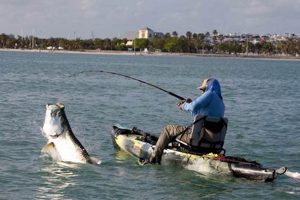
The intersection of angling from a kayak and the psychological and emotional experience it provides represents a unique pursuit. It combines the technical challenge of kayak fishing with the inherent serenity and connection to nature that kayaking offers. For example, the quiet anticipation of a strike while drifting on calm water, or the exhilaration of landing a fish after a challenging fight, are heightened by the intimate connection with the environment afforded by a kayak.
This pursuit offers benefits beyond the simple act of catching fish. The solitude and immersion in nature can foster a sense of peace and mental clarity. The physical exertion involved in paddling and fishing can provide a healthy outlet for stress and promote physical fitness. While kayak fishing has ancient roots in indigenous cultures who utilized small boats for fishing, its modern form has evolved alongside recreational kayaking and sport fishing, growing in popularity due to increased accessibility and affordability of kayaks and fishing gear.
Further exploration of this topic will delve into specific aspects of kayak fishing, such as the types of kayaks and equipment used, suitable locations, and responsible fishing practices that ensure both angler safety and environmental preservation.
Tips for Enhancing the Kayak Fishing Experience
Maximizing the enjoyment derived from kayak fishing involves careful consideration of several key elements. These tips emphasize preparation and mindful interaction with the environment to foster a more rewarding experience.
Tip 1: Pre-Trip Planning is Crucial: Research potential fishing locations thoroughly, considering factors like water conditions, weather forecasts, and local regulations. Checking tide charts and wind predictions is especially important for a safe and productive outing.
Tip 2: Prioritize Safety Equipment: Always wear a personal flotation device (PFD) and carry essential safety gear, including a whistle, signaling device, and first-aid kit. A fully charged mobile phone in a waterproof case allows for communication in emergencies.
Tip 3: Select Appropriate Gear: Choose a kayak and paddle suited to the fishing environment and personal physical capabilities. Rod holders, tackle storage, and anchor systems contribute to an efficient and organized fishing setup.
Tip 4: Practice Kayak Control: Develop proficient paddling and maneuvering skills before venturing into open water or challenging conditions. This ensures confident navigation and reduces the risk of accidents.
Tip 5: Respect the Environment: Adhere to Leave No Trace principles. Pack out all trash, avoid disturbing wildlife, and minimize impact on the natural surroundings. Responsible angling practices contribute to the preservation of these valuable ecosystems.
Tip 6: Embrace Mindfulness: Disconnect from distractions and fully immerse oneself in the present moment. Appreciate the serenity of the surroundings and the subtle interactions with the natural world. This mindful approach enhances the overall experience.
Tip 7: Focus on the Experience, Not Just the Catch: Value the tranquility and connection with nature that kayak fishing provides. The pursuit itself, regardless of the quantity or size of fish caught, offers intrinsic rewards.
By following these guidelines, individuals can enhance their enjoyment of kayak fishing while prioritizing safety and environmental responsibility. The combination of thoughtful preparation and mindful engagement contributes to a truly enriching experience.
These insights into enhancing the kayak fishing experience pave the way for a concluding discussion on the long-term benefits and the growing appeal of this unique pursuit.
1. Tranquility

Tranquility represents a core element of the emotional appeal of kayak fishing. The inherent quiet of paddling, often in secluded natural settings, fosters a sense of peace and calm. This tranquility allows for disconnection from the pressures of daily life and promotes a meditative state. The gentle rocking of the kayak, combined with the surrounding sounds of nature lapping water, birdsong, rustling leaves creates a uniquely soothing environment. Consider the experience of drifting on a calm lake at dawn, surrounded by mist and the quiet anticipation of a fish striking the lure. This immersion in nature facilitates a deep sense of tranquility rarely found in other activities.
This sense of peace offers significant benefits beyond simple relaxation. It allows for introspection and contemplation, fostering a deeper connection with oneself and the natural world. The ability to clear the mind and focus on the present moment enhances the overall fishing experience. For example, the focused attention required while waiting for a bite becomes less about the act of fishing and more about appreciating the stillness and beauty of the surroundings. This shift in perspective allows individuals to derive greater enjoyment and emotional fulfillment from the experience, even if fish aren’t biting.
Cultivating tranquility in kayak fishing requires mindful engagement. Minimizing distractions, such as electronic devices, allows for full immersion in the present moment. Observing the subtle details of the environment the play of light on the water, the movement of insects, the changing weather patterns enhances the sense of peace and connection. Though external factors like wind, weather, or other boat traffic can occasionally disrupt the tranquility, these challenges can be reframed as opportunities to practice adaptability and resilience. Ultimately, the pursuit of tranquility in kayak fishing offers a pathway to emotional restoration and a deeper appreciation for the natural world.
2. Challenge
Challenge forms an integral component of the emotional landscape of kayak fishing. It presents itself in various forms, from navigating challenging water conditions and mastering kayak control to selecting appropriate tackle and strategizing for specific fish species. Successfully overcoming these challenges generates a sense of accomplishment and self-efficacy, contributing significantly to the overall emotional reward. The physical demands of paddling against currents or wind, combined with the mental focus required for successful angling, create a dynamic interplay between physical exertion and mental acuity. For instance, landing a large fish from a small, unstable platform requires precise coordination and skillful angling technique, intensifying the sense of achievement.
The level of challenge sought varies among individuals. Some anglers may prefer calm, predictable waters, focusing on the technical aspects of fishing. Others might seek more adventurous experiences, tackling challenging currents, navigating through tight mangroves, or venturing offshore in pursuit of pelagic species. Regardless of the chosen environment, the presence of challenge, whether subtle or overt, adds depth and complexity to the experience. This pursuit of challenge often extends beyond simply catching fish. It can involve mastering new techniques, exploring unfamiliar waters, or pushing personal boundaries. The ability to adapt to changing conditions, overcome obstacles, and learn from setbacks fosters resilience and strengthens the connection with the sport.
Recognizing the role of challenge in kayak fishing provides a deeper understanding of its appeal. It highlights the importance of setting personal goals, embracing learning opportunities, and developing a growth mindset. The pursuit of challenge, when balanced with responsible practices and a respect for the environment, enhances the overall emotional experience and contributes to a more meaningful connection with the sport. This understanding allows individuals to tailor their approach to kayak fishing, seeking out experiences that align with their desired level of challenge and fostering a deeper appreciation for the unique rewards it offers.
3. Connection with Nature
Connection with nature represents a fundamental aspect of the emotional appeal of kayak fishing. The immersive experience of paddling amidst natural surroundings fosters a sense of belonging and interconnectedness, enhancing the overall emotional well-being of the angler. This direct interaction with the environment offers a unique opportunity to appreciate the delicate balance of the ecosystem and develop a deeper understanding of the natural world.
- Sensory Immersion
Kayak fishing provides an unparalleled opportunity for sensory immersion. The quiet glide of the kayak through the water, the sounds of birdsong and rustling leaves, the feel of the sun and the wind on the skin, and the sight of diverse flora and fauna combine to create a rich sensory experience. This heightened awareness of the natural surroundings fosters a deeper appreciation for the environment. For example, observing the subtle changes in water clarity or noticing the intricate patterns of aquatic plant life can enhance the angler’s understanding of the ecosystem and its interconnectedness.
- Perspective Shift
Kayaking offers a unique perspective on the natural world, distinct from shore-based fishing. Being at water level provides a closer connection to aquatic life and allows for observations often missed from land. The angler becomes an integral part of the waterscape, fostering a sense of belonging and interconnectedness. This perspective shift can lead to a greater appreciation for the fragility of the ecosystem and the importance of conservation efforts. For instance, witnessing firsthand the impact of pollution or habitat destruction can instill a stronger sense of environmental responsibility.
- Mindfulness and Presence
The quiet and rhythmic nature of paddling encourages a state of mindfulness, allowing anglers to focus on the present moment and appreciate the beauty of their surroundings. This escape from daily distractions fosters a sense of peace and tranquility, enhancing the overall emotional experience. The act of fishing itself, requiring patience and focused attention, further contributes to this mindful state. Consider the example of an angler patiently waiting for a bite, observing the subtle movements of the water and the changing light patterns on the surface. This focused attention promotes a deeper connection with the natural world and a heightened sense of presence.
- Respect and Stewardship
The intimate connection fostered through kayak fishing often cultivates a sense of respect and stewardship for the environment. Anglers develop a greater understanding of the importance of preserving natural habitats and practicing responsible fishing techniques. This sense of responsibility extends beyond the immediate fishing location and contributes to a broader commitment to environmental conservation. For example, anglers who witness the negative impacts of pollution firsthand might become more actively involved in conservation efforts or advocate for sustainable practices.
These interconnected facets of connection with nature contribute significantly to the emotional richness of kayak fishing. The sense of immersion, the shift in perspective, the cultivation of mindfulness, and the fostering of environmental stewardship combine to create a profoundly rewarding and emotionally fulfilling experience. This deep connection with the natural world not only enhances the enjoyment of the activity itself but also promotes a greater sense of well-being and a renewed appreciation for the importance of environmental conservation.
4. Personal Reflection

Kayak fishing, offering solitude and immersion in nature, facilitates personal reflection. The rhythmic paddling, combined with the quiet observation inherent in angling, creates space for introspection. This reflective space allows individuals to process thoughts and emotions, potentially gaining insights into personal challenges or aspirations. The act of engaging with the natural environment can foster a sense of perspective, allowing individuals to re-evaluate priorities and consider life’s larger questions. For example, the tranquility of a morning paddle might provide clarity on a challenging work situation, or the persistence required to land a fish could inspire renewed determination in pursuing a personal goal. This capacity for personal reflection distinguishes kayak fishing from purely recreational activities, adding a layer of emotional depth and potential for personal growth.
The reflective aspect of kayak fishing can be further enhanced by intentional practices. Journaling after a fishing trip can help solidify insights gained on the water. Mindful observation of the natural surroundingsthe changing light, the sounds of wildlife, the feel of the windcan deepen the reflective experience. Disconnecting from technology allows for uninterrupted contemplation and a stronger connection with the present moment. These practices transform kayak fishing into a form of active meditation, promoting self-awareness and emotional regulation. The consistent integration of reflective practices during kayak fishing trips can contribute to long-term personal development and emotional well-being. For instance, regularly reflecting on experiences in nature can lead to increased self-confidence, improved stress management skills, and a greater appreciation for the natural world.
The connection between personal reflection and kayak fishing contributes significantly to the activity’s overall appeal. It transforms a recreational pursuit into a potentially transformative experience. While the challenges of learning to kayak and fish effectively can be initially demanding, the rewards extend beyond the simple act of catching fish. The ability to cultivate self-awareness, manage stress, and connect with nature on a deeper level provides lasting benefits that extend into everyday life. Recognizing this connection allows individuals to approach kayak fishing with intention, maximizing its potential for personal growth and emotional enrichment. This understanding also highlights the importance of respecting the natural environment, ensuring that future generations can continue to benefit from the reflective opportunities it provides.
5. Stress Reduction

Stress reduction represents a significant benefit associated with emotion kayak fishing. The combination of physical activity, engagement with nature, and the focused attention required for angling creates a unique environment conducive to stress reduction and improved mental well-being. This connection between stress reduction and kayak fishing contributes significantly to its appeal as a recreational activity with potential therapeutic benefits. Understanding the various facets of this connection can enhance the overall experience and maximize its positive impact on emotional health.
- Physical Exertion
The physical activity inherent in paddling a kayak provides a healthy outlet for stress. Rhythmic paddling engages multiple muscle groups, promoting cardiovascular health and releasing endorphins, which have mood-boosting effects. This physical exertion can serve as a form of active meditation, allowing individuals to focus on the present moment and alleviate mental tension. For example, paddling against a current or wind requires focused effort, shifting attention away from stressors and towards the physical challenge. This shift in focus can lead to a sense of accomplishment and improved mood.
- Natural Immersion
Immersion in natural environments has been shown to reduce stress and promote relaxation. The sights, sounds, and smells of nature can have a calming effect on the nervous system, lowering cortisol levels and promoting a sense of tranquility. Kayak fishing provides a unique opportunity to experience this natural immersion, further enhancing its stress-reducing benefits. Consider the example of an angler paddling through a quiet marsh, surrounded by the sounds of birdsong and the gentle rustling of reeds. This immersive experience can create a sense of peace and detachment from everyday stressors.
- Focused Attention
Angling requires focused attention and concentration, providing a distraction from stressful thoughts and worries. The act of casting, retrieving a lure, and waiting for a bite demands mental presence, shifting focus away from internal stressors and towards the task at hand. This focused attention can create a meditative state, promoting relaxation and reducing mental clutter. For instance, the anticipation of a fish striking a lure requires sustained focus, allowing the angler to temporarily disconnect from anxieties and worries.
- Sense of Accomplishment
Successfully navigating a kayak, selecting appropriate tackle, and ultimately catching a fish can provide a sense of accomplishment and boost self-esteem. These achievements, regardless of size or quantity, contribute to a positive emotional state and reduce feelings of stress and inadequacy. Overcoming the challenges inherent in kayak fishing, such as mastering new techniques or navigating unfamiliar waters, can further enhance this sense of accomplishment. For example, successfully landing a fish after a challenging fight can boost confidence and provide a sense of mastery, contributing to overall stress reduction.
These interconnected elements of physical exertion, natural immersion, focused attention, and a sense of accomplishment contribute synergistically to the stress-reducing benefits of emotion kayak fishing. By understanding these connections, individuals can approach the activity with intention, maximizing its potential for stress relief and emotional well-being. This understanding also reinforces the importance of responsible kayaking and fishing practices, ensuring that these natural environments remain accessible and continue to provide opportunities for stress reduction and emotional restoration for future generations.
Frequently Asked Questions
This section addresses common inquiries regarding the emotional dimensions of kayak fishing, providing concise and informative responses.
Question 1: How does kayak fishing differ from other forms of angling in terms of emotional impact?
Kayak fishing offers a heightened sense of immersion and connection with nature due to the angler’s proximity to the water and the quiet, self-propelled nature of the kayak. This fosters a greater sense of tranquility and introspection compared to shore-based fishing or motorized boating.
Question 2: Can kayak fishing be beneficial for individuals experiencing anxiety or stress?
The combination of physical activity, natural immersion, and focused attention required in kayak fishing can contribute to stress reduction and improved mental well-being. However, individual responses vary, and it should not be considered a replacement for professional mental health care.
Question 3: Is specialized equipment necessary to experience the emotional benefits of kayak fishing?
While specialized fishing kayaks and gear can enhance the overall experience, the core emotional benefitsconnection with nature, tranquility, and personal reflectioncan be experienced with basic kayaking equipment and a simple fishing setup.
Question 4: Are there any safety considerations specific to kayak fishing that might impact the emotional experience?
Prioritizing safety enhances the emotional experience by fostering a sense of confidence and reducing anxiety. Wearing a personal flotation device, carrying essential safety gear, and checking weather conditions are crucial for a positive and safe experience.
Question 5: How can one cultivate mindfulness and enhance the reflective aspects of kayak fishing?
Minimizing distractions, such as electronic devices, and engaging in mindful observation of the natural surroundings can deepen the reflective experience. Journaling after a fishing trip can further solidify insights gained on the water.
Question 6: Can the pursuit of challenge in kayak fishing negatively impact the emotional experience?
While challenging conditions can enhance the sense of accomplishment, it’s essential to choose environments and fishing techniques aligned with one’s skill level. Prioritizing safety and avoiding overly demanding situations can prevent frustration and preserve the positive emotional aspects of the experience.
Understanding the nuanced relationship between kayak fishing and emotional well-being allows individuals to engage with the activity more intentionally and derive greater benefit from the experience. Careful planning, mindful practices, and a respect for the environment contribute to a more enriching and emotionally rewarding experience.
This FAQ section concludes the exploration of emotion kayak fishing and provides a foundation for further research and personal exploration.
Emotion Kayak Fishing
This exploration has highlighted the multifaceted nature of emotion kayak fishing, emphasizing its potential for fostering tranquility, promoting connection with nature, facilitating personal reflection, and reducing stress. The combination of physical exertion, immersion in natural environments, and the focused attention required for angling creates a unique synergy that contributes to enhanced emotional well-being. The analysis of challenges inherent in the activity underscores the potential for personal growth and the development of resilience. Furthermore, the discussion of safety considerations and responsible environmental practices reinforces the importance of a balanced approach that prioritizes both personal well-being and the preservation of natural resources.
Emotion kayak fishing offers a compelling alternative to conventional recreational pursuits. Its capacity to promote both physical and emotional health positions it as a valuable activity in an increasingly demanding world. Further research into the specific psychological and physiological benefits of this activity could provide valuable insights into its therapeutic potential. Ultimately, embracing the multifaceted nature of emotion kayak fishing offers a pathway to a more balanced and fulfilling lifestyle, fostering a deeper connection with oneself and the natural world.