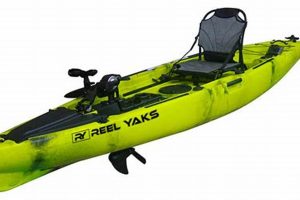
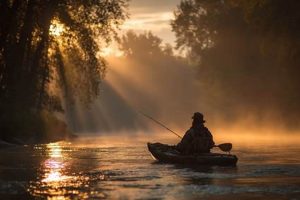
The convergence of angling and specialized watercraft within the Indian subcontinent represents a growing recreational and, in some cases, livelihood activity. This specialized vessel, designed for stability and maneuverability in diverse water bodies, offers a unique platform for angling enthusiasts to access various fishing grounds, from coastal regions and backwaters to inland lakes and rivers. Imagine the tranquil scene of an angler casting a line from a small, self-propelled vessel on Kerala’s backwaters or navigating the currents of the Ganges.
This pursuit offers several advantages, including improved access to remote fishing spots, enhanced angling experiences due to increased maneuverability and stealth, and the potential for promoting sustainable fishing practices. Historically, traditional fishing boats have played a crucial role in Indian livelihoods and cultural practices. The contemporary adaptation of specialized kayaks represents a blend of modern design with traditional fishing knowledge, potentially creating new economic opportunities and recreational avenues while contributing to the preservation of aquatic ecosystems.
This article will explore the various aspects of this activity, delving into the types of specialized vessels available, suitable fishing locations across the country, essential equipment and safety considerations, and the potential impact on local communities and the environment. It will also discuss the growing popularity of this pursuit and its potential for promoting sustainable tourism and recreational fishing practices in India.
Tips for Kayak Fishing in India
Successful kayak angling requires careful planning and preparation. The following tips offer guidance for a safe and productive experience.
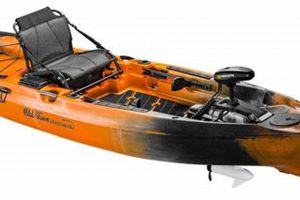
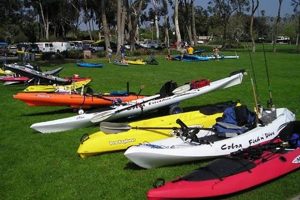
Tip 1: Choose the Right Kayak: Selecting a kayak appropriate for the intended fishing environment is crucial. Consider factors such as water conditions (calm lakes versus flowing rivers), the distance to be covered, and the amount of gear to be carried. Sit-on-top kayaks are generally preferred for fishing due to their stability and ease of access.
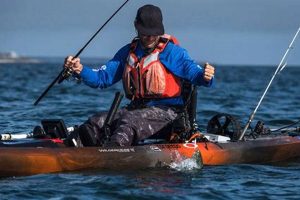
Tip 2: Essential Safety Gear: Prioritize safety by always wearing a personal flotation device (PFD). Carry a whistle, a first-aid kit, and a communication device (e.g., waterproof mobile phone or VHF radio) for emergencies. Inform someone of your fishing plans, including your intended location and return time.
Tip 3: Research Fishing Regulations: Familiarize yourself with local fishing regulations, including licensing requirements, permitted fishing methods, and size limits for different species. Respect local ecosystems and practice catch-and-release whenever possible.
Tip 4: Plan Your Route: Study maps and charts of the intended fishing area. Identify potential hazards, such as strong currents, shallow areas, or restricted zones. Consider weather conditions and tidal patterns, and avoid venturing out in adverse weather.
Tip 5: Essential Fishing Gear: Pack appropriate fishing gear, including rods, reels, lines, lures, and bait suitable for the target species. Organize gear efficiently to maximize space and accessibility on the kayak.
Tip 6: Practice Kayak Handling: Gain experience maneuvering the kayak before venturing into open water. Practice paddling, turning, and maintaining balance in a controlled environment. Learn basic rescue techniques, such as self-rescue and assisted rescue.
Tip 7: Respect the Environment: Minimize your impact on the environment by properly disposing of waste, avoiding disturbing wildlife, and adhering to responsible fishing practices. Leave the fishing area cleaner than you found it.
By adhering to these guidelines, anglers can enhance their fishing experience while prioritizing safety and environmental responsibility. Preparation and awareness are key to successful and sustainable kayak fishing.
This concludes the practical guidance section. The following segment will offer a broader perspective on the growth and future of this activity within India.
1. Growing Popularity

The increasing popularity of kayak fishing in India is driven by several converging factors. Increased disposable income among a growing middle class allows for investment in recreational pursuits. Simultaneously, a heightened awareness of outdoor activities and their associated health benefits fuels interest in nature-based recreation. Kayak fishing provides a unique blend of adventure, tranquility, and engagement with nature, appealing to a broad demographic. Furthermore, the rise of social media platforms facilitates the sharing of experiences and information, further amplifying the visibility and allure of this activity. For instance, online communities dedicated to kayak fishing share tips, locations, and success stories, inspiring others to join the growing ranks of enthusiasts. The growing availability of specialized kayaks and related equipment within India further supports this expanding trend.
This surge in popularity presents both opportunities and challenges. The growth can stimulate local economies, particularly in coastal and riverside communities, through tourism, equipment rentals, and guided tours. It also encourages engagement with and appreciation for aquatic ecosystems. However, this increased participation must be managed sustainably. The potential for environmental impact, including disturbance of wildlife and pollution from discarded fishing gear, necessitates the implementation of responsible fishing practices and regulations. Educating newcomers about ethical angling and environmental stewardship is crucial for ensuring the long-term health of these ecosystems.
In summary, the growing popularity of kayak fishing in India represents a significant trend with both economic and environmental implications. While the activity offers numerous benefits, including recreational opportunities and economic growth, careful management and responsible practices are essential for mitigating potential environmental impacts. The continued growth of this activity depends on a collective commitment to sustainable practices and the preservation of India’s diverse aquatic ecosystems.
2. Diverse Waterways

India’s extensive and varied network of waterways plays a pivotal role in the burgeoning popularity of kayak fishing. From the brackish backwaters of Kerala to the fast-flowing rivers of the Himalayas and the vast coastal stretches along the Bay of Bengal and Arabian Sea, the country offers a remarkable diversity of aquatic environments suitable for this activity. This diversity translates into a wide range of fishing opportunities, attracting anglers seeking various species and angling experiences. The calm, sheltered waters of the Kerala backwaters, for example, provide ideal conditions for targeting species like karimeen (pearl spot fish) and tiger prawns, while the turbulent rivers of the Himalayas offer challenges and rewards for anglers pursuing mahseer and other game fish. The vast coastline, with its estuaries, mangroves, and open sea areas, provides further opportunities for saltwater fishing enthusiasts.
This diversity, however, necessitates careful consideration of kayak selection and fishing techniques. A kayak suitable for navigating the placid backwaters might be unsuitable for the challenging currents of a Himalayan river. Similarly, fishing techniques and equipment need to be adapted to the specific target species and the prevailing conditions of each waterway. Understanding the nuances of each environment, including water depth, current patterns, and potential hazards, is crucial for both successful angling and angler safety. Local knowledge from experienced anglers or guides can be invaluable in navigating unfamiliar waters. This highlights the importance of responsible exploration and respect for local ecosystems. For instance, anglers should be mindful of sensitive habitats like coral reefs and mangrove forests, avoiding anchoring or fishing in these areas to minimize disturbance.
In conclusion, the diverse waterways of India provide a rich tapestry of opportunities for kayak fishing enthusiasts. However, this diversity also demands careful planning, appropriate equipment selection, and a commitment to responsible fishing practices. Respecting the unique characteristics of each waterway, understanding local regulations, and prioritizing safety are essential for ensuring a sustainable and rewarding experience, fostering the continued growth of kayak fishing while preserving the ecological integrity of India’s valuable aquatic resources.
3. Economic Opportunities

Kayak fishing in India presents a range of economic opportunities, particularly within coastal and riparian communities. The growth of this recreational activity can stimulate local economies through several avenues. Demand for specialized kayaks, fishing gear, and related accessories creates opportunities for retailers, distributors, and manufacturers. Guiding services, catering to both novice and experienced anglers, represent another potential income stream. Similarly, the establishment of kayak rental businesses and associated services, such as transportation and accommodation, can further contribute to local economic development. For example, in areas like Goa and Kerala, where tourism is already well-established, kayak fishing provides a niche activity that complements existing offerings, potentially attracting a new segment of tourists and extending the tourist season.
Furthermore, the development of fishing-related tourism can create indirect economic benefits. Local restaurants and hospitality businesses can experience increased patronage from visiting anglers. The demand for locally sourced food products and traditional crafts can also rise, providing further economic stimulus. For instance, in remote villages along the banks of rivers like the Cauvery or the Brahmaputra, kayak fishing tourism can offer an alternative source of income for communities traditionally reliant on subsistence agriculture or fishing. This diversification of livelihoods can enhance economic resilience and improve living standards. However, it is essential that such development occurs sustainably, ensuring equitable distribution of benefits and minimizing negative impacts on local resources and traditional ways of life.
In conclusion, the growth of kayak fishing in India holds significant potential for economic development, particularly in rural and coastal communities. By leveraging the increasing popularity of this activity, local economies can diversify and strengthen their revenue streams. However, realizing this potential requires careful planning and sustainable development strategies. Balancing economic growth with environmental protection and social equity is crucial for ensuring the long-term viability and positive impact of kayak fishing in India. This requires collaboration among stakeholders, including government agencies, local communities, and tourism operators, to develop and implement responsible tourism practices that maximize economic benefits while minimizing negative impacts.
4. Environmental Impact

The increasing popularity of kayak fishing in India necessitates careful consideration of its potential environmental impacts. While generally considered a low-impact activity compared to motorized boating, kayak fishing can still exert pressure on fragile aquatic ecosystems if not practiced responsibly. Understanding these potential impacts is crucial for developing sustainable practices and mitigating any negative consequences.
- Disturbance of Wildlife
Kayaks, due to their quiet operation and maneuverability, allow anglers to access shallow waters and remote areas often inhabited by sensitive bird species, nesting turtles, and other aquatic life. Close approach by kayaks can disrupt breeding behaviors, cause stress, and displace wildlife from critical habitats. For example, repeated disturbance of nesting birds can lead to nest abandonment and reduced reproductive success. Minimizing disturbance requires maintaining a safe distance from wildlife, avoiding sudden movements, and respecting designated protected areas.
- Habitat Degradation
Improper anchoring techniques can damage sensitive habitats like seagrass beds and coral reefs, which serve as vital nurseries and feeding grounds for numerous species. Dragging anchors across these areas can uproot vegetation and break coral structures, impacting biodiversity and ecosystem health. Anglers should utilize appropriate anchoring methods, such as drift fishing or using designated anchoring zones, to minimize physical impacts on these habitats.
- Pollution from Fishing Gear
Discarded fishing line, hooks, and other tackle pose a significant threat to aquatic life. Animals can become entangled in discarded lines, leading to injury, suffocation, and drowning. Ingested hooks can cause internal injuries and impede feeding. Responsible disposal of fishing gear, including participation in organized cleanup initiatives, is crucial for minimizing this form of pollution. Promoting the use of biodegradable fishing lines and educating anglers about proper disposal practices can further mitigate this impact.
- Introduction of Invasive Species
Kayaks can inadvertently transport invasive aquatic plants and animals to new water bodies. These species can outcompete native organisms, disrupt food webs, and alter ecosystem dynamics. Thorough cleaning of kayaks and gear after each use, particularly when moving between different water bodies, is essential for preventing the spread of invasive species. Awareness campaigns and educational programs can help anglers understand the risks associated with invasive species and promote responsible cleaning practices.
Addressing these environmental concerns requires a multi-pronged approach. Educating anglers about responsible kayak fishing practices, enforcing existing regulations, and promoting sustainable tourism initiatives are crucial for minimizing the environmental footprint of this growing activity. Collaboration among government agencies, local communities, and the kayaking community itself is essential for ensuring the long-term health and ecological integrity of India’s diverse aquatic ecosystems. By prioritizing environmental stewardship, the continued growth of kayak fishing can contribute positively to both the economy and the environment.
5. Safety Considerations
Safe practices are paramount in kayak fishing, particularly in the diverse and sometimes challenging waters of India. Neglecting safety precautions can lead to accidents, injuries, or even fatalities. Understanding and mitigating potential risks is crucial for ensuring a safe and enjoyable experience. The following facets outline key safety considerations specific to the Indian context.
- Personal Flotation Devices (PFDs)
Wearing a properly fitted PFD is non-negotiable. Indian waterways, ranging from placid lakes to fast-flowing rivers and open coastal areas, present varying degrees of risk. A PFD provides essential buoyancy in the event of a capsize, increasing the chances of survival, particularly in challenging conditions like strong currents or rough seas. Selecting a PFD appropriate for kayak fishing, with unobstructed arm movement, is crucial for comfort and maneuverability.
- Weather Awareness
Checking weather forecasts before embarking on a fishing trip is essential. Sudden changes in weather, including strong winds, heavy rain, and lightning storms, are common in certain regions of India, particularly during the monsoon season. These conditions can create hazardous situations for kayakers, increasing the risk of capsize or exposure. Postponing trips in adverse weather conditions is crucial for prioritizing safety. Carrying a waterproof VHF radio or mobile phone in a sealed pouch enables communication in case of emergencies.
- Navigation and Communication
Carrying navigational tools, such as a compass, GPS device, and nautical charts, is vital, particularly in unfamiliar waters or when fishing offshore. These tools aid in maintaining orientation, avoiding hazards, and ensuring a safe return. Informing someone on shore about the intended fishing location and estimated return time provides an additional safety net. In remote areas with limited mobile network coverage, a satellite communication device can be a life-saving tool.
- Knowledge of Local Conditions
Understanding local water conditions, including currents, tides, and potential hazards like submerged rocks or debris, is crucial for safe navigation. Local knowledge can be obtained through consultation with experienced anglers, local fishing communities, or by studying available nautical charts and information resources. Awareness of local fishing regulations and restricted areas is also essential for avoiding legal issues and minimizing disturbance to sensitive ecosystems. Respecting local customs and traditions related to water usage demonstrates cultural sensitivity and promotes positive interactions with local communities.
Prioritizing these safety considerations significantly reduces the risks associated with kayak fishing in India. A proactive approach to safety, combined with responsible angling practices, ensures not only a more enjoyable experience but also contributes to a culture of safety and environmental stewardship within the growing kayak fishing community. By adhering to these safety guidelines, anglers can fully appreciate the diverse and rewarding fishing opportunities that India offers while minimizing potential risks.
Frequently Asked Questions
This section addresses common queries regarding kayak fishing in India, providing concise and informative responses.
Question 1: What type of kayak is best suited for fishing in Indian waters?
Sit-on-top kayaks are generally recommended due to their stability, self-bailing design, and ease of entry and exit. The specific length and width depend on individual needs and the intended fishing environment. Wider kayaks offer greater stability, while longer kayaks track better in open water. Inflatable kayaks provide a portable option suitable for calmer waters.
Question 2: Are there specific regulations or licensing requirements for kayak fishing in India?
Fishing regulations vary by state and region. It is essential to research and comply with local regulations regarding fishing licenses, permitted species, fishing seasons, and gear restrictions. Protected areas and marine sanctuaries may have specific regulations or access limitations.
Question 3: What essential safety equipment should be carried while kayak fishing?
Essential safety equipment includes a personal flotation device (PFD), a whistle, a first-aid kit, a communication device (waterproof mobile phone or VHF radio), and navigation tools (compass, GPS, charts). A bilge pump, paddle leash, and signaling devices (flares, mirror) are also recommended.
Question 4: Where can suitable fishing kayaks and related equipment be purchased in India?
Specialized kayak and fishing equipment retailers operate in major cities and online platforms. Researching reputable suppliers and comparing prices and product specifications is advisable. Local angling clubs or communities can offer valuable insights and recommendations.
Question 5: What are the best locations for kayak fishing in India?
Numerous locations offer excellent kayak fishing opportunities, including the backwaters of Kerala, the Andaman and Nicobar Islands, the Sunderbans, and various lakes and rivers throughout the country. The best location depends on target species, desired fishing experience, and accessibility.
Question 6: What are the potential risks associated with kayak fishing, and how can they be mitigated?
Potential risks include capsizing, exposure to the elements, encounters with wildlife, and navigational challenges. Mitigating these risks involves wearing a PFD, checking weather forecasts, carrying communication and navigation tools, informing someone of fishing plans, and acquiring knowledge of local conditions and regulations. Adhering to established safety protocols enhances the overall safety and enjoyment of kayak fishing.
Understanding these aspects contributes to a safer, more informed, and environmentally responsible approach to kayak fishing in India.
The following section explores [mention the next section’s topic, e.g., the future of kayak fishing in India or specific regional insights].
Fishing Kayak India
This exploration of specialized angling within India’s diverse waterscapes has highlighted key aspects, from equipment selection and safety protocols to economic opportunities and environmental considerations. The growing popularity of this pursuit reflects a broader trend toward nature-based recreation and the unique appeal of blending angling with exploration. The diversity of India’s aquatic environments, from tranquil backwaters to challenging rivers and expansive coastlines, offers a wealth of opportunities for enthusiasts. However, this diversity also necessitates careful planning, adaptation of techniques, and adherence to safety guidelines.
The potential for economic growth through tourism and related services underscores the importance of sustainable development within this sector. Balancing economic benefits with environmental protection and responsible angling practices is crucial for ensuring the long-term viability and positive impact of this activity. Continued growth depends on a collective commitment to environmental stewardship, angler education, and the implementation of effective regulations. The future of this specialized angling pursuit in India hinges on a harmonious balance between recreational enjoyment, economic development, and the preservation of the nation’s valuable aquatic ecosystems.