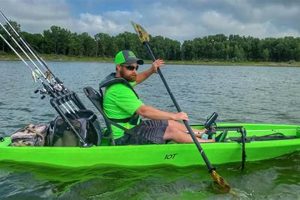
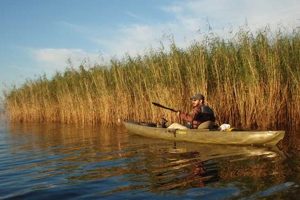
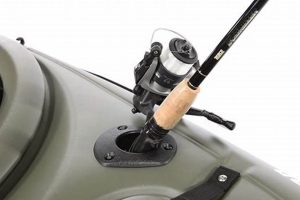
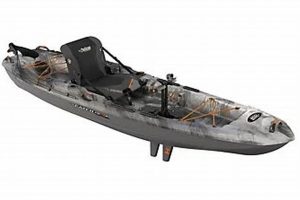
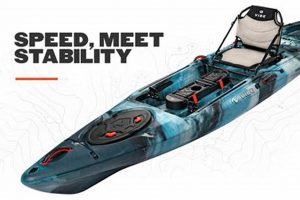
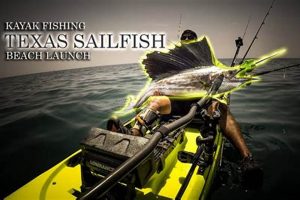
Sit-on-top kayaks manufactured by BIC Sport are frequently chosen for angling due to their stability, affordability, and ease of customization. These vessels often feature built-in rod holders, storage compartments, and other amenities tailored to the needs of anglers. A typical example might include a molded-in seat well, multiple mounting points for accessories, and a carrying capacity suitable for both the angler and their gear.
The popularity of this style of angling stems from its accessibility and versatility. Relatively inexpensive and easy to transport, these craft allow anglers to explore shallow waters, rivers, and other areas often inaccessible to larger boats. This opens up a wide range of fishing opportunities, from pursuing species in calm lakes to navigating coastal waters. Historically, recreational fishing kayaks have evolved from simpler designs to the specialized, feature-rich vessels available today, reflecting the growing demand and increasing refinement of this fishing style.
Further exploration of this topic will cover specific models, essential accessories, recommended fishing techniques, and safety considerations for anglers utilizing this type of watercraft.
Tips for Kayak Fishing
Proper preparation and technique enhance safety and success while fishing from a kayak. The following tips offer guidance for anglers of all skill levels.
Tip 1: Prioritize Stability: Select a kayak with a wide, flat hull for enhanced stability, especially for beginners. Consider adding outriggers or stabilizers for increased security.
Tip 2: Plan and Prepare: Research potential fishing locations, checking weather forecasts and water conditions. Pack essential gear, including safety equipment, fishing tackle, and appropriate clothing.
Tip 3: Distribute Weight Evenly: Balance gear distribution within the kayak to maintain stability and prevent capsizing. Secure heavier items low and centrally.
Tip 4: Practice Paddle Strokes: Mastering efficient paddling techniques conserves energy and allows for precise maneuvering, especially in challenging conditions.
Tip 5: Utilize Anchor Systems: Deploy a drift sock or anchor to maintain position in desired fishing areas, especially in currents or windy conditions.
Tip 6: Choose Appropriate Tackle: Opt for shorter rods and reels suited for kayak fishing. Organize tackle effectively for easy access and minimal clutter.
Tip 7: Respect the Environment: Adhere to catch-and-release practices whenever possible. Dispose of fishing line and other waste responsibly.
Tip 8: Prioritize Safety: Always wear a personal flotation device (PFD). Inform someone of fishing plans, including location and expected return time.
Careful planning and execution contribute significantly to a successful and safe kayak fishing experience. Adhering to these tips will enhance enjoyment and mitigate potential risks on the water.
By implementing these practices, anglers can improve their overall fishing experience and contribute to the preservation of the environment.
1. Stability

Stability forms a cornerstone of successful and safe kayak fishing, particularly when using BIC Sport kayaks, which are often chosen for this activity. A stable platform allows anglers to cast lines, fight fish, and manage equipment effectively without compromising balance. This becomes especially critical in challenging conditions such as wind, current, or when reeling in larger catches. Loss of stability can lead to capsizing, jeopardizing both equipment and the anglers safety. Consider, for example, an angler hooking a powerful fish in a narrow river channel. A stable kayak enables the angler to focus on the fight, maneuvering strategically, while an unstable craft could easily result in an overturned vessel and a lost catch.
Several factors contribute to kayak stability, including hull design, weight distribution, and the anglers center of gravity. Wider, flatter hulls generally offer greater primary stability (initial resistance to tipping), while longer, narrower hulls may provide better secondary stability (resistance to capsizing once tipped). Proper weight distribution within the kayak is crucial. Placing heavier items low and centrally contributes to overall stability. Anglers must also be mindful of their own movements and maintain a low center of gravity, especially when casting or retrieving. Adding outriggers or stabilizers can further enhance stability, particularly for beginners or when fishing in rougher waters. For instance, an angler using a stand-assist strap combined with a wide-hulled kayak benefits from increased stability, enabling them to stand and cast with greater confidence.
Understanding the dynamics of stability allows anglers to select appropriate kayaks, outfit them effectively, and practice safe fishing techniques. This knowledge translates directly into increased confidence on the water, leading to a more enjoyable and productive fishing experience. Challenges related to stability, such as navigating currents or managing a hooked fish, become manageable with the appropriate equipment and practices. Ultimately, prioritizing stability enhances not only fishing success but also, and more importantly, angler safety.
2. Storage

Storage capacity significantly impacts the practicality and enjoyment of kayak BIC fishing. Adequate storage allows anglers to carry essential equipment, including tackle boxes, rods, safety gear, and personal items, contributing to a well-organized and efficient fishing experience. Insufficient storage can lead to clutter, hindering movement and potentially compromising safety. The following facets explore the key considerations regarding storage in kayak BIC fishing.
- Types of Storage
BIC kayaks typically offer various storage options, including built-in compartments, tank wells, and bungee cord systems. Built-in compartments, often located in the bow or stern, provide dry storage for sensitive items like electronics or wallets. Tank wells, larger open areas usually situated behind the seat, accommodate larger items like tackle crates or coolers. Bungee cord systems secure items on the deck, offering quick access to frequently used gear such as paddles or rods. An angler might utilize a built-in compartment for a first aid kit, the tank well for a tackle box, and bungee cords to secure a spare paddle.
- Capacity and Organization
The storage capacity required depends on the length of the fishing trip and the amount of gear needed. Longer trips or specialized fishing techniques necessitate greater storage capacity. Effective organization within the storage areas is essential. Utilizing smaller containers and dry bags within larger compartments keeps items organized and protected from water damage. For example, an angler targeting multiple species might organize lures and tackle into separate, labeled containers within a larger tackle box stored in the tank well. This allows for quick and efficient access to the appropriate gear without disrupting the entire setup.
- Weight Distribution and Stability
Proper weight distribution within storage areas impacts kayak stability. Heavier items should be stored low and centrally to maintain balance and prevent tipping. Distributing weight evenly across the kayak, rather than concentrating it in one area, also improves tracking and maneuverability. An angler placing a heavy battery for a fish finder low and near the center of the kayak improves stability compared to storing it in the bow or stern. This balanced approach enhances both safety and paddling efficiency.
- Accessibility and Security
Easy access to frequently used items enhances fishing efficiency. Storing essential gear within easy reach minimizes disruption and allows anglers to react quickly to changing fishing conditions. Securely fastening all items within storage areas prevents loss or damage, especially in rough waters. For instance, an angler keeping pliers and line cutters in a readily accessible pouch on the deck can quickly address a tangled line without having to search through a larger storage compartment. Securing gear with straps or bungee cords prevents items from shifting or being lost overboard in choppy conditions.
Effective storage solutions contribute significantly to a positive kayak BIC fishing experience. By understanding the different storage options available, optimizing capacity and organization, prioritizing proper weight distribution, and ensuring accessibility and security, anglers can maximize their time on the water and focus on the enjoyment of fishing. These considerations collectively enhance both the efficiency and safety of angling from a BIC kayak.
3. Customization
Customization plays a crucial role in optimizing BIC kayaks for individual fishing needs and preferences. Adapting the kayak’s setup enhances comfort, efficiency, and overall fishing success. From mounting rod holders and fish finders to incorporating specialized storage solutions, customization transforms a standard platform into a personalized fishing machine. The following facets explore key areas of customization in kayak BIC fishing.
- Rod Holders
Rod holders are essential accessories for kayak anglers, providing secure storage for rods while paddling or when multiple lines are deployed. Various rod holder types exist, including flush-mount, adjustable, and rotating models. Selecting the appropriate rod holder depends on the fishing style and target species. For example, trolling anglers might prefer adjustable rod holders that allow for precise angle adjustments, while those targeting larger fish might opt for heavy-duty rod holders capable of withstanding greater stress. Proper placement of rod holders is crucial for easy access and to avoid interference with paddling or other activities.
- Fish Finders and Electronics
Fish finders and other electronic devices, such as GPS units and chartplotters, significantly enhance fishing success by providing valuable information about water depth, fish location, and underwater structure. Integrating these electronics into a BIC kayak typically involves mounting transducers and displays. Power sources, such as rechargeable batteries, must also be considered. A kayak angler targeting specific depths or seeking particular underwater features would benefit from a fish finder capable of displaying detailed bathymetric information. Integrating these technologies improves fishing efficiency by allowing anglers to focus their efforts on promising areas.
- Storage Solutions
Customizing storage arrangements contributes significantly to organization and efficiency on the water. Adding tackle boxes, crates, or specialized storage bags tailored to specific gear, such as lures or fishing line, keeps essential items within easy reach. Custom storage solutions allow anglers to adapt their kayak to different fishing styles and target species. An angler specializing in fly fishing might customize their storage to accommodate fly boxes and other fly-fishing specific equipment. Efficient storage minimizes clutter and maximizes space, creating a more organized and productive fishing environment.
- Comfort and Accessibility
Customization enhances comfort and accessibility, promoting longer and more enjoyable fishing trips. Upgrading seating systems with adjustable backrests or adding padding improves comfort, particularly during extended periods on the water. Installing accessories like anchor trolleys or paddle leashes improves accessibility and reduces the risk of losing essential gear. An angler with back problems might prioritize an ergonomic seat with lumbar support for increased comfort. Customizing the kayak for individual physical needs ensures a more comfortable and less strenuous fishing experience, allowing anglers to focus on the task at hand.
Customization transforms a standard BIC kayak into a personalized fishing platform tailored to individual needs and preferences. By strategically selecting and integrating accessories, anglers enhance their comfort, efficiency, and overall fishing success. These modifications contribute significantly to a more enjoyable and productive experience on the water, ultimately leading to increased satisfaction and a deeper connection with the sport of kayak fishing. The ability to personalize a BIC kayak to match specific fishing styles and target species contributes to its versatility and widespread popularity among anglers.
4. Affordability

Affordability significantly contributes to the accessibility and popularity of kayak BIC fishing. Compared to traditional motorized boats, BIC kayaks represent a lower barrier to entry for individuals interested in fishing. This lower initial investment cost allows a wider range of individuals to participate in the sport, regardless of income level. The relatively inexpensive nature of BIC kayaks reduces the financial burden often associated with boat ownership, such as maintenance, storage, and fuel costs. For example, an angler on a limited budget can acquire a used BIC kayak and basic fishing gear for a fraction of the cost of a motorized boat, making fishing a more attainable recreational activity.
The affordability of BIC kayaks extends beyond the initial purchase. Their durable construction and simple design contribute to lower maintenance costs. These kayaks typically require minimal upkeep, reducing the need for expensive repairs or specialized servicing. Furthermore, their lightweight nature facilitates easy transportation, often eliminating the need for trailers or specialized storage facilities. This reduces ongoing expenses associated with boat ownership, further enhancing the affordability of kayak BIC fishing. For instance, transporting a BIC kayak on a car roof rack eliminates the need for a boat trailer and associated registration fees, further lowering the overall cost of fishing.
The affordability of kayak BIC fishing broadens participation in angling, making it a more inclusive and accessible recreational pursuit. Lower entry costs and reduced ongoing expenses contribute to the sustained growth and popularity of this fishing style. This allows individuals to experience the enjoyment and benefits of fishing without the significant financial commitment typically associated with traditional boating. While specialized equipment can enhance the experience, the core activity remains accessible to a broad audience due to the affordability of the basic equipment. This affordability fosters greater participation and contributes to the overall health and vitality of the fishing community.
5. Accessibility

Accessibility represents a defining characteristic of kayak BIC fishing, distinguishing it from other forms of angling. Ease of transport and launch, combined with the ability to navigate shallow or confined waterways, expands fishing opportunities significantly. This accessibility opens up diverse fishing locations previously inaccessible by larger, motorized boats, broadening the scope of angling experiences. Understanding the facets of accessibility reveals its significant impact on the growing popularity of this fishing style.
- Transportation and Portability
BIC kayaks, typically lightweight and compact, facilitate easy transportation. Their portability eliminates the need for trailers and large vehicles often required for motorized boats. Many BIC kayaks can be transported on car roof racks or even carried short distances, enabling access to remote or difficult-to-reach launch points. This portability opens up a wider range of fishing locations, from small ponds and secluded creeks to larger lakes and coastal waters. An angler can easily transport a BIC kayak to a mountain lake inaccessible by larger boats, expanding fishing opportunities beyond traditional locations.
- Launch Simplicity
Launching a BIC kayak requires minimal effort and specialized equipment. Unlike larger boats requiring boat ramps and trailers, kayaks can be launched from various locations, including shorelines, shallow banks, or even directly from the beach. This ease of launching simplifies the fishing process, saving time and expanding access to waters otherwise inaccessible. For example, an angler can quickly launch a kayak directly from a sandy beach, accessing near-shore fishing grounds without needing a boat ramp.
- Navigation in Shallow and Confined Waters
The shallow draft and maneuverability of BIC kayaks enable navigation in shallow waters, narrow creeks, and areas congested with vegetation or other obstacles. This allows anglers to access prime fishing habitats often unreachable by larger vessels. The kayak’s compact size and maneuverability prove advantageous when navigating through tight spaces, allowing anglers to explore secluded coves and backwater areas teeming with fish. An example includes accessing shallow flats or navigating through mangrove forests, areas rich in fish populations but often inaccessible to traditional boats.
- Physical Accessibility
Kayak BIC fishing requires less physical exertion compared to other angling styles. The sit-on-top design of BIC kayaks facilitates easy entry and exit, reducing strain on joints and muscles. The relatively stable platform of these kayaks enhances accessibility for individuals with mobility challenges. Adaptive equipment and techniques further enhance accessibility, making kayak fishing an inclusive activity suitable for a wide range of physical abilities. For instance, adaptive seating systems and specialized paddles cater to anglers with specific physical needs, enabling greater participation in the sport.
Accessibility significantly contributes to the appeal and growth of kayak BIC fishing. The ease of transport, simplified launching procedures, and ability to navigate diverse waterways expand fishing opportunities and enhance the overall angling experience. This accessibility removes barriers to participation, welcoming anglers of all skill levels and physical abilities to explore and enjoy the sport. By enabling access to previously unreachable fishing grounds, kayak BIC fishing promotes a deeper connection with nature and offers a unique perspective on the angling experience. The combination of affordability and accessibility positions kayak BIC fishing as a particularly inclusive and appealing option for both seasoned anglers and newcomers alike.
Frequently Asked Questions
This section addresses common inquiries regarding kayak BIC fishing, providing concise and informative responses.
Question 1: What are the key advantages of using a BIC kayak for fishing?
BIC kayaks offer several advantages for fishing, including stability, affordability, ease of transport and customization options tailored to anglers’ needs. Their robust construction and simple design make them suitable for various fishing environments.
Question 2: Are BIC kayaks suitable for ocean fishing?
While some BIC kayaks are designed for recreational use in calm waters, certain models are suitable for ocean fishing in near-shore environments. Careful consideration of weather conditions, water conditions, and personal experience is crucial before venturing into open water.
Question 3: What essential safety equipment is recommended for kayak BIC fishing?
Essential safety equipment includes a personal flotation device (PFD), a whistle, a signaling device, and a communication device. Navigation lights and a first aid kit are also recommended. Adhering to local regulations and informing someone of fishing plans, including location and expected return time, are crucial safety practices.
Question 4: How does one choose the right BIC kayak for fishing?
Selecting the appropriate BIC kayak depends on individual fishing styles, target species, and intended fishing environments. Factors to consider include kayak length, width, weight capacity, storage options, and included features such as rod holders and built-in storage compartments. Researching various models and considering specific fishing needs facilitates informed decision-making.
Question 5: What are the basic fishing techniques suitable for kayak angling?
Suitable fishing techniques include trolling, casting, jigging, and still fishing. Adapting techniques to the specific environment and target species maximizes fishing success. Prioritizing safety and maintaining awareness of surroundings are paramount when fishing from a kayak.
Question 6: How does one maintain and store a BIC kayak?
Proper maintenance ensures kayak longevity and performance. Rinsing the kayak with fresh water after each use removes salt and debris. Storing the kayak in a shaded area, protected from direct sunlight and extreme temperatures, prevents material degradation. Regular inspection for damage and timely repairs contribute to kayak longevity.
Careful consideration of these frequently asked questions equips prospective kayak anglers with essential knowledge for a safe and enjoyable fishing experience.
This concludes the FAQ section. The following segment will offer further insights into [mention the next topic of the article, e.g., specific BIC kayak models or advanced fishing techniques].
Conclusion
This exploration has provided comprehensive insights into the multifaceted nature of utilizing BIC kayaks for angling. Key aspects discussed include the inherent stability, ample storage options, customization potential, affordability, and unparalleled accessibility offered by these vessels. These factors contribute significantly to the growing popularity of this fishing style, enabling anglers of diverse experience levels and budgetary constraints to explore a wide array of aquatic environments. The adaptability of BIC kayaks to various fishing techniques and their capacity for personalized configurations further enhance their appeal.
The accessibility and versatility inherent in this approach to angling underscore its potential to foster a deeper connection with nature and promote wider participation in the sport of fishing. As technology continues to evolve and angler preferences diversify, continued innovation in kayak design and accessory development promises further enhancement of the kayak fishing experience, solidifying its prominent position within the angling community.