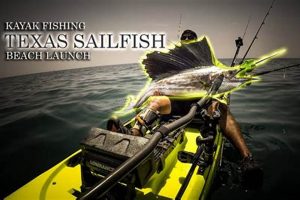
Maintaining the quality and freshness of caught fish is a critical aspect of kayak angling. Various methods exist to achieve this, ranging from simple stringers and coolers to specialized live wells and insulated bags designed for kayak use. These methods offer anglers options for preserving their catch based on factors like species, fishing duration, and weather conditions. For example, a stringer might suffice for short trips targeting hardy fish, while a live well is ideal for keeping delicate baitfish alive, and insulated storage is preferable for longer expeditions or hot weather.
Effective preservation practices enhance the enjoyment of the fishing experience. Freshly caught fish provide a superior culinary experience and minimize waste. Historically, anglers relied on rudimentary methods like woven baskets and natural cool spots to preserve their catch. Modern innovations offer improved temperature control, durability, and convenience tailored to the specific needs of kayak fishing. This evolution reflects the increasing popularity and sophistication of this angling discipline.
This article will further explore several key aspects of preserving catches aboard a kayak. Topics include a detailed examination of various storage solutions, practical advice for selecting the appropriate method, and best practices for maintaining catch quality throughout the fishing trip.
Tips for Preserving Your Catch While Kayak Fishing
Maintaining the quality of caught fish is essential for a successful kayak fishing trip. These tips provide practical guidance for maximizing freshness and minimizing spoilage.
Tip 1: Select the Right Storage Method: Choose a storage system appropriate for the target species, trip duration, and weather conditions. A cooler with ice is suitable for longer trips and sensitive fish, while a stringer or aerated live well might suffice for short outings targeting hardier species.
Tip 2: Prioritize Chilling: Rapidly chilling the catch is crucial for preserving freshness. Use ample ice or pre-chilled water in coolers, and consider insulated bags for additional temperature control.
Tip 3: Consider Fish Size and Species: Delicate fish may require gentler handling and storage than robust species. Adjust storage methods accordingly to prevent damage.
Tip 4: Utilize Appropriate Packaging: Seal fish in waterproof bags within the cooler to prevent contamination and maintain a consistent temperature. Vacuum sealing can further extend freshness.
Tip 5: Manage Space Efficiently: Kayak storage space is limited. Choose compact and efficient storage solutions that maximize available room while ensuring adequate preservation.
Tip 6: Regularly Monitor Storage Conditions: Periodically check ice levels, water temperature, and the overall condition of the stored fish. Replenish ice as needed and address any issues promptly.
Tip 7: Adhere to Local Regulations: Familiarize oneself with local regulations regarding fish storage and transportation limits. Ensure compliance to avoid penalties.
Proper fish storage practices enhance enjoyment and minimize waste by ensuring the catch remains fresh throughout the fishing trip. Implementing these tips contributes to a more successful and rewarding kayak angling experience.
By following these guidelines, anglers can focus on enjoying the experience and bring home high-quality fish.
1. Storage Capacity

Storage capacity is a critical factor in kayak fishing fish storage, directly influencing the practicality and success of an outing. Appropriate storage ensures the catch remains fresh while balancing the limited space available on a kayak. Understanding the nuances of capacity is crucial for anglers seeking to maximize their catch potential without compromising stability or maneuverability.
- Species Size and Target Quantity:
The size and number of fish anticipated significantly impacts storage requirements. Anglers targeting smaller species like panfish require less space than those pursuing larger game fish. For example, a small, insulated bag might suffice for a few panfish, while a larger cooler is necessary for several larger trout or bass. Accurately estimating target catch volume helps determine the appropriate storage capacity.
- Trip Duration and Fishing Style:
Trip length influences the necessary storage volume. Short excursions require less capacity than multi-day trips where preserving the catch over extended periods is essential. Similarly, active fishing styles, involving frequent relocation, might necessitate more compact storage solutions than stationary approaches. Balancing capacity with trip duration and fishing style optimizes kayak space and efficiency.
- Kayak Size and Design:
Kayak dimensions and layout dictate available storage space. Larger kayaks often offer more storage options, while smaller, more agile models may require compact and specialized solutions. Integrating storage seamlessly within the kayak’s design, whether utilizing built-in compartments or strategically placed coolers, is essential for maintaining balance and maneuverability.
- Cooling System Integration:
The chosen cooling method, be it ice, a live well, or specialized cooling packs, also influences storage capacity. The volume occupied by the cooling system itself must be considered when determining overall capacity. For instance, a live well consumes significant space compared to a similar-sized cooler using ice. Optimizing the cooling method based on available space ensures efficient temperature regulation without compromising storage volume for the catch.
Careful consideration of these factors ensures appropriate storage capacity for a successful kayak fishing experience. Balancing the desired catch volume with the kayak’s limitations and the chosen cooling method optimizes space utilization and ensures a productive and enjoyable outing. Selecting sufficient storage capacity, matched to the specific needs of the fishing trip, contributes significantly to preserving catch quality and maximizing the overall angling experience.
2. Cooling Methods

Cooling methods are integral to successful kayak fishing fish storage, directly impacting the quality and longevity of the catch. Effective temperature management prevents spoilage and preserves the flavor and texture of the fish, contributing to a more rewarding culinary experience and minimizing waste. Selecting an appropriate cooling method depends on factors such as target species, ambient temperature, trip duration, and available kayak space.
Several cooling strategies exist, each with its advantages and limitations. Basic methods like placing the catch on a stringer in the water offer minimal cooling and are suitable only for short trips and hardy fish species. More effective approaches involve utilizing ice, either in conventional coolers or specialized insulated bags designed for kayak use. Ice provides consistent cooling, but requires careful management to ensure longevity. Live wells, while effective for keeping baitfish alive, consume considerable space and add weight to the kayak. Chemical ice packs offer a lightweight alternative to traditional ice, but their cooling capacity is generally lower. For example, an angler targeting trout in cold water might use a stringer for short periods, while someone fishing for bass in warmer conditions would benefit from a well-insulated cooler with ample ice. Similarly, an angler seeking to keep live bait would utilize a live well, while someone focused on maximizing storage space might opt for chemical ice packs. Choosing the appropriate cooling method involves balancing these considerations to achieve optimal preservation given the specific circumstances of the fishing trip.
Effective cooling is essential for maintaining fish freshness throughout a kayak fishing expedition. Understanding the advantages and limitations of various cooling methods allows anglers to select the most appropriate strategy. This informed decision ensures the catch remains in optimal condition, maximizing the enjoyment of the fishing experience and respecting the resource. Challenges remain, such as balancing cooling efficiency with space constraints and weight limitations inherent to kayak fishing. However, through careful planning and selection of appropriate methods, anglers can effectively address these challenges and ensure a successful and rewarding outing.
3. Kayak Integration

Kayak integration plays a crucial role in optimizing fish storage solutions for kayak angling. Effective integration maximizes available space, enhances stability, and improves overall fishing efficiency. Storage solutions designed specifically for kayaks offer significant advantages over generic containers. For example, purpose-built kayak coolers often feature recesses or straps for secure placement, preventing unwanted movement during paddling or fishing. Similarly, integrated live wells maximize space utilization and minimize the impact on the kayak’s center of gravity. Poor integration, conversely, can lead to instability, reduced maneuverability, and potential damage to both the kayak and the stored catch. A loose cooler shifting during a maneuver could compromise balance, while a poorly secured storage bag might snag on fishing lines or surrounding vegetation.
Practical applications of kayak integration extend beyond simply securing storage containers. Rod holders, tackle storage compartments, and even specialized mounts for fish finders can be integrated to create a streamlined and efficient fishing platform. This holistic approach to kayak outfitting ensures all essential gear is readily accessible while maintaining a balanced and stable vessel. Customizable storage systems offer further adaptability, allowing anglers to tailor their setup to specific fishing styles and target species. Modular components, adjustable mounts, and removable storage units provide flexibility for varying fishing conditions and catch sizes. This adaptability contributes to a more versatile and productive fishing experience.
Successful kayak integration hinges on careful planning and consideration of individual needs and preferences. Factors such as kayak size and design, target species, and fishing style influence the selection and placement of storage solutions. Prioritizing balance, stability, and accessibility ensures the kayak remains maneuverable and the stored catch remains secure. Efficient integration enhances not only the practicality of fish storage but also the overall enjoyment and success of the kayak fishing experience. Addressing the challenges of limited space and the dynamic nature of kayak fishing through thoughtful integration contributes significantly to a more rewarding and productive outing on the water.
4. Durability

Durability is a paramount concern in kayak fishing fish storage, directly influencing the longevity and effectiveness of storage solutions. The demanding environment of kayak fishing, characterized by exposure to water, sun, and physical impacts, necessitates robust and resilient storage equipment. Durable storage solutions withstand these rigors, ensuring the catch remains protected and in optimal condition. A flimsy cooler, for instance, might crack under stress or allow water to seep in, compromising the quality of the stored fish. Conversely, a rugged, impact-resistant cooler maintains its integrity, preserving the catch even in challenging conditions. Similarly, durable storage bags resist punctures and tears from hooks or sharp fish fins, preventing contamination and spoilage.
The practical significance of durability extends beyond simply protecting the catch. Durable storage solutions offer long-term reliability, reducing the need for frequent replacements and minimizing overall costs. A well-constructed cooler or storage bag can withstand years of use, providing consistent performance throughout numerous fishing trips. Furthermore, durable materials often contribute to enhanced insulation, further preserving the quality of the catch. Rotational molded coolers, for example, offer superior insulation compared to traditional injection-molded counterparts, maintaining lower temperatures for extended periods. This enhanced insulation translates directly to improved fish quality and reduced spoilage, particularly in warm climates.
Selecting durable storage solutions requires careful consideration of materials, construction, and intended use. High-quality plastics, robust zippers, and reinforced seams contribute to overall durability. Considering the specific demands of the fishing environment, such as potential exposure to saltwater or rough handling, further informs the selection process. Investing in durable storage equipment ensures long-term reliability and optimal fish preservation, contributing to a more successful and rewarding kayak fishing experience. Prioritizing durability ultimately minimizes costs, reduces waste, and enhances the enjoyment of each fishing trip.
5. Portability

Portability is a critical factor influencing effective kayak fishing fish storage. Kayak anglers frequently traverse varying terrain to access launch points and often portage their equipment over considerable distances. Storage solutions must be easily transportable to and from the kayak, minimizing strain and maximizing efficiency. A cumbersome, unwieldy cooler, for instance, presents significant challenges when navigating uneven terrain or launching from remote locations. Conversely, a lightweight, compact cooler with comfortable carrying straps facilitates effortless transport, allowing anglers to focus on the fishing experience rather than logistical hurdles. Similarly, collapsible or lightweight storage bags offer convenient portability, especially when transporting the catch back from the fishing grounds.
The practical significance of portability extends beyond simply transporting storage solutions. Consideration must be given to the overall weight and bulk of the stored catch. A large, heavy cooler filled with fish becomes increasingly difficult to manage, especially when combined with other kayaking gear. Prioritizing portability encourages anglers to optimize their catch storage strategies, balancing the desire for maximum capacity with the realities of transporting the catch. This balance often necessitates careful selection of target species, realistic catch limits, and efficient packing methods to minimize overall weight and bulk. For example, filleting fish on the water reduces the weight and volume of the catch, enhancing portability without sacrificing the quantity of harvested meat. Similarly, utilizing lightweight, reusable ice packs instead of traditional ice can significantly reduce the overall weight of the cooler.
Addressing portability challenges in kayak fishing fish storage requires careful consideration of individual needs and fishing styles. Factors such as physical ability, typical fishing locations, and target species influence the selection and utilization of storage solutions. Prioritizing portability enhances the overall efficiency and enjoyment of the kayak fishing experience, minimizing physical strain and maximizing time spent on the water. Efficient and portable storage solutions contribute to a seamless and rewarding angling experience, allowing anglers to focus on the pursuit of fish rather than the burden of cumbersome equipment. This understanding underscores the importance of portability as a key component of successful kayak fishing fish storage strategies.
6. Regulations Compliance
Regulations compliance is integral to responsible kayak fishing fish storage practices. Adhering to local and regional regulations ensures the sustainability of fish populations and preserves the integrity of aquatic ecosystems. These regulations often address aspects such as catch limits, size restrictions, permitted species, and approved storage methods. Ignoring these stipulations can lead to fines, legal repercussions, and detrimental impacts on the environment. For example, exceeding catch limits depletes fish stocks, while improper storage can result in spoilage and waste, undermining the ethical principles of conservation. Conversely, compliant storage practices, such as adhering to size limits and utilizing appropriate cooling methods, contribute to responsible resource management and demonstrate respect for the environment.
Practical applications of regulations compliance in kayak fishing fish storage vary depending on location and target species. Some regions mandate the use of specific gear, such as barbless hooks or designated landing nets, to minimize fish injury and promote catch-and-release practices. Others impose restrictions on the use of live wells or the transport of live fish, aiming to prevent the spread of invasive species or diseases. Understanding and adhering to these specific regulations is crucial for responsible angling. Prioritizing compliance requires anglers to familiarize themselves with local regulations before embarking on fishing trips. Consulting official resources, such as local fisheries management websites or printed guides, provides accurate and up-to-date information regarding specific rules and restrictions. This proactive approach ensures anglers remain informed and compliant, contributing to the long-term health of the fishery.
Regulations compliance underscores ethical and sustainable practices in kayak fishing fish storage. Adherence to established rules ensures the conservation of fish populations, protects fragile ecosystems, and promotes responsible angling behavior. Understanding the practical implications of these regulations and taking proactive steps to ensure compliance are essential for any angler committed to preserving the sport for future generations. By prioritizing regulations compliance, kayak anglers contribute to the long-term sustainability and enjoyment of the sport, ensuring the health and abundance of fish populations for years to come. This understanding fosters a culture of responsible angling and contributes to the overall well-being of aquatic environments. Challenges remain, such as the complexity and variability of regulations across different jurisdictions, but the importance of compliance remains paramount.
7. Fish Freshness
Fish freshness represents a critical outcome in effective kayak fishing fish storage. Preservation methods directly influence the quality of the catch, impacting palatability, nutritional value, and overall enjoyment of the fishing experience. Rapid deterioration occurs after harvest, necessitating appropriate storage strategies to maintain freshness. Temperature control, hygiene, and proper handling techniques play crucial roles in mitigating spoilage. For example, immediately placing caught fish in a cooler with ice slows enzymatic and bacterial activity, preserving freshness for an extended period. Conversely, leaving fish exposed to warm temperatures accelerates decomposition, rendering them unsuitable for consumption. The connection between storage practices and fish freshness is undeniable, influencing both the culinary and recreational aspects of kayak fishing.
Practical applications of this understanding translate directly to on-the-water practices. Anglers prioritizing fish freshness employ various strategies to optimize storage effectiveness. Pre-chilling coolers before departure, using high-quality insulation, and employing appropriate cooling methods, such as ice or specialized cooling packs, contribute significantly to maintaining ideal temperatures. Minimizing handling time and avoiding unnecessary exposure to air and sunlight further mitigate quality degradation. Strategic organization within the storage container also plays a role, preventing crushing or damage to delicate fish. These proactive measures reflect a commitment to maximizing fish freshness, ensuring a rewarding culinary experience and minimizing waste.
Maintaining fish freshness through effective storage practices elevates the kayak fishing experience. Culinary satisfaction derives from consuming high-quality, flavorful fish, enhancing the overall enjoyment of the catch. Minimizing spoilage aligns with ethical principles of resource utilization, reducing waste and promoting sustainable fishing practices. Challenges persist, including balancing limited storage space with optimal cooling methods and navigating variable environmental conditions. However, understanding the direct link between fish freshness and kayak fishing fish storage empowers anglers to implement strategies that prioritize quality, maximizing both the recreational and culinary aspects of the experience.
Frequently Asked Questions
This FAQ section addresses common queries regarding fish storage practices in the context of kayak fishing. Understanding these aspects contributes to a more informed and successful angling experience.
Question 1: What is the most effective method for keeping fish fresh while kayak fishing?
The most effective method depends on several factors, including target species, trip duration, and ambient temperature. Generally, a well-insulated cooler with ample ice provides the most reliable cooling for preserving fish freshness. Alternatives include insulated fish bags, live wells (for baitfish), and stringers (for short durations and hardy species), each with specific advantages and limitations.
Question 2: How much ice is recommended for a typical kayak fishing trip?
The required ice volume depends on factors such as cooler size, ambient temperature, and trip length. As a general guideline, a 2:1 ice-to-fish ratio is recommended. Pre-chilling the cooler before adding ice further enhances cooling efficiency. Regularly monitoring ice levels and replenishing as needed ensures consistent temperature control throughout the trip.
Question 3: Are there specific regulations regarding fish storage while kayak fishing?
Regulations vary by location and often include catch limits, size restrictions, permitted species, and approved storage methods. Consulting local fisheries management authorities or reviewing official resources provides specific information regarding applicable rules and restrictions. Adherence to these regulations is crucial for responsible and sustainable fishing practices.
Question 4: What are the best practices for cleaning and preparing fish while kayak fishing?
Cleaning fish promptly after catching them helps preserve freshness. If practical, filleting or gutting fish on the water reduces storage space requirements and enhances cooling efficiency. Storing cleaned fish in sealed bags within the cooler further minimizes contamination and maintains quality. Adhering to local regulations regarding discarding fish waste is essential.
Question 5: How can space limitations on a kayak be addressed when storing fish?
Space optimization requires careful planning and selection of appropriate storage solutions. Compact, purpose-built kayak coolers or insulated bags maximize available space. Prioritizing essential gear and minimizing unnecessary items further contributes to efficient space utilization. Strategic placement of storage containers within the kayak enhances stability and maneuverability.
Question 6: What are the potential consequences of improper fish storage while kayak fishing?
Improper storage can lead to spoilage, rendering the catch unsuitable for consumption. Spoiled fish pose health risks and represent a wasted resource. Furthermore, non-compliance with local regulations regarding fish storage can result in fines or legal penalties. Prioritizing proper storage practices ensures both the quality of the catch and adherence to legal requirements.
Effective fish storage contributes significantly to a successful and enjoyable kayak fishing experience. Understanding these commonly addressed concerns ensures anglers can implement appropriate practices for preserving their catch and adhering to responsible fishing guidelines.
The following section provides a comprehensive guide to selecting the right kayak fishing fish storage solution for individual needs and preferences.
Kayak Fishing Fish Storage
Effective kayak fishing fish storage is integral to a successful and rewarding angling experience. This article has explored various facets of this crucial aspect, from selecting appropriate storage solutions and cooling methods to addressing practical considerations such as kayak integration, durability, portability, and regulations compliance. Emphasis has been placed on the direct relationship between proper storage practices and the preservation of fish freshness, highlighting the importance of temperature control, hygiene, and responsible handling techniques. Furthermore, the exploration of frequently asked questions provided practical insights into common challenges and effective solutions related to kayak fishing fish storage.
Ultimately, successful kayak fishing fish storage hinges on informed decision-making and proactive planning. Careful consideration of individual needs, target species, fishing environment, and applicable regulations empowers anglers to implement strategies that maximize both the enjoyment and ethical implications of the sport. Prioritizing effective fish storage not only ensures a higher quality catch but also contributes to the long-term sustainability of fish populations and the preservation of aquatic ecosystems. Continued exploration of innovative storage solutions and best practices will further enhance the kayak fishing experience, promoting responsible angling and ensuring the enjoyment of this rewarding pursuit for generations to come.