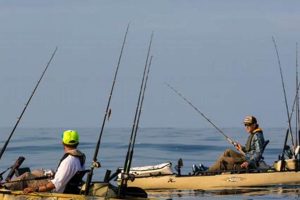
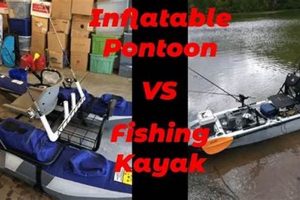
Angling from small, human-powered vessels on Lake St. Clair offers a unique blend of sport and connection with nature. This approach allows close-to-water access to diverse fish species in various habitats, from shallow-water marshes teeming with panfish and bass, to deeper channels holding walleye and muskie. The relatively calm waters and numerous protected bays make it an ideal location for this style of fishing.
This method provides numerous advantages. The quiet operation of non-motorized watercraft can be less disruptive to fish, potentially leading to increased catch rates. Maneuverability within confined areas like weed beds and narrow channels expands angling opportunities. Furthermore, the lower cost and reduced environmental impact compared to motorized boating adds to its appeal. Historically, smaller boats have been utilized for fishing on the lake, demonstrating the enduring relevance of this approach. The modern iteration with specialized kayaks and equipment expands on this tradition.
Further exploration of this topic will delve into specific techniques, recommended equipment, seasonal considerations, relevant regulations, and best practices for a safe and productive angling experience on Lake St. Clair.
Tips for Kayak Fishing on Lake St. Clair
Successful angling on Lake St. Clair from a kayak requires preparation and adherence to best practices. The following tips offer guidance for a productive and enjoyable experience.
Tip 1: Plan according to weather conditions. Wind and wave forecasts should be consulted prior to any outing. Lake St. Clair can become challenging in inclement weather, particularly for smaller vessels. Rescheduling may be necessary for safety and comfort.
Tip 2: Utilize appropriate safety equipment. A personal flotation device (PFD) is essential and should be worn at all times. Carrying a signaling device, such as a whistle or air horn, is crucial in case of emergencies. A properly secured first-aid kit should also be readily accessible.
Tip 3: Choose location based on target species. Researching optimal locations for specific fish species can greatly increase success. Shallow-water areas often harbor panfish and bass, while deeper channels hold walleye and muskie. Matching location to target species is key.
Tip 4: Optimize kayak setup for fishing. Rod holders, anchor systems, and specialized storage compartments can enhance efficiency and organization. A fish finder and GPS unit can also be invaluable tools for locating fish and navigating the lake.
Tip 5: Employ appropriate fishing techniques. Different species require different approaches. Consult local resources or experienced anglers for effective tactics. Live bait, artificial lures, and trolling techniques can all be productive depending on the target species.
Tip 6: Practice responsible angling ethics. Adhering to catch limits and practicing catch-and-release principles ensures the sustainability of the fishery. Proper disposal of fishing line and other waste minimizes environmental impact.
Tip 7: Be aware of boating regulations. Familiarize oneself with local boating regulations, including speed limits and navigation rules. Awareness of these regulations contributes to a safe and legal experience.
By implementing these tips, anglers can maximize their chances of success and contribute to a positive experience on Lake St. Clair. Preparation and responsible practices are essential for enjoying the unique challenges and rewards of kayak fishing.
The following section concludes with essential reminders and resources for those considering this rewarding form of angling on Lake St. Clair.
1. Safety Gear

Safeguarding against unforeseen circumstances is paramount when kayak fishing on Lake St. Clair. The environment presents inherent risks mitigated by proper safety equipment. Understanding and utilizing appropriate gear ensures a secure and enjoyable angling experience.
- Personal Flotation Device (PFD)
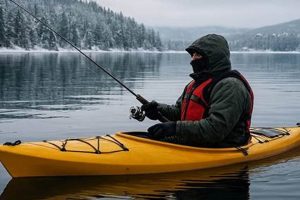
A PFD is the most critical piece of safety equipment. Even strong swimmers can encounter unexpected difficulties, such as cold water shock or entanglement. A properly fitted PFD provides buoyancy and increases chances of survival in an emergency. State regulations often mandate PFD usage, reflecting its importance.
- Signaling Devices
Effective communication in emergencies is crucial. A whistle, air horn, or other signaling device can alert others to distress. Visual signals, like a mirror or flares, further enhance visibility. These tools are essential for attracting attention and expediting rescue efforts.
- First-Aid Kit
Minor injuries, such as hooks, cuts, or insect bites, are common occurrences while fishing. A well-stocked first-aid kit enables immediate treatment, preventing complications. Essential items include antiseptic wipes, bandages, pain relievers, and sunscreen.
- Float Plan & Communication
Informing someone onshore about intended fishing locations and estimated return time provides an additional layer of safety. This float plan allows for prompt assistance if the angler does not return as scheduled. Carrying a waterproof cell phone or VHF radio enables direct communication in case of unexpected delays or emergencies.
Prioritizing these safety measures contributes significantly to a secure and positive experience while kayak fishing on Lake St. Clair. Preparedness for potential hazards allows anglers to focus on enjoying the sport while minimizing risks.
2. Kayak Selection
Appropriate kayak selection significantly impacts the experience of fishing on Lake St. Clair. Vessel characteristics influence stability, maneuverability, and overall angling effectiveness. Matching kayak features to the lake’s conditions and individual angling style enhances both safety and fishing success.
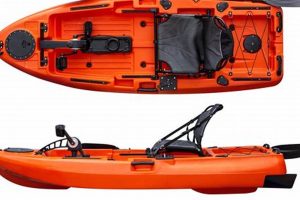
Lake St. Clair presents diverse conditions, from calm, protected bays to open water subject to wind and waves. Longer, wider kayaks generally offer greater stability, beneficial in open water or choppy conditions. Shorter, narrower kayaks provide enhanced maneuverability, advantageous in shallow water or confined areas like weed beds and marinas. Sit-on-top kayaks offer inherent buoyancy and self-bailing capabilities, desirable for anglers concerned about capsizing. Sit-inside kayaks offer protection from the elements and enhanced paddling efficiency, preferred by some for longer trips or colder conditions. Pedal-driven kayaks offer hands-free propulsion which is a benefit for anglers frequently changing lures or fighting fish. Choosing the appropriate hull design, length, and width contributes significantly to a productive and enjoyable fishing experience on Lake St. Clair.
Considering storage capacity is essential for carrying fishing gear, tackle boxes, and personal items. Dedicated rod holders, anchor systems, and storage compartments enhance organization and efficiency on the water. Weight capacity also plays a critical role, impacting the kayak’s performance and stability when loaded with equipment and potential catches. Evaluating these practical aspects ensures the selected kayak aligns with individual needs and preferences for fishing on Lake St. Clair. Careful selection contributes to a safe, comfortable, and productive angling experience. The chosen vessel becomes an integral component of the angler’s connection with the lake’s environment and the pursuit of its diverse fish species.
3. Fishing Regulations

Adherence to fishing regulations is essential for the sustainability of Lake St. Clair’s fishery and the enjoyment of future generations. Regulations govern aspects such as catch limits, size restrictions, and permitted fishing methods. These rules aim to maintain healthy fish populations and prevent overfishing. For kayak anglers, understanding and complying with these regulations is crucial. Ignorance of the law is not an accepted defense. Regulations specific to Lake St. Clair may differ from general state regulations, necessitating careful review of local requirements.
Specific regulations impacting kayak anglers may include restrictions on the number of lines per angler, permissible bait and tackle, and designated fishing zones. For example, certain areas may be designated as sanctuaries or spawning grounds where fishing is prohibited or limited. Using live baitfish may be restricted to prevent the introduction of invasive species. Understanding these specific regulations is critical for legal and ethical angling from a kayak. Failure to comply can result in fines, confiscation of equipment, and suspension of fishing privileges. Resources such as the Michigan Department of Natural Resources website and local bait shops provide detailed information on current regulations.
Responsible angling practices, including catch-and-release techniques, contribute to preserving fish populations and maintaining a healthy ecosystem. Proper handling of fish minimizes stress and injury, increasing their chances of survival upon release. Using barbless hooks or crushing barbs facilitates easier removal and reduces fish mortality. Supporting conservation efforts through adherence to regulations and ethical practices ensures the long-term viability of kayak fishing on Lake St. Clair. This benefits the ecosystem and future anglers. Continued access to this valuable resource depends on responsible and informed participation by all who utilize it.
4. Target Species

Lake St. Clair supports a diverse fish population, offering kayak anglers a variety of target species. Understanding the habits and preferred habitats of these species is crucial for successful angling. Matching fishing techniques and location selection to the target species increases the likelihood of a productive and rewarding experience. This knowledge enhances the angler’s connection with the lake’s ecosystem and promotes responsible fishing practices.
- Smallmouth Bass
Smallmouth bass are a popular game fish known for their aggressive strikes and spirited fights. They prefer rocky areas, drop-offs, and weed beds, often found in deeper sections of the lake. Effective techniques include using tube jigs, crankbaits, and Ned rigs. Their prevalence in Lake St. Clair makes them a frequent target for kayak anglers. Catching smallmouth bass contributes to the lake’s reputation as a premier fishing destination.
- Largemouth Bass
Largemouth bass inhabit shallow, vegetated areas, including bays, coves, and inlets. Their ambush-predator nature makes them susceptible to topwater lures, spinnerbaits, and plastic worms. Kayak anglers can effectively target largemouth bass by exploring these shallower habitats. The abundance of largemouth bass in Lake St. Clair provides ample opportunities for exciting angling experiences.
- Walleye
Walleye are prized for their delicious flesh and are typically found in deeper water, particularly along reefs and drop-offs. Jigging with minnows or leeches is a popular method, as is trolling with crankbaits. Their nocturnal feeding habits can present unique opportunities for kayak anglers during low-light conditions. Targeting walleye adds a challenging dimension to kayak fishing on Lake St. Clair.
- Muskellunge (Muskie)
Muskie, the apex predator of Lake St. Clair, presents a thrilling challenge for experienced anglers. These large, elusive fish inhabit various habitats, including weed beds, open water, and deep channels. Large lures, such as bucktails and jerkbaits, are often used to entice these aggressive predators. Landing a muskie from a kayak represents a significant angling accomplishment.
The diversity of target species in Lake St. Clair allows kayak anglers to tailor their approach based on personal preference and desired challenge. Understanding the specific characteristics and preferred habitats of each target species significantly enhances the probability of success. This knowledge contributes to a more informed and fulfilling angling experience on Lake St. Clair.
5. Location Scouting

Effective location scouting is paramount for successful kayak fishing on Lake St. Clair. The lake’s diverse habitats, ranging from shallow, weedy flats to deep, open water, hold different fish species. Understanding these habitat preferences and seasonal fish movements is crucial for targeting specific species. Scouting involves researching potential fishing spots using maps, online resources, and local knowledge. Observing environmental factors such as water temperature, clarity, and current flow further refines location choices. For instance, smallmouth bass often congregate around rocky structures and drop-offs, while largemouth bass favor shallow, vegetated areas. Scouting allows anglers to identify these prime locations, increasing the likelihood of encountering target species.
Practical applications of location scouting include identifying access points suitable for kayak launching and determining optimal fishing times based on tidal patterns and fish activity. Physical scouting trips, either by kayak or other means, allow for direct observation of the environment. This includes assessing potential hazards such as submerged obstacles or boat traffic. Pre-trip scouting minimizes wasted time on the water and allows anglers to focus on fishing in productive areas. For example, exploring a shoreline prior to a fishing trip might reveal a hidden cove with submerged logs, an ideal habitat for largemouth bass. This targeted approach maximizes fishing time and potential catches.
Successful kayak fishing on Lake St. Clair hinges significantly on thorough location scouting. This pre-fishing preparation allows anglers to strategize effectively, optimize time on the water, and enhance their chances of encountering target species. Combining research, observation, and practical experience ultimately leads to a more informed and productive fishing experience. Failing to scout effectively may result in reduced catches and missed opportunities. Strategic planning, based on sound location scouting, is a key differentiator between a successful fishing trip and a disappointing one.
6. Weather Conditions
Weather conditions significantly influence kayak fishing on Lake St. Clair, impacting both safety and fishing success. Wind speed and direction create wave action and surface currents, affecting kayak stability and maneuverability. Strong winds can make paddling challenging, especially for less experienced kayakers, and increase the risk of capsizing. Wave height and chop further complicate navigation and can make casting and retrieving lures difficult. Monitoring wind forecasts and understanding their potential impact on the lake’s conditions is crucial for planning safe and productive fishing trips. For example, a strong westerly wind can create hazardous conditions on the eastern side of the lake, making sheltered areas on the west side more suitable for kayak fishing.
Beyond wind, other weather factors play important roles. Air temperature and water temperature influence fish behavior and activity levels. Sudden temperature drops can cause fish to become lethargic, affecting bite rates. Precipitation, such as rain or snow, reduces visibility and can create uncomfortable fishing conditions. Lightning storms present a severe safety hazard, requiring immediate cessation of fishing activities and seeking safe shelter. Bright, sunny days can increase water surface glare, making fish spotting more challenging. Considering these various weather elements allows anglers to adapt their strategies, choose appropriate gear, and select locations that offer optimal conditions. For instance, fishing during overcast conditions or early morning/late evening can improve success rates when targeting light-sensitive species.
Careful consideration of weather conditions is essential for safe and successful kayak fishing on Lake St. Clair. Neglecting weather forecasts can lead to hazardous situations or unproductive fishing trips. Prioritizing safety by avoiding adverse weather conditions is paramount. Adapting fishing strategies based on prevailing weather patterns maximizes angling success. Combining weather awareness with other factors, such as location scouting and target species knowledge, creates a comprehensive approach to kayak fishing, resulting in a safer and more rewarding experience. Consistent monitoring of weather forecasts before and during fishing trips enhances safety and contributes to positive outcomes.
7. Ethical Angling

Ethical angling practices are integral to the sustainability of the Lake St. Clair fishery and the long-term enjoyment of kayak fishing. This approach minimizes environmental impact and ensures the health and abundance of fish populations. Kayak fishing, due to its close-to-nature experience, offers a unique opportunity to embrace and promote ethical angling principles. The quiet, non-motorized nature of kayak fishing allows for minimal disturbance of the aquatic environment, reducing stress on fish populations. This aligns with the core principles of ethical angling, which emphasize respect for the environment and its inhabitants.
Practical applications of ethical angling in the context of kayak fishing on Lake St. Clair include practicing catch-and-release, minimizing handling time for caught fish, and using appropriate fishing gear. Catch-and-release, when executed properly, allows fish to thrive and contribute to the breeding population. Minimizing handling time reduces stress on the fish and increases their chances of survival upon release. Using barbless hooks or crushing barbs facilitates easier hook removal and minimizes injury. Furthermore, proper disposal of fishing line and other waste prevents entanglement and pollution, protecting both wildlife and water quality. These actions demonstrate a commitment to responsible angling and contribute to the preservation of the Lake St. Clair ecosystem. For example, using circle hooks when fishing for bass reduces the likelihood of deep hooking, thereby increasing survival rates upon release.
Ethical angling represents not only a set of best practices but a fundamental mindset that prioritizes the well-being of the fishery and its environment. This approach ensures that Lake St. Clair remains a vibrant and productive resource for both current and future generations of kayak anglers. Challenges such as increasing fishing pressure and potential habitat degradation underscore the importance of ethical angling. By embracing these principles, kayak anglers contribute actively to the conservation of this valuable ecosystem, ensuring continued enjoyment of the sport. Ultimately, ethical angling strengthens the connection between anglers and the environment, fostering a deeper appreciation for the natural world and the resources it provides. This commitment to responsible angling practices is crucial for the long-term sustainability of the Lake St. Clair fishery and the continued enjoyment of kayak fishing.
Frequently Asked Questions
This section addresses common inquiries regarding kayak fishing on Lake St. Clair, providing concise and informative responses to assist anglers in planning safe and productive outings.
Question 1: What are the primary safety concerns for kayak anglers on Lake St. Clair?
Wind and waves pose significant safety risks. Sudden changes in weather can create challenging conditions for small vessels. Wearing a personal flotation device (PFD), carrying signaling devices, and checking weather forecasts are crucial safety measures. Boat traffic, particularly larger vessels, also presents a potential hazard. Maintaining awareness of surroundings and adhering to navigation rules are essential for avoiding collisions. Cold water temperatures, especially during the shoulder seasons, necessitate appropriate clothing and precautions against hypothermia.
Question 2: What essential equipment is recommended for kayak fishing on Lake St. Clair?
Beyond standard safety gear, essential equipment includes a fishing rod and reel appropriate for target species, a variety of lures or bait, an anchor system, and a fish finder. A GPS unit or navigation app aids in location awareness. Dry storage compartments protect valuables from water damage. A landing net assists in safely retrieving fish. Rod holders enhance organization and efficiency while fishing. These items contribute to a productive and comfortable angling experience.
Question 3: Are there specific regulations for kayak fishing on Lake St. Clair?
Fishing licenses and adherence to state and local fishing regulations are mandatory. Regulations encompass catch limits, size restrictions, and permitted fishing methods. Consulting official resources, such as the Michigan Department of Natural Resources website, provides up-to-date information. Specific regulations may pertain to certain areas within the lake, such as designated fish sanctuaries or protected spawning grounds.
Question 4: What are the most common fish species targeted by kayak anglers on Lake St. Clair?
Popular target species include smallmouth bass, largemouth bass, walleye, muskie, and panfish. The lake’s diverse habitats support a variety of species, offering anglers multiple options. Understanding habitat preferences of target species enhances fishing success. Smallmouth bass favor rocky areas, while largemouth bass inhabit vegetated shallows. Walleye are found in deeper water, and muskie, the apex predator, inhabit various locations throughout the lake.
Question 5: What are the best times of year for kayak fishing on Lake St. Clair?
Fishing opportunities exist year-round, though each season presents unique considerations. Spring and fall offer excellent fishing conditions, with moderate temperatures and active fish. Summer fishing can be productive during early morning and late evening hours to avoid peak heat. Winter ice fishing offers a different angling experience. Understanding seasonal fish behavior and adjusting techniques accordingly enhances success.
Question 6: Where can one find reliable information about launching sites and access points for kayak fishing on Lake St. Clair?
Information regarding launch sites and access points can be obtained from local bait shops, marinas, and online resources. Michigan Department of Natural Resources websites often provide maps and details of public access points. Consulting local fishing guides or experienced kayak anglers can yield valuable insights into suitable launch locations based on target species and prevailing conditions. Some launch sites may require fees or permits.
Careful consideration of these frequently asked questions enhances preparedness and contributes to a safer and more rewarding kayak fishing experience on Lake St. Clair. Thorough planning and adherence to safety regulations ensure the preservation of this valuable resource and maximize angling enjoyment.
This concludes the frequently asked questions section. The following section provides details about accommodations and lodging options near Lake St. Clair.
Kayak Fishing Lake St. Clair
Exploration of this distinct angling approach reveals its unique advantages and inherent challenges. Effective pursuit of sport fish species from human-powered vessels on Lake St. Clair necessitates careful consideration of several factors. Safety considerations, appropriate equipment selection, adherence to regulations, and understanding of target species behavior are paramount for a successful and ethical experience. Weather conditions significantly influence both safety and fishing outcomes. Thorough pre-trip planning, including location scouting and assessment of potential hazards, is essential for maximizing angling opportunities.
The enduring appeal of this close-to-nature angling style lies in its blend of challenge, reward, and environmental consciousness. Continued enjoyment of this pursuit hinges upon responsible practices and a commitment to preserving the lake’s ecosystem. Anglers bear the responsibility to minimize their impact, adhere to ethical guidelines, and contribute to the long-term sustainability of this valuable resource. Future generations’ ability to experience the unique rewards of angling from human-powered vessels on Lake St. Clair depends on the collective stewardship of those who appreciate its unique qualities.