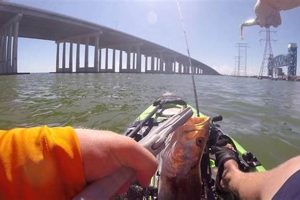
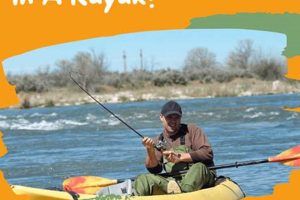
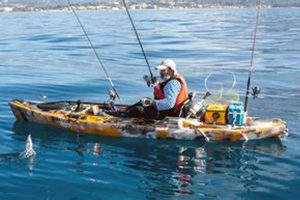
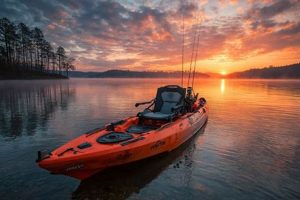
A destination specializing in angling and paddling excursions typically offers lodging, guided trips, and equipment rentals within a coastal or riverine environment rich in aquatic life. Such a venue provides opportunities for recreational and sport fishing alongside exploration of the surrounding waterways via kayak. These destinations often cater to diverse skill levels, from novice anglers to seasoned professionals, and may offer specialized packages or instruction.
Providing access to both fishing and kayaking allows visitors to experience the natural environment in a multifaceted way. Anglers can target specific species or enjoy the challenge of diverse catches, while kayaking offers a unique perspective on the local ecosystem, wildlife, and scenery. This combination attracts a broader audience than single-activity destinations and can contribute significantly to local tourism and economies by creating jobs and supporting related businesses. Historically, such integrated outdoor recreation venues evolved from simpler fishing camps and lodges, adapting to meet the increasing demand for diverse and immersive nature-based experiences.
Further exploration could delve into specific aspects of such a destination, including the types of fish commonly caught, the variety of kayaking experiences available, the local ecology, and the sustainability practices employed.
Tips for an Enjoyable Fishing and Kayaking Experience
Careful planning enhances any outdoor adventure. The following tips contribute to a safe and rewarding experience combining fishing and kayaking.
Tip 1: Research local regulations. Obtain necessary fishing permits and familiarize oneself with catch limits, size restrictions, and any protected species. Understand and adhere to waterway regulations specific to kayaks and other non-motorized vessels.
Tip 2: Prioritize safety. Always wear a personal flotation device (PFD) while on the water. Check weather forecasts before embarking and be prepared for changing conditions. Inform someone of intended routes and estimated return times.
Tip 3: Select appropriate gear. Choose fishing tackle suitable for the target species and the local environment. Ensure the kayak is appropriate for the planned activity, considering factors such as stability, storage capacity, and comfort.
Tip 4: Practice essential skills. Develop proficiency in basic kayaking techniques, including paddling, turning, and self-rescue. Familiarize oneself with knot tying, casting, and other essential fishing skills.
Tip 5: Respect the environment. Practice catch-and-release whenever possible. Properly dispose of fishing line and other waste. Avoid disturbing wildlife and sensitive habitats.
Tip 6: Pack essential supplies. Bring ample water, sunscreen, insect repellent, and a first-aid kit. Consider including a waterproof bag for electronics and other valuables.
Tip 7: Engage local expertise. Consulting local guides or outfitters can provide valuable insights into the best fishing spots, kayaking routes, and current conditions. Guided trips can enhance the experience for novice or experienced anglers and kayakers.
Adhering to these guidelines promotes a safe, enjoyable, and environmentally responsible approach to fishing and kayaking, ensuring a memorable experience.
By following these tips, individuals can maximize their enjoyment on the water while contributing to the preservation of natural resources for future generations. This sets the stage for a rewarding conclusion to any fishing and kayaking adventure.
1. Accommodation Quality

Accommodation quality directly influences the overall experience at a fishing and kayak lodge. Comfortable and well-maintained lodging allows guests to relax and recharge after a day on the water, contributing significantly to their enjoyment and the likelihood of positive reviews and repeat bookings. Substandard accommodations, conversely, can negatively impact the perception of the entire experience, regardless of the quality of the fishing or kayaking opportunities. A comfortable bed, reliable climate control, and a clean, functional space are essential components of a positive guest experience. For example, a lodge offering spacious cabins with comfortable beds, private bathrooms, and screened porches provides a higher level of comfort and privacy than a lodge with shared bunk rooms and communal facilities. This difference can significantly impact guest satisfaction, especially for travelers seeking a more luxurious or private experience.
Several factors contribute to accommodation quality. Cleanliness and maintenance are paramount, ensuring a hygienic and pleasant environment. Functional amenities, such as reliable hot water and internet access, further enhance comfort and convenience. The style and dcor of the accommodations should align with the overall atmosphere of the lodge and the expectations of the target audience. For a lodge seeking to attract a high-end clientele, investing in premium bedding, upscale furnishings, and added amenities like private balconies or fireplaces can significantly enhance perceived value. Conversely, a lodge catering to budget-conscious travelers might prioritize simple, clean, and functional accommodations over luxury amenities.
Investing in quality accommodations is a strategic decision for fishing and kayak lodges. It contributes to positive guest experiences, encouraging repeat business and positive word-of-mouth referrals. This, in turn, strengthens the lodge’s reputation and contributes to its long-term success. While cost considerations are always a factor, prioritizing accommodation quality demonstrates a commitment to guest satisfaction and positions the lodge as a desirable destination within the competitive outdoor recreation market. Neglecting this aspect can lead to negative reviews and diminished bookings, ultimately impacting the lodges profitability and sustainability. Therefore, careful consideration of accommodation quality is essential for achieving and maintaining success within this industry.
2. Fishing Expertise

Fishing expertise plays a crucial role in the success of a Bahia Rica fishing & kayak lodge. Experienced guides enhance the angling experience, contributing to guest satisfaction and positive reviews. This expertise encompasses a range of skills and knowledge essential for a productive and enjoyable fishing trip.
- Species Knowledge
In-depth knowledge of local fish species, their behavior, and preferred habitats is fundamental. Guides possessing this knowledge can advise guests on appropriate tackle, bait, and techniques for targeting specific species. For example, understanding the migratory patterns of tarpon allows guides to position anglers in the optimal location at the right time of year. This targeted approach increases the likelihood of successful catches and enhances the overall fishing experience.
- Technique Proficiency
Mastery of various fishing techniques, from fly fishing to trolling, expands the range of fishing experiences offered. Guides can adapt their approach based on guest preferences and skill levels. An experienced guide can demonstrate the proper technique for casting a fly rod in windy conditions or explain the nuances of trolling for pelagic fish. This practical instruction enhances guest skills and increases their chances of landing a trophy fish.
- Equipment Familiarity
A comprehensive understanding of fishing equipment, including rods, reels, lines, and lures, is essential. Guides can assist guests with equipment selection, maintenance, and troubleshooting, ensuring they have the right tools for the job. A guide’s ability to quickly repair a broken fishing line or adjust a reel drag can prevent frustrating delays and keep anglers focused on the action. This technical proficiency contributes to a seamless and enjoyable experience.
- Environmental Awareness
Respect for the environment and adherence to sustainable fishing practices are crucial. Knowledgeable guides promote ethical angling, educating guests on catch-and-release techniques and the importance of preserving fish populations and their habitats. This commitment to conservation ensures the long-term health of the fishery and contributes to the overall sustainability of the lodge’s operations.
These combined facets of fishing expertise significantly enhance the overall experience at a Bahia Rica fishing & kayak lodge. Knowledgeable guides contribute not only to successful fishing trips but also to guest education and the promotion of sustainable practices. This expertise distinguishes a high-quality lodge and contributes to its reputation as a premier fishing destination, ensuring its continued success and attracting discerning anglers seeking an enriching and memorable experience.
3. Kayak Provision

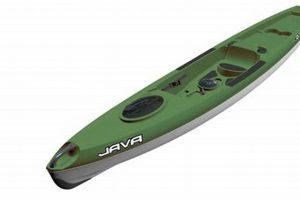
Kayak provision is integral to a successful bahia rica fishing & kayak lodge operation. Offering diverse, well-maintained kayaks caters to varying skill levels and preferences, directly influencing guest satisfaction and the perception of value. A comprehensive fleet might include stable sit-on-top kayaks for novice paddlers and anglers, touring kayaks for exploring distant waterways, and specialized fishing kayaks equipped with rod holders and other angling accessories. For example, providing tandem kayaks allows families or groups to paddle together, while offering high-performance fishing kayaks caters to serious anglers seeking a competitive edge. The availability of appropriate kayaks directly impacts the range and quality of experiences offered, influencing the lodge’s ability to attract a wider clientele and maximize booking potential.
Beyond simply providing kayaks, meticulous maintenance and appropriate safety equipment are crucial. Regular inspections, repairs, and proper storage ensure kayak longevity and guest safety. Providing essential safety gear, such as personal flotation devices (PFDs) and paddles in good condition, demonstrates a commitment to guest well-being and mitigates potential risks. Furthermore, offering optional extras, such as dry bags, spray skirts, and comfortable seating, enhances the kayaking experience and caters to diverse guest needs. For instance, providing dry bags allows guests to protect electronic devices and other valuables, while offering spray skirts enhances comfort in choppy conditions. These seemingly small details contribute significantly to guest satisfaction and differentiate a well-run lodge from its competitors.
Effective kayak provision requires strategic planning and ongoing investment. Understanding target demographics and anticipating guest needs informs decisions regarding kayak selection and associated services. Regular assessment of kayak condition and guest feedback allows for continuous improvement and ensures the lodge’s kayak fleet remains a valuable asset, contributing to positive guest experiences and the overall success of the operation. Failure to prioritize kayak provision can negatively impact guest satisfaction, limit the range of activities offered, and ultimately hinder the lodge’s ability to thrive in a competitive market. Therefore, meticulous attention to kayak provision is essential for any fishing and kayak lodge aiming to provide a comprehensive and rewarding experience for its clientele.
4. Natural Setting
The natural setting profoundly influences the appeal and success of a bahia rica fishing & kayak lodge. A pristine environment rich in biodiversity attracts anglers and kayakers seeking immersive nature-based experiences. The quality of the surrounding ecosystem directly impacts the abundance and diversity of fish species, a key factor for angling success. Clear waters, healthy mangrove forests, and vibrant coral reefs contribute to a thriving aquatic ecosystem, supporting diverse fish populations and enhancing the overall fishing experience. Similarly, the scenic beauty of the natural setting enhances kayaking excursions, providing opportunities for wildlife viewing, birdwatching, and exploration of pristine waterways. A lodge situated amidst breathtaking coastal landscapes or along a tranquil river offers a more compelling experience than one located in a degraded or heavily developed area. For example, a lodge nestled within a protected mangrove estuary provides a unique opportunity to observe diverse birdlife and juvenile fish, adding an enriching dimension to kayaking tours. This interconnectedness between the lodge and its natural setting underscores the importance of environmental stewardship and sustainable practices.
The health of the natural environment directly impacts the long-term viability of a fishing and kayak lodge. Maintaining water quality, preserving natural habitats, and promoting responsible fishing practices are crucial for sustaining healthy fish populations and ensuring the continued appeal of the destination. Degradation of the natural environment, through pollution, habitat destruction, or overfishing, can negatively impact the quality of the fishing and kayaking experience, potentially leading to declining visitor numbers and economic hardship for the lodge and surrounding community. Conversely, actively protecting and enhancing the natural setting can attract environmentally conscious travelers and contribute to the long-term sustainability of the lodge’s operations. For instance, implementing a catch-and-release policy for certain species can help maintain healthy fish populations, while supporting local conservation initiatives strengthens the lodge’s commitment to environmental responsibility and resonates with eco-conscious guests.
Understanding the crucial link between the natural setting and the success of a bahia rica fishing & kayak lodge highlights the importance of environmental stewardship. Protecting the natural environment is not merely an ethical responsibility but also a sound business strategy. By prioritizing conservation and sustainable practices, lodges can ensure the long-term health of the ecosystem, enhance the guest experience, and contribute to the economic well-being of the local community. Failing to address environmental concerns can lead to irreversible damage to the natural setting, jeopardizing the very foundation upon which the lodge’s success depends. Therefore, a commitment to environmental sustainability is essential for the long-term viability and prosperity of any bahia rica fishing & kayak lodge.
5. Customer Service

Customer service forms a cornerstone of a successful bahia rica fishing & kayak lodge experience. Exceptional service cultivates positive guest experiences, fostering loyalty and positive word-of-mouth referrals, crucial for attracting new clientele and ensuring the long-term success of the lodge. Conversely, subpar customer service can negatively impact reputation and deter potential visitors, regardless of the quality of other offerings. Addressing guest needs promptly and efficiently, demonstrating genuine care, and exceeding expectations contribute significantly to satisfaction. For example, a lodge anticipating guest needs by providing packed lunches for day trips or offering personalized recommendations for local attractions demonstrates proactive customer service that enhances the overall experience. This attentiveness to detail distinguishes a lodge committed to exceeding guest expectations.
Effective customer service within this context extends beyond basic hospitality. Knowledge of local fishing regulations, kayaking techniques, and environmental considerations allows staff to provide valuable information and guidance to guests. Offering assistance with equipment selection, trip planning, and other logistical details streamlines the guest experience and contributes to a sense of ease and comfort. Consider a scenario where a guest’s fishing rod breaks unexpectedly. A lodge committed to exceptional customer service might offer a replacement rod or facilitate repairs promptly, minimizing disruption to the guest’s fishing trip. This responsiveness demonstrates a commitment to problem-solving and reinforces the lodge’s dedication to guest satisfaction.
Investing in customer service training and empowering staff to address guest needs effectively is a strategic decision for bahia rica fishing & kayak lodges. This investment yields substantial returns in the form of positive reviews, repeat bookings, and enhanced reputation. A culture of exceptional customer service distinguishes a lodge from its competitors, attracting discerning travelers seeking personalized and memorable experiences. Failing to prioritize customer service can lead to negative reviews, diminished bookings, and ultimately, a decline in profitability. Therefore, a commitment to providing outstanding customer service is not merely a desirable attribute but a fundamental requirement for success within this competitive industry.
6. Safety Measures

Safety measures are paramount for any bahia rica fishing & kayak lodge, ensuring guest well-being and mitigating potential risks inherent in water-based activities. A comprehensive approach to safety fosters a secure environment, builds trust with clientele, and safeguards the lodge’s reputation. Neglecting safety protocols can lead to accidents, legal liabilities, and negative publicity, jeopardizing the lodge’s long-term viability. A proactive and demonstrably committed approach to safety management is essential.
- Emergency Preparedness
Establishing comprehensive emergency procedures, including communication protocols, first-aid provisions, and evacuation plans, is crucial. Regular drills and staff training ensure preparedness for various scenarios, from minor injuries to severe weather events. For example, having designated emergency contacts, readily available first-aid kits, and a clear evacuation plan in case of a hurricane ensures a swift and organized response to potential crises. This preparedness minimizes the impact of unforeseen events and safeguards guest well-being.
- Equipment Maintenance
Maintaining kayaks, fishing gear, and other equipment in optimal condition is essential for preventing accidents. Regular inspections, timely repairs, and proper storage prevent equipment failure and ensure guest safety. For instance, regularly checking kayaks for cracks, leaks, and proper functioning of safety features, such as rudders and footrests, minimizes the risk of equipment-related incidents on the water. This proactive approach to maintenance demonstrates a commitment to guest safety and mitigates potential hazards.
- Safety Education
Providing guests with clear safety guidelines and instructions contributes significantly to accident prevention. Briefings on proper kayaking techniques, safe fishing practices, and emergency procedures empower guests to make informed decisions and act responsibly on the water. For example, demonstrating proper PFD usage, explaining safe paddling techniques, and outlining emergency communication protocols equips guests with the knowledge and skills to navigate waterways safely and respond effectively in unforeseen situations.
- Environmental Awareness
Understanding and respecting the local environment enhances safety. Educating guests about potential hazards, such as strong currents, changing tides, and local wildlife, fosters responsible behavior and minimizes risks. For example, informing guests about areas with strong currents or shallow reefs helps them avoid potentially dangerous situations while kayaking. Similarly, educating guests about the local fauna, such as the presence of crocodiles or jellyfish, promotes awareness and cautious interaction with the natural environment.
Implementing these safety measures contributes significantly to the overall positive experience at a bahia rica fishing & kayak lodge. Prioritizing safety not only protects guests but also enhances the lodge’s reputation as a responsible and trustworthy operation. This commitment to safety fosters peace of mind for guests, allowing them to fully enjoy their fishing and kayaking adventures. Conversely, neglecting safety protocols can lead to serious consequences, impacting both guest well-being and the long-term viability of the lodge. Therefore, a comprehensive and proactive approach to safety management is an indispensable element of a successful bahia rica fishing & kayak lodge operation.
7. Local Integration
Local integration plays a vital role in the sustainability and authenticity of a bahia rica fishing & kayak lodge. Integrating with the surrounding community fosters mutually beneficial relationships, contributing to the lodge’s economic viability and enriching the guest experience. Supporting local businesses, employing community members, and respecting local customs and traditions strengthens the lodge’s connection to its surroundings and fosters a sense of place. For example, sourcing food from local farmers and fishermen not only provides guests with fresh, regional cuisine but also directly benefits the local economy. Similarly, partnering with local artisans to offer handcrafted souvenirs provides guests with unique mementos while supporting traditional crafts and generating income for local families. This integration creates a more authentic and immersive experience for visitors, differentiating the lodge from larger, less-connected establishments.
Furthermore, local integration enhances the lodge’s ability to offer authentic cultural experiences. Collaborating with local guides and cultural organizations provides guests with opportunities to learn about the region’s history, traditions, and natural environment. This might involve guided tours of nearby villages, demonstrations of traditional fishing techniques, or participation in local festivals and celebrations. For instance, partnering with a local indigenous community to offer guided tours of nearby rainforests provides guests with a unique insight into the local ecosystem and cultural heritage, while generating income for the community and promoting cultural preservation. These authentic experiences enrich guest understanding of the local culture and create lasting memories, enhancing the overall value of their stay.
Successful local integration requires ongoing dialogue and collaboration between the lodge and the surrounding community. Respecting local values, addressing community concerns, and contributing to local development initiatives builds trust and fosters long-term partnerships. This collaborative approach ensures that the lodge’s operations benefit both the business and the community, contributing to sustainable tourism development. Challenges may include navigating cultural differences, addressing potential conflicts of interest, and ensuring equitable distribution of benefits. However, overcoming these challenges through open communication and mutual respect strengthens the lodge’s connection to the local community, enhancing its authenticity, contributing to its long-term sustainability, and ultimately, enriching the experience for both guests and residents alike.
Frequently Asked Questions
This FAQ section addresses common inquiries regarding fishing and kayak lodge experiences, providing clarity for potential visitors.
Question 1: What type of fishing license is required?
Licensing requirements vary by location and fishing type. Contacting local authorities or the lodge directly confirms specific regulations. Saltwater and freshwater fishing typically require separate licenses, and some regions may offer short-term tourist licenses.
Question 2: What fishing equipment is provided?
Lodges often offer rental equipment, but specifics vary. Inquiries regarding rod and reel types, tackle availability, and specialized equipment, such as fly-fishing gear, should be directed to the lodge. Personal equipment may be preferred by experienced anglers.
Question 3: Are kayaking experiences suitable for beginners?
Many lodges cater to all skill levels, offering introductory kayaking lessons and guided tours suitable for beginners. Inquiries regarding instructional programs and the availability of stable, beginner-friendly kayaks are recommended.
Question 4: What safety precautions are in place for kayaking excursions?
Reputable lodges prioritize safety, providing personal flotation devices (PFDs), safety briefings, and guided tours led by experienced kayakers. Inquiries regarding emergency procedures and safety protocols should be addressed prior to booking.
Question 5: What accommodation options are available at fishing and kayak lodges?
Lodges offer diverse accommodation options, from rustic cabins to luxury suites. Specific amenities, such as private bathrooms, kitchen facilities, and internet access, vary by lodge. Direct inquiries regarding accommodation preferences are encouraged.
Question 6: What is the typical daily schedule at a fishing and kayak lodge?
Daily schedules vary, influenced by factors such as tides, weather conditions, and guest preferences. Lodges often offer flexible itineraries, combining guided fishing trips, kayaking excursions, and opportunities for relaxation. Specific schedules and activity options should be confirmed directly with the lodge.
Thorough pre-trip planning ensures a seamless and enjoyable fishing and kayak lodge experience. Direct communication with the chosen lodge clarifies specific details, addresses individual needs, and aligns expectations for a memorable adventure.
Further inquiries may be directed to the lodge directly for personalized assistance.
Conclusion
Exploration of the essential elements contributing to a thriving fishing and kayak lodge experience reveals the intricate interplay of accommodation quality, fishing expertise, kayak provision, natural setting, customer service, robust safety measures, and meaningful local integration. Each component plays a crucial role in shaping guest perception and overall satisfaction, ultimately influencing the long-term success and sustainability of such ventures. Careful consideration of these factors, coupled with a commitment to continuous improvement, distinguishes exceptional lodges from their competitors.
The symbiotic relationship between a lodge and its surrounding environment underscores the importance of responsible tourism practices. Preserving the natural beauty and ecological integrity of the destination ensures the long-term viability of these unique experiences. A dedication to environmental stewardship, coupled with genuine community engagement, fosters a sustainable model for tourism, benefiting both the local economy and the natural world. Such commitment not only enhances the guest experience but also safeguards these invaluable resources for future generations.