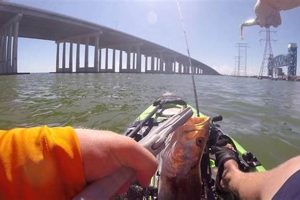
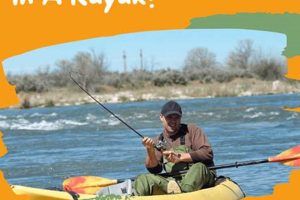
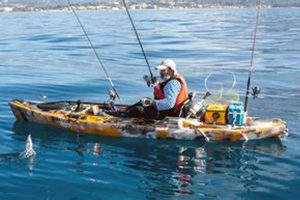
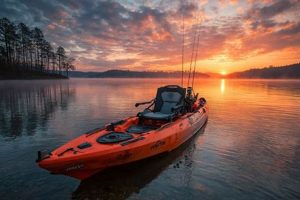
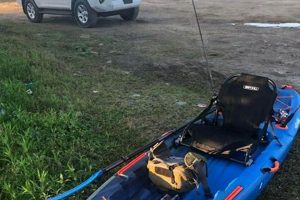
Kayak angling in Minnesota offers a unique blend of outdoor recreation and sport fishing. It allows anglers to access otherwise unreachable waters, from secluded lakes and rivers to vast stretches of the Mississippi River and Lake Superior. This method combines the tranquility of paddling with the excitement of pursuing various fish species.
The low profile and maneuverability of kayaks provide a distinct advantage, allowing anglers to approach fish stealthily and navigate shallow or heavily vegetated areas. This silent approach can be particularly effective for targeting species like bass, walleye, northern pike, and muskie, all popular game fish in Minnesota. The state’s diverse aquatic ecosystems and abundant fish populations make it a prime location for this activity, contributing significantly to both tourism and local economies. The growing popularity of this fishing style has led to an increase in specialized kayak designs, equipment, and guided tours catering specifically to anglers.
Further exploration of this topic will cover suitable kayak selection, essential fishing gear, optimal locations across Minnesota, and responsible angling practices for preserving the state’s natural resources.
Tips for Kayak Fishing in Minnesota
Successful kayak angling in Minnesota requires preparation and adherence to best practices. The following tips offer guidance for a safe and productive experience.
Tip 1: Choose the Right Kayak: Kayak selection depends on the targeted fishing environment. Longer kayaks offer speed and tracking for larger lakes, while shorter, wider kayaks provide stability in rivers and smaller bodies of water. Sit-on-top kayaks are generally preferred for fishing due to their self-bailing design and ease of entry and exit.
Tip 2: Prioritize Safety Equipment: A personal flotation device (PFD) is essential. Other safety gear includes a whistle, signaling devices, a first-aid kit, and a communication device for emergencies.
Tip 3: Plan and Research Fishing Locations: Understanding water conditions, access points, and local regulations is crucial. Checking weather forecasts and water levels before heading out is highly recommended.
Tip 4: Organize and Secure Fishing Gear: Utilizing rod holders, tackle boxes, and storage compartments keeps essential gear readily accessible and prevents clutter. Securing equipment to the kayak minimizes loss in case of capsizing.
Tip 5: Practice Paddle Strokes and Kayak Control: Mastering basic paddle strokes and maneuvering techniques improves efficiency and ensures angler safety. Practicing in calm water before venturing into challenging conditions is advisable.
Tip 6: Respect Wildlife and the Environment: Practice catch-and-release whenever possible and adhere to all fishing regulations. Proper disposal of fishing line and other waste helps preserve Minnesota’s natural resources.
Tip 7: Dress Appropriately for the Conditions: Layering clothing allows for adaptability to changing weather conditions. Wearing waterproof and breathable gear is essential for comfort and safety.
Adhering to these guidelines enhances safety, maximizes fishing success, and contributes to the overall enjoyment of kayak fishing in Minnesota.
By understanding the nuances of kayak fishing and prioritizing safety, anglers can fully appreciate the unique experience offered by Minnesota’s diverse waters.
1. Lake Selection

Lake selection is a critical factor in Minnesota kayak fishing, directly influencing angler success and overall experience. Choosing the right lake requires careful consideration of various factors, including target species, water conditions, accessibility, and personal preferences.
- Target Species
Different lakes support diverse fish populations. Anglers targeting walleye might choose deeper, cooler lakes like Mille Lacs or Lake of the Woods. Those seeking bass might prefer shallower, vegetated lakes like White Bear Lake or Lake Minnetonka. Researching fish species distribution within Minnesota’s lakes is essential for effective lake selection. Understanding the preferred habitat of the target species will significantly increase the chances of a successful fishing trip.
- Water Conditions
Factors like water clarity, current, and depth impact fishing conditions and kayak maneuverability. Lakes with heavy boat traffic might be less suitable for kayaking, while calmer lakes offer a more peaceful and productive fishing experience. Wind conditions also play a significant role, as strong winds can create challenging paddling conditions, especially on larger lakes. Consulting local resources for current water conditions is vital.
- Accessibility
The availability of suitable launch sites and parking facilities significantly impacts lake accessibility. Some lakes offer designated kayak launches, while others require shoreline entry. Considering the ease of access and the presence of amenities like restrooms and boat ramps contributes to a more convenient and enjoyable fishing experience. Researching access points and potential limitations beforehand streamlines the planning process.
- Regulations and Considerations
Understanding specific lake regulations, including motor restrictions and permitted fishing methods, is essential for responsible angling. Some lakes might have size limits or special regulations for certain species. Checking the Minnesota Department of Natural Resources website for current regulations ensures compliance and contributes to sustainable fishing practices. Respecting local guidelines ensures the preservation of Minnesota’s aquatic ecosystems.
By carefully considering these factors, anglers can select the optimal lake for their specific needs and preferences, maximizing their chances of a successful and rewarding kayak fishing experience in Minnesota. The interplay of these elements contributes significantly to the overall enjoyment and productivity of a fishing trip, highlighting the importance of informed lake selection.
2. Kayak Choice
Kayak selection is paramount for successful kayak angling in Minnesota. The chosen vessel directly impacts maneuverability, stability, and overall fishing experience. Different kayak types cater to specific fishing styles and water conditions, making informed selection crucial.
- Hull Design
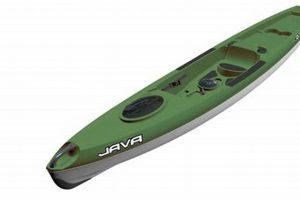
Hull design significantly influences kayak performance. Sit-on-top kayaks are generally preferred for fishing due to their self-bailing capabilities and ease of entry/exit. These kayaks offer stability and are well-suited for calmer waters. Sit-in kayaks offer a drier ride and better protection from the elements, but can be more challenging to recover from a capsize. Their enclosed design provides warmth in colder conditions, a key consideration for Minnesota’s variable climate. Pedal-driven kayaks allow hands-free fishing and increased speed for covering larger distances, beneficial in larger lakes or rivers. Each hull design presents unique advantages and disadvantages for specific fishing scenarios.
- Length and Width
Kayak dimensions affect tracking, stability, and maneuverability. Longer kayaks track straighter and glide more efficiently, making them suitable for open water and covering longer distances. Shorter kayaks offer enhanced maneuverability in tight spaces and rivers. Wider kayaks provide greater stability, particularly beneficial for stand-up fishing, while narrower kayaks offer increased speed. The optimal length and width depend on the intended fishing environment and angler preferences.
- Storage Capacity
Ample storage space is crucial for carrying fishing gear, safety equipment, and personal belongings. Kayaks designed for fishing often feature dedicated storage compartments, rod holders, and tackle storage solutions. Sufficient storage ensures organized gear and facilitates efficient access to essential equipment during a fishing trip.
- Weight Capacity
Weight capacity dictates the maximum load a kayak can safely carry, encompassing the angler’s weight, gear, and any potential catch. Exceeding the weight capacity compromises stability and can lead to capsizing. Selecting a kayak with appropriate weight capacity ensures safe and stable performance on the water.
Careful consideration of these factors ensures optimal kayak selection for Minnesota’s diverse fishing environments. Matching the kayak to the intended fishing style and water conditions maximizes angler comfort, safety, and overall fishing success. The right kayak enhances the overall experience and allows anglers to fully appreciate the unique opportunities offered by Minnesota kayak fishing. For example, choosing a stable, shorter kayak with ample storage is ideal for navigating smaller, vegetated lakes targeting bass, while a longer, faster kayak might be preferred for trolling open water for walleye on larger lakes.
3. Essential Gear

Effective kayak angling in Minnesota necessitates specific gear crucial for both safety and fishing success. This equipment facilitates efficient fishing practices while prioritizing angler well-being on the water. The selection and utilization of appropriate gear directly impact the overall experience and contribute significantly to a productive and safe outing.
Safety Equipment: A personal flotation device (PFD) is paramount. Minnesota law mandates PFD availability for each person onboard, and wearing it is strongly advised. A whistle, essential for signaling in emergencies, should be readily accessible. A first-aid kit equipped to handle common injuries, including fishhook removals and minor cuts, is crucial. A waterproof communication device enables contact in case of emergencies or unforeseen circumstances. These safety measures are non-negotiable and contribute significantly to angler well-being.
Fishing Gear: Rod and reel selection depends on targeted species and fishing techniques. Shorter rods are advantageous in confined spaces, while longer rods offer increased casting distance. A selection of lures and bait appropriate for Minnesota’s diverse fish species, including walleye, bass, northern pike, and panfish, is essential. A tackle box or bag organizes and protects fishing accessories. Landing nets assist in safely retrieving fish and minimizing harm. These tools are integral to successful angling and contribute directly to optimizing catch rates.
Kayak-Specific Equipment: A paddle leash prevents accidental loss of the paddle in the water. Anchor systems, including stake-out poles or small anchors, maintain kayak position in desired fishing locations. Rod holders secure rods and free up hands for other tasks. A fish finder provides valuable information about water depth, structure, and fish location, enhancing fishing efficiency. These specialized tools are essential for adapting to various fishing scenarios and maximizing success on the water.
Appropriate gear selection and utilization enhance safety, contribute to successful angling, and maximize enjoyment on Minnesota waters. The synergy between essential gear and informed angling practices cultivates a rewarding experience, emphasizing the interconnectedness of preparation and successful outcomes in kayak fishing. Neglecting essential gear compromises safety and diminishes the potential for a successful fishing trip. Careful consideration of these elements contributes to responsible angling practices and underscores the importance of preparedness when engaging in this activity.
4. Safety Procedures

Safety procedures are inextricably linked to successful and enjoyable kayak fishing in Minnesota. The inherent risks associated with on-water activities necessitate meticulous attention to safety protocols. Ignoring these procedures can lead to serious consequences, including injury, loss of equipment, or even fatalities. Understanding and implementing appropriate safety measures ensures angler well-being and contributes to a positive experience on the water. For example, neglecting to wear a personal flotation device (PFD) can have life-threatening consequences in the event of a capsize, particularly in cold water conditions common in Minnesota.
Several key safety procedures apply specifically to kayak fishing in Minnesota. Checking weather forecasts and water conditions prior to embarking on a fishing trip is crucial. Sudden changes in weather, such as strong winds or thunderstorms, can create hazardous conditions on the water. Informing someone of the planned fishing location and estimated return time ensures that assistance can be summoned in case of an emergency. Carrying essential safety equipment, including a PFD, whistle, signaling devices, and a first-aid kit, equips anglers to handle unforeseen circumstances. Understanding basic kayak handling and self-rescue techniques, such as re-entering a capsized kayak, is essential for mitigating risks. These proactive measures minimize potential hazards and enhance angler preparedness.
Adhering to established safety procedures significantly reduces risks associated with kayak fishing in Minnesota. This proactive approach not only safeguards angler well-being but also fosters a more enjoyable and productive fishing experience. By prioritizing safety, anglers can fully appreciate the unique opportunities offered by Minnesota’s diverse waterways while mitigating potential hazards. The practical application of these procedures ensures that anglers can enjoy the sport responsibly and minimize the likelihood of adverse incidents. This understanding underscores the critical role of safety in responsible kayak angling.
5. Fishing Regulations
Fishing regulations are integral to the sustainability and enjoyment of kayak fishing in Minnesota. These regulations, established and enforced by the Minnesota Department of Natural Resources (DNR), govern aspects such as licensing requirements, season dates, catch limits, and permitted fishing methods. Adherence to these regulations ensures the long-term health of fish populations, protects sensitive aquatic ecosystems, and promotes responsible angling practices. Disregarding these rules can result in fines, license revocation, and negatively impact the overall fishing experience for everyone. For example, exceeding catch limits for walleye on a specific lake can deplete the population and affect future fishing opportunities for all anglers.
Specific regulations directly impact kayak anglers. Understanding license requirements, including the need for a valid Minnesota fishing license and any special permits required for specific species or waters, is essential. Awareness of season dates ensures compliance and avoids fishing during closed periods designed to protect spawning fish or vulnerable populations. Familiarization with catch limits, both in terms of quantity and size restrictions for specific species, contributes to conservation efforts. Knowledge of permitted fishing methods, such as allowed lures, bait, and tackle, ensures legal compliance. For instance, using live baitfish may be restricted in certain lakes to prevent the introduction of invasive species. Consulting the Minnesota DNR website or contacting local DNR offices provides access to the most current regulations and ensures compliance.
Compliance with fishing regulations fosters a sustainable and ethical angling environment. This responsibility benefits not only the environment but also future generations of anglers. Understanding and adhering to these regulations contributes to the overall health of Minnesota’s aquatic ecosystems and ensures the continued enjoyment of kayak fishing for years to come. Challenges may include staying informed about evolving regulations and interpreting complex rules, but the practical significance of compliance outweighs these challenges. By prioritizing responsible angling practices, kayak anglers contribute to the preservation of Minnesota’s valuable natural resources and ensure the sustainability of this cherished recreational activity.
6. Etiquette & Respect
Etiquette and respect are essential components of a positive and sustainable kayak fishing experience in Minnesota. These principles promote harmonious interactions among anglers, protect the environment, and contribute to the overall enjoyment of the sport. Observing proper etiquette ensures that all anglers have an equal opportunity to enjoy Minnesota’s waterways while minimizing conflicts and preserving the natural environment. Disregarding these principles can create negative experiences for individuals and detrimental impacts on the shared resource.
- Respecting Fellow Anglers
Maintaining a reasonable distance from other anglers ensures undisturbed fishing experiences. Avoiding excessive noise, including loud conversations or music, minimizes disruptions to wildlife and fellow anglers. Offering assistance to anglers in need fosters a positive community atmosphere. Respectful interactions contribute to a more enjoyable experience for everyone on the water.
- Minimizing Environmental Impact
Proper disposal of fishing line and other waste prevents pollution and protects aquatic ecosystems. Avoiding disturbing vegetation or sensitive habitats preserves the natural environment. Practicing catch-and-release fishing contributes to sustainable fish populations. Minimizing environmental impact ensures the long-term health of Minnesota’s waterways.
- Sharing Resources
Avoiding overcrowding in prime fishing spots allows everyone access to productive areas. Respecting designated fishing zones and access points ensures equitable use of resources. Sharing information about fishing conditions or techniques can foster a positive and collaborative angling community.
- Following Regulations
Adhering to established fishing regulations, including licensing requirements and catch limits, demonstrates respect for the resource and fellow anglers. Reporting violations to the appropriate authorities contributes to responsible resource management. Compliance ensures the sustainability of Minnesota’s fisheries and the continued enjoyment of the sport.
By practicing proper etiquette and respecting fellow anglers and the environment, kayak anglers contribute to a positive and sustainable fishing experience in Minnesota. These principles foster a sense of community, protect valuable natural resources, and ensure that future generations can enjoy the unique opportunities offered by Minnesota’s diverse waterways. These practices are integral to the overall health of the ecosystem and the continued enjoyment of kayak fishing.
Frequently Asked Questions about Kayak Fishing in Minnesota
This FAQ section addresses common inquiries regarding kayak fishing in Minnesota, providing concise and informative responses to assist anglers in planning successful and enjoyable outings.
Question 1: What are the licensing requirements for kayak fishing in Minnesota?
A valid Minnesota fishing license is required for anglers aged 16 and older. Additional permits or stamps might be necessary for specific species, such as trout or muskie, or for accessing certain waters. Consult the Minnesota DNR website for detailed licensing information.
Question 2: Where are suitable kayak fishing locations in Minnesota?
Minnesota offers numerous lakes and rivers suitable for kayak fishing. Popular destinations include Lake Minnetonka, Lake of the Woods, Mille Lacs Lake, the Boundary Waters Canoe Area Wilderness, and various sections of the Mississippi River. Research specific locations based on target species and preferred fishing style.
Question 3: What essential safety equipment is recommended for kayak fishing?
Essential safety equipment includes a personal flotation device (PFD), a whistle, signaling devices, a first-aid kit, and a communication device. A paddle leash and appropriate clothing for weather conditions are also recommended.
Question 4: What type of kayak is best suited for fishing in Minnesota?
Sit-on-top kayaks are generally preferred for fishing due to their stability and self-bailing design. Kayak selection depends on individual preferences, fishing style, and intended fishing locations. Consider factors like hull design, length, width, and storage capacity.
Question 5: Are there specific regulations regarding fishing from a kayak in Minnesota?
Kayak anglers are subject to the same fishing regulations as those fishing from other vessels. Regulations pertain to season dates, catch limits, permitted fishing methods, and specific rules for certain waters. Consult the Minnesota DNR website for detailed information.
Question 6: What are the best practices for catch-and-release kayak fishing?
Minimize handling time, keep the fish wet whenever possible, use appropriate hooks and tackle, and revive the fish properly before releasing. Avoid fishing during extremely hot or cold temperatures when fish are more vulnerable to stress.
Understanding these frequently asked questions contributes to a safer, more informed, and productive kayak fishing experience in Minnesota. Responsible angling practices and adherence to regulations ensure the sustainability of this cherished recreational activity.
For further information, consult the Minnesota Department of Natural Resources website or contact local DNR offices.
Conclusion
Kayak angling in Minnesota offers a unique approach to experiencing the state’s abundant aquatic resources. From lake selection and kayak choice to essential gear and safety procedures, informed preparation is crucial for a successful and rewarding experience. Adherence to fishing regulations and ethical angling practices, including respect for fellow anglers and the environment, ensures the sustainability of this popular recreational activity. Understanding the nuances of navigating Minnesota’s diverse waters, from the tranquility of smaller lakes to the vast expanse of Lake Superior, empowers anglers to appreciate the unique challenges and rewards inherent in this specialized fishing style.
The future of kayak fishing in Minnesota relies on continued responsible resource management and angler education. By embracing sustainable practices and fostering a culture of respect, anglers can ensure that future generations have the opportunity to experience the unique thrill and tranquility of kayak fishing in Minnesota’s pristine waters. The continued growth and evolution of this sport depend on the collective commitment to preservation and responsible engagement.