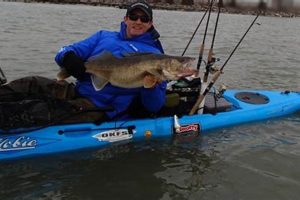
This activity involves angling from a small, human-powered watercraft within the diverse ecosystem of Jamaica Bay, a shallow estuary situated between Brooklyn and Queens, New York. The bay offers a unique blend of saltwater and freshwater environments, creating a rich habitat for various fish species. This method allows anglers to navigate shallow waters and access areas unreachable by larger vessels, providing an intimate connection with the natural surroundings.
The sheltered waters and abundant fish populations make this pursuit a popular recreational activity, offering opportunities to catch species like striped bass, bluefish, fluke, and flounder. The accessibility of the bay contributes to its popularity, attracting anglers of all skill levels, from beginners to experienced professionals. Historically, Jamaica Bay has been a vital fishing ground, and this specific approach provides a sustainable way to continue this tradition while minimizing environmental impact. It also offers a low-impact way to experience the bay’s natural beauty and diverse wildlife.
Further exploration of this topic will cover essential aspects such as appropriate gear, recommended launch sites, best fishing practices, local regulations, and the importance of conservation efforts within this valuable ecosystem. Anglers can gain a deeper understanding of how to respectfully and successfully engage in this activity while contributing to the preservation of Jamaica Bay’s unique natural resources.
Tips for Kayak Fishing in Jamaica Bay
Successful angling in Jamaica Bay from a kayak requires preparation and adherence to best practices. The following tips offer valuable insights for a safe and productive experience.
Tip 1: Check Tide Charts: Understanding tidal fluctuations is crucial. Incoming tides often bring baitfish and larger predatory species, while outgoing tides can concentrate fish in channels and deeper areas. Consulting tide charts before venturing out is essential for optimizing fishing opportunities.
Tip 2: Choose the Right Launch Site: Jamaica Bay offers various launch sites, each with its own advantages and disadvantages. Researching and selecting a suitable launch point based on target species, prevailing wind conditions, and desired fishing area is recommended.
Tip 3: Pack Essential Gear: Proper equipment ensures a safe and enjoyable experience. Essential items include a personal flotation device (PFD), a whistle, appropriate fishing rods and reels, tackle suitable for target species, a first-aid kit, and a waterproof bag for personal belongings.
Tip 4: Be Weather Aware: Weather conditions can change rapidly in Jamaica Bay. Checking forecasts before departure and being prepared for unexpected changes in wind, rain, or temperature is vital for safety.
Tip 5: Respect Wildlife and the Environment: Practicing catch-and-release whenever possible helps preserve fish populations. Adhering to Leave No Trace principles by packing out all trash and minimizing disturbance to the natural environment is crucial.
Tip 6: Know Local Regulations: Familiarization with fishing regulations, including size and catch limits for specific species, is essential for legal and ethical angling. Information on current regulations can be obtained from relevant authorities.
Tip 7: Navigate with Caution: Be mindful of other boat traffic, especially larger vessels, and maintain a safe distance. Awareness of shallow areas, submerged obstacles, and changing tides is essential for safe navigation.
By adhering to these guidelines, anglers can enhance their chances of a successful and enjoyable fishing trip while contributing to the long-term preservation of Jamaica Bay’s ecosystem. Preparation, responsible angling practices, and respect for the environment are key to maximizing the experience.
This information provides a foundation for successful kayak fishing in Jamaica Bay. The following sections will delve deeper into specific aspects of this activity, offering a comprehensive guide for anglers of all skill levels.
1. Kayak Selection

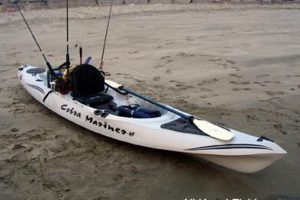
Kayak selection significantly impacts the overall experience and success of angling within Jamaica Bay. The bay’s diverse environment, ranging from calm, shallow flats to open, more challenging waters, necessitates careful consideration of kayak characteristics. Stability, maneuverability, and storage capacity are key factors influencing angling effectiveness and safety. A stable kayak, less susceptible to tipping, provides a secure platform for casting and reeling, particularly in choppy conditions or when battling larger fish. Enhanced maneuverability allows anglers to navigate tight creeks, access shallow areas, and efficiently position themselves for optimal fishing opportunities. Adequate storage accommodates essential gear, including rods, tackle boxes, and safety equipment, contributing to an organized and efficient angling experience.
For example, a sit-on-top kayak offers inherent stability and self-bailing capabilities, making it suitable for beginners and warmer weather conditions. Its open design allows for easy entry and exit, facilitating quick adjustments and handling of fish. Alternatively, a sit-inside kayak provides better protection from the elements and increased storage capacity for longer trips or colder weather. Choosing between these options depends on individual preferences, experience levels, and intended fishing style. Consideration of factors like kayak length, width, and hull design further refines selection based on specific needs and conditions within Jamaica Bay.
Appropriate kayak selection directly influences safety, efficiency, and overall enjoyment while fishing in Jamaica Bay. A well-chosen vessel provides a stable and maneuverable platform for anglers to effectively explore the bay’s diverse fishing grounds while ensuring a safe and comfortable experience. Balancing stability, maneuverability, and storage capacity, based on individual needs and environmental conditions, optimizes the angling experience and contributes to successful outings within this dynamic estuarine environment. Careful consideration of these factors enhances the connection between angler and environment, promoting responsible and sustainable fishing practices.
2. Fishing Gear

Specialized fishing gear significantly influences success and enjoyment when angling from a kayak within Jamaica Bay. The bay’s unique ecosystem, encompassing diverse species and varying depths, necessitates careful equipment selection. Rods, reels, lines, and terminal tackle must be tailored to target species and fishing techniques. Lightweight yet durable rods facilitate casting from a seated position while maintaining sensitivity for detecting bites. Reels with appropriate drag systems and line capacities handle the runs of larger fish, such as striped bass or bluefish, commonly found in the bay. Line selection depends on targeted species and fishing conditions, with braided lines offering increased sensitivity and strength for navigating structure and battling strong currents. Terminal tackle, including hooks, sinkers, and lures, should match prevailing baitfish and target species.
For instance, targeting fluke on the shallow flats requires a different setup compared to pursuing striped bass in deeper channels. Fluke fishing often involves lighter tackle, such as spinning rods and reels spooled with braided line, combined with bucktail jigs or fluke rigs tipped with live bait. Conversely, striped bass fishing may necessitate heavier rods and reels, stronger lines, and larger lures or live bait to handle the power and size of these fish. Adapting gear to specific target species and fishing locations within Jamaica Bay significantly increases angling success. Carrying a variety of lures and rigs allows anglers to adjust to changing conditions and target different species encountered throughout the day. Proper gear organization within the limited space of a kayak contributes to efficiency and a more enjoyable fishing experience.
Effective fishing gear selection directly impacts angling outcomes in Jamaica Bay. Matching rods, reels, lines, and terminal tackle to target species and fishing locations maximizes catch rates and enhances the overall experience. Understanding the specific needs of each fishing scenario, whether targeting fluke in shallows or striped bass in deeper waters, and adapting gear accordingly is crucial for successful kayak fishing within this diverse estuarine environment. Proper gear selection, combined with skillful angling techniques and respect for the environment, contributes to a positive and sustainable fishing experience in Jamaica Bay.
3. Location Scouting

Location scouting plays a crucial role in successful kayak fishing within Jamaica Bay. The bay’s diverse environment, featuring varied depths, currents, and structures, necessitates careful planning to identify productive fishing spots. Effective scouting involves researching potential locations, considering factors such as tidal influence, prevalent species, and accessibility. Examining nautical charts, online resources, and local fishing reports provides valuable insights into promising areas. Understanding how tides affect water depth and current flow within different sections of the bay influences location selection. Certain areas may hold fish during specific tidal stages, while others become inaccessible or unproductive during certain times. Identifying areas with structures like submerged rocks, oyster beds, or channels attracts baitfish and larger predatory species, increasing fishing opportunities.
For example, the shallow flats near Ruffle Bar are known for holding flounder during the incoming tide, while the deeper channels near the North Channel Bridge attract striped bass during the outgoing tide. Similarly, areas with submerged jetties or docks provide cover for various species, making them prime locations for ambush predators. Scouting also involves considering launch points and accessibility. Some areas may require longer paddles to reach desired fishing spots, while others offer convenient access from nearby launch sites. Factoring in wind and weather conditions further refines location selection, ensuring safe and productive fishing outings. Utilizing online mapping tools and satellite imagery can provide valuable visual information about potential fishing locations, including bottom contours, vegetation, and proximity to deeper water.
Thorough location scouting directly correlates with angling success in Jamaica Bay. Identifying productive areas, understanding tidal influences, and considering accessibility optimizes fishing opportunities and enhances the overall experience. Preparation through scouting allows anglers to efficiently utilize time on the water and maximize chances of encountering target species. This pre-trip planning contributes not only to successful catches but also to a deeper appreciation of the bay’s dynamic ecosystem and the importance of informed decision-making within this complex environment. Careful consideration of these factors promotes responsible and sustainable fishing practices while maximizing the rewards of kayak fishing in Jamaica Bay.
4. Tidal Awareness
Tidal awareness is paramount for successful kayak fishing in Jamaica Bay. The bay’s dynamic tidal currents significantly influence fish behavior and movement, impacting optimal fishing times and locations. Understanding tidal patterns is essential for maximizing fishing opportunities and navigating the bay safely.
- Current Strength and Direction
Tidal currents dictate the movement of baitfish and, consequently, the predatory fish that follow. Strong incoming tides often bring baitfish and larger species closer to shore, while outgoing tides concentrate fish in channels and deeper holes. Recognizing current direction is crucial for presenting lures effectively and predicting fish movement.
- Water Depth Fluctuations
Tidal fluctuations dramatically alter water depths in Jamaica Bay, especially in shallower areas. Areas accessible during high tide may become impassable during low tide, posing navigational challenges. Awareness of tidal stages ensures safe passage and access to preferred fishing grounds. Knowing the depths allows anglers to target specific species that inhabit certain depth ranges at different tidal stages.
- Optimal Fishing Windows
Tidal changes create prime fishing windows. The first few hours of the incoming and outgoing tides often trigger increased fish activity as baitfish and predators move with the changing currents. Understanding these peak periods maximizes angling opportunities and increases the likelihood of successful catches.
- Safety Considerations
Tidal currents can create hazardous conditions, particularly for kayakers. Strong outgoing tides combined with wind can make paddling back to launch points challenging. Awareness of tidal flow and weather conditions ensures safe navigation and prevents potentially dangerous situations. Planning trips around tidal flows minimizes exertion and optimizes fishing time.
Integrating tidal awareness into fishing strategies enhances angling success and safety in Jamaica Bay. Understanding current strength and direction, anticipating water depth changes, recognizing optimal fishing windows, and prioritizing safety considerations contributes to a more productive and enjoyable kayak fishing experience. This knowledge allows anglers to effectively navigate the bay’s dynamic environment and connect with its rich ecosystem while respecting its natural rhythms.
5. Safety Precautions
Safety precautions are paramount when kayak fishing in Jamaica Bay. The environment presents inherent risks, demanding careful planning and preparation to mitigate potential hazards. Cold water temperatures, especially during colder months, pose a significant threat. Accidental immersion can lead to hypothermia quickly, underscoring the necessity of proper attire and safety equipment like a personal flotation device (PFD). Changing weather conditions, including sudden shifts in wind speed and direction, can create challenging paddling conditions, increasing the risk of capsizing. Checking weather forecasts before embarking and continuously monitoring conditions during the outing are crucial. The bay’s dynamic tidal currents can create strong flows, particularly around inlets and channels. These currents can make navigation challenging, especially for less experienced kayakers, increasing the risk of being swept away or colliding with obstacles. Understanding tidal charts and planning routes accordingly are vital safety measures.
Boat traffic, ranging from small recreational vessels to larger commercial ships, presents another safety concern. Kayaks’ lower profile makes them less visible to larger vessels, increasing the risk of collisions. Carrying a whistle or air horn to signal presence, displaying bright colors, and maintaining a safe distance from larger boats are crucial for visibility and collision avoidance. Shallow areas and submerged obstacles, such as rocks or debris, pose navigational hazards. A kayak striking a submerged object can cause damage or capsize, especially during low tide. Careful navigation, awareness of water depth, and avoiding unfamiliar areas mitigate these risks. Wildlife interactions, while generally not aggressive, require caution. Seals, for example, can exhibit curiosity towards kayaks, potentially causing capsizing if they approach too closely. Maintaining a respectful distance from wildlife ensures both angler and animal safety.
Prioritizing safety precautions is essential for a positive and incident-free kayak fishing experience in Jamaica Bay. Understanding potential hazards, such as cold water immersion, changing weather, strong currents, boat traffic, submerged obstacles, and wildlife interactions, allows anglers to implement appropriate preventative measures. Wearing a PFD, checking weather forecasts, understanding tidal charts, carrying signaling devices, navigating cautiously, and maintaining situational awareness significantly reduces risks. Preparation and adherence to safety guidelines contribute to a safe and enjoyable experience within this dynamic and rewarding environment. Neglecting these precautions can have severe consequences, impacting not only personal safety but also the overall enjoyment of the activity.
6. Conservation Practices

Conservation practices are integral to the sustainability of kayak fishing within Jamaica Bay. The bay’s delicate ecosystem, supporting diverse flora and fauna, requires responsible angling to maintain its health and productivity for future generations. Integrating conservation principles into fishing practices ensures the long-term viability of this recreational activity and preserves the bay’s ecological integrity.
- Catch-and-Release Fishing
Catch-and-release fishing minimizes the impact on fish populations. Proper handling techniques, including using wet hands or a rubberized net, minimize stress on the fish. Prompt release, after a quick photo if desired, allows fish to recover and return to their natural environment. This practice preserves breeding populations and contributes to the overall health of the fishery. In Jamaica Bay, catch-and-release is particularly important for species like striped bass, which experience significant fishing pressure.
- Proper Waste Disposal
Disposing of fishing line, hooks, and other waste properly prevents entanglement of wildlife and minimizes pollution. Carrying a dedicated trash bag and packing out all debris, even items not directly related to fishing, keeps the bay clean and protects its inhabitants. Discarded fishing line poses a significant threat to birds and other marine animals, highlighting the importance of responsible disposal practices in Jamaica Bay.
- Respecting Habitats
Avoiding disturbance of sensitive habitats, such as nesting areas or seagrass beds, protects essential components of the bay’s ecosystem. Paddling cautiously through shallow areas and refraining from anchoring in sensitive areas minimizes disturbance to these vital environments. Seagrass beds, for example, provide crucial nursery grounds for many fish species in Jamaica Bay, making their protection paramount.
- Adhering to Regulations
Following fishing regulations, including size and catch limits, ensures sustainable harvest levels and protects vulnerable species. Staying informed about current regulations and adhering to them contributes to the long-term health of the fishery. Regulations specific to Jamaica Bay protect species like horseshoe crabs, which play a vital role in the ecosystem.
Implementing these conservation practices ensures the continued health and productivity of Jamaica Bay’s ecosystem, supporting both the recreational enjoyment of kayak fishing and the long-term viability of its diverse fish populations. By prioritizing conservation, anglers contribute to the preservation of this valuable natural resource for future generations. Respectful interaction with the environment fosters a sustainable approach to kayak fishing, enhancing the overall experience and contributing to the bay’s ecological well-being.
Frequently Asked Questions
This section addresses common inquiries regarding kayak fishing in Jamaica Bay, providing concise and informative responses to facilitate a safe and productive angling experience.
Question 1: What are the common fish species targeted in Jamaica Bay?
Common targets include striped bass, bluefish, fluke, flounder, and weakfish. Species presence varies seasonally.
Question 2: Are there specific regulations for fishing in Jamaica Bay?
Regulations, including size and catch limits, apply. Consulting the New York State Department of Environmental Conservation website for current regulations is recommended.
Question 3: Where are suitable kayak launch points within Jamaica Bay?
Several public launch sites offer access. Selection depends on desired fishing locations and prevailing conditions. Researching launch points beforehand is advised.
Question 4: What safety precautions are essential for kayak fishing in this area?
Wearing a personal flotation device (PFD), checking weather forecasts, carrying a whistle, and being aware of boat traffic are crucial safety measures.
Question 5: What tidal information is relevant for planning a fishing trip?
Understanding tidal currents and water depth fluctuations influences fishing success and safety. Consulting tide charts prior to departure is essential.
Question 6: What environmental considerations should anglers observe in Jamaica Bay?
Practicing catch-and-release, proper waste disposal, and respecting sensitive habitats contribute to the bay’s ecological health.
Careful consideration of these frequently asked questions enhances angler preparedness, promotes safety, and contributes to responsible fishing practices within the Jamaica Bay ecosystem. Understanding these aspects ensures a more informed and enjoyable experience for all.
The subsequent section will offer further insights into specific techniques and strategies for successful kayak fishing in this dynamic and rewarding environment.
Kayak Fishing Jamaica Bay
This exploration of kayak fishing within Jamaica Bay has highlighted key aspects crucial for a successful and sustainable approach. From equipment selection and location scouting to tidal awareness and conservation practices, informed decision-making enhances both angling outcomes and environmental stewardship. Safe navigation, respect for wildlife, and adherence to regulations contribute to a responsible and rewarding experience within this dynamic ecosystem. The diverse species present, combined with the bay’s unique characteristics, offer anglers a unique opportunity to connect with nature while pursuing a challenging and fulfilling recreational activity.
The future of kayak fishing in Jamaica Bay relies on a continued commitment to conservation and responsible angling practices. Preserving the bay’s ecological integrity ensures the long-term viability of this activity and safeguards its value for future generations. Through informed action and respect for the environment, anglers can contribute to the ongoing health and productivity of this unique and valuable resource, ensuring that Jamaica Bay remains a vibrant destination for kayak fishing enthusiasts for years to come.