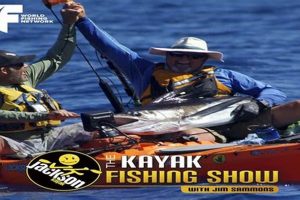
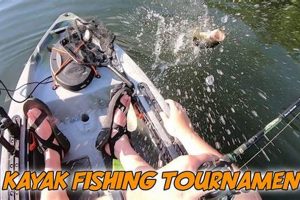
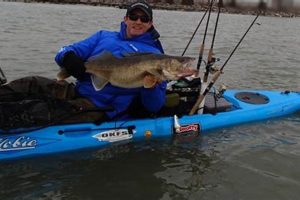
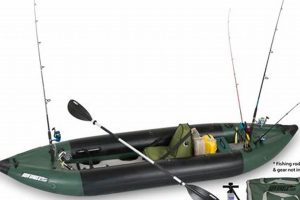
This activity involves angling from a small, human-powered watercraft in coastal marine environments. It offers a unique blend of sport and recreation, allowing anglers to access shallow waters and diverse habitats often unreachable by larger vessels. For example, maneuvering a kayak through kelp forests or along rocky shorelines provides opportunities to target specific species like calico bass or rockfish.
The accessibility and relatively low cost of entry make this form of fishing increasingly popular. It provides significant health benefits through exercise and immersion in nature. Historically, small boats have been used for fishing in coastal areas for centuries, evolving from traditional indigenous practices to modern recreational pursuits. This evolution highlights the enduring appeal of close-to-water angling experiences.
Further exploration of this topic will cover essential equipment, safety considerations, popular target species, ethical practices, and the growing community surrounding this exciting pastime.
Tips for Coastal Kayak Angling
Preparation and awareness are crucial for a safe and successful experience on the water. The following tips offer guidance for anglers of all skill levels.
Tip 1: Check Weather and Tides: Before embarking, consult marine forecasts for wind speed, wave height, and tidal currents. Strong winds and currents can significantly impact kayak control.
Tip 2: Wear a Personal Flotation Device (PFD): A PFD is essential safety equipment and should be worn at all times while on the water.
Tip 3: Carry Essential Safety Gear: A whistle, signaling mirror, VHF radio, and basic first-aid kit are recommended for emergencies. A leash connecting the paddle to the kayak prevents loss in rough conditions.
Tip 4: Plan a Float Plan: Inform someone on shore of your intended route, launch time, and estimated return. This ensures assistance can be summoned if needed.
Tip 5: Be Aware of Other Vessels: Kayaks are smaller and less visible than other boats. Exercise caution around larger vessels and maintain a safe distance. Understand and follow navigational rules.
Tip 6: Respect Wildlife and the Environment: Practice catch-and-release whenever possible. Adhere to local fishing regulations and avoid disturbing marine habitats.
Tip 7: Dress Appropriately: Wear clothing suitable for changing weather conditions and sun protection, including a hat and sunglasses.
By adhering to these precautions, anglers can enhance their safety and enjoyment while minimizing their environmental impact. These practices contribute to responsible and sustainable coastal fishing.
Careful planning and adherence to safety protocols are vital components of successful and rewarding coastal kayak angling experiences.
1. Safety Equipment

Safety equipment plays a vital role in mitigating risks inherent to kayak fishing in ocean environments. The ocean presents unpredictable conditions, including changing weather, currents, and wave action, which can pose significant challenges to kayakers. Appropriate safety gear enhances angler preparedness and response capabilities in emergencies. For example, a personal flotation device (PFD) is crucial should a capsize occur. A VHF radio enables communication with the Coast Guard or other vessels in distress situations. A first-aid kit allows for immediate treatment of minor injuries.
Beyond these basics, other safety equipment further enhances preparedness. A signaling device, such as a whistle or mirror, can attract attention in emergencies. A bilge pump and paddle leash prevent water accumulation and paddle loss, respectively. Carrying a sea anchor or drift sock provides stability in strong currents or rough waters, allowing for safer maneuvering or a more stationary fishing experience. Navigation lights are crucial for visibility, especially in low-light conditions or fog. A reliable waterproof GPS and chart are invaluable for orientation and route planning.
Careful consideration of potential hazards and appropriate safety measures is essential for responsible ocean kayak fishing. Carrying necessary equipment contributes significantly to angler safety and well-being, enabling a focus on the enjoyment of the sport while mitigating potential risks. Pre-trip equipment checks and familiarity with usage procedures are paramount for effective deployment in emergency situations. These practices foster a safer and more responsible approach to coastal kayak angling.
2. Kayak Selection
Kayak selection significantly impacts the safety and effectiveness of oceanside angling. Ocean conditions demand specific hull characteristics for stability and performance. Longer kayaks (12+ feet) generally track better in currents and chop, offering a smoother ride and more efficient paddling. Wider beams enhance stability, crucial for casting and reeling in fish. Sit-on-top kayaks offer inherent buoyancy and self-bailing capabilities, advantageous in rough seas. A sit-inside design provides greater protection from the elements and can be outfitted with a spray skirt for drier conditions in colder climates. For example, a shorter, recreational kayak may be suitable for calm bays but prove unstable and challenging to manage in exposed ocean waters. Conversely, a longer, purpose-built fishing kayak with a stable hull provides the necessary platform for confident angling in more demanding conditions. Specialized features like rod holders, anchor trolleys, and gear storage further enhance functionality and efficiency.
Material choice also influences performance and durability. High-density polyethylene (HDPE) offers excellent impact resistance and affordability, while lighter-weight composites provide increased speed and maneuverability but often come at a higher cost. Weight capacity considerations must account for the angler’s weight, fishing gear, and potential catch. Insufficient capacity compromises stability and safety. Proper kayak selection, therefore, necessitates careful consideration of intended usage, environmental conditions, and individual angler needs. The choice between a pedal-powered kayak and a traditional paddle kayak also affects range and fishing techniques. Pedal drives allow hands-free fishing and easier navigation against currents, expanding angling opportunities. However, paddle kayaks offer greater maneuverability in tight spaces and shallower water.
Appropriate kayak selection directly correlates with successful oceanside angling. Matching the kayak’s characteristics to the specific demands of the environment optimizes safety, enhances fishing effectiveness, and contributes to a more enjoyable experience. Informed decision-making regarding kayak type, size, material, and features ensures anglers are well-equipped to handle the challenges and capitalize on the opportunities presented by oceanside fishing. Failing to prioritize kayak selection can jeopardize safety and limit angling success. Investing time and consideration in this crucial aspect contributes significantly to positive outcomes on the water.
3. Target Species

Target species selection significantly influences equipment choices, fishing techniques, and location preferences in oceanside kayak angling. Understanding the behavior, habitat, and feeding patterns of targeted fish is crucial for successful angling. Matching tackle and techniques to the specific species enhances catch rates and contributes to a more rewarding experience. This knowledge also promotes ethical fishing practices and conservation efforts.
- Habitat Preferences
Different species inhabit specific coastal environments. For example, rockfish prefer rocky reefs and kelp forests, while halibut favor sandy bottoms. Kayak anglers must consider target species habitat preferences when selecting fishing locations. Understanding these preferences enables anglers to effectively target desired species and avoid unproductive areas. Choosing locations with appropriate structure and depth increases the likelihood of encountering the target species. This targeted approach optimizes fishing time and maximizes the chances of success.
- Feeding Patterns
Knowledge of target species feeding habits is essential for selecting appropriate bait, lures, and fishing techniques. Some species, like calico bass, are opportunistic feeders, readily striking a variety of artificial lures. Others, like surfperch, primarily consume small crustaceans and marine worms, necessitating the use of live bait or imitations. Understanding feeding patterns allows anglers to present enticing offerings at the right time and place. For instance, fishing during peak feeding times, often correlated with tidal changes or dawn/dusk periods, significantly improves catch rates. Matching bait or lure presentation to the species’ natural prey further enhances angling effectiveness.
- Seasonal Availability
Many fish species exhibit seasonal migrations or changes in abundance. Certain species, like yellowtail, may only be present in coastal waters during specific months. Understanding these seasonal variations influences target species selection and trip planning. Anglers should research the seasonal availability of their desired species to avoid disappointment and wasted effort. Targeting readily available species during their peak season maximizes angling opportunities and promotes conservation by minimizing pressure on less abundant populations. Local fishing reports and regulations often provide valuable information regarding seasonal availability and catch limits.
- Legal and Ethical Considerations
Adhering to local fishing regulations, including size and bag limits, is crucial for responsible angling. Some species may be protected or have specific seasons, requiring anglers to familiarize themselves with current regulations. Practicing catch-and-release for non-targeted or over-limit catches minimizes environmental impact and contributes to sustainable fisheries. Utilizing appropriate fishing techniques, such as circle hooks, reduces injury to released fish, increasing survival rates. Ethical fishing practices ensure the long-term health of fish populations and preserve the enjoyment of the sport for future generations.
By carefully considering these factors related to target species, kayak anglers enhance their chances of success, contribute to conservation efforts, and cultivate a deeper understanding of the marine environment. This knowledge enriches the overall experience and fosters responsible fishing practices. Matching techniques and location choices to the specific characteristics of targeted species optimizes angling effectiveness and promotes a sustainable approach to this exciting pastime.
4. Location Choice

Location choice is paramount for successful oceanside kayak angling. Strategic spot selection significantly influences catch rates and overall experience. Factors such as target species, prevailing conditions, and accessibility shape location decisions. Careful consideration of these elements maximizes angling opportunities and ensures a safe and productive outing.
- Nearshore Structures
Nearshore structures like reefs, kelp forests, and rock piles attract a variety of fish species. These structures provide shelter, foraging opportunities, and ambush points for predators. Kayaks offer unique access to these nearshore environments often inaccessible to larger vessels. Understanding how currents interact with these structures is crucial for locating feeding zones. For instance, a kelp forest edge facing an incoming tide can concentrate baitfish and attract larger predators. Positioning a kayak along this edge maximizes angling potential. Similarly, rocky reefs create upwelling and eddies that concentrate nutrients and attract baitfish, creating feeding hotspots for target species.
- Bays and Estuaries
Protected bays and estuaries offer calmer waters and diverse habitats suitable for various fish species. These areas often serve as nurseries for juvenile fish, providing ample feeding opportunities. The calmer conditions in these locations are also advantageous for less experienced kayak anglers. However, tidal flows within bays and estuaries can be significant, requiring careful planning and navigation. Understanding tidal cycles helps identify prime fishing times and locations. For example, fishing near channels or inlets during outgoing tides can concentrate fish moving out of the estuary. The mixing of freshwater and saltwater in these areas also creates unique ecological niches, attracting specific species.
- Open Coastline
Open coastline fishing presents greater challenges and rewards for experienced kayak anglers. Larger species like tuna and dorado inhabit offshore waters, requiring longer paddles and careful consideration of weather and sea conditions. Understanding bathymetry, or underwater topography, is essential for locating offshore structures and drop-offs that attract pelagic fish. Utilizing fish finders and GPS technology enhances navigation and target identification in these vast environments. However, venturing further offshore demands heightened awareness of changing conditions and adherence to strict safety protocols. Open coastline kayak angling provides exciting opportunities for experienced anglers but requires careful preparation and risk assessment.
- Accessibility and Safety
Beach launches and designated kayak launch areas offer safe and convenient access points. However, conditions at these locations can vary significantly based on tides, swell, and currents. Assessing launch conditions before entering the water is paramount. Understanding local regulations regarding access restrictions, marine protected areas, and fishing permits is also essential. Choosing locations with manageable launch conditions and adherence to regulations ensures a safe and legal angling experience. For instance, launching through heavy surf requires advanced kayaking skills and should be avoided by less experienced paddlers. Opting for sheltered launch areas during calmer conditions mitigates risks and promotes a more enjoyable outing.
Effective location choice hinges on a comprehensive understanding of target species behavior, environmental conditions, and access considerations. Integrating these factors optimizes angling success, enhances safety, and promotes responsible kayak fishing practices. By carefully selecting fishing locations based on these principles, anglers maximize their chances of a rewarding and sustainable oceanside experience. Failing to prioritize location choice can lead to unproductive fishing trips and potentially hazardous situations.
5. Tidal Planning

Tidal planning is integral to successful oceanside kayak angling. Tidal currents significantly influence fish behavior, access to fishing grounds, and kayak maneuverability. Understanding tidal cycles and their effects is crucial for optimizing fishing success and ensuring safe navigation.
- Current Strength and Direction
Tidal currents dictate the movement of water and, consequently, the distribution of baitfish and larger predators. Strong currents can create challenging paddling conditions, especially for less experienced kayakers. Planning fishing trips around slack tides, the periods of minimal current flow between high and low tides, facilitates easier kayak control and more precise lure or bait presentation. Conversely, fishing during peak current flows can be advantageous for drifting bait or lures through feeding zones. Understanding current direction is crucial for positioning the kayak effectively and presenting offerings in the most natural manner. For example, fishing near inlets or channels during an outgoing tide allows anglers to target fish moving out of the estuary with the current.
- Water Depth and Access
Tidal fluctuations affect water depth, particularly in shallow coastal areas. Certain fishing grounds may only be accessible during higher tides. Planning kayak routes based on tidal stages ensures safe passage and avoids grounding. Consulting tide charts and local knowledge helps identify navigable channels and avoid shallow areas that become exposed during low tides. For example, launching a kayak from a beach during high tide may provide access to areas unreachable during low tide due to exposed rocks or shallow bars.
- Fish Behavior and Feeding Patterns
Tidal changes trigger feeding activity in many fish species. Incoming tides often bring baitfish and cooler, oxygenated water closer to shore, attracting larger predators. Outgoing tides can concentrate fish in channels and inlets as they move out of estuaries or bays. Understanding these tidal influences on fish behavior helps anglers predict feeding times and locations. For example, fishing near structure during an incoming tide can intercept fish moving inshore to feed. Conversely, fishing near the mouths of channels during an outgoing tide can target fish exiting with the current.
- Safety and Navigation
Tidal currents can significantly impact kayak handling and navigation. Strong currents can make paddling against the tide challenging and increase the risk of capsizing. Planning kayak routes with consideration for current direction and strength is essential for safe navigation. Avoiding areas with strong currents or tidal races, especially during peak flows, minimizes risks. Carrying a GPS, compass, and charts aids navigation, especially in areas with complex tidal patterns. Checking tide tables before embarking on a fishing trip and being aware of changing tidal conditions throughout the outing are crucial safety practices.
Effective tidal planning is fundamental to successful and safe oceanside kayak angling. Integrating tidal knowledge into trip planning optimizes fishing opportunities, enhances kayak control, and mitigates potential risks. By understanding the interplay between tidal cycles and fish behavior, anglers can significantly improve their chances of success while ensuring a safe and enjoyable experience on the water.
6. Fishing Techniques
Specialized fishing techniques are essential for successful kayak angling in oceanside environments. The inherent limitations and advantages of fishing from a kayak necessitate adapting traditional methods and incorporating specialized approaches. Effective techniques maximize angling opportunities while addressing the unique challenges of fishing from a small, mobile platform in dynamic coastal waters.
- Drift Fishing
Drift fishing involves allowing the kayak to drift naturally with the current or wind while presenting bait or lures. This technique covers a wider area and allows anglers to explore different depths and structures. In oceanside kayak fishing, drift fishing is particularly effective for targeting species like halibut or rockfish that inhabit specific bottom contours. Using a drift sock or sea anchor controls drift speed and maintains the kayak’s orientation relative to the current or wind, enhancing lure presentation and hookset effectiveness. This technique also conserves energy compared to actively paddling while fishing, allowing anglers to cover more ground and fish longer.
- Trolling
Trolling involves dragging lures or bait behind a moving kayak. This technique is highly effective for covering large areas and targeting pelagic fish species like tuna or mackerel that roam open waters. Kayak trolling requires specialized equipment like rod holders and downriggers to control lure depth and presentation. Varying trolling speed and direction helps locate active fish. The relatively quiet nature of a kayak compared to motorized boats can be advantageous when trolling, minimizing disturbance and potentially increasing strikes. Adapting trolling techniques to the specific target species and local conditions is crucial for success.
- Casting and Retrieving
Casting and retrieving lures or bait is a versatile technique adaptable to various target species and oceanside environments. Kayak anglers utilize casting techniques to target fish near structures like reefs, kelp beds, or rocky shorelines. Accurate casting and precise lure presentation are essential for enticing strikes. Matching lure selection to target species and prevailing conditions significantly impacts success. For instance, using topwater lures during low-light periods can attract surface-feeding predators, while heavier jigs are effective for targeting bottom-dwelling species. The kayak’s maneuverability allows anglers to position themselves for optimal casting angles and approach fish from different directions, increasing the likelihood of a successful presentation.
- Jigging
Jigging involves vertically presenting lures or bait near the bottom. This technique is particularly effective for targeting bottom-dwelling species like rockfish, lingcod, or snapper. From a kayak, jigging requires precise boat control to maintain position over the target area. Specialized jigging rods and reels facilitate vertical presentation and provide the necessary power to lift fish from depth. Varying jigging techniques, such as lift-and-drop or slow-pitch jigging, can entice strikes from different species. Knowledge of bottom structure and fish behavior is essential for effective jigging. The kayak’s stability platform enhances jigging effectiveness by minimizing unwanted movement and allowing anglers to focus on subtle bites.
Adapting these techniques to the specific conditions and target species encountered in oceanside environments is crucial for successful kayak angling. Understanding tidal currents, bottom structure, and fish behavior enhances the effectiveness of these methods. The kayak’s unique mobility and low profile provide distinct advantages, allowing anglers to access shallow waters and approach fish discreetly. However, the limited space and stability considerations require careful planning and execution. Proficiency in these specialized techniques, combined with a thorough understanding of the oceanside environment, significantly increases the chances of a rewarding and productive kayak fishing experience.
Frequently Asked Questions
This section addresses common inquiries regarding oceanside kayak angling, providing concise and informative responses to facilitate informed decision-making and enhance safety awareness.
Question 1: What essential safety gear is recommended for ocean kayak fishing?
Essential safety gear includes a personal flotation device (PFD), a whistle, a visual signaling device (mirror or flare), a VHF radio, a first-aid kit, a bilge pump, and a paddle leash. Navigation lights and a GPS are also highly recommended, particularly for longer trips or fishing in low-light conditions.
Question 2: Are specific kayak types better suited for ocean fishing?
Longer, wider kayaks generally offer greater stability and tracking in ocean conditions. Sit-on-top kayaks are popular for their self-bailing capabilities, while sit-inside kayaks offer protection from the elements. Choosing a kayak specifically designed for fishing often provides integrated features like rod holders and gear storage.
Question 3: How does one choose a suitable fishing location along the oceanside?
Suitable locations depend on target species and prevailing conditions. Nearshore structures like reefs and kelp forests attract various fish. Protected bays and estuaries offer calmer waters, while open coastlines provide opportunities for larger pelagic species. Accessibility, tidal currents, and prevailing weather conditions should also be considered.
Question 4: Why is understanding tides important for kayak fishing in the ocean?
Tides significantly influence fish behavior, access to fishing grounds, and kayak maneuverability. Incoming tides often bring baitfish closer to shore, attracting predators. Outgoing tides can concentrate fish in channels and inlets. Tidal currents also impact kayak navigation and safety.
Question 5: What fishing techniques are effective from a kayak in the ocean?
Effective techniques include drift fishing, trolling, casting and retrieving, and jigging. Adapting these techniques to the specific target species, local conditions, and the kayak’s unique characteristics is crucial for success. Drift fishing and trolling are effective for covering larger areas, while casting and jigging allow for targeted presentations near structure.
Question 6: What legal considerations apply to ocean kayak fishing?
Anglers should familiarize themselves with local fishing regulations, including size and bag limits, licensing requirements, and any restrictions within marine protected areas. Practicing catch-and-release for non-targeted species or over-limit catches contributes to sustainable fisheries.
Prioritizing safety and responsible angling practices ensures a positive and sustainable ocean kayak fishing experience. Thorough preparation, appropriate equipment, and adherence to regulations contribute significantly to enjoyable and productive outings.
Exploring local resources, such as tackle shops or online forums, can provide further insights and valuable information tailored to specific regions and target species.
Coastal Kayak Angling
This exploration of coastal kayak angling has highlighted the multifaceted nature of this increasingly popular pursuit. From equipment selection and safety considerations to location choice and specialized fishing techniques, successful oceanside angling necessitates a comprehensive understanding of various interconnected elements. Tidal planning, target species knowledge, and adherence to ethical fishing practices are crucial for maximizing angling opportunities while minimizing environmental impact. The unique advantages of kayak fishingstealth, accessibility to shallow waters, and a close-to-nature experiencecontribute significantly to its appeal. However, the inherent challenges of navigating dynamic ocean environments and managing a small, mobile platform underscore the importance of careful planning and preparation.
As coastal kayak angling continues to evolve, anglers bear a collective responsibility to prioritize safety, conservation, and responsible use of marine resources. Continued learning, adaptation to changing conditions, and a commitment to ethical practices will ensure the long-term sustainability and enjoyment of this rewarding pursuit. Embracing these principles fosters a deeper appreciation for the marine environment and contributes to the preservation of this unique angling experience for future generations. The future of coastal kayak angling hinges on responsible stewardship and a shared commitment to preserving the delicate balance of these valuable ecosystems.