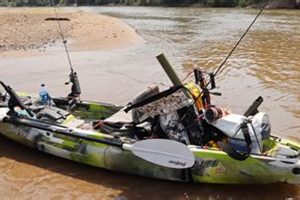
The sport of angling from small, human-powered vessels offers unique opportunities in the eastern region of Tennessee. This region, characterized by diverse waterways ranging from large reservoirs and lakes to winding rivers and streams, provides an ideal environment for this increasingly popular activity. The maneuverability of these specialized boats allows anglers access to shallow coves, secluded tributaries, and areas teeming with aquatic life often unreachable by larger motorized craft. This accessibility coupled with the quiet, non-intrusive nature of paddling allows for a close connection with nature and an enhanced angling experience.
The growth in popularity of this method of fishing stems from several factors including affordability, portability, and the growing interest in outdoor recreation. Historically, fishing in this area was often limited by access points and the physical demands of wading or navigating larger boats. The advent and refinement of specialized angler kayaks opens up a world of possibilities, allowing individuals to explore further and fish more effectively in diverse environments. This expansion of access fosters economic benefits for local communities through tourism and related industries.
Exploring this topic further will require examination of specific waterways suitable for this pursuit, an overview of commonly targeted fish species, necessary equipment and safety considerations, licensing and regulatory information, and the impact of anglers on the local ecosystem. These aspects will contribute to a comprehensive understanding of this activity’s role within the broader context of East Tennessee’s recreational landscape.
Tips for Kayak Fishing in East Tennessee
Successful angling from a kayak in East Tennessee requires preparation and adherence to specific practices. The following tips enhance safety and maximize the likelihood of a productive fishing experience.
Tip 1: Research and Select Appropriate Waterways: Water conditions vary significantly across East Tennessee. Research river flows, lake levels, and potential hazards before embarking on any trip. Match waterway selection to skill level and kayak type.
Tip 2: Prioritize Safety Equipment: A personal flotation device (PFD) is mandatory. Carry a whistle, signaling device, and first-aid kit. Inform someone of the planned fishing location and estimated return time.
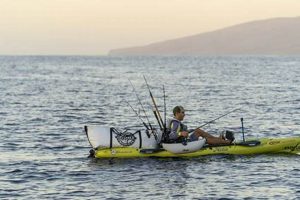
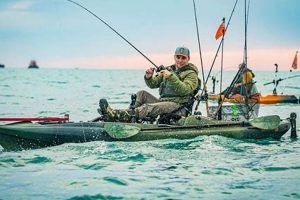
Tip 3: Utilize Appropriate Tackle and Gear: Rod holders, anchor systems, and specialized fishing kayaks facilitate efficient angling. Select fishing tackle appropriate for target species and local regulations.
Tip 4: Employ Proper Paddling and Maneuvering Techniques: Efficient paddle strokes conserve energy and minimize disturbance to fish. Practice maneuvering in calm water before venturing into challenging currents or windy conditions.
Tip 5: Respect Wildlife and the Environment: Practice catch-and-release whenever possible. Avoid disturbing nesting areas and sensitive habitats. Pack out all trash and fishing line.
Tip 6: Understand Local Regulations and Licensing Requirements: Obtain the necessary fishing licenses and familiarize oneself with all applicable regulations regarding catch limits, size restrictions, and permitted fishing methods.
Tip 7: Check Weather Forecasts and Prepare for Changing Conditions: Weather patterns in East Tennessee can change rapidly. Pack appropriate clothing for varying temperatures and precipitation. Monitor weather forecasts before and during fishing trips.
Adherence to these practices enhances safety, improves fishing success, and contributes to the preservation of East Tennessees aquatic ecosystems. Careful planning and responsible angling ensure an enjoyable and sustainable experience for all.
By following these guidelines, anglers can contribute to a positive and productive kayak fishing experience in East Tennessee, preserving its natural resources for future generations.
1. Accessible Waterways

The abundance of accessible waterways forms a cornerstone of kayak fishing’s popularity in East Tennessee. This region offers a diverse network of rivers, lakes, and reservoirs, many featuring boat ramps, shallow shorelines, and small tributaries perfectly suited for kayak launching and retrieval. This ease of access contrasts with the limitations often imposed by larger vessels requiring developed marinas or deep-water access points. The portability of kayaks further expands accessibility, allowing anglers to reach remote or otherwise inaccessible fishing locations by carrying their vessels short distances overland. For example, smaller streams feeding into larger reservoirs, often inaccessible by motorized boats, offer prime fishing opportunities for kayak anglers. This increased access translates to a wider range of fishing experiences, from pursuing smallmouth bass in fast-flowing rivers to targeting largemouth bass in the quiet coves of expansive lakes. Ultimately, the ease and diversity of access provided by the region’s waterways play a crucial role in establishing East Tennessee as a desirable destination for kayak angling.
The accessibility of these waterways contributes significantly to the economic impact of recreational fishing in the region. Increased access leads to greater participation, supporting local businesses that cater to anglers, including kayak outfitters, tackle shops, and hospitality services. Furthermore, accessible waterways encourage diverse angling opportunities, attracting both novice and experienced anglers. This sustained interest contributes to conservation efforts, as license fees and taxes on fishing equipment often fund habitat restoration and fisheries management programs. However, managing access to maintain ecological balance presents a continuous challenge. Balancing angler needs with the preservation of sensitive habitats requires careful regulation and ongoing monitoring of waterway usage.
In conclusion, the availability and accessibility of diverse waterways are integral to the appeal and sustainability of kayak fishing in East Tennessee. This access fosters economic growth, supports conservation initiatives, and enhances recreational opportunities for a wide range of anglers. Maintaining this balance between access and preservation requires continuous effort and collaboration between stakeholders to ensure the long-term health of the region’s aquatic ecosystems and the continued enjoyment of kayak fishing for generations to come.
2. Diverse Fish Species

The diverse fish species inhabiting East Tennessee waters significantly contribute to the region’s appeal for kayak anglers. The variety of species presents opportunities for anglers of all skill levels and interests, targeting everything from hard-fighting game fish to panfish perfect for a relaxing afternoon on the water. This biodiversity enriches the overall angling experience and underscores the importance of conservation efforts to maintain these thriving aquatic ecosystems. Understanding the specific species available in different waterways allows anglers to tailor their approach, maximizing their chances of success and fostering a deeper appreciation for the region’s natural resources.
- Sport Fish:
East Tennessee waters offer a healthy population of popular sport fish. Smallmouth bass thrive in the region’s rivers, providing a challenging and rewarding target for anglers seeking an acrobatic fight. Largemouth bass, crappie, and various sunfish species inhabit the calmer waters of lakes and reservoirs. These species offer diverse angling experiences, from the thrill of pursuing largemouth bass in shallow cover to the tactical finesse required for crappie fishing around submerged structures. The availability of these sought-after sport fish contributes significantly to the popularity of kayak fishing in the region.
- Trout Fishing Opportunities:
The cool, clear streams of the Appalachian Mountains provide ideal habitat for trout, offering a unique angling experience within East Tennessee. Kayaks provide excellent access to these often remote and challenging waterways, allowing anglers to target brown, rainbow, and brook trout. This specialized fishing experience further diversifies the opportunities available to kayak anglers in the region.
- Catfish and Other Species:
Beyond the well-known sport fish and trout, East Tennessee waters support populations of catfish, walleye, and other species. These fish offer additional angling opportunities, particularly for anglers seeking a different challenge or targeting species suited for specific culinary preferences. The presence of these diverse species contributes to the overall richness and ecological balance of the aquatic ecosystem.
- Impact of Species Diversity on Kayak Fishing:
The diversity of fish species significantly impacts the strategies and equipment choices of kayak anglers in East Tennessee. Anglers must consider the target species when selecting rods, reels, lines, lures, and baits. This variety necessitates adaptability and encourages anglers to develop a deeper understanding of fish behavior and habitat preferences. The presence of numerous species enhances the challenge and reward of kayak fishing in the region.
The rich diversity of fish species found in East Tennessee enhances the overall appeal and complexity of kayak fishing in the region. This biological diversity provides opportunities for anglers to specialize in targeting particular species or enjoy the challenge of pursuing a variety of fish. Understanding the unique characteristics of each species, their preferred habitats, and effective fishing techniques contributes to a more rewarding and informed angling experience. Furthermore, this diversity underscores the importance of conservation efforts and responsible fishing practices to ensure the continued health and abundance of East Tennessee’s aquatic ecosystems.
3. Specialized Equipment

Specialized equipment plays a crucial role in the success and enjoyment of kayak fishing in East Tennessee. The unique demands of this activity necessitate gear tailored for stability, maneuverability, and efficient angling from a small, self-propelled vessel. This equipment enhances both safety and fishing effectiveness, allowing anglers to navigate diverse waterways and target a variety of species. The connection between specialized equipment and kayak fishing in this region stems from the need to adapt to the specific challenges and opportunities presented by the local environment and target species.
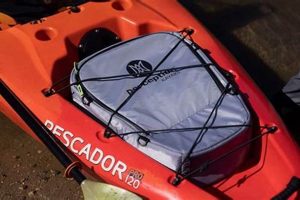
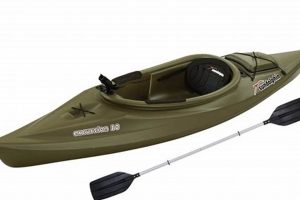
Several key pieces of specialized equipment contribute to a positive kayak fishing experience in East Tennessee. Fishing kayaks designed with stability features, rod holders, and storage compartments form the foundation. Paddle choices influence speed, maneuverability, and overall efficiency on the water. Anchoring systems tailored for kayaks allow anglers to maintain position in currents or specific fishing locations. Fish finders and GPS units enhance navigational capabilities and aid in locating fish. Finally, specialized tackle, including rods, reels, and lures designed for the target species, maximizes fishing success. For example, anglers targeting smallmouth bass in the regions rivers might utilize lighter spinning rods and lures designed for flowing water, while those targeting largemouth bass in lakes might choose baitcasting rods and lures designed for working around vegetation. Understanding the role of this specialized equipment is essential for maximizing both safety and enjoyment on the water.
The selection and effective use of specialized equipment directly impact the efficiency and safety of kayak fishing in East Tennessee. Proper equipment choices enhance stability, allowing anglers to confidently navigate various water conditions. Rod holders and storage solutions free up hands for paddling and maneuvering, contributing to safety and efficient fishing. Understanding the capabilities and limitations of specific equipment, from kayak types to fish finders, allows anglers to tailor their approach to different waterways and target species. This knowledge promotes responsible angling practices, minimizes environmental impact, and ultimately contributes to a more rewarding and sustainable experience on East Tennessee’s waters. Failure to utilize or properly understand this equipment can lead to reduced fishing success, safety risks, and potential damage to the environment. Selecting and utilizing the appropriate specialized equipment is therefore crucial for a successful and enjoyable kayak fishing experience in East Tennessee.
4. Safety Precautions
Safety precautions are paramount in kayak fishing within East Tennessee, directly impacting angler well-being and the overall success of fishing excursions. The inherent risks associated with navigating waterways in a small, self-propelled vessel necessitate a comprehensive understanding of and adherence to safety protocols. Neglecting these precautions can lead to accidents, injuries, or even fatalities. Conversely, prioritizing safety enhances enjoyment and fosters a sustainable approach to this recreational activity.
Several factors underscore the crucial connection between safety precautions and kayak fishing in this region. Changeable weather patterns, ranging from sudden thunderstorms to extreme heat, pose significant risks. Swift currents and fluctuating water levels in rivers require vigilance and adaptability. Navigating around larger vessels on popular lakes and reservoirs necessitates heightened awareness. The potential for encounters with wildlife, including submerged obstacles and aquatic life, requires preparedness. Practical examples demonstrate the significance of safety precautions: wearing a personal flotation device (PFD) can prevent drowning in the event of capsizing; carrying a communication device enables contacting emergency services in case of an accident or sudden illness; understanding weather forecasts and adjusting plans accordingly mitigates the risk of exposure or encountering dangerous conditions on the water. These examples illustrate how proactive safety measures significantly reduce risks inherent to kayak fishing in East Tennessee’s diverse waterways.
In conclusion, prioritizing safety precautions forms an integral part of responsible kayak fishing in East Tennessee. Understanding potential hazards and implementing appropriate safety measures minimizes risks and contributes to a positive and sustainable experience. This proactive approach not only protects individual anglers but also safeguards the natural environment and fosters a culture of responsible recreation within the region. Continued education and awareness of safety protocols are essential for ensuring the long-term enjoyment and safety of kayak fishing in East Tennessee.
5. Environmental Impact

Maintaining the ecological integrity of East Tennessee’s waterways is crucial for the sustainability of kayak fishing. The increasing popularity of this activity necessitates a thorough understanding of its potential environmental impacts. Minimizing these impacts through responsible angling practices ensures the preservation of these valuable natural resources for future generations. Balancing recreational enjoyment with environmental stewardship is essential for the long-term health of the region’s aquatic ecosystems.
- Habitat Disturbance:
Kayak fishing, while generally less disruptive than motorized boating, can still impact aquatic habitats. Improper anchoring techniques can damage sensitive vegetation and benthic communities. Disturbance from kayaks entering shallow spawning areas can disrupt fish breeding cycles. Minimizing disturbance requires careful navigation, avoiding sensitive areas, and utilizing appropriate anchoring methods. For example, using lightweight, sand- or mud-friendly anchors in designated areas minimizes damage to the riverbed or lake bottom.
- Fishing Line and Tackle Debris:
Discarded fishing line poses a significant threat to aquatic life. Birds, turtles, and fish can become entangled in discarded line, leading to injury or death. Lost lures and hooks can also harm wildlife. Responsible anglers practice “leave no trace” principles, retrieving all fishing line and properly disposing of tackle. Carrying a small cutting tool allows for the removal of entangled lines encountered on the water. Participating in local cleanup efforts further contributes to minimizing the impact of fishing debris.
- Introduction of Invasive Species:
Kayaks can inadvertently transport invasive aquatic species between waterways. Plant fragments or small organisms clinging to kayaks or equipment can establish new populations in previously unaffected areas. Thorough cleaning of kayaks and gear between fishing trips helps prevent the spread of invasive species. Inspecting and removing any visible plant material or organisms before entering and after exiting a waterway is crucial. Draining any standing water from the kayak and allowing it to dry completely further minimizes the risk of introducing invasive species.
- Water Quality Impacts:
While kayak fishing itself does not directly pollute waterways, improper disposal of waste, including leftover bait or food, can contribute to water quality degradation. Chemical repellents used for insects can also contaminate water if not used responsibly. Packing out all trash and utilizing environmentally friendly products minimizes water quality impacts. Opting for biodegradable sunscreen and insect repellents further reduces the chemical load on aquatic ecosystems.
Understanding and mitigating these environmental impacts are essential for ensuring the sustainability of kayak fishing in East Tennessee. Responsible angling practices, combined with ongoing conservation efforts, contribute to the preservation of these valuable natural resources. By prioritizing environmental stewardship, kayak anglers can enjoy the sport while actively protecting the delicate balance of the region’s aquatic ecosystems.
Frequently Asked Questions
This section addresses common inquiries regarding kayak fishing in East Tennessee, providing concise and informative responses to assist anglers in planning safe and successful excursions.
Question 1: What are the licensing requirements for kayak fishing in East Tennessee?
A valid Tennessee fishing license is required for anglers aged 13 and older. Specific regulations and license types vary depending on residency, fishing location, and targeted species. Consult the Tennessee Wildlife Resources Agency (TWRA) website for detailed information and to purchase licenses.
Question 2: Where can kayaks be launched for fishing access in East Tennessee?
Numerous public access points exist throughout East Tennessee, including boat ramps, designated kayak launch areas, and public land bordering waterways. The TWRA website and local resources provide information on specific launch sites and associated regulations. Always respect private property and obtain permission before launching from private land.
Question 3: What safety equipment is essential for kayak fishing in East Tennessee?
A personal flotation device (PFD) is mandatory. Essential safety equipment also includes a whistle, signaling device, first-aid kit, and appropriate clothing for varying weather conditions. Informing someone of the planned fishing location and estimated return time is a crucial safety precaution.
Question 4: What fish species are commonly targeted by kayak anglers in East Tennessee?
East Tennessee waters offer diverse fishing opportunities. Commonly targeted species include largemouth bass, smallmouth bass, crappie, various sunfish species, catfish, and trout. Specific species availability varies depending on the waterway and time of year. Research local fish populations and regulations before planning a fishing trip.
Question 5: What environmental considerations are important for kayak anglers in East Tennessee?
Minimizing environmental impact is crucial for preserving East Tennessee’s waterways. Responsible anglers practice “leave no trace” principles, retrieving all fishing line and properly disposing of tackle. Avoiding sensitive habitats, using appropriate anchoring techniques, and preventing the spread of invasive species contribute to responsible environmental stewardship.
Question 6: Are guided kayak fishing trips available in East Tennessee?
Numerous outfitters and guides offer guided kayak fishing trips throughout East Tennessee. Guided trips provide valuable insights into local fishing techniques, regulations, and waterway navigation. Research reputable guides and outfitters to enhance the fishing experience and learn more about the region’s aquatic ecosystems.
Careful consideration of these frequently asked questions enhances preparedness and contributes to safe and enjoyable kayak fishing experiences in East Tennessee. Prioritizing safety, adhering to regulations, and respecting the environment ensures the sustainability of this recreational activity and the preservation of the region’s natural resources.
Further exploration of specific fishing locations, techniques, and species-specific information will enhance angling success and contribute to a deeper appreciation of kayak fishing in East Tennessee.
Kayak Fishing East Tennessee
Exploration of this topic reveals the multifaceted nature of kayak fishing within East Tennessee. The region’s diverse waterways, abundant fish species, and the growing accessibility of specialized equipment combine to create a unique angling experience. However, the importance of safety precautions and responsible environmental stewardship remains paramount. Balancing recreational pursuits with conservation efforts ensures the long-term health of these aquatic ecosystems and the continued enjoyment of this activity.
The future of kayak fishing in East Tennessee relies on the continued commitment to responsible angling practices. Understanding the delicate balance between recreational access and environmental preservation is crucial. Through education, advocacy, and adherence to ethical guidelines, the legacy of this unique angling experience can be preserved for generations to come. Continued exploration and appreciation of East Tennessee’s aquatic resources will ensure the enduring appeal of kayak fishing within this remarkable region.