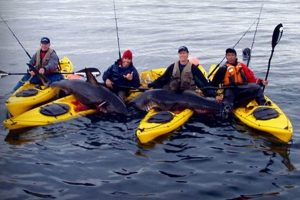
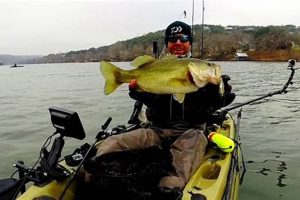
The confluence of suitable waterways and a vibrant outdoor culture makes the Texas capital a popular destination for anglers using small, human-powered vessels. This activity offers a unique blend of recreation, sport, and connection with nature within the city limits and surrounding areas.
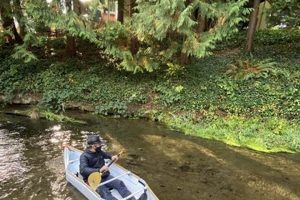
Paddling through the calm waters of lakes and rivers provides access to diverse fish species and serene natural settings, often unreachable by larger motorized boats. This low-impact approach to angling allows for a quiet, immersive experience, promoting conservation and respect for the environment. The growing popularity of this activity reflects a broader trend towards accessible and sustainable outdoor recreation.
The following sections will explore suitable locations, essential equipment, recommended techniques, and relevant regulations for this pursuit in the Austin area. Additional resources for safety information, local communities, and guided excursions will also be provided.
Tips for Kayak Fishing in Austin
Careful planning and preparation contribute significantly to a successful and enjoyable outing. The following tips offer valuable insights for maximizing one’s experience on the water.
Tip 1: Research Suitable Locations: Understanding the characteristics of various waterways, including water depth, current flow, and species presence, is crucial for selecting an appropriate fishing spot. Consulting local resources, such as fishing reports and maps, can aid in informed decision-making.
Tip 2: Utilize Appropriate Gear: Selecting a kayak designed for stability and fishing functionality is essential. Appropriate rods, reels, tackle, and safety equipment, including a personal flotation device, should be chosen based on target species and water conditions.
Tip 3: Prioritize Safety: Checking weather forecasts before embarking on any trip is paramount. Carrying essential safety gear, such as a whistle, signaling devices, and a first-aid kit, is strongly recommended. Informing someone of one’s planned route and estimated return time is also advisable.
Tip 4: Practice Proper Kayak Handling: Developing proficient paddling and maneuvering skills enhances safety and allows for efficient navigation. Understanding basic techniques for launching, landing, and controlling the kayak in various water conditions is essential.
Tip 5: Employ Effective Fishing Techniques: Adapting fishing techniques to the specific target species and water conditions increases the likelihood of success. Researching effective bait, lure, and presentation methods for local fish populations is highly beneficial.
Tip 6: Respect Local Regulations: Obtaining the necessary fishing licenses and adhering to all applicable regulations, including catch limits and size restrictions, is imperative. Respectful angling practices ensure the sustainability of local fisheries.
Tip 7: Minimize Environmental Impact: Practicing Leave No Trace principles by packing out all trash and avoiding disturbance of wildlife habitats promotes responsible recreation and preserves the natural beauty of the area.
By incorporating these tips into one’s approach, individuals can enhance their safety, improve their fishing success, and contribute to the preservation of Austin’s aquatic ecosystems.
This information provides a solid foundation for a rewarding experience. The following section will offer concluding remarks and further resources for continued learning and engagement.
1. Location Selection

Location selection plays a crucial role in the success and enjoyment of kayak fishing in Austin. The diverse waterways surrounding the city offer a range of fishing opportunities, each with unique characteristics that influence species presence, accessibility, and overall experience. Careful consideration of these factors is essential for maximizing fishing success and ensuring a safe and rewarding outing. The choice of location directly impacts the types of fish encountered, the techniques employed, and the challenges presented by the environment.
For example, Lady Bird Lake, located within the city center, provides calm, easily navigable waters ideal for targeting species such as largemouth bass and sunfish. Its proximity to urban amenities and accessible launch points makes it a popular choice for anglers seeking convenience. Conversely, Lake Travis, a large reservoir located northwest of Austin, offers a different experience. Its deeper waters and varied terrain hold populations of striped bass, white bass, and catfish, requiring different fishing techniques and potentially longer paddling distances. The Colorado River, flowing through the city, presents yet another set of conditions, with sections suitable for wading and bank fishing accessible by kayak. Each location requires a tailored approach to tackle, technique, and safety considerations.
Understanding the unique characteristics of each waterway, including water clarity, depth, current flow, and prevalent vegetation, informs effective location selection. Consulting local resources, such as fishing reports, maps, and online forums, provides valuable insights into current fishing conditions and species activity. Ultimately, strategic location selection significantly influences the overall outcome of a kayak fishing trip in Austin, contributing to a more productive and fulfilling experience.
2. Specialized Equipment

Effective kayak fishing in Austin requires specialized equipment tailored to the unique demands of this activity. Appropriate gear enhances both safety and fishing success, allowing anglers to navigate diverse water conditions and target specific species effectively. The following facets highlight essential components of a well-equipped kayak fishing setup in Austin.
- Kayak Selection
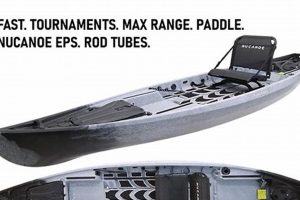
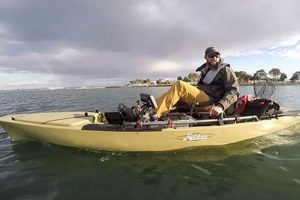
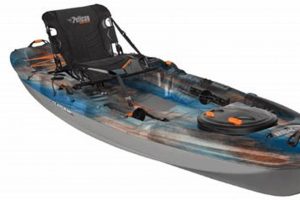
Kayak choice significantly impacts stability, maneuverability, and overall fishing performance. A sit-on-top kayak, designed for stability and ease of re-entry in the event of a capsize, is generally preferred for fishing. Features such as rod holders, anchor trolley systems, and ample storage space for tackle and gear contribute to increased efficiency and comfort. Wider, shorter kayaks offer greater stability, particularly in calm waters like Lady Bird Lake, while longer, narrower kayaks provide improved tracking and speed for covering greater distances on larger bodies of water like Lake Travis.
- Rods and Reels
Rod and reel selection depends on the target species and fishing techniques employed. For bass fishing, a medium-power spinning rod paired with a reel spooled with braided line offers versatility and strength. Catfish anglers may opt for heavier baitcasting setups with stronger lines to handle larger fish. Fly fishing enthusiasts can utilize specialized fly rods and reels tailored to the local conditions. Matching rod and reel combinations to the specific fishing application maximizes effectiveness and enjoyment.
- Tackle and Accessories
A well-stocked tackle box is essential for success in Austin’s diverse fisheries. Lures, baits, hooks, weights, and other terminal tackle should be chosen based on target species and prevailing water conditions. Essential accessories include pliers for removing hooks, a knife for cutting line, and a fish finder for locating fish and identifying underwater structures. A landing net facilitates safe and efficient retrieval of landed fish.
- Safety Gear
Prioritizing safety is paramount in kayak fishing. A personal flotation device (PFD) is a mandatory piece of equipment and should be worn at all times. A whistle, signaling devices, and a first-aid kit are essential for emergency preparedness. Carrying a dry bag for protecting electronic devices and important documents from water damage is also advisable. A paddle leash prevents accidental loss of the paddle in case of a capsize.
Careful selection and appropriate use of specialized equipment contribute significantly to a safe, successful, and enjoyable kayak fishing experience in Austin. By understanding the function and importance of each component, anglers can optimize their approach, enhance their fishing performance, and ensure their well-being on the water. The interplay between these elements allows for a tailored approach, maximizing efficiency and enjoyment in the diverse aquatic environments found throughout the Austin area.
3. Safety Procedures

Safety procedures are integral to responsible kayak fishing in Austin. The inherent risks associated with on-water activities necessitate a proactive approach to risk mitigation. Neglecting established safety protocols can lead to accidents, injuries, or even fatalities. Understanding and implementing appropriate safety measures ensures a positive and secure experience on Austin’s waterways. A comprehensive safety approach considers environmental factors, personal preparedness, and responsible decision-making.
Environmental awareness is crucial. Checking weather forecasts prior to embarking on a fishing trip allows anglers to avoid potentially hazardous conditions such as strong winds, lightning storms, or rapidly changing temperatures. Understanding water conditions, including current flow, water temperature, and potential hazards like submerged debris, is essential for safe navigation. For instance, strong currents on the Colorado River following heavy rainfall can pose significant risks to kayakers. Wearing appropriate clothing for the anticipated weather conditions, including layers for warmth and rain gear for protection from precipitation, contributes to overall safety and comfort. Carrying a communication device, such as a waterproof cell phone or VHF radio, enables communication in case of emergencies.
Personal preparedness further enhances safety. Wearing a properly fitted personal flotation device (PFD) is paramount, providing buoyancy and increasing the chances of survival in the event of a capsize. Carrying a whistle allows for signaling in distress situations. Knowledge of basic first aid and CPR can prove invaluable in responding to injuries or medical emergencies. Informing someone of the intended fishing location and estimated return time allows for timely assistance if needed. Regularly inspecting kayak equipment for wear and tear ensures optimal performance and reduces the risk of equipment failure on the water. By adhering to these safety procedures, kayak anglers in Austin can significantly mitigate risks, promote responsible recreation, and contribute to a safe and enjoyable experience on the water.
4. Fishing Techniques
Effective fishing techniques in the context of Austin kayak fishing require adaptation to the specific conditions of the local waterways and the target species sought. These techniques encompass a range of approaches, from lure selection and presentation to understanding fish behavior and habitat. Proficiency in these techniques significantly enhances fishing success and contributes to a more rewarding experience on the water. The quiet and maneuverable nature of kayaks allows for specialized approaches often unavailable to anglers in larger, motorized boats.
- Still-Fishing
Still-fishing, a technique involving anchoring or positioning the kayak in a stationary location, proves effective in calmer waters such as those found in Lady Bird Lake or protected coves of Lake Travis. This approach allows for precise bait placement and patience, often targeting specific structures like submerged brush piles or drop-offs. Commonly used baits include live worms, minnows, or prepared baits designed to attract species like catfish or sunfish. The stealth afforded by a kayak minimizes disturbance, increasing the chances of attracting fish.
- Drift-Fishing
Drift-fishing involves allowing the kayak to drift naturally with the current or wind, presenting bait or lures to cover a wider area. This technique is particularly effective in rivers or sections of lakes with noticeable current flow. Lures that mimic the movement of baitfish, such as crankbaits or spinnerbaits, are often employed to entice predatory species like bass or white bass. The kayak’s mobility allows anglers to follow the natural contours of the waterway and present their offerings to a greater number of fish.
- Trolling
Trolling involves slowly paddling or using a small electric motor to tow lures behind the kayak. This technique covers a large area and is effective for locating active fish. Deep-diving crankbaits, spoons, or umbrella rigs can be used to target various species depending on the depth and water conditions. The kayak’s relatively shallow draft allows access to areas often inaccessible to larger boats, increasing the chances of encountering fish in shallower waters.
- Sight-Fishing
Sight-fishing, particularly effective in clear water environments, involves visually locating fish and presenting lures or baits directly to them. This technique requires keen observation and precise casting skills. Lightweight lures, such as soft plastic jerkbaits or topwater plugs, are often employed to mimic the movement of prey. The kayak’s low profile and quiet operation allow anglers to approach fish without disturbing them, maximizing the effectiveness of this technique. This approach is commonly used to target species like bass in the clearer sections of the Highland Lakes.
Adapting these techniques to specific locations, target species, and prevailing conditions enhances fishing success in Austin kayak fishing. Understanding fish behavior, seasonal patterns, and preferred habitats further refines the approach and allows for a more informed and productive fishing experience. The combination of appropriate technique, location selection, and kayak maneuverability contributes to a unique and rewarding angling pursuit in the diverse waterways of the Austin area.
5. Local Regulations
Adherence to local regulations is essential for responsible and sustainable kayak fishing in Austin. These regulations, designed to protect aquatic ecosystems and ensure fair access for all anglers, govern various aspects of the activity, from licensing requirements to catch limits and permitted fishing methods. Ignoring these regulations can result in fines, legal repercussions, and damage to the local fisheries. Understanding and complying with these rules ensures the long-term health of Austin’s waterways and the continuation of this recreational pursuit.
- Fishing Licenses
A valid Texas fishing license is required for all anglers engaging in kayak fishing in Austin, regardless of age or residency status. Different license types exist, catering to various durations and residency requirements. Exemptions apply to certain individuals, such as those under 17 years of age and Texas residents born before January 1, 1931. Acquiring the appropriate license before embarking on a fishing trip ensures legal compliance and supports conservation efforts funded by license fees. Licenses can be obtained online, from authorized retailers, or through Texas Parks and Wildlife Department offices.
- Catch and Release Practices
While harvesting fish within legal limits is permitted, catch and release practices are encouraged to promote conservation, particularly for certain species. Proper handling techniques, such as using wet hands or a landing net to minimize stress on the fish, and prompt release back into the water, contribute to fish survival and the overall health of the fish population. Specific regulations regarding catch and release may apply to certain species or during specific seasons. For instance, releasing oversized bass helps maintain a healthy population structure.
- Size and Bag Limits
Size and bag limits dictate the minimum size and maximum number of specific fish species that an angler can legally harvest. These limits vary depending on the species and the body of water. For example, largemouth bass in Lake Travis are subject to a 14-inch minimum length limit and a five-fish daily bag limit. Adhering to these limits helps prevent overfishing and maintain sustainable fish populations. Regulations are subject to change, so anglers should consult the Texas Parks and Wildlife Department’s current regulations before fishing.
- Permitted Fishing Methods and Equipment
Local regulations may restrict certain fishing methods or equipment to protect fish populations or specific habitats. For example, the use of certain types of nets or the practice of snagging may be prohibited. Restrictions on the use of live bait may also apply in certain areas. Understanding and adhering to these regulations ensures fair and ethical fishing practices and minimizes potential harm to the aquatic environment. Regulations may vary between different bodies of water, necessitating awareness of specific rules applicable to the chosen fishing location. For example, juglines and trotlines are prohibited on Lady Bird Lake.
By understanding and adhering to these local regulations, kayak anglers in Austin contribute to the preservation of the local fisheries, ensuring the sustainability of this recreational activity for future generations. Responsible angling practices, coupled with respect for the environment, promote a positive image of the sport and foster a sense of stewardship among those who enjoy the unique experience of kayak fishing in Austin’s diverse waterways. Staying informed about current regulations and adhering to established rules ensures a legal, ethical, and sustainable approach to this popular pastime.
Frequently Asked Questions
This section addresses common inquiries regarding kayak fishing in Austin, providing concise and informative responses to facilitate informed participation in this activity.
Question 1: What are the most suitable locations for kayak fishing in Austin?
Suitable locations vary depending on target species and angler experience. Lady Bird Lake offers calm waters ideal for beginners, while Lake Travis and the Colorado River provide more challenging environments with diverse fish populations. Decker Lake and Walter E. Long Lake are also popular choices.
Question 2: What essential equipment is required for kayak fishing in Austin?
Essential equipment includes a fishing kayak, appropriate rods and reels, tackle suited to target species, a personal flotation device (PFD), and safety gear such as a whistle and signaling devices. A fishing license is mandatory.
Question 3: Are there specific regulations regarding fishing from a kayak in Austin?
Regulations regarding fishing from a kayak generally align with statewide Texas fishing regulations. These include licensing requirements, catch limits, size restrictions, and permitted fishing methods. Consulting the Texas Parks and Wildlife Department website provides detailed information.
Question 4: What safety precautions should be taken when kayak fishing in Austin?
Essential safety precautions include checking weather forecasts before embarking, wearing a PFD, informing someone of the planned fishing location and return time, carrying essential safety gear, and being aware of water conditions and potential hazards.
Question 5: What are effective fishing techniques for kayak angling in Austin?
Effective techniques vary depending on target species and location. Still-fishing, drift-fishing, trolling, and sight-fishing are common approaches. Adapting techniques to specific conditions and species behavior often yields better results. Local fishing reports and guides can provide valuable insights.
Question 6: Where can one find additional information and resources regarding kayak fishing in Austin?
Local fishing outfitters, kayak rental businesses, and online forums dedicated to Austin fishing provide valuable information on locations, techniques, regulations, and safety procedures. The Texas Parks and Wildlife Department website offers comprehensive resources on statewide fishing regulations and conservation efforts.
Careful consideration of these frequently asked questions promotes safe and responsible kayak fishing practices in Austin. Adhering to regulations and prioritizing safety ensures a positive experience for anglers and contributes to the preservation of the local aquatic ecosystems.
The following section offers concluding remarks and further resources for continued learning and engagement with the Austin kayak fishing community.
Austin Kayak Fishing
This exploration of Austin kayak fishing has highlighted the multifaceted nature of this activity, encompassing location selection, specialized equipment, safety procedures, effective fishing techniques, and adherence to local regulations. The confluence of suitable waterways and a vibrant outdoor culture positions Austin as a prime destination for this pursuit. Understanding the nuances of each aspect contributes significantly to a safe, successful, and rewarding experience on the water. From the tranquil waters of Lady Bird Lake to the expansive reaches of Lake Travis, Austin offers diverse angling opportunities for kayak enthusiasts of all skill levels. Responsible angling practices, coupled with a respect for the environment, ensure the sustainability of this resource for future generations.
Austin kayak fishing represents a unique blend of recreation, sport, and connection with nature. Continued exploration of techniques, responsible engagement with the environment, and adherence to established regulations will ensure the preservation of this valuable pastime. The future of Austin kayak fishing rests on the collective commitment to sustainable practices and the shared appreciation for the unique aquatic ecosystems that support this enriching outdoor pursuit. By embracing these principles, anglers contribute to the enduring legacy of kayak fishing in Austin and safeguard its future for generations to come.